A 2009 report proposed pairing a newly improved dye-based photocathode with a conventional photoanode to make a tandem solar cell. The advance was a reported increase in the cathode’s light-harvesting efficiency—not a commercial device or a demonstrated high-efficiency tandem module.
What the 2009 report actually proposed
Michael Gross’s Chemistry World story, published 1 May 2009, described Swedish researchers’ work on a reverse-type dye-sensitized solar cell. In this design, dyes interact with a p-type semiconductor at a light-harvesting cathode. A contemporaneous news brief reported that the cathode’s light-harvesting efficiency was more than doubled and proposed combining it with a more conventional anode-based cell to form a tandem device.
| # | Preview | Product | Price | |
|---|---|---|---|---|
| 1 |
|
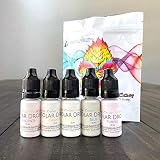
Solar Color Dust, Solar Drops - White to Rainbow 5pk, 10ml Dropper Bottles in Magenta, Orange,... | $28.40 | Buy on Amazon |
As an Amazon Associate I earn from qualifying purchases.
“More than doubled” describes the reported improvement in light harvesting; it is not an absolute solar-cell efficiency figure. The brief does not provide the baseline needed to calculate one, nor does it establish that the proposed combination became a durable commercial module. The underlying primary paper and a named researcher quotation are not securely identified in the available sources.
How a dye-sensitized tandem cell would divide sunlight
A tandem design combines photoactive subcells that capture different parts of the solar spectrum. In the concept described in a later review, an n-type photoanode is intended to absorb higher-energy blue light. Lower-energy red light passes through to a p-type photocathode, which can make use of that remaining part of the spectrum.
#1 Best Overall
- Solar Color Changing liquid drops, highly concentrated
- Changes from White to the designated color in sunlight
- Colors are- Magenta, Orange, Yellow, Blue, and Purple
- 10ml dropper bottles
- 1-5 drops to 1 fl oz of clear medium
Capturing different wavelengths is only one part of making a tandem cell work. The subcells also need to deliver compatible electrical current; if one side produces substantially less current, it can limit the combined device.
Why the early tandem results were limited
A 2010 review of dye-sensitized cells describes the field as being at an early research stage and discusses constraints in p-type cells. It recounts a NiO-cathode/TiO2-anode tandem example with an overall efficiency of 0.39%. The review identifies low current from the cathode side and a mismatch between the two sides as limitations.
That 0.39% result is a separate example discussed in the review, not the efficiency of the specific 2009 report. It helps explain the engineering challenge: improving light harvesting at one electrode does not by itself guarantee that a complete tandem device will produce high power.
Free tools Windows power users keep installed
One-click scans. No signup required.
How this differs from modern tandem-cell headlines
“Tandem solar cell” describes an architecture, not one material system. The 2009 report concerned dye-sensitized cells. Later perovskite tandems use different materials and methods, so their records cannot be credited to the dye-based proposal.
- A 2022 perovskite/silicon study modeled annual output for building-integrated photovoltaics in Gifu, Japan, using local environmental data. It was a location-specific model, not a measurement of the dye-sensitized concept.
- In July 2026, the Chinese Academy of Sciences reported a certified steady-state power conversion efficiency of 28.04% for a perovskite-organic tandem cell. This is a distinct architecture and result, not a continuation or outcome of the 2009 dye-cell work.
Efficiency figures across these papers are not a like-for-like comparison. A meaningful comparison needs to account for material pairing and spectral coverage, electrical connection, certification or modeling method, active area and test conditions, stability duration, and whether the result is a lab cell, a module, or a product.
Quick Recap
What readers should take away
- The 2009 headline was about an early dye-sensitized solar-cell research direction, not a product announcement.
- The reported advance was a more effective dye-based light-harvesting cathode; pairing it with a conventional photoanode was proposed as a way to use more of the solar spectrum.
- For the tandem to perform well, both subcells must contribute compatible current, not merely absorb different colors of light.
- Later perovskite tandem records belong to separate material systems and should be read with their own measurement and certification details.
Product prices and availability are accurate as of the date/time indicated and are subject to change. Any price and availability information displayed on Amazon at the time of purchase will apply.




