Best Sakura Alternatives in 2026
Updated
20 apps from terminal emulators ranked against Sakura on the same published basis.
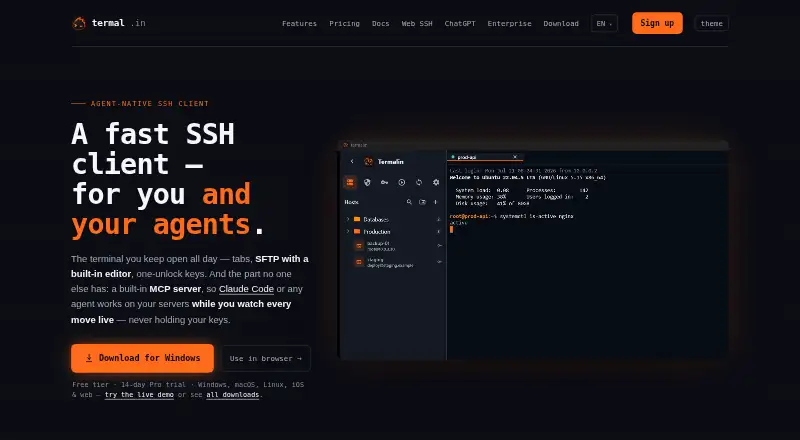
- 1Sakura vs Termalin
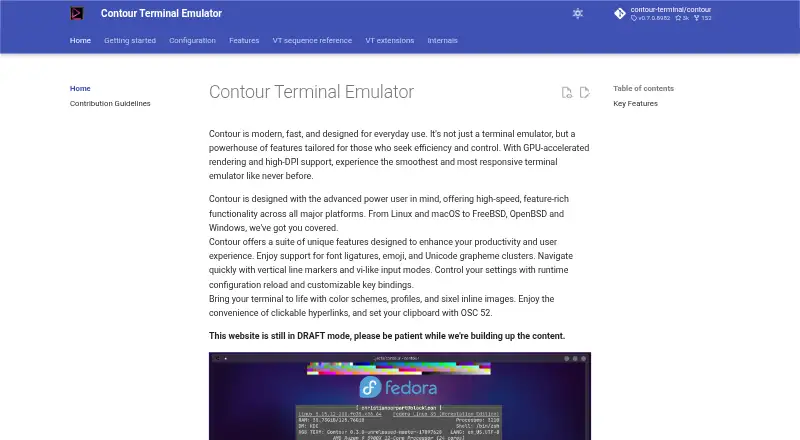
- 2Sakura vs Contour
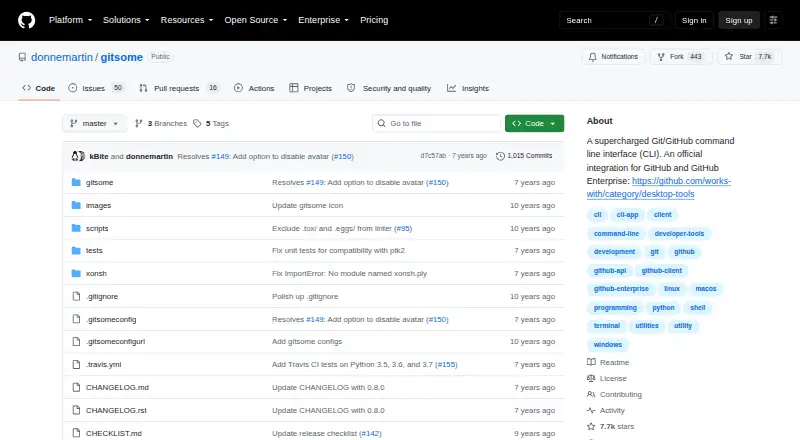
- 3Sakura vs gitsome
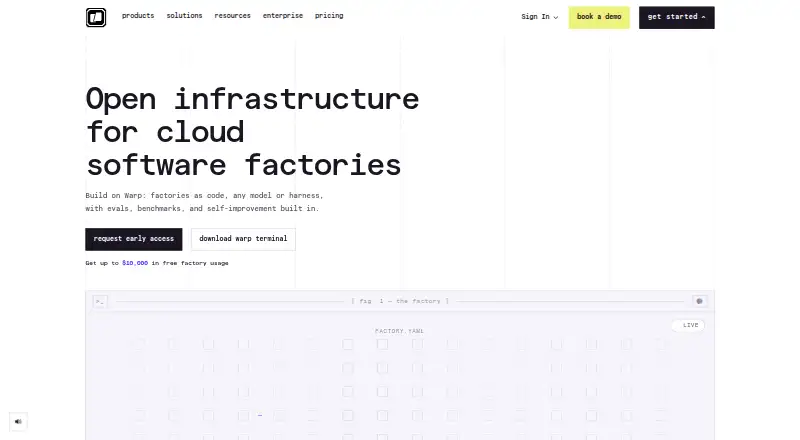
- 4Sakura vs Warp
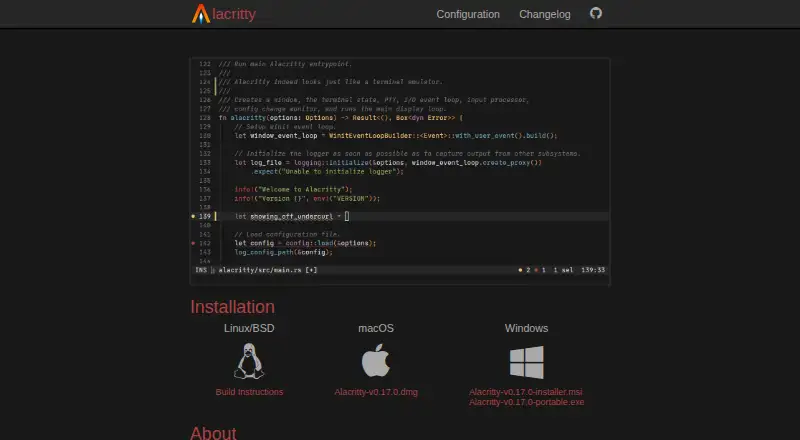
- 5Sakura vs Alacritty
- 6Sakura vs Hyper
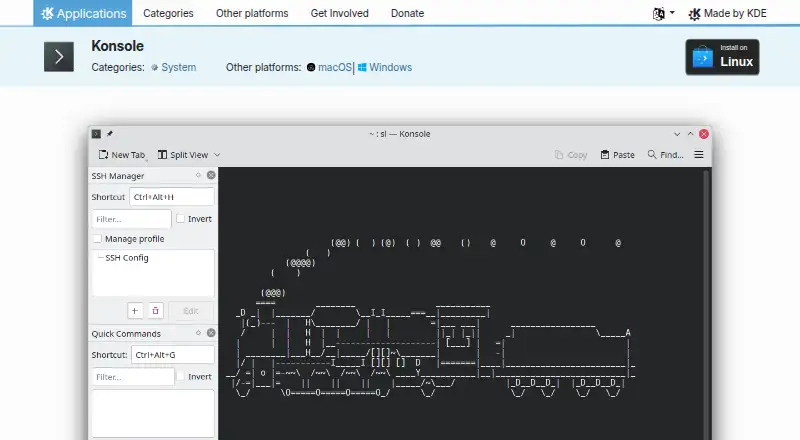
- 7Sakura vs Konsole
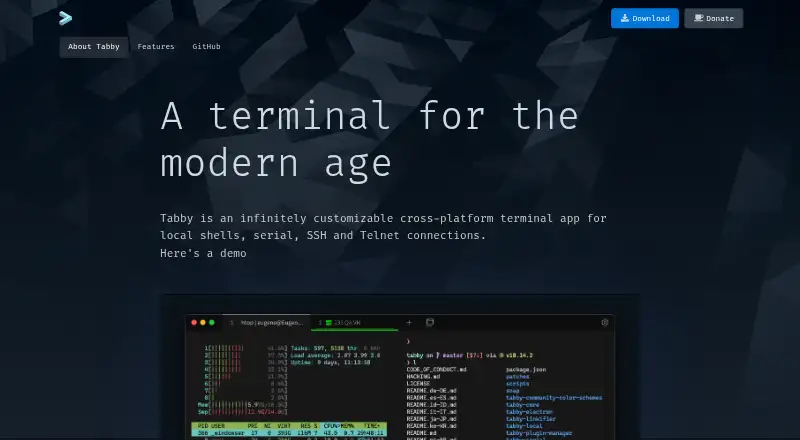
- 8Sakura vs Tabby
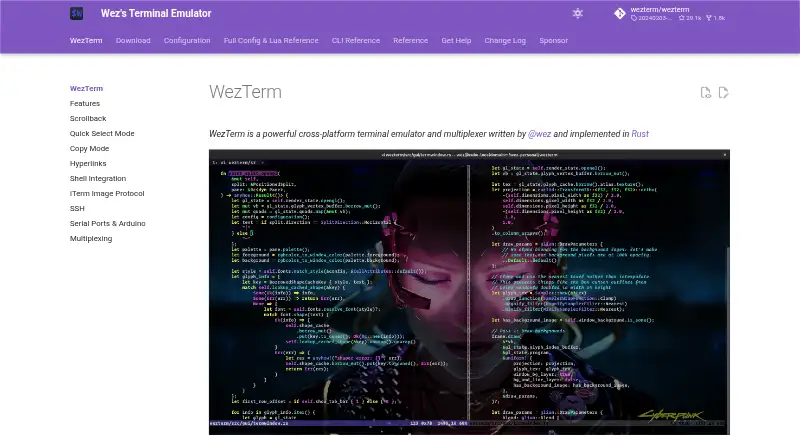
- 9Sakura vs WezTerm
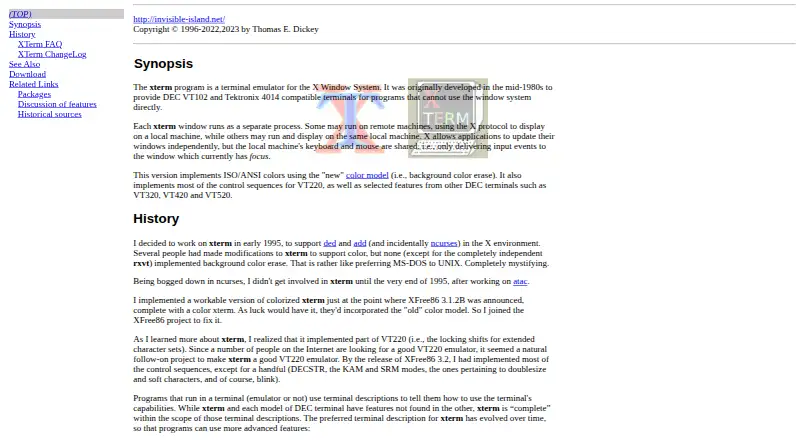
- 10Sakura vs xterm
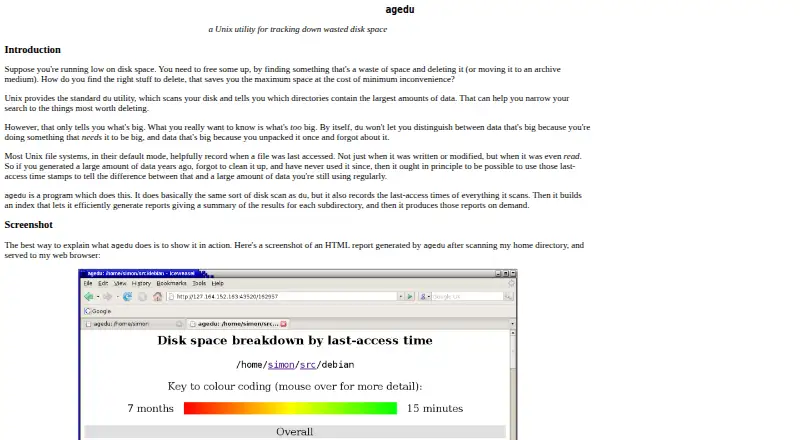
- 11Sakura vs agedu
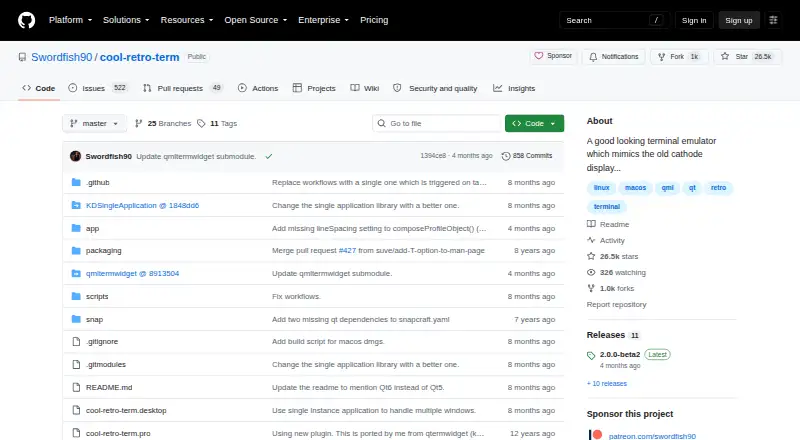
- 12Sakura vs Cool Retro Term
- 13Sakura vs Ghostty
- 14Sakura vs kitty
- 15Sakura vs Cmder
- 16Sakura vs ConEmu
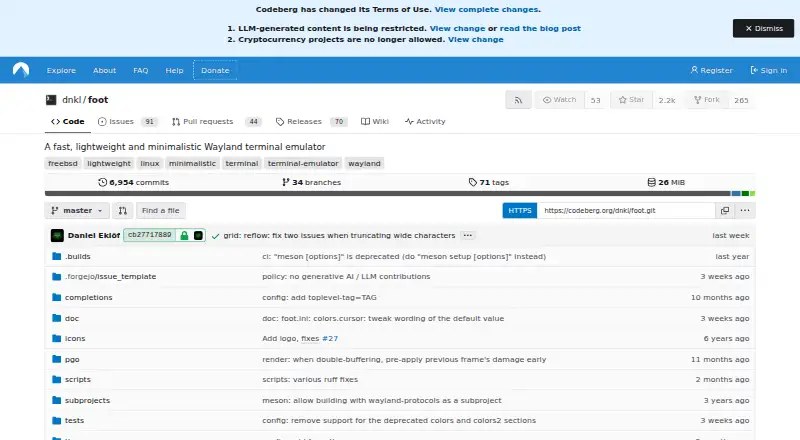
- 17Sakura vs foot
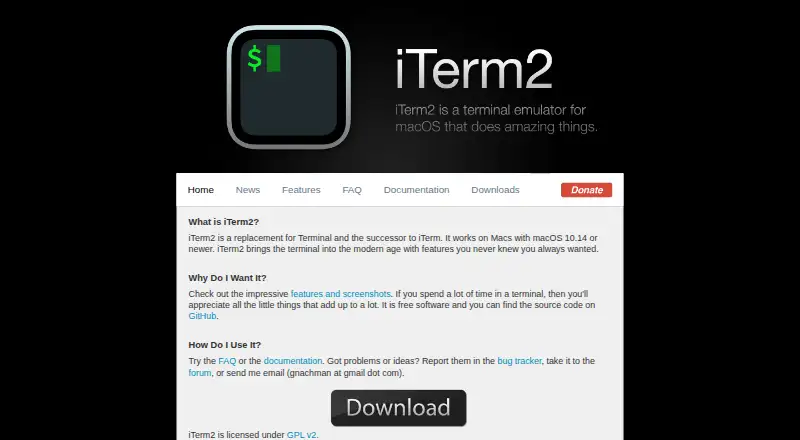
- 18Sakura vs iTerm2
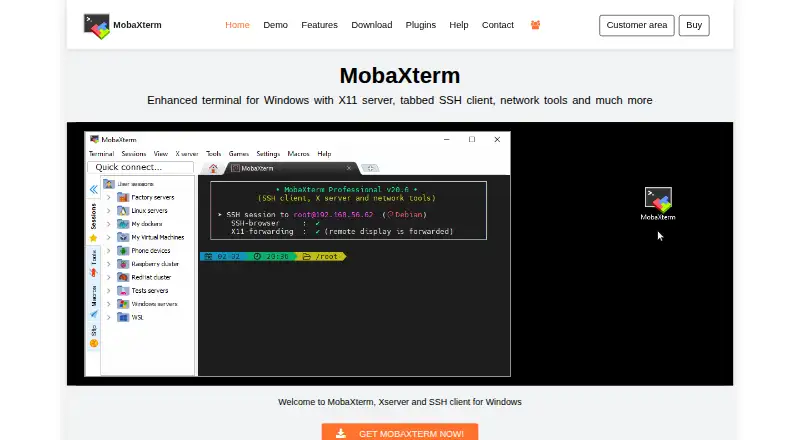
- 19Sakura vs MobaXterm
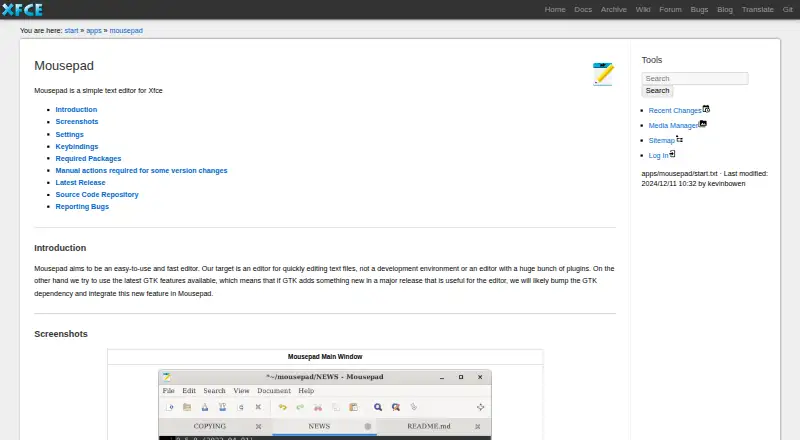
- 20Sakura vs Mousepad







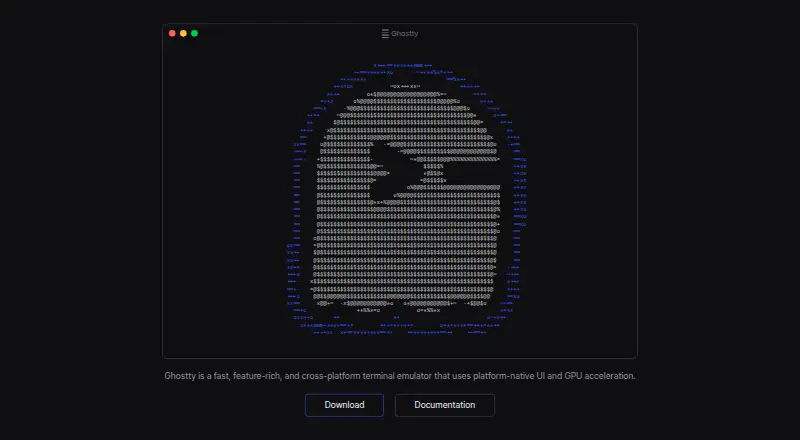

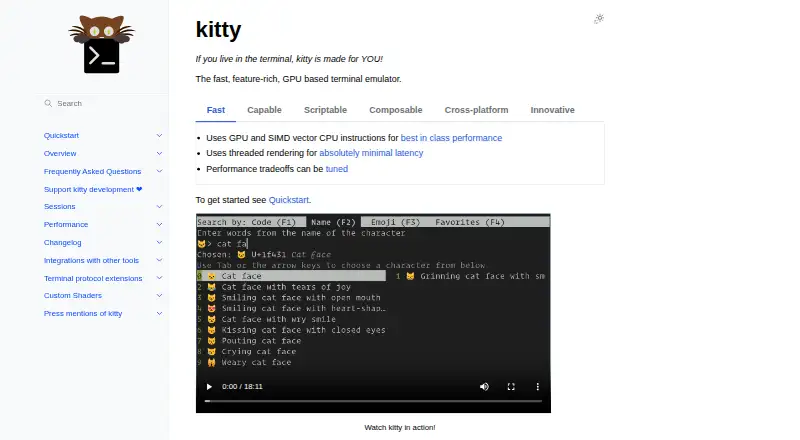

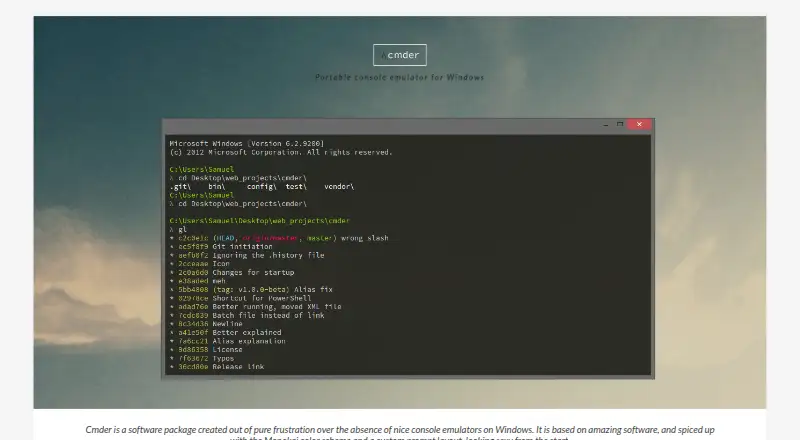

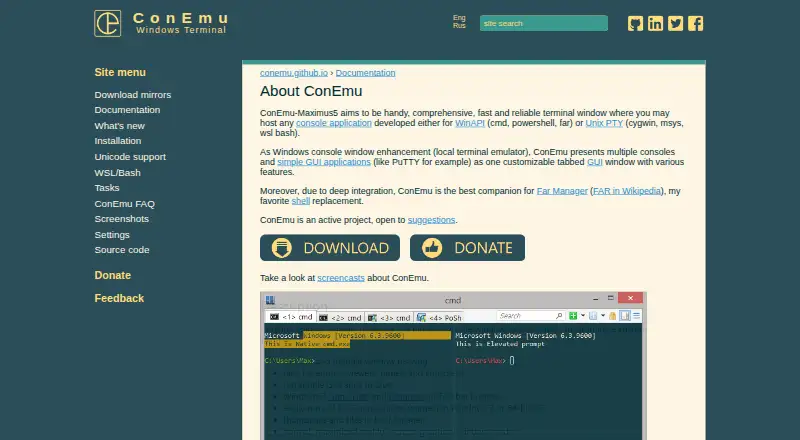


Sakura alternatives compared
| # | App | Score | Free plan | From | Runs on |
|---|---|---|---|---|---|
| 1 | Termalin | 6.7 | Free plan | $8/mo | API, iOS, Linux, Mac, Web, Windows |
| 2 | Contour | 6.6 | Free plan | Free | Linux, Mac, Windows |
| 3 | gitsome | 6.6 | Free plan | Free | Linux, Mac, self-hosted, Windows |
| 4 | Warp | 6.6 | Free plan | $20/mo | Linux, Mac, self-hosted, Windows |
| 5 | Alacritty | 6.5 | Free plan | Free | Linux, Mac, Windows |
| 6 | Hyper | 6.5 | Free plan | Free | Linux, Mac, Windows |
| 7 | Konsole | 6.5 | Free plan | Free | Linux, Mac, Windows |
| 8 | Tabby | 6.5 | Free plan | Free | Linux, Mac, Windows |
| 9 | WezTerm | 6.5 | Free plan | Free | Linux, Mac, Windows |
| 10 | xterm | 6.5 | Free plan | Free | Linux, Mac, Windows |
| 11 | agedu | 6.4 | Free plan | Free | Linux, Web |
| 12 | Cool Retro Term | 6.4 | Free plan | Free | Linux, Mac |
| 13 | Ghostty | 6.4 | Free plan | Free | Linux, Mac |
| 14 | kitty | 6.4 | Free plan | Free | Linux, Mac |
| 15 | Cmder | 6.3 | Free plan | Free | Windows |
| 16 | ConEmu | 6.3 | Free plan | Free | Windows |
| 17 | foot | 6.3 | Free plan | Free | Linux |
| 18 | iTerm2 | 6.3 | Free plan | Free | Mac |
| 19 | MobaXterm | 6.3 | Free plan | — | Windows |
| 20 | Mousepad | 6.3 | Free plan | Free | Linux |
Make your app an alternative to Sakura
See the priceThe sponsored alternative slot on this page is labelled Sponsored.
Questions about Sakura alternatives
What is the best alternative to Sakura?
Termalin, number 1 in terminal emulators with a score of 6.7 out of 10. The others here: Contour, gitsome, Warp and 16 more.
What is the best free alternative to Sakura?
Termalin is the best-ranked alternative with a free plan. 20 of the 20 alternatives here publish a free plan on their own pricing pages.
How are these alternatives ranked?
Ranked free-and-open first: a usable free tier and open-source code, then the platforms it runs on and its documentation.