The Tool Desk
Outbyte PC Repair FREEClear out junk files and repair common Windows errorsFree Scan →Outbyte Driver Updater FREEScan for outdated or missing drivers - takes under a minuteDriver Scan →Antibiotic alternatives are not one replacement drug. They are a portfolio: prevent infections, use reliable diagnostics to guide treatment, and develop new ways to treat infections that resist existing medicines. These approaches can reduce avoidable antibiotic use, but they must complement—not delay or replace—effective antibiotics when those medicines are needed.
What counts as an alternative to antibiotics?
The phrase covers several different kinds of intervention. Vaccination, infection prevention, and clean water reduce the chance that an infection occurs. Diagnostics help clinicians decide whether antibiotics are appropriate and which treatment is likely to work. Bacteriophage therapy is a developing approach intended to target bacteria directly.
As an Amazon Associate I earn from qualifying purchases.
These approaches do not all do the same job. Preventing an infection is different from treating an infection that is already present, and a tool that may help against one pathogen cannot be assumed to work against another. Antibiotic resistance occurs when bacteria are no longer susceptible to medicines that once treated them. Antimicrobial resistance (AMR) is broader: it also includes resistance in viruses, fungi, and parasites.
Quick wins for a faster PC:
Fix the driver behind crashes, sound loss and screen glitchesFind Drivers →Repair Windows errors before they cause bigger problemsFix Now →Why is a broader response urgent?
The World Health Organization’s 2025 global surveillance report analyzed more than 23 million bacteriologically confirmed cases, with 104 countries reporting data for 2023. WHO reported that one in six laboratory-confirmed bacterial infections causing common infections worldwide that year was resistant to antibiotic treatment. This is an estimate from reported surveillance, not a complete count of every infection in every country.
#1 Best Overall

- Fast 5–10 Minute Results: Visual interpretation for rapid decision-making in dairy operations.
- High Sensitivity: Detects critical β-lactam antibiotics at or below industry safety thresholds.
- Multi-Analyte Coverage: Targets penicillin, cephalosporins , and other β-lactams.
- Food Safety Use Only: Intended exclusively for raw milk screening—not for medical or human diagnostic purposes.
- High Concordance (98.6%) with ELISA: Trusted accuracy for professional testing environments.
In the same 2025 report, resistance increased between 2018 and 2023 in more than 40% of the monitored pathogen–antibiotic combinations. Across those combinations, WHO reported average annual increases of 5–15%. The findings describe reported patterns across monitored combinations; they do not mean that resistance rose at the same rate for every bacterium or antibiotic.
How can prevention reduce the need for antibiotics?
Vaccines can prevent some infections
Vaccines reduce the infections they target, which can also reduce the need for antibiotic treatment. They do not prevent every bacterial infection, and they do not reverse resistance in bacteria already causing an infection. A vaccine may be licensed and available for one pathogen while another is still being developed or evaluated.
Rank #2
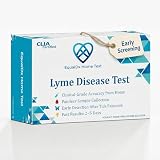
- SIMPLE AT-HOME TESTING: Easily check for potential exposure from the comfort of your home with this user-friendly kit. Designed for convenience, it eliminates the need for in-person appointments and helps you stay informed about your well-being.
- GENTLE SAMPLE COLLECTION: Designed with comfort in mind, this kit features a simple and painless collection process, making it suitable for various users. The easy-to-follow instructions ensure a smooth and stress-free experience.
- CLEAR & TIMELY RESULTS: This kit is designed to provide results in a straightforward manner, helping users make informed decisions. The included components work together to support an efficient and seamless testing process.
- EASY-TO-USE DESIGN: With an intuitive setup, this kit allows for a hassle-free experience from start to finish. The step-by-step guide ensures users can complete the process confidently in a comfortable setting.
- ALL-INCLUSIVE TESTING KIT: This kit comes with all the necessary components for a complete and simple process. No additional tools are needed, making it a convenient choice for those looking for an efficient option.
In a 2024 technical assessment, WHO examined 44 vaccines against 24 pathogens. WHO estimated that vaccines against 23 of those pathogens, excluding gonorrhoea, could reduce global antibiotic need by 22%—equivalent to 2.5 billion defined daily doses per year. This is modeled potential, contingent on vaccine development and use, not a measured reduction already achieved through universal rollout.
Infection prevention protects patients and communities
In health-care settings, infection prevention and control (IPC) measures reduce opportunities for infections to spread. Water, sanitation, and hygiene (WASH) measures also help prevent infections in health-care facilities and communities. Preventing infections means fewer occasions when antibiotic treatment is needed; these measures are not treatments for an existing bacterial infection.
Rank #3

- Get reliable results in just 10-15 minutes.
- Simple self-testing kit with no specialized knowledge required.
- Our test kits are manufactured under strict quality standards with an accuracy rate of over 99.5%.
- Ideal for home health monitoring at an affordable price.
- If there is any dissatisfaction, please contact me, 100% give you a satisfactory result.
Putting prevention into practice requires sustained implementation: appropriate procedures in care settings, access to clean water and sanitation, and hygiene measures suited to the setting. WHO’s 2024 IPC report provides an implementation overview; the evidence cited here does not establish one universal numerical effect for these measures.
What role do diagnostics and responsible antibiotic use play?
Quality-assured diagnostics can help determine whether an illness is caused by bacteria and, where testing allows, identify the pathogen and its likely susceptibility to treatment. The result matters because it can inform a clinical decision: whether an antibiotic is needed, which one to use, or whether treatment should be changed. A test alone does not reduce resistance; its value depends on timely access, reliable results, and appropriate action by a health professional.
Rank #4

- FDA EUA Authorized COVID-19 Test Card: Boson Rapid SARS-CoV-2 Antigen Test Card is authorized under the Emergency Use Authorization (EUA) to detect whether an individual is infected with COVID-19. Easy to use. No need to send your sample to the lab.
- 15 Min Rapid Test: 15-minute self-test. It can be performed anywhere at any time
- Suitable for all events: Easy to carry with convenient size. Each kit contains 8 tests. It is suitable for all events.
- Comfortable Self-test: The test can be used by yourself without the need for professional sample collection. Gently nasal swab collect the sample, comfortable at-home self test. Self-testing recommended for people aged 14 and above. Children aged 2 to 14 years should be tested by an adult.
- Results Effective: It detects both symptomatic and non-symptomatic COVID-19 infection. It is the safe choice of at-home OTC product.
Responsible antibiotic use remains essential alongside these alternatives. WHO Director-General Dr Tedros Adhanom Ghebreyesus said in a 13 October 2025 WHO news release: “As countries strengthen their AMR surveillance systems, we must use antibiotics responsibly, and make sure everyone has access to the right medicines, quality-assured diagnostics, and vaccines.” Reducing unnecessary use must not become a reason to withhold indicated treatment or restrict access to effective antibiotics.
Can bacteriophages treat antibiotic-resistant infections?
Bacteriophages, or phages, are viruses that infect bacteria. Because they target bacteria, they are being investigated as possible treatments for some resistant infections, sometimes alongside antibiotics. Their potential is pathogen-specific: a phage that targets one bacterium is not a general treatment for all bacterial infections.
Best Value

- Easy and Safe Testing: Utilize our asbestos testing kit to safely collect 2 samples for analysis. Simple to use with clear instructions, ideal for both home and office environments.
- Accurate and Dependable Results: Trust in our reliable asbestos air test kit, offering precise results analyzed by EPA-approved lab methods. Receive professional reports within 1 week.
- Sample Analysis: Our asbestos home test kit allows the collection of two samples, enhancing the thoroughness of your asbestos PLM analysis and ensuring comprehensive coverage.
- Required In-Depth Lab Analysis: Our Asbestos test kit gives you the flexibility to seek professional lab analysis. With an optional $20 lab fee per sample, receive a comprehensive evaluation from our AIHA-accredited lab, enhancing the accuracy of your home's Asbestos detection.
- Ideal for Various Applications: Whether checking for asbestos in popcorn ceilings or other household materials, our kit is suitable for a range of testing needs, delivering peace of mind.
WHO describes phage therapy as promising but says more clinical evidence is needed before broad routine use in humans. In western Europe, use is primarily on compassionate grounds for life-threatening situations after other treatments have been exhausted. Availability and regulatory status can differ by country; the evidence summarized here does not establish local approval or access. Phages should not be treated as a proven general substitute for antibiotics, and patients should not attempt to obtain or use them without appropriate clinical oversight.
Why is there no single substitute for antibiotics?
Different interventions address different pathogens, stages of illness, and settings. Prevention can stop some infections before they happen; diagnostics can guide decisions about an illness; and a developing therapy may apply only to a subset of resistant infections. None can be assumed to cover the range of conditions treated by antibiotics.
WHO’s 2024 bacterial priority pathogens list covers 24 pathogens across 15 families. It is intended to help guide research and development and prevention priorities. The list reinforces why new tools need evidence for efficacy and safety against particular pathogens, as well as a practical plan for appropriate use and access.
What’s actually slowing this PC down?
Pick the symptom - the matching free tool is one click away.
WHO’s 2025 global call to action set targets of a 10% reduction in estimated AMR-related deaths by 2030 and testing capacity for listed pathogens extended to 80% of countries. These are targets, not achieved outcomes. Meeting them depends on coordinated prevention, diagnostics, responsible antibiotic use, treatment research, and access to effective care.
Quick Recap
Product prices and availability are accurate as of the date/time indicated and are subject to change. Any price and availability information displayed on Amazon at the time of purchase will apply.




