Recommended Free Tools
For most small ornamental ponds, neither Wolffia (watermeal) nor duckweed is the best plant to introduce deliberately: both can spread into dense floating cover that is hard to control. If wildlife food and refuge matter more than open water, a limited, managed patch of duckweed may fit. For a pond meant to look varied and stay usable, choose locally appropriate floating-leaved, submerged, and marginal plants instead, and keep total growth in balance.
Which plant is best depends on what you want from the pond
There is no universal winner. A small pond has limited surface area, so a fast-growing floater can quickly become the dominant feature. Choose according to the pond’s purpose, your willingness to remove excess growth, and which plants are suitable where you live.
As an Amazon Associate I earn from qualifying purchases.
| Plant group | How it behaves | Value | Tradeoff and small-pond fit |
|---|---|---|---|
| Wolffia (watermeal) | Tiny, rootless grains that float on still or slow-moving water; can spread rapidly. | Can take up nutrients and is eaten by some herbivorous fish and waterfowl, according to NC State Extension. | Very small plants can be difficult to manage once established. Avoid introducing it if you want open water or easy control. |
| Duckweed | Small, flat fronds or clusters that usually have dangling roots. | Can feed waterfowl and provide cover; associated insects can also be food for fish. | Rapid growth may form a mat, shade submerged plants, and reduce oxygen. A limited patch can suit a wildlife pond if you remove excess. |
| Other floating-leaved plants | Plants such as water lilies have larger leaves at the surface. | Add shade and ornamental interest; other floating plants can limit duckweed growth. | Suitability depends on local conditions and species. Consider appropriate plants rather than trying to replace one universal surface carpet with another. |
| Submerged and marginal plants | Submerged plants grow below the surface; marginal plants are rooted at the pond edge and grow above it. | Offer varied structure and habitat. Aquatic plants generally provide food or shelter for pond life. | Too much vegetation of any kind can interfere with pond use. Select and maintain plants to match the pond’s goals. |
Purdue Extension notes that aquatic plants can provide food and shelter for fish, while excessive growth can choke a pond or interfere with its use (Aquatic Vegetation Management). In a small pond, aim for useful, varied cover rather than maximum plant coverage.
How to tell Wolffia from duckweed
Wolffia is also called watermeal. Its individual plants are tiny, rootless floating bodies that can look like grains or cornmeal on the water. NC State Extension gives typical dimensions of about 1/42 inch long by 1/85 inch wide for the Wolffia profile; those dimensions describe the profile, not every Wolffia species.
#1 Best Overall

- LIVE PLANTS: Package includes 5 fresh water hyacinth plants (equevalent to 8 oz) with vibrant green leaves and buoyant bulbs for immediate pond use
- NATURAL FILTRATION: These floating plants help maintain water quality by absorbing excess nutrients and providing shade for pond fish
- EASY CARE: No soil needed - simply place these hardy aquatic plants on the water surface and watch them thrive and multiply
- POND COVERAGE: Each plant spreads 6-12 inches wide, perfect for decorating water gardens, koi ponds, and aquatic features
- GROWTH HABITS: Produces glossy, round leaves up to 6 inches wide with thick, spongy stems that naturally float on water surfaces
Duckweed generally appears as small flat leaves, or clusters of leaves, with fine roots dangling below. The Minnesota Department of Natural Resources notes that the leaves and stem are not distinguishable from each other. At a glance, a surface covering may look like algae; closer inspection can reveal separate floating plants. Watermeal and duckweed can occur together, so finding one does not rule out the other. See the Minnesota DNR identification guide and NC State’s Wolffia profile.
Will duckweed or watermeal take over a small pond?
Both can multiply quickly when conditions are favorable, but the rate varies with the pond. NC State Extension says Wolffia may double in size every two days under warm water and bright light. The Royal Horticultural Society says duckweed can bud every two to three days in warm summer conditions. These are descriptions of favorable conditions, not a prediction that every pond will grow at those rates.
Rank #2

- Natural Filtration: Helps control nitrates and ammonia levels in your water environment
- Shade and Shelter: Protects fish and reduces water evaporation
- Fast Growth: Quickly covers surface areas for enhanced water coverage
- Low Maintenance: No planting required; simply float and allow to grow naturally
- Package Contents: Healthy greenhouse grown Water Hyacinth, carefully packaged for safe arrival, not collected from the wild
A dense floating layer can shade plants growing underwater and reduce oxygen in the water. Floating cover also has ecological value: duckweed can feed waterfowl, support insects, and provide refuge. The practical question is whether the cover stays at a level that suits the pond, rather than whether every floating plant must be eliminated.
What’s actually slowing this PC down?
Pick the symptom - the matching free tool is one click away.
How to keep duckweed in check
Identify what is present
Check for roots beneath the floating pieces and whether the plants are separate or connected. Identify the plant before choosing a control method; different aquatic plants can be mistaken for one another. Texas A&M AgriLife Extension provides an aquatic plant identification guide.
Rank #3
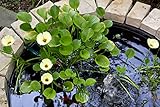
- IMPORTANT: DO NOT ORDER IF ITS TOO HOT!! Please note that during times of extreme weather, live plants will suffer due to extreme temperatures. During winter, do not order live plants when temperatures are expected to go below 20F at the lowest point during the day. During summer, avoid ordering plants when temperatures are above 100F. Additionally, these plants will get damaged if your region experiences strong cold winds.
- You get one Water Poppies plant bareroot. These are grown plants, ready to reproduce. They can float but do best when planted in aquatic soil.
- They serve as natural biofilters to your pond, helping clear the water naturally
- Grown pesticide free by Aqualeaf Aquatics TM
Skim out excess growth
For a manageable amount, use a fine-mesh net, rake, or seine to collect plants from the surface. Repeat as needed rather than treating one removal as guaranteed eradication. The Royal Horticultural Society recommends hand removal with a net or rake, and Texas A&M AgriLife lists raking or seining as control methods (RHS duckweed guidance; Texas A&M duckweed control).
Reduce conditions that encourage a carpet
Remove rotting debris and consider suitable floating-leaved plants or shade to reduce duckweed abundance, as the RHS advises. Plant choices must still fit the pond and region; adding an unsuitable species can create a different management problem.
Rank #4

- LIVE PLANTS: Package includes 5 fresh water plants with vibrant green leaves and buoyant bulbs for immediate pond use
- NATURAL FILTRATION: These floating plants help maintain water quality by absorbing excess nutrients and providing shade for pond fish
- EASY CARE: No soil needed - simply place these hardy aquatic plants on the water surface and watch them thrive and multiply
- POND COVERAGE: Perfect for decorating water gardens, koi ponds, and aquatic features
- GROWTH HABITS: Produces glossy, round leaves up to 6 inches wide with thick, spongy stems that naturally float on water surfaces
Treat chemicals as a last, locally guided option
Aquatic herbicides require strict compliance with the product label and local rules. As killed plants decompose, they can consume oxygen and harm fish. Texas A&M notes that treatment in sections and aeration may help in some situations, but chemical control is not a casual fix for a small pond. Consult local extension guidance and the product label before considering it.
Crashes, No Sound, or Screen Glitches?
Random freezes, missing sound and display glitches usually trace back to one bad driver. Find and replace yours safely.Free scan · under a minuteWindows Errors? Fix Them Before They Spread
Repair common Windows errors and clear accumulated junk for a smoother, more stable PC - no reinstall needed.Free scan · no reinstallChoose plants for your region and pond conditions
There is no reliable one-species prescription for every small pond. Climate, water conditions, wildlife goals, and local rules affect what is suitable. Check local extension or natural-resource guidance before buying or introducing aquatic plants, stocking fish, or applying a treatment. Rules differ by location; for example, Texas A&M’s guidance notes state-specific restrictions on fish stocking and approvals for tilapia in certain Texas areas, which should not be assumed to apply elsewhere.
Best Value

- ✅ DROP -N- GROW - Pre-Grown and Pre-Rooted, the only work left for you to do is to Drop it in your Pond or Patio Container and Watch it Grow! So much easier than growing from seed or seeds!
- ✅ PROMOTES THE PERFECT POND ENVIRONMENT - Aquatic plants like water lilies & lotus will produce oxygen and absorb carbon dioxide to enhance water quality in your pond or patio garden.
- ✅ ECOSYSTEM ENHANCER - Adding live plants is not only beneficial for the natural ecosystem but also provides shelter and security for your fish. Plus you get lots of pretty flower / flowers!
- ✅ HARDY - This perennial water lily is meant to last for years to come. After growing has stopped in the autumn, simply cut back the foliage and keep your water lily at the bottom of your water garden during the winter months
- ✅ GORGEOUS BLOOMS, LUSH FOLIAGE - Use Chalily Brand aquatic plant fertilizer; which gives your plants the nutrients needed to produce bigger, blooms and healthier foliage all season long.
For a small ornamental pond, a modest mix of locally suitable floating-leaved, submerged, and marginal plants is usually a more balanced starting point than a deliberate Wolffia or duckweed carpet. For a wildlife pond, allow some floating cover if desired, then remove enough to preserve the balance you want. The Texas A&M plant identification guide can help with identification, while regional authorities can advise on suitability and regulations.
Quick Recap
Product prices and availability are accurate as of the date/time indicated and are subject to change. Any price and availability information displayed on Amazon at the time of purchase will apply.

