Weak and bitter are not the same problem. A watery cup usually means too little coffee for the water, an unsuitable grind, or poor flow; bitterness can come from the roast, water chemistry, over-extraction, stale oils, or coffee sitting on a hot plate. Because a brew can be both dilute and bitter, diagnose strength and flavor separately, then change one variable at a time.
Start by separating “weak” from “bitter”
Strength is the concentration of dissolved coffee in the cup. Extraction describes which compounds were pulled from the grounds and how the result tastes. More coffee increases concentration, but it does not automatically remove bitterness. A brew made with too little coffee can still taste bitter if the grounds were over-extracted, the water is unsuitable, or the coffee sat hot for too long.
As an Amazon Associate I earn from qualifying purchases.
| What you notice | Most useful first checks | What not to assume |
|---|---|---|
| Watery, thin, or pale flavor | Water volume, coffee dose, grind, filter fit, and whether the machine delivered all of its water through the grounds | That the machine is defective or that you simply need a darker roast |
| Strong but harsh, dry, or burnt-tasting coffee | Roast level, grind that is too fine, excessive contact time, old coffee oils, water chemistry, and hot-plate holding | That adding more grounds will fix it |
| Weak and bitter at the same time | Confirm the dose first, then investigate extraction, water, cleaning, and holding time | That “stronger” and “less bitter” are the same adjustment |
Personal preference matters. In a Specialty Coffee Association (SCA) summary of a study involving 118 black-coffee consumers, preferences largely tracked perceived strength within the groups studied, while individual variation remained substantial. That sample does not establish a universal definition of a good cup.
What’s actually slowing this PC down?
Pick the symptom - the matching free tool is one click away.
Use a repeatable coffee-to-water dose
Before changing settings, measure the coffee and water. Use the brewer’s own water marks and dose instructions as the primary reference because reservoir markings, filter baskets, and “cup” sizes differ between machines.
#1 Best Overall
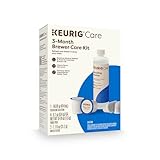
- INCLUDES: 4 Keurig Rinse Pods, 1 Descale Solution, and 2 Water Filter Cartridge Refills
- RINSE PODS: reduces flavor carry-over between brews
- QUICKEST WAY TO CLEAN YOUR K-Cup pod holder: rinse away residue and oils that can build up in your coffee maker
- EASY TO USE: use just like you would a regular K-Cup pod
- SAFE AND EFFECTIVE: gentle and odorless formula
The SCA describes drip and immersion brewing with a ratio expressed as grams of water per gram of ground coffee and gives 60 g of coffee per liter of water as a common reference. Its Certified Home program requirements use about 55 g/L as a Gold Cup Ratio reference. These are starting points, not compulsory recipes or guarantees of your preferred strength.
| Water used | At 55 g/L | At 60 g/L |
|---|---|---|
| 500 ml | About 27.5 g coffee | About 30 g coffee |
| 750 ml | About 41 g coffee | About 45 g coffee |
| 1 liter | About 55 g coffee | About 60 g coffee |
These calculations assume the water actually reaches the coffee bed. A machine that leaves water in the reservoir, spills around a mis-seated basket, or uses a different internal cup definition may produce a different beverage. A small digital scale with a timer is an optional way to make each trial comparable; it is a measuring aid, not a cure by itself.
For the next brew, keep the grind, coffee, and machine setting unchanged while correcting only the dose or water volume. Taste that result before making another change. The SCA’s technical brewer requirements also allow for coffee-bed swelling; the stated allowance is recommended to be about 50% of the bed depth. That is a brewer-design consideration rather than a household recipe, but it explains why an overfilled basket can overflow or channel water.
Do these 3 things before closing this tab:
1Repair Windows errors before they cause bigger problems2Fix the driver behind crashes, sound loss and screen glitches3Clear out junk files and repair common Windows errorsCheck the coffee and grind
Choose coffee intended for the machine
Use coffee that is fresh enough for your preference and labeled or ground for the brewing method. Pre-ground coffee loses aroma over time after grinding, while beans lose freshness more slowly when kept sealed, cool, and away from light. A very dark roast can taste bitter even when the extraction is technically normal; a lighter roast can taste sharper or more acidic. Change the coffee only after confirming that the dose and water are consistent, so you know what caused the difference.
Rank #2

- 14-pack: Various Size Stainless Steel Straw Brush*10, Coffee Brush*1,long grip handle brush with spoon*1, short original cleaning tool brush*1,coffee art stencils pen*1
- Diverse styles : A variety of styles can be used for various espresso machines and coffee grinders, can clean coffee grinder burr blades and coffee residue, and can also effectively clean your coffee machine and make coffee more delicious.
- Easy to use : Espresso machine cleaning brush, easy to operate, can easily go to narrow places and prevent hot water from scalding hands, can clean coffee grinder burr blades and coffee residue, and can also effectively clean your coffee machine and make coffee more delicious.
- Wide applications:Can be used to clean coffee grinders, espresso machine head burrs, grinders, milk frothers, used in home kitchens, restaurants, cafes and many other places
- Perfect ideal gift of Coffee Machine Espresso Grinders:This portable Espresso Grinders Coffee Machine Brush Cleaner is an indispensable Cleaning Tools for coffee drinkers and professional baristas. It is suitable for cafes, restaurants, parties and many other occasions, It can be shared with your friends for their convenience, have a relaxing time
Set an automatic drip brewer near medium
KitchenAid recommends a medium grind for automatic drip brewing. Grounds that are too fine can slow flow, clog some filters, and increase contact time; grounds that are too coarse can allow water to pass quickly and produce a thin, less developed cup. Move the setting only a small step and evaluate the next full brew. Do not transfer an espresso grind chart to a standard drip machine: espresso baskets, pressure, dose, and contact time are different.
Adjust an integrated grinder cautiously
If your machine grinds beans internally, follow its manual for when the grinder may be adjusted—some models require the grinder to run while you change the setting. Miele warns that, on the espresso-machine families covered by its instructions, the grinder should be changed one step at a time; larger changes may risk damage. That warning is model-specific, so use the exact instructions for your machine rather than applying it to every grinder.
Clean every part that touches coffee
Old coffee oils collect in the brew basket, shower area, filter holder, carafe lid, and any reusable filter. Those oils can turn stale and affect subsequent batches. Wash the basket and carafe regularly with the method allowed by the manufacturer, rinse away detergent completely, and let parts dry before reassembly. Check that the paper filter sits flat and that the basket valve, if present, opens freely.
Recommended Free Tools
Do not assume that a conventional drip maker has a removable espresso-style brew unit. Superautomatic machines use a separate brew group, grinder, and often a milk system, each with its own cleaning procedure. For a Miele superautomatic model, a blocked brew-unit filter is one possible cause of wet grounds and weak coffee. The manufacturer’s directions for the named brew units include rinsing with warm running water without dish soap and running the specified degreasing program. Apply those instructions only to compatible models and cycles.
Rank #3

- Bulk Coffeemaker Decalcifier Tablet: 24 Tablets Work out to a Year Supply or more. Compare to other products like powder, pods, sachet, packets. Choose ACTIVE Cleaning Tablets for better Values
- Wide Brewer Cleaner Compatibility: ACTIVE cleaners work with Single K Cup, Pod Style system and regular multi-cup machines. Compatible with all brands including Breville, Kuerig, Nespresso Vertuo, Philips, Urnex, Moccamaster, Affresh, Kurig, Zojirushi, Verismo, Cuisinart, Oxo, De Longhi, biocaf, Kitchen aid and more
- Descale and Deep Clean: ACTIVE Descales Hard Water Buildup, Calcium, Limescale, Grime, and Oil in your Machine with our concentrated formula
- Enjoy Better Tasting Coffee: Regular Descaling Maintains Temp Stability, Flow, Clarity and Flavor of your Brew, Taste your coffee, not the nasty buildups in your machine
- Extend Life of Coffee Maker: Don't replace your coffee maker every few years! It's essential to use a scale remover tablet to keep your coffee maker in full tip top shape
Descale only according to the exact manual
Mineral scale can restrict water flow and alter heating or brewing behavior, but it is not a proven explanation for every bitter cup. If the machine’s indicator, manual, or maintenance schedule calls for descaling, use the specified solution, quantity, and rinse procedure.
Procedures differ. One KitchenAid automatic-coffee-maker procedure calls for removing the water filter before descaling and running two complete fresh-water cycles afterward. A De’Longhi procedure for specified models uses its own sequence and product instructions. Do not substitute a generic vinegar recipe, combine cleaners, or leave descaler in the system longer than directed. If the manual is unavailable, identify the exact model from its rating plate and obtain the current instructions from the manufacturer before starting.
Evaluate the water
Water minerals, alkalinity, treatment chemicals, and odor can change extraction and flavor. Chlorine or another noticeable smell can carry into the cup. Hard or highly alkaline water can make coffee taste flat or bitter as well as contribute to scale.
Free tools Windows power users keep installed
One-click scans. No signup required.
An SCA-hosted water article containing sponsored BRITA content quotes Birgit Kohler, head of BRITA’s Organoleptic Department: “When there is a lot of hydrogen carbonate or the water is too hard, it reacts with the fine caffeic acids. The coffee then tastes unbalanced, bitter and flat.” The page is sponsored, so treat the statement as an attributed explanation rather than an independent universal rule.
Follow your brewer’s water guidance. KitchenAid says not to use distilled or mineral water in its automatic coffee maker. If your tap water tastes unpleasant, consult the manual for an approved filter or bottled-water specification instead of guessing. A filter can improve flavor while also changing mineral content; replace it on the schedule the maker provides.
Rank #4

- 5Pcs Espresso Cleaning Kit: MIGAKU HOME set includes Black Walnut Large Soft Brush, Black Walnut Small Hard Brush, Group Head Brush, Long-reach Brush & Air Blower. Fits electric coffee grinder, coffee & espresso machine parts. One-stop cleaning for grounds and oil residue.
- Targeted Cleaning with Walnut Brushes: Large soft walnut brush sweeps loose grounds; small hard walnut brush removes stubborn stains. Smooth handles for comfortable grip and precise control.
- Hard-to-Reach Area Cleaning: Espresso Group Head Brush cleans espresso machine group heads. Long-reach Small Brush reaches hard-to-clean areas. Air Blower blows residue in machine gaps by squeezing.
- Premium Black Walnut Craftsmanship: 2 main brushes made of natural black walnut wood, blends perfectly with coffee bar decor, ideal for wooden product lovers and high-quality life groups.
- All-in-One Grinder Cleaning Kit: No separate tools needed. Maintains coffee machine/grinder performance for fresh brew flavor. Perfect solution for how to descale coffee maker, quality guaranteed for baristas & home coffee enthusiasts.
Do not ignore holding time and heat
Coffee changes after brewing. On a hot plate, continued heating drives off aromas and can intensify harsh or burnt notes. A thermal carafe slows that change but does not stop it. If a fresh cup tastes balanced and the same coffee tastes bitter after sitting, shorten the holding time, use the machine’s keep-warm setting only as directed, or brew a smaller batch more often. Avoid repeatedly reheating coffee in a pan or microwave; that adds heat without restoring lost aromas.
Step-by-step fix for an automatic drip coffee maker
- Describe the defect. Taste a fresh cup as soon as brewing ends. Record whether it is watery, harsh, sour, or simply darker than you like.
- Reset the measurement. Use the machine’s reservoir marks and weigh the grounds. Start near 55–60 g of coffee per liter of water, then adjust to preference.
- Inspect the basket and filter. Confirm the basket is fully seated, the paper filter is the correct size, and no grounds are packed against the outlet or spilling over the rim.
- Clean coffee-contact parts. Wash the basket, reusable filter, carafe, and lid. Remove visible residue from the shower area only as the manual permits.
- Check the grind. For automatic drip, begin around medium. If flow is unusually slow or the filter clogs, move slightly coarser; if the cup is thin and flow is very fast, move slightly finer.
- Check water quality. Use the recommended filtered or tap water. Do not use distilled or mineral water when the manufacturer prohibits it.
- Descale when required. Follow the model’s cleaner, filter-removal instruction, contact time, and rinse count. For the cited KitchenAid procedure, remove the water filter and run two full fresh-water cycles after descaling.
- Run a controlled comparison. Change only one variable for the next batch and write down the dose, water, grind, and time. Keep the cup that tastes better as your new baseline.
Espresso and superautomatic machines need a different diagnosis
Espresso machines use a compact puck, pressure, and a much finer grind than drip brewers. Weak espresso may result from an under-dosed or poorly tamped puck, a grind that is too coarse, a blocked screen, or a grinder that has drifted. Bitterness can result from a grind that is too fine, an unusually long shot, overheated coffee, stale oils, or a dark roast. Use the machine’s espresso-specific instructions and do not apply drip ratios to the shot.
Quick wins for a faster PC:
Scan for outdated or missing drivers - takes under a minuteDriver Scan →Repair Windows errors before they cause bigger problemsFix Now →For a superautomatic brewer
- Empty and rinse the grounds container and drip tray as directed; accumulated residue can create odors and interfere with sensors.
- Remove and rinse the brew unit only if the manual says it is user-removable. For the Miele units covered by its guidance, use warm running water without dish soap and complete the specified degreasing cycle.
- Clean the grinder and chute using the manufacturer’s method. Do not push liquid into a built-in grinder.
- Change the grinder setting one step at a time when the machine’s instructions permit adjustment.
- For Philips Barista Brew models, use the extraction guidance written for those espresso models; it should not be treated as a general rule for unrelated machines.
For a manual espresso machine
- Confirm the basket dose and distribution match the basket size.
- Check that the portafilter gasket, screen, and basket are clean and undamaged.
- Make one small grind adjustment, then compare the next shot’s flow and taste.
- Backflush, descale, and clean the grinder only with the products and intervals specified for the model.
Why a cup can be weak and bitter
Several variables can pull in opposite directions. Too little coffee lowers concentration, creating a watery impression. If the small amount of coffee is ground too fine, water can remain in contact with it too long and extract more bitter compounds. A dark roast may contribute roast bitterness even when the brew is correctly measured. Stale residue in the basket can add harsh flavors, while hard or highly alkaline water can make the result taste flat. Finally, a cup that was balanced at the end of brewing may become bitter after prolonged heating.
That is why “add more coffee” is not a universal fix. Increase the dose only when the cup is genuinely under-concentrated, and then reassess bitterness separately.
Best Value

- 2-Pack Coffee Descaler and Cleaner - Clean and rinse away residue and oil buildup in your coffee maker with Impresa's Coffee Descaler Solution. Our highly effective solution comes with two 8-ounce bottles - enough for 4 descaling sessions (2 uses per bottle)
- Highly Effective, Made in USA Formula - Unlike most common solutions, our coffee machine cleaner uses just 4 ounces (1/2 bottle) per session, ensuring your machine stays in optimal condition with a recommended cleaning every 3-4 months. Packed with over 1 year of cleaning power in one bottle, it effectively removes build-up - keeping your machine clean longer!
- Preserves Your Machine - Using a coffee descaling solution eliminates limescale and mineral build-up to prevent corrosion, significantly extending your machine's lifespan and enhancing the taste of your coffee
- Highly Compatible - Not just for Keurig descaling solution - our coffee maker descaler is also compatible with virtually all single-use coffee and espresso machines including for Breville, for Nespresso, for Delonghi, for Hamilton Beach, for Braun, for Bunn, for Cuisinart, for Tassimo, for Krups, for Saeco, and more!
- Suitable for Virtually All Types of Machines - Suitable for cleaning automatic machines, manual machines, pod / capsule / cup machines, filter machines, commercial machines, cappuccino machines, kettles and electric water heaters
Use controlled tests instead of changing everything at once
A simple notebook or scale display can prevent circular troubleshooting. For each brew, note:
- coffee name, roast style, and whether it was ground immediately before brewing;
- grams of coffee and grams or milliliters of water;
- grind setting and filter type;
- brew start and finish time;
- whether the machine had just been cleaned or descaled;
- how long the coffee sat before tasting.
Run a baseline, then alter one item: dose, grind, water, cleaning, or holding time. If a change improves strength but worsens bitterness, keep the new dose and test a slightly different grind or a different coffee. If cleaning fixes the taste without changing concentration, the problem was residue rather than recipe. If only water changes help, address filtration or local water quality instead of chasing grind settings.
Common symptoms and targeted actions
| Symptom | Likely branches to check | Next safe action |
|---|---|---|
| Water flows quickly and the cup is thin | Too little coffee, too much water, grind too coarse, or bypass around the filter | Verify dose and basket fit; make one small grind change toward finer |
| Filter overflows or brewing is unusually slow | Grind too fine, overfilled basket, clogged paper or reusable filter, or scale | Reduce dose to the manual’s limit, move slightly coarser, clean the basket, and descale only if instructed |
| Fresh coffee tastes fine but later coffee tastes burnt | Hot-plate holding time or excessive keep-warm heat | Serve sooner, brew smaller batches, or use the approved thermal-carafe mode |
| All coffees taste flat and bitter after months of use | Stale oils, dirty water path, hard water, or overdue maintenance | Clean coffee-contact parts, inspect the filter, and follow the exact descaling program |
| Superautomatic grounds are wet and shots are weak | Blocked brew-unit filter, grinder setting, dose, or a machine-specific fault | Follow the model’s brew-unit rinse and degreasing instructions; adjust the grinder one step at a time |
| Only one coffee tastes bitter | Roast level, coffee age, storage, or a batch-specific grind | Test a fresh coffee intended for the same method before altering the machine |
When to stop troubleshooting at home
Stop and seek model-specific support if the machine leaks, repeatedly overflows after the basket and filter are correctly seated, fails to heat, shows a persistent maintenance error, makes abnormal noises, or produces the same defect after the prescribed cleaning and descaling cycles. Do not open a machine that is connected to power or water unless the manufacturer explicitly provides a safe procedure. A technician can check pumps, valves, heaters, sensors, and grinder mechanisms that recipe changes cannot repair.
What the brewing studies do—and do not—tell you
An SCA summary of UC Davis Coffee Center work reports 433 brewed batches and 4,158 cups tasted while researchers varied factors such as grind, dose, and brew-water pattern to obtain similar extraction profiles at different temperatures. Because several variables were adjusted to maintain comparable extraction, the summary should not be read as a temperature-only test or as proof that one temperature fixes every weak or bitter cup.
The practical lesson is narrower: measure the recipe, identify whether the issue is concentration or extraction, and change one controllable variable at a time. No single ratio, grind size, water type, or cleaning interval suits every brewer and every palate.
Quick Recap
Product prices and availability are accurate as of the date/time indicated and are subject to change. Any price and availability information displayed on Amazon at the time of purchase will apply.

