The Tool Desk
Outbyte Driver Updater FREEFix the driver behind crashes, sound loss and screen glitchesFind Drivers →Outbyte PC Repair FREEClear out junk files and repair common Windows errorsFree Scan →Replace hiking insoles when they show deterioration or no longer feel comfortable and stable in your boots. REI says aftermarket insoles used daily or regularly generally last about 12 months; occasional or seasonal use may extend their life to several years. That is a broad use-based guide, not a hiking-mileage rule.
How do I know if my hiking insoles are worn out?
Take the insoles out periodically and inspect them. REI advises replacing them when they have deteriorated or no longer function as intended, but does not set a specific measurement or mileage threshold.
As an Amazon Associate I earn from qualifying purchases.
As practical cues, look for damaged or misshapen material, areas that appear compressed, or a footbed that no longer sits securely in the boot. These are common-sense reasons to check the fit and condition, not a formal diagnostic checklist. If comfort changes, the insole may not be the only cause: check that it still fits properly with the footwear.
How long do hiking insoles last?
REI Co-op’s general guidance is that aftermarket insoles last about 12 months with daily or regular use, while occasional or seasonal use may allow them to last several years. The page is undated and was accessed in 2026. It does not give a hiking-specific mileage figure or a model-by-model lifespan, so do not treat one year as a mandatory replacement date for every hiker. REI Co-op: How to Choose Insoles
#1 Best Overall

- Neutral Arch Support: Fits The Widest Range Of Foot Types, Providing Subtle Support Without Discomfort
- Cushioning: Premium Shock Absorbing Material Evenly Cushions The Length Of The Foot
- Rebound: Provides Energy Return Against Solid Surfaces
- Full Length Cushion: Premium Shock Absorbing Material Evenly Cushions The Length Of The Foot
- Antimicrobial: Cleansport Nxt Uses Naturally Occurring Microbes To Provide Natural, Long-Lasting Odor Resistance
Your own inspection and how the insoles feel in your footwear are more useful than counting trail miles: the available guidance does not quantify how terrain, pack weight, or an individual wear pattern affects lifespan.
How should I care for hiking insoles?
- Remove them regularly so moisture trapped between the insole and shoe can dry.
- If they need washing, hand-wash with mild detergent.
- Let them air-dry fully before putting them back in your footwear.
How do I choose a replacement that fits?
Choose replacement hiking insoles that suit the volume and shape of your footwear rather than assuming one style fits every boot. REI notes that high-volume insoles suit high-volume shoes such as hiking boots and typically work best with high arches. Use the fit check below when trying an aftermarket footbed. REI Co-op: How to Choose Insoles
Rank #2

- ACT IMPACT CUSHIONING: ACT foam pods under the heel and forefoot add targeted impact protection, while open-cell PU foam creates softer rebound, giving these all-terrain hiking insoles cushioning for rugged routes.
- STRUCTURED ARCH SUPPORT: A molded medium arch, firm supporting shell and deep cushioning heel cup create a stable foundation, making these arch support shoe inserts suitable for movement across varied terrain.
- OPEN-CELL TRAIL COMFORT: Open-cell PU foam extends through most of each 1.8 oz footbed to provide softer rebound and added cushioning, giving these cushioned replacement insoles comfort for active outdoor use.
- INCLUSIVE SIZE RANGE: Seven sizes from XXS through XXL cover women’s US sizes 5.5–12.5 and men’s US sizes 7–14, helping these unisex shoe insoles pair with a broad selection of active outdoor footwear.
- VERSATILE FOOTWEAR USE: Designed in a regular width, these full-length footbeds add cushioning and structured support, making athletic shoe inserts suitable for hiking shoes, walking footwear and active styles.
- Remove the boot’s stock insole.
- Place the replacement in the boot and try it on.
- Check whether your foot feels stable and the support feels comfortable.
- Make sure the insole neither leaves too much spare space nor crowds your foot inside the boot.
The reviewed guidance supports choosing by fit and footwear volume; it does not establish a best brand or model, or show that a particular insole cures pain.
Free tools Windows power users keep installed
One-click scans. No signup required.
What if my insoles are prescribed?
Prescribed insoles are different from ordinary aftermarket footbeds. They may support or cushion the foot or change the way someone walks, and may be part of a broader care plan. Follow the instructions from your clinician rather than applying a general replacement interval. Guy’s and St Thomas’ NHS Foundation Trust advises contacting your podiatrist if you have severe pain or aching. Guy’s and St Thomas’ NHS Foundation Trust: Foot insoles
Rank #3
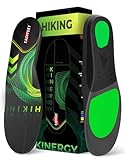
- Hiking Insoles for Men and Women: The arch is medium and cushioned, not stiff. They are soft enough for comfort over ten miles, but firm enough to keep your foot steady on rocks and roots. You will really notice the difference on long downhills
- Up to 56% Shock Absorption: When you carry a full pack, every step can feel heavier. Our shock layer takes in up to 56% of impact before it reaches your knees and lower back, so you stay comfortable all day
- Up to 47% Energy Return: The arch returns up to 47% of the energy you put into each step, rather than just absorbing it. It also helps take pressure off your knees when you walk downhill. By the end of a long day, your legs will feel the difference
- Dry Feet on Tough Climbs: A breathable cover and non-sweat layer pull heat and moisture away from your skin, keeping your boots drier on steep climbs and in warm weather. Wet feet cause blisters, and this helps prevent them
- Sized for Men and Women who Hike: Use the size chart to find your fit. Place your boots' insoles on top and trim around the front for an exact fit. These insoles are light enough for trail runners and tough enough for backpacking boots
North Tees and Hartlepool NHS Foundation Trust advises arranging a review if prescribed insoles seem worn and no longer work effectively, symptoms return, or you are concerned about a change in your condition. Its page was last reviewed on 13 July 2023 and lists 12 July 2026 as its review date. North Tees and Hartlepool NHS Foundation Trust: Insoles Wear and Care Information
Quick Recap
Best Value

- CUSHIONING: Premium shock absorbing material evenly cushions the length of the foot
- REBOUND: Provides energy return against solid surfaces
- DUAL DENSITY FOAM: Anatomically shaped to cushion the metatarsal bones, dual density foam provides all day comfort
Rank #4

- NEUTRAL ARCH SUPPORT: Fits the widest range of foot types, providing subtle support without discomfort
- CUSHIONING: Premium shock absorbing material evenly cushions the length of the foot
- REBOUND: Provides energy return against solid surfaces
- FULL LENGTH CUSHION: Premium shock absorbing material evenly cushions the length of the foot
- HEEL CAP: Anatomic heel cap supports consistent heel strike and alignment
Product prices and availability are accurate as of the date/time indicated and are subject to change. Any price and availability information displayed on Amazon at the time of purchase will apply.

