If floodwater is entering your home, move people and pets to safety, follow evacuation orders, and stay out of the water. Do not touch electrical equipment or enter standing water to reach a breaker. Return only after authorities say it is safe; then address utility hazards, document damage, and begin cleanup with suitable protection.
What to do while floodwater is entering
- Get people and pets away from the water. Move to a safer location and follow local emergency alerts and evacuation orders. Do not walk or drive through floodwater: it can sweep people and vehicles away and may contain sewage, chemicals, and other hazards. See the CDC floodwater safety guidance, updated Aug. 24, 2026.
- Shut off utilities only if you can do so from a dry, safe place. Turn off gas, power, or water only when controls are safely accessible. Never enter standing water to reach a breaker, and do not use wet electrical devices or operate electrical tools or appliances while standing in water. If power cannot be shut off safely, contact the utility or an electrician. The CDC reentry guidance explains these precautions.
- If you smell gas, leave immediately. Do not switch on lights or operate anything that could create a spark. Notify the gas company or emergency authorities from a safe location, and do not return until authorities say it is safe.
- Do not handle propane tanks in or near floodwater. Contact emergency authorities instead.
When and how to reenter
Wait until local authorities say the home is safe to enter. If possible, go in during daylight and use a battery-powered flashlight or lantern—not household lights, candles, or an open flame. Watch for structural damage and other hazards as you enter.
As an Amazon Associate I earn from qualifying purchases.
If the home has been closed for several days, open doors and windows and air it briefly before staying inside. Assume a flooded home that has been closed for several days may have mold; floodwater may also have contaminated it with sewage. Do not restore power yourself if there is standing water. If a breaker is accessible only by crossing water, call an electrician, and have an electrician inspect the electrical system before power is restored.
Document damage before cleanup
When it is safe and practical, contact your insurer and photograph damage to the home and belongings before cleanup. Coverage and claim deadlines depend on your policy and jurisdiction; check your own policy and follow applicable local requirements. CDC also recommends documenting damage in its guidance for returning home after a natural disaster, accessed Oct. 4, 2026.
#1 Best Overall

- Beast Series High-Performance Motor with 320 Air Watts of Power, 20kPa
- Equipped with High-Efficiency Cartridge Filter & Dust Bag for Capturing Fine Dust Particles Down to 1 Micron in Size
- 25-Feet of Cleaning Reach with Premium Kink-Resistant Hose and Power Cord
- 9 Accessories, including a Car, Utility, and Crevice Tool for Various Tasks
- Complete Vac Organization with On-Board Hose, Cord and Accessory Storage
How to clean up safely
Protect yourself and avoid contaminated items
- Wear rubber boots and protective gloves for flood cleanup. For mold cleanup, CDC recommends at least an N95 respirator, goggles, and protective gloves; choose protection suited to the task and do not enter unsafe areas. See the CDC’s guide to mold cleanup after disasters.
- Discard food that touched floodwater. Follow local instructions about drinking water. If flooding affected a private well, have the water tested before using it; clear-looking water is not proof that it is safe.
- Clean washable hard surfaces, such as floors and walls, with soap and water. Discard items that cannot be cleaned and disinfected, including wall coverings, cloth, rugs, and drywall. CDC’s flood preparation and cleanup guidance covers these steps.
Remove moisture and standing water
Dry or remove wet items within 24–48 hours where feasible to help prevent mold growth, the timeframe in CDC’s guidance on drying wet items after a storm. Open windows and doors if weather permits. Use fans and dehumidifiers to remove moisture; place fans at a window or door to blow air outward, which CDC says helps avoid spreading mold.
Only after an electrician has confirmed that electricity is safe does CDC list a wet-dry shop vacuum, water-transfer pump, or sump pump as options for removing standing water. Keep electrical equipment and cords out of water, and follow the equipment’s instructions.
Rank #2

- HEAVY-DUTY: Powerful 6.5 Peak HP provides extra power for large projects in the garage, shop and on the jobsite
- BUILT-IN BLOWER PORT: Rear blowing port on this wet dry shop vac allows for quick cleaning of leaves and grass clippings in your garage and outdoors
- OVERSIZED DRAIN: Built-in oversized drain on the wet/dry vac allows for convenient emptying of liquids
- DUAL-FLEX TECHNOLOGY: 2-1/2 in. diameter shop vacuum hose features Dual-Flex technology for 180-degree mobility at each end to resist kinking
- ACCESSORIES INCLUDED: 2-1/2 in. x 7 ft. POS-I-LOCK Dual-Flex Hose, 2 Extension Wands, Utility Nozzle, Car Nozzle, Wet Nozzle, Qwik Lock Filter and Dust Collection Bag
Use fuel-powered equipment and HVAC cautiously
Never run a gasoline-powered pump, generator, pressure washer, or other gasoline engine inside a home, basement, garage, carport, porch, or other enclosed or partly enclosed area—or within 20 feet of a door, window, or vent. Have a flooded heating, ventilation, and air-conditioning (HVAC) system checked and cleaned by a service professional experienced in mold cleanup before turning it on.
The Tool Desk
Outbyte PC Repair FREEClear out junk files and repair common Windows errorsFree Scan →Outbyte Driver Updater FREEFix the driver behind crashes, sound loss and screen glitchesFind Drivers →Decide whether a cleanup action is safe
Before using equipment or handling damaged materials, check the conditions that determine whether the work can proceed:
Rank #3

- COMPACT AND PORTABLE: Equipped with balanced top handle to clean up small messes on the go!
- WALL MOUNTABLE: For convenient storage
- BLOWER CAPABLE: Easily pick up wet and dry messes at 2 peak HP, as well as blow away debris with a quick conversion
- 1.5-GALLON* TANK: The tough polypropylene tank is constructed to last
- INTEGRATED STORAGE: Store attachments on the powerhead for easy access
- Reentry: Have authorities cleared the home for entry?
- Electricity: Can the task be done without entering water or touching unsafe electrical equipment, and has an electrician inspected the system before power restoration?
- Professional inspection: Does the task involve a flooded electrical system or HVAC equipment that needs qualified assessment?
- Materials: Can the item be cleaned and disinfected, or should it be discarded?
- Safe conditions: Are power, ventilation, and water suitable for the planned task?
If any answer points to an unresolved hazard, pause and contact the appropriate authority, utility, electrician, or experienced cleanup professional. Local emergency instructions and professional findings take precedence over general guidance.
Quick Recap
Best Value

- PORTABLE: Lightweight, 2.5-gallon wet dry shop vac offers unparalleled mobility
- IDEAL FOR SMALL MESSES: Perfect for the home, garage, cars, trucks and vans
- EASY TO STORE: Compact size, carry handle and cord wrap feature allow for easy storage
- TWO-IN-ONE CAPABILITY: Shop vacuum can be used as a blower for added versatility
- DESIGNED FOR TIGHT SPACES: 1-1/4 in. shop vacuum accessories allow for maneuverability in tight areas
Rank #4
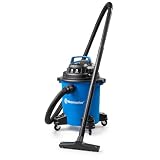
- MADE FOR: Everyday wet and dry pick-up
- POWERFUL AIRFLOW: 65 CFM easily sucks up more debris
- EXTENDED CLEANING REACH: 16-feet of cleaning reach with hose and power cord
- FEATURES: 8 accessories, including a cartridge filter for dry pick-up and a foam wet filter for wet pick-up
- COMPLETE VAC ORGANIZATION: On-board hose, cord and accessory storage
Product prices and availability are accurate as of the date/time indicated and are subject to change. Any price and availability information displayed on Amazon at the time of purchase will apply.

