Outdated Drivers Are Slowing You Down
One free scan finds every outdated or missing driver and matches the right update for your exact hardware.Free scan · exact hardware matchWindows Errors? Fix Them Before They Spread
Repair common Windows errors and clear accumulated junk for a smoother, more stable PC - no reinstall needed.Free scan · no reinstallIf you develop symptoms that could be COVID-19, stay home and away from other people, arrange testing, and watch for worsening illness. Symptoms overlap with flu and other infections, so symptoms alone cannot identify the cause. If you are at higher risk for severe disease, contact a healthcare professional promptly—even if symptoms are mild and before you have a positive test.
Start with these actions
Use this sequence as soon as symptoms begin:
- Separate from others. Stay home and avoid close contact with household members who are not sick when your symptoms are not better explained by another cause. Improve ventilation, avoid sharing food or drinks, and use a well-fitting mask around other people if you must leave your room or obtain care.
- Check how serious the illness is. Look for breathing difficulty, chest pain or pressure, confusion, unusual difficulty staying awake, or pale, gray, or blue skin, lips, or nail beds. These are emergency signs; do not wait for a test result.
- Test if you can do so without delaying care. An at-home antigen test is convenient, but a negative result can miss an infection. A molecular (NAAT/PCR) test is generally more sensitive.
- Call promptly if you have risk factors. Treatment works best when started within a short window. A clinician can assess treatment without requiring a positive test first.
- Use supportive care safely. Rest, drink enough fluid for your condition, and ask a pharmacist or clinician whether an over-the-counter fever or pain medicine is appropriate for you. Do not start prescription antivirals or unapproved products without professional advice.
Follow the public-health and medical guidance that applies where you live. Requirements for testing, isolation, travel, work, school, and access to treatment can differ by country and may change.
As an Amazon Associate I earn from qualifying purchases.
Which symptoms can indicate COVID-19?
COVID-19 can be mild, severe, or initially subtle. Possible symptoms include:
Free tools Windows power users keep installed
One-click scans. No signup required.
- fever or chills
- cough
- shortness of breath or difficulty breathing
- sore throat
- congestion or a runny nose
- new loss of taste or smell
- fatigue
- muscle or body aches
- headache
- nausea or vomiting
- diarrhea
This list is not exhaustive. Symptoms can vary with the circulating variant, vaccination status, age, and individual health. Flu and COVID-19 share many of the same symptoms, so the pattern or severity of symptoms cannot reliably distinguish them. Testing is needed when knowing the cause will affect treatment, precautions, or contact with vulnerable people.
#1 Best Overall

- FDA Authorized 15-Minute Flu A&B, COVID Test Kit: Over-the-counter flu and COVID test for home use with rapid results in just 15 minutes.
- Made for Ages 2 and Above; Parents Can Stop Guessing: Quickly identify whether you or your kids are dealing with coronavirus or influenza A & B. Adult-collection is required for those aged 2-13 years, and self-collection by individuals aged 14 years and older.
- Same Ease-of-Use; Get 3 Results in 1 Test: Utilizing the familiar 4 user-friendly steps of at-home COVID tests, you can now get all 3 results for COVID-19 and Flu A & B at once with 5 drops of sample.
- Fast and Convenient COVID and Flu Tests for Home: Use this COVID and influenza rapid test kit in the comfort of your home. Bypass the need for a doctor's visit and protect your loved ones from potential exposure to contagious illnesses at school, work, or public gatherings.
- Compact Design for On-the-Go Testing: Stay safe wherever you go with our COVID-19, Flu A & B 3-in-1 self-test. Its compact design ensures easy storage and convenient portability for your travel bag.
When symptoms may have another explanation
A runny nose, cough, tiredness, or sore throat can also result from allergies, another respiratory virus, medication effects, or a noninfectious condition. If a healthcare professional has identified a different cause and your symptoms fit it, follow that advice. If the cause is uncertain, act as though you could be contagious while arranging appropriate testing or clinical advice.
Recognize emergency warning signs
Call 911 (or your local emergency number) for:
- trouble breathing or rapidly worsening breathing
- persistent pain or pressure in the chest
- new confusion
- inability to wake or stay awake
- pale, gray, or blue lips, nail beds, or skin
Color changes can appear differently depending on skin tone. The list is not complete; any severe or rapidly worsening symptom requires urgent assessment even if it is not listed. Tell the emergency operator that the person has, or may have, COVID-19. If you are going directly to an emergency facility, call ahead when possible so staff can prepare.
Do not wait for a home test
Emergency care is based on symptoms and clinical condition, not on whether an antigen test is positive. A negative result cannot safely rule out infection or another dangerous illness when someone is struggling to breathe, confused, difficult to wake, or showing abnormal skin color.
Do these 3 things before closing this tab:
1Repair Windows errors before they cause bigger problems2Fix the driver behind crashes, sound loss and screen glitches3Clear out junk files and repair common Windows errorsShould you test when you have symptoms?
Usually, yes—provided testing does not delay urgent medical care. A result can help identify the cause, guide treatment decisions, and inform steps to reduce spread. For people with symptoms in whom flu, COVID-19, or both are suspected, clinicians may prefer a molecular test when the result can support timely treatment.
Rank #2
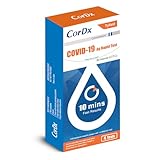
- Fast Results in 10 Minutes – Get reliable Covid-19 test results in as little as 10 minutes, perfect for quick checks before gatherings or travel.
- Easy to Use, No Lab Needed – Simple step-by-step instructions allow you to self-administer the test at home with no need for professional assistance.
- Detects All Major Variants – Effectively identifies all known Covid-19 variants, giving you confidence in the test’s ability to track evolving strains.
- Compact and Travel-Friendly – Conveniently sized for travel, this kit allows you to test anywhere, giving you the flexibility to stay safe on the go.
- Only 5 turns per nostril —why bother with 10? Get quick and reliable results with less effort, making testing easier for the whole family, Our Covid-19 test kit for home works for individuals ages 2+.
| Test type | What it detects | Speed and sensitivity | How to interpret a negative result |
|---|---|---|---|
| Antigen self-test | Viral proteins | Often available at home; results typically take about 15–30 minutes, although timing varies by product and service. Generally less sensitive than a molecular test. | Does not rule out COVID-19. Infection may be present despite a negative result. |
| Molecular test (NAAT/PCR) | Viral genetic material | Usually more sensitive than antigen testing; collection and laboratory turnaround vary. | A negative result lowers the likelihood of infection but must be interpreted with symptoms, exposure, timing, and clinical advice. |
The 15–30-minute figure is the typical antigen-test result time cited by the U.S. Centers for Disease Control and Prevention (CDC), not a guarantee for every product. Read the test instructions exactly, check the expiration information supplied for that test, and use the correct specimen type and reading time.
When a molecular test is especially useful
A molecular test can be important when symptoms are convincing but an antigen test is negative, when treatment decisions are time-sensitive, or when a clinician needs better evidence to distinguish COVID-19 from flu. Availability differs by location. Ask a healthcare provider, pharmacy, testing site, or health department which option can return a useful result quickly.
What if your COVID-19 test is negative?
Do not treat one negative antigen result as proof that you are not infected. Antigen tests can miss infection, particularly early in illness or when the amount of virus is low. Continue to stay away from others while you are symptomatic, and contact a healthcare professional if symptoms persist, worsen, or are concerning.
The Tool Desk
Outbyte PC Repair FREEClear out junk files and repair common Windows errorsFree Scan →Outbyte Driver Updater FREEScan for outdated or missing drivers - takes under a minuteDriver Scan →Ask whether a molecular test is appropriate. A clinician may also evaluate flu or another cause and decide whether additional testing is needed. If you are at high risk for severe COVID-19, do not wait for a repeat or laboratory result before discussing treatment: CDC guidance says a positive test is not required for a high-risk person to seek that assessment.
Rank #3

- FDA Authorized 15-Minute Self-Test: The test is a 15-minute self-test to detect whether or not an individual has COVID-19. The test can be completed in the comfort of your own home without the need to ship your sample to a lab.
- Easy to Use with Zero Discomfort: Test can be done by inserting 1/2 to 3/4 inch of a simple non-invasive nasal swab. Step-by-step instructional videos are available in our app (Installation of app is optional).
- For Ages 2 and Above : The self-administered test is recommended for individuals aged 15 years and older. Adult-collection is required for testing children 2-14 years old.
- Manage Group Testing Via Mobile App: The iHealth Test app allows the administrator of a small group to monitor and track the group members’ test results as needed at school, work or an event.
- Independently-sealed packaging ensures safe and hygienic testing. The swabs and test cards of iHealth COVID-19 Antigen Rapid Test are sealed and independently packaged to ensure the safety and hygiene of the product.
When to contact a doctor about treatment
Contact a healthcare provider promptly if you may be at higher risk of severe illness, even when symptoms are mild. COVID-19 treatment has a narrow start window, so waiting several days to see whether symptoms improve can remove useful options.
Factors that can increase risk
- Age: risk rises substantially above 65 and is particularly high at 75 and older. Age is the strongest single risk factor, but the exact risk depends on the whole clinical picture.
- Vaccination status: being not up to date with COVID-19 vaccination is associated with higher risk.
- Medical conditions: chronic lung disease, heart disease, weakened immunity, and other conditions can increase risk. Your clinician should make an individualized assessment rather than relying on one factor alone.
Timing and treatment examples
CDC public guidance says treatment must begin within five to seven days of symptom onset, depending on the medicine. Its examples include starting the oral antiviral Paxlovid within five days and intravenous remdesivir within seven days. These are prescription treatments, not self-care products, and the time limits are initiation deadlines—not a reason to wait.
Paxlovid can interact with other medicines and may not be suitable for everyone. Give the prescriber or pharmacist a complete list of prescription medicines, over-the-counter products, and supplements, along with kidney, liver, pregnancy, and other relevant health information. Do not stop a regular medicine on your own to make an antiviral possible.
How to seek an assessment quickly
- Write down when symptoms started, or when you first noticed a change if the onset was gradual.
- List your medical conditions, vaccination status, medicines, allergies, and recent test results.
- Call your primary-care practice, urgent-care service, telehealth provider, pharmacy, or local health service and state that you may have COVID-19 and could be in a treatment window.
- Ask what testing and treatment access is available locally. The appropriate route may be a clinic, pharmacy, or public-health service.
If you cannot reach your usual clinician, use an urgent-care service or another local medical access point. Emergency symptoms belong in emergency care, not a routine appointment queue.
Rank #4

- # 1 At-Home COVID Test Supplier: Trusted by millions of families, with over 1 billion tests delivered nationwide through the federal government’s free COVID-19 test program during pandemic.
- FDA 510(k) Cleared 15-Minute Self-Test: The test is FDA 510(k) cleared and can be used as a 15-minute self-test to detect whether or not an individual has COVID-19. The test can be completed in the comfort of your own home without the need to ship your sample to a lab.
- Detects Multiple COVID-19 Variants: The test is designed to detect multiple COVID-19 variants, helping you stay informed even as the virus evolves.
- Easy to Use with Minimal Discomfort: The test can be done by inserting 1/2 to 3/4 inch of a simple non-invasive nasal swab. Step-by-step instructional videos are available in our app (Installation of the app is optional).
- For Ages 2 and Above: The self-administered test is recommended for individuals aged 15 years and older. Adult-collection is required for testing children 2-14 years old.
Managing mild symptoms at home
Most people with mild illness can recover at home with monitoring and supportive care. Rest as needed, drink fluids if your health permits, and eat what you can tolerate. Over-the-counter acetaminophen or ibuprofen are examples CDC lists for symptom relief, but suitability depends on age, pregnancy, kidney or liver disease, ulcers, anticoagulants, allergies, and other medicines. Follow the product label and ask a clinician or pharmacist for individualized advice; this guide does not provide dosing.
Monitor for a change in condition
- Check whether breathing is becoming harder or activities that were easy are suddenly exhausting.
- Notice new chest pain or pressure, confusion, or unusual sleepiness.
- Keep track of whether fever, dehydration, vomiting, or diarrhea is preventing you from drinking.
- Seek medical advice for severe or concerning symptoms even when they are not on the emergency-warning list.
Do not use unapproved products marketed as COVID-19 treatments or preventives. CDC has reported serious harm from some such products, and a product sold online or without a prescription is not automatically safe or effective.
Reduce the chance of spreading infection
Stay home and away from other people while symptoms are not better explained by another cause. Avoid close contact with household members who are not sick, particularly anyone older or medically vulnerable. If you must share indoor space, improve ventilation, keep as much distance as practical, and wear a well-fitting mask according to local guidance.
Quick wins for a faster PC:
Repair Windows errors before they cause bigger problemsFix Now →Scan for outdated or missing drivers - takes under a minuteDriver Scan →Clear out junk files and repair common Windows errorsFree Scan →Arrange contactless delivery or ask someone else to collect medicines and food when possible. Tell a clinic or testing site about your symptoms before arriving. Follow local instructions for returning to work, school, travel, or group activities; those rules can differ by jurisdiction and situation.
Best Value

- COVID TEST KITS: 4 BinaxNOW COVID-19 Rapid Test Kits includes 4 foam-tipped swabs, 4 test cards, and 4 dropper bottles with simple instructions
- HSA/FSA ELIGIBLE: Abbott’s BinaxNOW at-home COVID test kits are HSA/FSA eligible
- TRUSTED TECHNOLOGY: FDA authorized BinaxNOW COVID tests utilize the same technology doctors use to test for COVID-19; BinaxNOW rapid COVID tests detect multiple COVID-19 variants*
- FAST COVID-19 TEST RESULTS: Each COVID rapid test provides fast, reliable results in just 15 minutes—no appointment required
- FOR AGES 2 and ABOVE: COVID-19 tests are suitable for kids when administered by an adult; ages 15 and older are able to self-administer COVID home tests with easy-to-follow instructions
What is COVID-19 rebound?
Rebound means symptoms return or a new positive test appears three to seven days after initial recovery or a negative test. It can occur with or without antiviral treatment and is usually mild, but it can still be contagious.
If rebound occurs, contact a healthcare provider for advice and stay away from others again to reduce transmission, following current local guidance. Seek urgent care for any emergency warning sign or significant deterioration. A rebound episode does not mean you should start, stop, or repeat prescription treatment without clinical direction.
A practical decision path
- Emergency symptoms? Call 911 or your local emergency number immediately and mention possible COVID-19.
- No emergency symptoms, but possible infection? Stay home, limit contact, and arrange an antigen or molecular test.
- Antigen test negative but symptoms continue? Treat the result as inconclusive, ask about molecular testing, and continue precautions while seeking advice.
- Higher risk for severe illness? Call a healthcare professional promptly; do not wait for a positive test.
- Mild illness and no high-risk factors? Use supportive care, monitor for worsening, and seek advice for severe or concerning changes.
Testing can help determine what to do next, including whether treatment could reduce the risk of severe illness and which steps can lower the chance of spreading the virus. It is one part of the decision; breathing, alertness, medical history, and timing matter just as much.
Quick Recap
Product prices and availability are accurate as of the date/time indicated and are subject to change. Any price and availability information displayed on Amazon at the time of purchase will apply.

