Crashes, No Sound, or Screen Glitches?
Random freezes, missing sound and display glitches usually trace back to one bad driver. Find and replace yours safely.Free scan · under a minuteWindows Errors? Fix Them Before They Spread
Repair common Windows errors and clear accumulated junk for a smoother, more stable PC - no reinstall needed.Free scan · no reinstallPeas, fava beans, lentils, vetch, clover and alfalfa can often obtain their nitrogen without synthetic nitrogen fertilizer when compatible rhizobia colonize their roots and form effective nodules. That does not make them self-sufficient in every nutrient, and it does not mean every legume fixes enough nitrogen for every crop or soil.
“Without synthetic fertilizer” is therefore a narrower claim than it sounds. Biological fixation can replace some or all purchased nitrogen in suitable situations, but soil pH, moisture, phosphorus, potassium, sulfur, micronutrients, inoculation, crop history and local climate still determine whether the crop performs well.
As an Amazon Associate I earn from qualifying purchases.
How nitrogen fixation works
Legumes do not take useful atmospheric nitrogen directly through their leaves. They depend on a symbiosis with bacteria called rhizobia. When the correct bacteria infect young roots, the plant forms nodules. Inside those nodules, the bacteria convert atmospheric nitrogen (N2) into forms the plant can use. The plant supplies the bacteria with energy from photosynthesis.
The Tool Desk
Outbyte Driver Updater FREEFix the driver behind crashes, sound loss and screen glitchesFind Drivers →Outbyte PC Repair FREERepair Windows errors before they cause bigger problemsFix Now →A legume seed can germinate without an inoculant, yet still fail to fix meaningful nitrogen if the appropriate rhizobia are absent, damaged or suppressed. Nodules also need suitable soil conditions. A crop name by itself is not proof that enough nitrogen will be fixed.
#1 Best Overall

- Inoculant attaches to the roots to produce Free Nitrogen for the Plant
- Covers up to 8 lbs of pea or bean seed.
- NON-GMO
- Made in the USA
The USDA Natural Resources Conservation Service summarizes the practical rule in TN Plant Materials No. 11: “Legumes – When seed is properly inoculated, legumes can fix nitrogen from N2 in the atmosphere and therefore need little or no additional nitrogen from fertilizer.” The same document cautions that legumes still require substantial phosphorus, potassium and sulfur when those nutrients are deficient.
Which crops can fix nitrogen?
The crops below are documented examples, but their performance depends on compatible rhizobia, soil conditions and regional management. “Reliable” describes the guidance for the cited growing context, not a universal ranking of all legumes.
| Crop | Can form a rhizobial symbiosis? | What the cited guidance says about nitrogen | Important conditions |
|---|---|---|---|
| Alfalfa | Yes | Effective nodules generally remove the need for nitrogen fertilizer; nitrogen fertilizer is not recommended for well-nodulated legume forage. | Low pH can reduce nodulation and fixation. Fresh inoculation may matter, depending on field history. |
| Peas | Yes | Supplemental nitrogen is not required in most cases when pea rhizobia fix atmospheric nitrogen. | Inoculation is advised in specified situations, including when peas have not been grown in the rotation during the previous three years. pH, phosphorus, iron, sulfur and molybdenum affect management. |
| Fava beans | Yes | Can obtain nitrogen through compatible rhizobia when nodulation develops. | Regional guidance recommends the appropriate inoculant where the correct strain may be missing; abundant mineral nitrogen can inhibit the relationship. |
| Lentils | Yes | Can fix atmospheric nitrogen with compatible bacteria. | Use crop-specific inoculation guidance, especially where lentils are new or the soil has little history with them. |
| Vetch | Yes | Western Oregon guidance says fixation should meet the nitrogen needs of annual vetch in that setting. | Fertilizer nitrogen can depress symbiotic fixation. Lime and other fertilizer decisions should follow a soil test. |
| Field peas | Yes | Western Oregon guidance says fixation should meet nitrogen needs in the cited annual-legume systems. | Rates and thresholds in that guide are regional, not universal recommendations. |
| Crimson clover | Yes | Fixation should meet the crop’s nitrogen needs in the western Oregon guide. | Excess fertilizer nitrogen suppresses fixation; soil-test-based lime and nutrient management remain necessary. |
| Snap beans | Yes, but inefficiently | They can form a nitrogen-fixing relationship, but nodulation may not supply their entire nitrogen requirement. | Do not assume that a snap-bean crop can always go without supplemental nitrogen. |
The evidence does not support a universal list of legumes that will produce a full crop without any fertilizer or soil amendment. It supports replacing synthetic nitrogen in some well-nodulated systems.
What’s actually slowing this PC down?
Pick the symptom - the matching free tool is one click away.
What determines whether fixation succeeds?
Compatible bacteria
Different legumes require compatible rhizobial strains. Bacteria that nodulate one crop may not effectively nodulate another. Inoculation is most useful when the crop is new to a field or rotation, when the correct strain may be scarce, or when previous nodulation was poor. OSU guidance for peas, for example, identifies a three-year break from peas as a situation in which inoculation is advised.
Rank #2

- EASY TO USE 🌱 Just coat your seeds and plant!
- POWERFUL MICROBIAL COMBINATION 🌱 Our Micronoc Seed Inoculant contains a carefully curated blend of nitrogen-fixing bacteria, phosphate solubilizers, and beneficial fungi. This dynamic combination creates a balanced and thriving soil ecosystem, giving your crops the perfect foundation for growth.
- ENHANCED NUTRIENT AVAILABILITY 🌱 By introducing nitrogen-fixing bacteria to your seeds, Micronoc Seed Inoculant unlocks a sustainable source of plant-usable nitrogen. This promotes robust root development, lush foliage, and overall plant vigor.
- Benefits for Seedlings 🌱 Enhances root development and nutrient uptake, boosts seedling vigor and resilience against stress.
- MICRONOC SEED INOCULANT 🌱 Is the perfect choice for all your planting seeds, from house plants to home gardens to field crops; it is compatible with all types of planting seeds.
Inoculants contain living organisms. Heat and sunlight can damage them, and they have a limited shelf life. Store and apply them exactly as the product label directs, and select an inoculant intended for the specific legume. Inoculation improves the odds of nodulation; it does not override unsuitable pH, drought, nutrient deficiency or excess soil nitrate.
Soil pH
Strongly acidic soil can restrict rhizobial survival, nodule formation and nitrogen fixation. The target pH is crop- and region-specific, so do not apply a blanket “legume pH” number. Test the soil and use a local extension recommendation for lime. Alfalfa is particularly sensitive to conditions that reduce nodulation, while pea guidance also treats pH as a central management factor.
Moisture and seedbed conditions
Moisture is needed for inoculation, germination and nodulation. A dry seedbed can undermine establishment even when the inoculant and seed are otherwise suitable. The USDA NRCS inoculant guidance specifically warns that moisture conditions affect successful nodulation. If irrigation is unavailable, time planting for reliable moisture and avoid exposing treated seed to drying conditions.
Soil nitrate and nitrogen fertilizer
High mineral nitrogen in the soil can prevent or delay the symbiosis because the plant has less incentive to support nitrogen-fixing bacteria. Applying nitrogen fertilizer can therefore reduce fixation. That is why western Oregon guidance for crimson clover, vetch and field peas warns against routine fertilizer nitrogen.
Rank #3
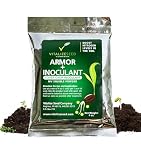
- 🌱ALL-NATURAL SEED INOCULANT: Seed Armor+ provides comprehensive, broad-spectrum coverage for all legumes, ensuring optimal nitrogen fixation and nutrient uptake. This all-natural inoculant eliminates the need for multiple products, making it easier to manage your crops. A single bag treats 1 acre of seed.
- 🌱 ENHANCED GERMINATION & ROOT DEVELOPMENT: Seed Armor+ is formulated with a humic-based addition that promotes faster seed germination and stronger root establishment. This powerful blend helps plants get a head start in any soil condition, ensuring they thrive from the beginning.
- 🌱 SOIL CONDITIONING FOR SEEDLINGS: The humic base of Seed Armor+ improves soil structure around young plants, holding essential nutrients close to the roots. This ensures your seedlings have the best possible environment to grow strong and healthy.
- 🌱 UNIVERSAL COMPATIABILITY: Seed Armor+ can be used with any seed on the market, making it a versatile solution for all your planting needs. Whether you are growing legumes or cover crops, this product provides the protection and nutrient support your seeds need to succeed.
- 🌱 NATURE'S INSURANCE POLICY: Acting as an insurance policy, Seed Armor+ ensures the right microbial activity in the soil, maximizing plant health and productivity. It helps protect your seeds from unfavorable conditions while promoting vigorous growth and development.
This is not an absolute ban on every starter application. Some crop-specific programs may call for a small amount under particular conditions. Follow the local crop guide and soil test rather than converting a general principle into a universal rate or prohibition.
What nitrogen-fixing crops still need
Phosphorus, potassium and sulfur
Fixation supplies nitrogen, not phosphorus, potassium or sulfur. Legumes can remove substantial amounts of these nutrients, and deficiency can limit growth even when nodules are active. USDA NRCS notes that legumes require relatively large amounts of all three and respond to additions when soil tests show a deficiency.
Apply only the nutrients indicated by a soil test and a locally calibrated recommendation. A field that needs phosphorus is not automatically short of potassium, and a sulfur response cannot be assumed from the crop name alone.
Quick wins for a faster PC:
Repair Windows errors before they cause bigger problemsFix Now →Scan for outdated or missing drivers - takes under a minuteDriver Scan →Clear out junk files and repair common Windows errorsFree Scan →Micronutrients
Some crop guides discuss iron, molybdenum, boron and other micronutrients in relation to nodulation or crop development. These are not universal prescriptions. Micronutrient needs and safe application rates depend on soil chemistry, crop, geography and product formulation; blanket applications can be ineffective or harmful.
Rank #4

- Natural Nitrogen Boost: Nature’s Aid introduces live nitrogen-fixing bacteria directly into your soil, enhancing its ability to support robust plant growth. By improving the nitrogen cycle naturally, this inoculant reduces the need for synthetic fertilizers while promoting healthy root development and vigorous foliage.
- Ideal for Legume Crops: Specially formulated for beans (excluding soybeans), peas, lima beans, and vetch, this soil inoculant creates an optimal environment for legumes to thrive. The inclusion of bradyrhizobium sp., rhizobium leguminosarum, and R. phaseoli supports efficient nutrient uptake and higher yields.
- Granular Format for Easy Application: No need for messy liquid fertilizers—Nature’s Aid comes in a convenient, dry granular form that’s easy to apply. Simply sprinkle it directly into the soil during sowing to activate its soil-enhancing benefits right from the start of the growing season.
- Improves Soil Health Over Time: Unlike liquid feeds that nourish only the plant, Nature’s Aid enhances long-term soil quality. It fosters a thriving microbiome beneath the surface, which continues to support plant health and fertility well beyond a single growing cycle.
- High Coverage, Cost-Effective Solution: Each 8.7 oz can treats up to 150 feet of row, providing excellent value for home gardeners with small to mid-sized plots. With minimal effort and no need for repeated applications, it’s an efficient way to build a healthier, more productive vegetable garden.
Suitable soil structure and water
Compaction, poor drainage and drought can reduce root growth and nodule activity. A legume that receives adequate minerals but cannot maintain healthy roots may still show weak fixation. Improve drainage or compaction where practical, and manage irrigation around establishment and periods of high demand.
How to decide whether you can omit synthetic nitrogen
- Identify the exact crop and use. A forage stand of alfalfa, a pea crop and a snap-bean harvest do not have the same nitrogen behavior. Check the crop-specific regional guide first.
- Test the soil. Request pH and available phosphorus, potassium and sulfur at minimum; include other tests recommended for the crop and region. Use a local laboratory or extension service when a home kit cannot interpret results adequately.
- Review field history. Note whether the same legume or a compatible host has grown recently, whether nodulation was observed, and whether the soil has received heavy nitrogen applications.
- Choose the correct inoculant when warranted. Match the product to the legume, check its expiry or freshness information, protect it from heat and sunlight, and follow the label’s seed-treatment instructions.
- Correct pH and non-nitrogen deficiencies. Apply lime, phosphorus, potassium, sulfur or micronutrients only at locally recommended rates based on test results.
- Plant into adequate moisture. Protect inoculated seed and avoid conditions that dry the seedbed during establishment.
- Inspect roots rather than judging by crop name. Carefully dig plants during early growth and look for healthy nodules. Color and activity can vary with plant age, so use local diagnostic guidance if nodulation is uncertain.
- Reassess nitrogen only when evidence supports it. If nodulation is poor, growth is weak and local recommendations identify a nitrogen need, determine the cause before applying fertilizer. Excess nitrogen can further suppress fixation.
Crop-specific management notes
Alfalfa
OSU’s alfalfa fertility guidance says nitrogen fertilizer is not needed or recommended for legume forage with effective nodules. Fresh inoculation may be important when field history does not indicate a reliable rhizobial population. Low pH can reduce both nodulation and fixation, so liming decisions should be based on soil testing and local recommendations.
Peas
Most pea crops do not need supplemental nitrogen when the appropriate rhizobia are fixing atmospheric nitrogen. Inoculate when peas have not been in the rotation for the previous three years or when the presence of effective bacteria is uncertain. The Inland Northwest guide also identifies water, pH, phosphorus, iron, sulfur and molybdenum as relevant management factors. Those recommendations apply to that region, not automatically to every climate.
Fava beans, lentils and vetch
OSU’s cool-season vegetable guidance for western Oregon identifies compatible inoculants for fava beans, lentils, peas and vetch. Abundant mineral nitrogen or a shortage of the correct rhizobial strain can stop the symbiosis from developing. Treat inoculation as a crop- and field-history decision, not a guarantee.
Best Value
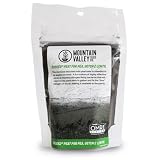
- 🌱 ORGANIC LEGUME INOCULANT – OMRI Certified Organic Exceed inoculant for peas, vetch, lentils, fava beans, broad beans, and compatible legume seeds.
- 🧬 RHIZOBIUM FORMULATION – Contains Rhizobium leguminosarum associated with root nodule formation in compatible pea, vetch, and lentil legumes.
- ⚖️ TREATS UP TO 20 LB OF SEED – The 1 oz package treats approximately 20 lb of seed at the recommended application rate of 0.05 oz per pound.
- 🌿 BIOLOGICAL NITROGEN FIXATION – Supports the establishment of compatible rhizobia associated with root nodulation and biological nitrogen fixation.
- 💧 EASY SEED APPLICATION – Lightly moisten seeds and mix thoroughly with inoculant, or apply dry by evenly coating the seeds. Plant treated seeds within 12 hours.
Crimson clover, vetch and field peas
For western Oregon annual legumes, OSU says fixation should meet nitrogen needs and warns that fertilizer nitrogen depresses fixation. Lime and other fertilizer inputs should be determined by soil tests. Do not transfer rates from this guide to another region without local confirmation.
Snap beans
Snap beans are the important exception in this group. They can nodulate, but OSU describes them as inefficient fixers whose nodules may not supply the crop’s entire nitrogen requirement. A soil test and local snap-bean guide should determine whether a supplemental nitrogen program is appropriate.
Common mistakes and how to correct them
- “Every legume needs an inoculant.” Not necessarily. A compatible, effective rhizobial population may already be present. Inoculation is most valuable when field history or regional guidance indicates uncertainty.
- “Any inoculant will work.” No. Use the strain intended for the crop and protect the living product during storage and application.
- “No nitrogen means no fertilizer of any kind.” Fixation replaces a nitrogen source, not phosphorus, potassium, sulfur or every micronutrient. Soil tests determine whether those inputs are needed.
- “More nitrogen will help a struggling legume.” High nitrate can suppress nodulation. Diagnose pH, moisture, root health and inoculation before adding nitrogen.
- “A regional rate is universal.” The cited OSU guides are for western Oregon or the Inland Northwest. Soil, rainfall, varieties and recommendations differ elsewhere.
- “Green leaves prove fixation.” Plant color alone cannot confirm effective nodules. Root inspection and crop-specific diagnostics are more useful.
What “without synthetic fertilizer” should mean in practice
If your goal is to avoid synthetic nitrogen, a well-inoculated pea, fava bean, lentil, vetch, clover or alfalfa crop may be able to obtain its nitrogen biologically. You still need a fertility plan covering pH, phosphorus, potassium, sulfur, water and any documented micronutrient issue. If your goal is to avoid all synthetic fertilizer and amendments, the evidence here is insufficient to promise productive growth: fixation does not replace those other inputs.
Free tools Windows power users keep installed
One-click scans. No signup required.
The safest decision is crop-specific and field-specific. Start with a soil test, confirm the correct rhizobial partner, use regional recommendations, and treat snap beans and other inefficient fixers differently from crops for which local guidance says fixation normally meets nitrogen demand.
Quick Recap
Product prices and availability are accurate as of the date/time indicated and are subject to change. Any price and availability information displayed on Amazon at the time of purchase will apply.

