Foundry coke is used mainly in cupola furnaces to melt scrap or pig iron into molten iron for casting. It provides heat as it burns and contributes carbon to the melt. “Metallurgical coke” is a broader category, so the useful comparison is between foundry coke and blast-furnace coke: they serve different furnaces and are selected for different operating conditions.
What is foundry coke used for?
Foundry coke is a large-lump grade of coke used chiefly in cupola furnaces, where it helps melt scrap iron or pig iron with other charge materials. The molten iron can then be poured into molds to make cast products such as automobile engines, pipe and fittings, and municipal castings. The USITC describes foundry coke as a cupola-furnace material that serves as both fuel and a carbon source: USITC, Foundry Coke from China — Staff Report (2023).
As an Amazon Associate I earn from qualifying purchases.
Its two roles in a cupola
- Heat: Combustion of the coke supplies heat needed to melt the metallic charge.
- Carbon: Carbon from the coke contributes to the chemistry of the molten iron.
This describes cupola use specifically; it does not mean every foundry uses coke or that foundry coke is used in every type of metal-casting furnace.
Quick wins for a faster PC:
Scan for outdated or missing drivers - takes under a minuteDriver Scan →Clear out junk files and repair common Windows errorsFree Scan →Fix the driver behind crashes, sound loss and screen glitchesFind Drivers →What does “metallurgical coke” mean?
“Metallurgical coke” can refer broadly to coke used in metallurgical furnaces, rather than to one single grade with one universal specification. The USITC identifies foundry coke, blast-furnace coke, and industrial coke (including coke breeze) among its subgroups; these differ in physical form and chemical properties. IUPAC defines metallurgical coke generally as a high-strength, macroporous carbon material made by carbonizing coal or coal blends, and notes the need for strength under blast-furnace loads: IUPAC Gold Book, “metallurgical coke” (online version 5.0.0, 2025).
#1 Best Overall
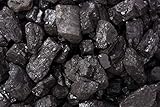
- 25lbs of Bituminous Coal.
- Coal can be used in model railroading, stoves, forges and foundrys as well as landscaping.
- Also great for use as a gag gift at Christmas time.
- Packaged in a sturdy 12in x 12in x 6in box for secure storage and handling.
- High BTU nugget-size coal ideal for a consistent, long-lasting burn in stoves and forges.
Foundry coke vs. blast-furnace coke
The central difference is the furnace and the job the coke must perform there. A grade suited to one process should not be presumed suitable for the other.
| Comparison | Foundry coke | Blast-furnace coke |
|---|---|---|
| Main furnace | Cupola furnace for melting iron charge | Ironmaking blast furnace |
| Main function | Supplies heat and carbon to the cupola melt | Acts as fuel and reductant, and helps maintain a permeable structure so gas can move through the burden |
| Size and consistency | Often supplied as larger, relatively uniform lumps; exact grades vary | Selected to suit blast-furnace operation; exact grade varies |
| Strength and handling | Must suit cupola charging and operating conditions | Must withstand the loads and handling conditions of the blast furnace |
| Chemistry | Buyers may specify ash, sulfur, fixed carbon, and other parameters for the process | Specified chemistry depends on the furnace and plant requirements |
The blast-furnace functions are described in the Ministry of Steel, Government of India glossary. These are differences in intended application, not a claim that one grade is universally better.
Rank #2

- 50lbs of Bituminous Blacksmith coal
- Crushed into 1-3" chunks (see picture)
- Direct from the manufacturer coalforsaleonline
- Can also be used in coal stoves and furnaces!
- Burns hot!
Why lump size and coke quality matter
In a cupola, lump size and consistency affect how coke behaves in the charge. Strength and resistance to abrasion matter because pieces encounter charging and furnace conditions; ash, sulfur, and other chemical properties also matter to the required melt and process. The relevant limits are set by the furnace and the buyer’s specification, not by one figure that applies to every foundry.
Recommended Free Tools
Supplier listings illustrate why a commercial range should not be treated as a universal standard. Asmet lists foundry-coke sizes of 60×130 mm, 90×250 mm, and 130×250 mm, alongside example limits for moisture, ash, volatile matter, and sulfur. The company says its published information is guidance and specifications may be modified: Asmet, “Foundry Coke”.
Rank #3

- Approximately 30 pound will be in the bucket, but not always exact.
- Shipped in a 5 Gallon Bucket
- Nut sized, bituminous coal. Washed and Screened Nut. There may be some dust in there, but does still burn even and works great.
- Whether you are a home hobbyist or a professional you simply cannot use better blacksmithing coal.
- Not all blacksmithing coal is equal. Blaschak's blacksmithing coal is low smoke, high heat with a high gas content for quick firing.
Are foundry coke and blast-furnace coke interchangeable?
Not by default. The USITC distinguishes them by end use and by physical and chemical characteristics. A coke piece’s size alone does not establish that it has the strength or other properties needed for a cupola. A European Commission decision in a specific 2000 trade investigation noted that oversized blast-furnace coke generally had lower strength and was not destined for the cupola uses considered in that case: European Commission Decision 2000/273/EC.
For a purchasing or process decision, compare the furnace’s requirements with the supplier’s current product specification and confirm suitability with the supplier. A label such as “metallurgical coke,” or a matching nominal size, is not enough to establish interchangeability.
Rank #4
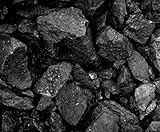
- Reliable Forge Heat: Nut-sized coal burns hot and steady, making it ideal for blacksmithing, forging, and metalworking applications where consistent temperature matters.
- Uniform Nut Size: Carefully screened nut coal promotes even airflow and predictable burn behavior, helping you maintain control in both hand-crank and blower-assisted forges.
- Low Ash, Clean Burn: Produces less ash and clinkers compared to lower-grade coal, reducing cleanup time and keeping your forge working efficiently.
- Versatile Applications: Suitable for blacksmith forges, farrier work, shop forges, and select coal-burning stoves designed for nut coal.
- Packed for Performance: Dense, high-carbon coal pieces with strong ignition and long-lasting burn time, trusted by craftsmen who work the fire daily.
Why published size cutoffs differ
Foundry-coke size thresholds in published sources are context-specific definitions, not one global standard. The USITC staff report used a definition of more than 100 mm, with at least 50 percent retained on a 100-mm sieve, for its 2023 review. The European Commission’s 2000 decision used pieces above 80 mm in the scope of its particular trade investigation. Supplier size ranges, in turn, describe commercial products rather than universal category boundaries. Follow the process specification and verify the offered grade rather than relying on a cutoff alone.
PC Slower Than It Used to Be?
A free scan shows the junk files, broken settings and background clutter dragging Windows down - then fixes them in one click.Free scan · Windows 10 & 11Outdated Drivers Are Slowing You Down
One free scan finds every outdated or missing driver and matches the right update for your exact hardware.Free scan · exact hardware matchHow large is foundry coke’s share of production?
A USITC publication issued in 2001 estimated that foundry coke accounted for 5 to 7 percent of annual U.S. metallurgical coke production, based on historical industry conditions and production data from 1995–1999. That is a historical U.S. estimate, not a current or global production share: USITC, Foundry Coke: A Review of the Industries in the United States and China (2001).
Quick Recap
Best Value
- Reliable Forge Heat: Nut-sized coal burns hot and steady, making it ideal for blacksmithing, forging, and metalworking applications where consistent temperature matters.
- Uniform Nut Size: Carefully screened nut coal promotes even airflow and predictable burn behavior, helping you maintain control in both hand-crank and blower-assisted forges.
- Low Ash, Clean Burn: Produces less ash and clinkers compared to lower-grade coal, reducing cleanup time and keeping your forge working efficiently.
- Versatile Applications: Suitable for blacksmith forges, farrier work, shop forges, and select coal-burning stoves designed for nut coal.
- Packed for Performance: Dense, high-carbon coal pieces with strong ignition and long-lasting burn time, trusted by craftsmen who work the fire daily.
Product prices and availability are accurate as of the date/time indicated and are subject to change. Any price and availability information displayed on Amazon at the time of purchase will apply.

