What’s actually slowing this PC down?
Pick the symptom - the matching free tool is one click away.
Vegetation recovery succeeds when communities first protect what is already valuable, then restore the right places with plants and management suited to local conditions. Cities can connect trees, wetlands, parks and other habitat patches; rural communities can repair degraded land and coordinate work across property boundaries. Both need a local plan, secure funding for years of care, and monitoring that shows whether native vegetation is actually recovering.
The best method depends on habitat, soils, water, climate, land tenure and local law. A planting project is only one possible intervention—and often not the first one. Begin by finding your local biodiversity or nature-recovery strategy, identify the pressures limiting recovery, and obtain specialist advice before work in wetlands, streams, protected areas or threatened-species habitat.
As an Amazon Associate I earn from qualifying purchases.
Start with a local recovery map, not a planting list
Vegetation recovery is most effective when individual projects contribute to a landscape pattern. Map existing native vegetation, wetlands, waterways, mature trees and other semi-natural patches before choosing a site. Mark degraded areas, barriers between habitat patches, erosion sources, invasive-weed infestations and places where restoration could expand or connect valuable habitat.
Look for a local biodiversity strategy, habitat plan, open-space plan or equivalent. England’s Local Nature Recovery Strategies (LNRS) illustrate a useful planning model: they identify local issues, possible actions and proposed locations through work with partner organizations and communities. LNRS proposals are not legally binding, and the framework is specific to England; elsewhere, use the equivalent plan from your environmental or planning authority.
#1 Best Overall

- PREMIUM WILDFLOWER SEED MIX: Contains 24 prairie wildflower varieties; High germination rate with non-GMO USA-sourced seeds; Perfect for midwest regions including Indiana, Missouri, Michigan, and Pennsylvania; Creates stunning flower mix for all gardens
- THROW AND GROW SIMPLICITY: Easy planting for beginners and experts; Simply scatter seeds in prepared soil and watch your wildflower mix flourish; Includes perennial wildflowers that return year after year; Ideal for bulk coverage of large or small areas
- POLLINATOR PARADISE: Attracts bees, butterflies, and birds with nectar-rich blooms; Features Black Eyed Susan, Purple Coneflower, Cornflower, and more favorites; Creates a biodiverse habitat that supports local ecosystem; Vibrant colors throughout seasons
- CALIFORNIA POPPY, CHINESE FORGET ME NOT, CLARKIA. California Poppy, the state flower, glows in vivid orange with lacey foliage and reseeds naturally. Chinese Forget Me Not fills gardens with tender blue blooms and abundant clusters. Clarkia adds vertical color with tall spikes of coral-pink ruffled petals resembling delicate garden rosettes.
- CONTINUOUS BLOOMS ALL SEASON: Experience waves of color from spring through fall; Mix includes early bloomers like California Poppy and Blue Flax; Summer standouts include Cosmos and Coreopsis; Fall favorites like New England Aster extend the display
Coordinate with adjacent landowners, utilities, transport agencies, schools, parks departments and conservation groups. A narrow strip restored on one parcel may have little ecological value if the next parcel is cleared or heavily disturbed. Shared maps and agreed objectives let separate projects protect a continuous corridor, a wetland catchment or a network of stepping-stone habitats.
Questions to answer before approving a site
- What habitat type historically or currently belongs on the site?
- Which pressure is limiting recovery: clearing, weeds, altered water, grazing, mowing, compaction, pollution, fire or lack of seed sources?
- Does the site protect an existing high-value patch, enlarge it, or connect it to another patch?
- Who owns the land, who can enter it, and who will maintain the work?
- What approvals, safety controls and access arrangements apply?
Protect existing habitat before creating new habitat
Intact or recovering native vegetation usually contains soil structure, seed banks, fungi, insects and other relationships that are expensive to recreate. Avoiding damage is therefore a recovery action in its own right. Include existing trees, woodlands, wetlands, grasslands, shrublands and riparian vegetation in development layouts, road designs, drainage plans and public-space decisions.
Use degraded sites for new restoration where possible, while retaining mature trees, natural regeneration and undisturbed ground. Clearing a functioning patch to replace it with a uniform planting can reduce habitat quality even when the replacement looks green. Design construction exclusion zones, protect root areas, control vehicle movement and schedule unavoidable work to reduce disturbance to wildlife and soil.
Free tools Windows power users keep installed
One-click scans. No signup required.
Restoration is broader than planting. NSW Government guidance describes ecological restoration as returning native vegetation structure, composition and function. That can mean re-establishing natural water levels, reducing grazing, allowing regeneration, repairing erosion, removing competing weeds or reintroducing a missing structural layer. NSW rules are a jurisdiction-specific example, not a universal permission: requirements differ in every country and state.
Choose plants for the habitat and the future site
Use species that match the local habitat, soil, moisture, exposure, salinity, elevation and disturbance regime. A plant can be native to a country yet unsuitable for a particular catchment or ecological community. Consult local habitat lists, restoration practitioners, seed banks, botanic gardens, Indigenous knowledge holders and environmental authorities before ordering seed or stock.
Rank #2

- PREMIUM CALIFORNIA WILDFLOWER MIXTURE. Elevate your garden with Sweet Yards California Wildflower Mixture, a bulk 1-ounce packet bursting with over 7,000 native seeds. This open-pollinated and non-GMO mix is thoughtfully curated for maximum beauty and biodiversity.
- ADAPTABLE ACROSS THE US. Designed to thrive in all US regions, this wildflower seed mix has been embraced by successful gardeners nationwide. Whether you're in the East, West, North, or South, experience vibrant blooms within 2 to 3 months of planting, making it the ideal choice for versatile and stunning landscapes.
- GENETICALLY DIVERSE & POLLINATOR FRIENDLY. Sweet Yards Wildflower Mixture is open-pollinated, ensuring genetic diversity that attracts and supports various pollinators. Be it insects, birds, or natural elements like wind, our mix promotes a flourishing ecosystem in your garden.
- COLORFUL SPRING PLANTING. Immerse your outdoor space in a riot of colors with our wildflower seed mix. Perfect for spring planting, the annual species in this mix create a kaleidoscope of hues, turning your garden into a visual masterpiece. Bring the essence of California's wild beauty to your home.
- BULK BEAUTY, EASY PLANTING. With bulk seeds, easily sow the seeds of a vibrant garden. Whether you're a seasoned gardener or just starting, Sweet Yards California Wildflower Mixture is the best choice for a hassle-free, stunning floral display. Create a haven for bees, butterflies, and hummingbirds while enjoying the effortless beauty of native wildflowers.
Native vegetation is usually preferred in habitat projects and sustainable drainage systems, but context can justify exceptions—for example, a highly constrained urban site, a heritage requirement or a species that supports a specific function. The UK sustainable drainage standard also emphasizes sourcing that minimizes biosecurity risk. Verify plant health, weed-free status and provenance; do not move soil, seed or plant material that could spread pests, pathogens or invasive species.
Plan structural and genetic diversity
- Combine appropriate canopy, shrub, ground-layer, grass, sedge and wetland forms rather than installing one uniform layer.
- Use several suitable species so one pest, disease or climate extreme does not remove the whole planting.
- Favor provenance appropriate to the site and, where guidance supports it, include diversity that can cope with projected temperature or rainfall changes.
- Retain natural regeneration when it is healthy and belongs to the target habitat; infill only where a clear ecological gap remains.
Do not buy a generic native seed mix simply because its label says native. Check the listed species, local suitability, collection region, weed-seed controls and any restrictions on collecting or moving material.
Quick wins for a faster PC:
Clear out junk files and repair common Windows errorsFree Scan →Scan for outdated or missing drivers - takes under a minuteDriver Scan →What cities and towns can do
Protect and connect the urban forest
Urban vegetation includes trees in streets, parks, gardens, transport corridors and urban woodlands. Forestry Commission guidance for England treats this urban forest as infrastructure and habitat, with benefits including shade, cooling, wildlife habitat and community use. Protect mature trees and existing semi-natural patches in planning decisions before adding new plantings.
Map gaps between habitat patches and prioritize sites that can improve connectivity: stream corridors, park edges, street verges, school grounds, railway or utility margins, vacant public land and suitable private land. Connectivity does not require every site to look the same. A sequence of shaded streets, native hedges, wetland pockets and unmanaged ground can provide movement and refuge when designed as a network.
Design plantings around real urban constraints
Match species to rooting volume, overhead wires, pavements, salt, reflected heat, drought, flooding, visibility requirements and underground services. Specify soil volume and protection from compaction, not only the number of trees. Include watering, staking, mulching, pruning, pest inspection and replacement in the budget. A tree selected and planted without a care plan is an unfunded liability, not a complete recovery project.
Rank #3
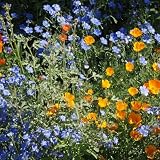
- 16 Western Native Wildflower Seeds - This premium wildflower seed mix features California Poppy, Arroyo Lupine, Palmer Penstemon, Blazing Star, Blue Flax, Tidy Tips, and more drought-tolerant native flower seeds built for sunny Western landscapes.
- Bold Color Wildflower Seeds Mix - Vivid poppies, penstemons, and lupines create a striking blend of bold brights and soft pastels with varied heights for texture and movement. This wild flower seeds mix delivers a windswept Western meadow aesthetic.
- Water-Wise Wild Flower Seeds - These native wildflower seeds thrive in full sun with well-drained soil and minimal water. Drought-tolerant flower seeds for planting outdoors that cut irrigation and fertilizer needs once established in your garden.
- Attracts Bees, Butterflies & Hummingbirds - Nectar-rich native flower seeds attract pollinators while building habitat and biodiversity. Create a vibrant outdoor pollinator garden with diverse Western wild flower seed varieties that thrive in heat.
- 100% Pure Seed No Fillers - This blend of annual, perennial, and biennial wildflower seeds contains zero inert filler. Open-pollinated native plant seeds are adapted to Western heat and seasonal rainfall patterns for reliable, long-term results.
Diversify species and age classes while retaining habitat features such as standing dead wood where public safety permits. Where safety work is necessary, ask whether a shortened trunk, retained log or habitat pile can remain instead of removing all material.
PC Slower Than It Used to Be?
A free scan shows the junk files, broken settings and background clutter dragging Windows down - then fixes them in one click.Free scan · Windows 10 & 11Outdated Drivers Are Slowing You Down
One free scan finds every outdated or missing driver and matches the right update for your exact hardware.Free scan · exact hardware matchUse drainage and public projects for multiple benefits
Sustainable drainage systems can reduce runoff while supporting biodiversity when their soils, water levels, planting and maintenance are designed for that purpose. Protect existing wetland functions first; a decorative basin is not automatically a wetland restoration. Coordinate drainage, flood, heat and habitat objectives with the responsible water and planning authorities.
Make residents partners, not unpaid substitutes for maintenance
Invite residents, schools and local organizations to help set objectives, select acceptable access arrangements and monitor outcomes. Community stewardship can improve watering, reporting and protection, but councils should still provide trained staff, tools, insurance, safe working procedures and a funded maintenance contract. Agree how complaints about appearance, access or safety will be handled before work starts.
What rural communities and land managers can do
Work across property boundaries
Coordinate with neighboring farms, forestry operators, councils, water managers and conservation groups to identify connected habitat priorities. A riparian buffer, shelterbelt, wet meadow or woodland extension often performs better when its width, species and management continue across boundaries. Written agreements can clarify grazing exclusions, access, weed control, fire planning and responsibility for failed plants.
Restore degraded vegetation in stages
Diagnose the limiting pressure before disturbing the ground. If grazing prevents regeneration, temporary fencing and a grazing plan may achieve more than planting. If altered drainage is the problem, repair the hydrology before adding wetland species. If erosion is mobilizing sediment, stabilize the source and use appropriate revegetation rather than scattering seed on moving soil.
Rank #4

- 16,000 PREMIUM SEEDS: A rich blend of 16,000 true Northeastern native wildflower seeds, curated for strong germination and long-season bloom across regional climates.
- AUTHENTIC NATIVE BLEND: Includes favorites such as Black-Eyed Susan, New England Aster & more — all region-adapted for naturalized meadows and woodland borders.
- FRESH FOR 2026 SEASON: Specially packed for the 2026 growing year, ensuring vigorous establishment, cold tolerance, and reliable flowering from spring through fall.
- 1-OUNCE FRESHNESS POUCH: Seeds are sealed within a 1-ounce moisture-protected pouch for extended viability, complete with planting instructions for broad-area coverage.
- FAMILY SOWN PROMISE: Each packet includes simple planting instructions and freshness-sealed packaging. If your seeds don’t grow, we’ll refund your purchase—no questions asked!
Retain existing native regeneration and habitat trees. Restore missing layers with locally suitable plants only where natural recovery is unlikely or too slow for the ecological objective. Manage weeds in a sequence that avoids exposing bare soil, which can trigger another flush of weeds and erosion.
Manage weeds and other pressures carefully
- Identify the species and its reproductive cycle before choosing mechanical, chemical or grazing controls.
- Work from clean areas toward infested areas, clean equipment between sites and dispose of seed-bearing material safely.
- Minimize soil disturbance and schedule follow-up control; one treatment rarely ends an infestation.
- Protect desirable regeneration and waterways from drift, sediment and contaminated wash water.
- Record treatment dates, methods and follow-up results so future work improves.
Ecological thinning, burning or vegetation removal can be sensitive interventions. In NSW, environmental protection works may include restoration, wetland protection, weed control and ecological thinning under stated conditions, while ecological burning can require a plan, ecological advice and relevant approvals. Treat this as an example of why local rules and qualified advice are essential, not as a template for other jurisdictions.
Compare options before choosing an intervention
When several approaches are plausible, score each one against the same criteria. A simple written assessment prevents a visually attractive planting from displacing a higher-value protection or hydrology project.
| Decision test | What a strong option demonstrates | Warning sign |
|---|---|---|
| Ecological fit | Addresses the pressure limiting recovery and matches the target habitat’s structure and function. | Plants are selected without diagnosing why vegetation is absent. |
| Location and connectivity | Protects a valuable patch or links, enlarges or buffers a priority identified in local planning. | The site is isolated and chosen only because it is available. |
| Climate and site conditions | Species and methods tolerate soil, water, exposure and plausible future conditions. | Plant lists ignore drought, flooding, heat, salinity or rooting limits. |
| Biosecurity and provenance | Plant health, weed-seed risk and source region are documented and appropriate. | Material is bought as a generic mix with no provenance information. |
| Stewardship capacity | There is a named person or organization, a multi-year budget and measurable monitoring. | Funding covers installation but not watering, weed control or replacement. |
| Legal and community fit | Consent, access, safety, amenity and approvals are confirmed before work. | Wetland, stream, threatened-species or fire work begins on assumption. |
Build a recovery project in practical stages
- Define the outcome. State whether the goal is protecting a remnant, restoring a wetland function, connecting habitat, reducing erosion, increasing shade or recovering a particular ecological community.
- Survey the site. Record existing vegetation, soils, water movement, weeds, wildlife use, hazards, infrastructure, land tenure and seasonal changes.
- Check local requirements. Contact the environmental authority, planning authority and land manager for current species guidance, permits, protected-area rules, waterway buffers and funding programs.
- Select the least-disturbing effective method. Compare protection, natural regeneration, pressure reduction, hydrology repair, weed control and planting rather than assuming planting comes first.
- Prepare a maintenance plan. Assign watering, weed follow-up, browsing protection, pruning, access control, replacement and inspection duties for the establishment period and beyond.
- Install under suitable conditions. Use healthy, traceable plant material; protect soil and roots; avoid spreading weeds; and document what was installed and where.
- Monitor and adapt. Measure survival, regeneration, weed cover, canopy or ground-layer development, erosion, water conditions and relevant wildlife indicators at agreed intervals. Change methods when results show that the original intervention is not working.
Fund the years after installation
Recovery budgets should separate planning, site preparation, installation, establishment care, long-term management and monitoring. Seek public grants, catchment or waterway programs, council budgets, conservation agreements, farm stewardship schemes and private contributions where available. Align proposals with local recovery priorities; projects that connect plans across landowners can be easier to justify than isolated plantings.
Do these 3 things before closing this tab:
1Fix the driver behind crashes, sound loss and screen glitches2Clear out junk files and repair common Windows errors3Scan for outdated or missing drivers - takes under a minuteUse realistic survival assumptions and reserve money for replacement only after diagnosing failure. Replacing plants without fixing compaction, grazing, weeds or water stress repeats the same loss. Publish responsibilities and reporting dates so a change in staff or elected leadership does not end the project.
Best Value

- 🌼 “American Meadow Magic” Wildflower Seed Mix: Our signature PlantMe blend features 25 diverse wildflower varieties, specially curated to create a stunning, natural meadow right in your own backyard. Experience the magic of a flourishing, colorful ecosystem.
- 🌱Extra-Large, High-Yield Packet | 10,000+ Pure Seeds: This oversized packet contains 30 grams (over 1 oz) of premium seeds with no fillers. With 10,000+ live seeds, you have ample coverage for approximately 100 sq. ft., ensuring a thick, vibrant display.
- 🦋Pollinator Paradise & Easy “Throw & Grow”: Attract bees, butterflies, and hummingbirds with nectar-rich blooms. This easy-to-grow mix is perfect for all skill levels—simply scatter on prepared soil for a successful, low-maintenance wildflower meadow.
- ✅Guaranteed Freshness & High Germination Rate: We deliver the freshest with rigorously tested high germination rates. Packaged in a resealable, moisture-proof pouch to lock in freshness and viability for seasons to come.
- 🎁Complete Growing Kit in One Bag: Includes clear planting instructions and is beautifully designed for gifting. Perfect for birthdays, holidays, or to inspire a new gardener. Grow a piece of American meadow magic anywhere!
Measure recovery, not just activity
Counting trees planted records an input, not ecological recovery. Establish baseline photographs, maps and field measurements before work. Depending on the habitat, monitor native cover and recruitment, structural layers, weed abundance, soil exposure, water levels, bank stability, tree health and use by indicator species. Record weather and unusual disturbances so results are interpreted fairly.
Set thresholds that trigger action—for example, a weed rebound, excessive mortality, renewed erosion or failed hydrology. Share results with residents and neighboring landholders in accessible formats, while protecting sensitive species locations. Adaptive management is not a sign of failure; it is how projects respond to conditions that cannot be predicted perfectly.
When to obtain specialist advice or approval
Pause and consult qualified local advisers before disturbing wetlands, streams, threatened-species habitat, protected areas, culturally significant places or steep, eroding ground. Also seek advice for vegetation clearing, ecological thinning, prescribed burning, herbicide use near water and work involving unstable trees or public access.
Rules vary by jurisdiction, and an approval in one place does not establish permission elsewhere. Contact the relevant environmental and planning authorities for current requirements, obtain landowner consent, and document risk controls. Early advice can change the project design and prevent an expensive reversal after damage occurs.
Quick Recap
A shared checklist for cities and rural communities
- Have we protected existing valuable habitat before proposing creation?
- Is the site part of a locally identified connection, buffer or expansion opportunity?
- Do the proposed species and materials fit the habitat, site and biosecurity requirements?
- Have we addressed the pressure causing degradation rather than treating the symptom?
- Who owns the land and who is accountable for maintenance and monitoring?
- Are safety, access, community amenity, cultural considerations and approvals settled?
- Is there funding for follow-up work over the time recovery will take?
- What measurements will show whether structure, composition and function are improving?
Product prices and availability are accurate as of the date/time indicated and are subject to change. Any price and availability information displayed on Amazon at the time of purchase will apply.

