What’s actually slowing this PC down?
Pick the symptom - the matching free tool is one click away.
Choose a wet-dry vacuum mop if your routine messes combine crumbs, dust, spills and tracked-in dirt on compatible sealed hard floors. It vacuums debris and washes in one pass. Choose a steam mop if your priority is steam cleaning and the flooring manufacturer confirms that steam is suitable for that exact surface.
Neither label guarantees safe use on every floor or effective carpet cleaning. Check the appliance manual, the flooring maker’s care instructions, tank and solution requirements, and the model’s stated rug or carpet limits before buying.
As an Amazon Associate I earn from qualifying purchases.
Wet-dry vacuum mop and steam mop: the short answer
| Question | Wet-dry vacuum mop | Steam mop |
|---|---|---|
| Primary job | Pick up dry debris while washing hard floors with liquid | Clean with heated steam, usually through a reusable pad |
| Best recurring mess | Spills mixed with crumbs, pet hair, dust or tracked-in grime | Stuck-on residue when you specifically want steam |
| Preparation | Often handles wet and dry debris in the same pass | Usually requires sweeping or vacuuming first |
| Floor suitability | Model-specific sealed hard floors; some models list area rugs | Model-specific sealed hard floors; unsealed wood and unglazed ceramic are commonly excluded |
| Carpet claim | Varies by model; area-rug capability does not equal general carpet cleaning | Do not assume carpet is supported |
| Consumables | Clean-water and recovery tanks, brush rolls, filters and sometimes approved solution | Water tank and washable microfiber pads; some manufacturers specify pad replacement intervals |
SharkNinja UK describes the category distinction this way: “Shark’s HydroVac 3-in-1 Hard Floor Cleaners wash and vacuum your floors simultaneously – combining powerful suction with wet mopping – while Steam Mops clean using the power of steam alone.” That is a useful description of the operating difference, not a guarantee that every model has identical features.
How a wet-dry vacuum mop works
A wet-dry floor cleaner combines suction, a rotating brush or roller and a controlled water flow. The roller agitates the surface while suction pulls up loosened liquid and debris. Used correctly, one pass can collect cereal, dust, muddy footprints and a small spill instead of forcing you to sweep, mop and then dry separately.
#1 Best Overall

- EVERY PURCHASE SAVES PETS. BISSELL proudly supports BISSELL Pet Foundation and its mission to help save homeless pets.
- VACUUM AND WASH AT THE SAME TIME. BISSELL CrossWave multi-surface floor cleaner cleans better than a sponge mop and bucket, and in less time.
- MULTI-SURFACE CLEANING. Safe and effective for use on tile, sealed wood floors, laminate, linoleum, rubber floor mats, pressed wood floors, area rugs, and more.
- TWO-TANK TECHNOLOGY. Keep clean water and formula separate from dirt.
- ANTIMICROBIAL TREATED FRESHSTART FILTER. Designed to protect your filter against odors.
Separate clean and dirty water
Many models use two tanks: one for clean water and one for recovered dirty liquid. Shark’s UK material says HydroVac models use separate clean and dirty tanks. The separation limits reapplying the same dirty water, but it also means more handling after each session: fill the clean tank, empty the recovery tank, rinse parts and allow components to dry.
Cleaning solution is model-specific
Some wet-dry cleaners permit a manufacturer-approved solution. Shark states that compatible solution refills are available for HydroVac models. Do not substitute dish soap, disinfectant or a homemade mixture unless the manual explicitly permits it; excess foam can affect sensors, pumps, filters or recovery performance. If a model is water-only, treat that as a design requirement rather than an invitation to add chemicals.
What it does not automatically do
“Wet-dry” describes handling liquid and dry debris, not unlimited flood extraction, deep carpet washing or wet upholstery cleaning. A floor cleaner may be designed only for sealed hard floors. Some models list area rugs, but that is a narrower claim than cleaning wall-to-wall carpet. Follow the exact intended-use list and stop if the manufacturer excludes a material.
How a steam mop works
A steam mop heats water in an internal reservoir and sends vapor through a pad or cleaning head. The heat and moisture can soften residue so the pad lifts it from the floor. A standard steam mop does not normally collect loose crumbs or dust; those remain on the floor unless you remove them first.
Pre-sweep or vacuum first
Shark advises sweeping or vacuuming before using its standard steam mops. Skipping that step can turn loose grit into wet sludge, spread hair across the pad and increase streaking. Some combination machines add a vacuum function, but that is a special design and should not be treated as representative of ordinary steam mops.
Water-only operation is common
Shark says its steam mops use water alone and warns that chemicals or cleaning solutions, including vinegar, may damage the appliance and could be unsafe. Unless your model manual expressly approves an additive, use the specified water type and nothing else. Additives can leave residue, corrode components or create vapors that the appliance was not designed to produce.
Rank #2

- 20kPa Powerful Suction: With a powerful suction of 20 kPa, it can instantly remove debris, stains, and hair, maintaining high cleaning efficiency.
- Anti-Tangle Design: Hair is directly hooked off and sucked into the dirty water tank, preventing it from tangling around the roller brush.
- Constant Clean Brush Mopping: Constantly sprays clean water for mopping, while simultaneously scraping off dirt from the roller brush in real-time, ensuring clean water and a clean roller brush for effective cleaning.
- 180°Lay-flat Design: Effortlessly reclines to a full 180° flat position, enabling easy access under furniture and low spaces to remove hidden dust. With a mere 5.1-inch height when laid flat, it flexibly cleans the low-lying areas.
- Dual-sided Edge Cleaning: Effortlessly cleans along the baseboards, fitting snugly against the walls on both sides. It effectively reaches the edges on both the left and right sides, ensuring that no corners are overlooked or left uncleaned.
Steam is not automatically safe for every “sealed” floor
Shark identifies sealed hard floors as the intended surface for its standard steam mops, while specifically excluding unsealed wood and unglazed ceramic. It also cautions that heat and steam may remove sheen from waxed or some no-wax floors. “Sealed” is therefore not a universal guarantee: finish, joints, manufacturer warranty and installation condition matter. Consult the flooring maker’s care guide and the steam-mop manual before the first pass, and test an inconspicuous area when both documents allow steam.
Floor compatibility: check the material, finish and model
Floor care is the deciding safety issue, not the marketing category. The same appliance can be appropriate for one sealed surface and unsuitable for another because of heat, moisture, coating, adhesive or damaged seams.
Hard floors
- Sealed tile and stone: Often listed by manufacturers, but grout condition and porous sections still require care. Confirm the exact material in the floor maker’s instructions.
- Sealed wood or engineered wood: Some products may permit damp cleaning, while steam can threaten finish, joints or boards with existing wear. Use only when both manufacturers approve it.
- Laminate: Moisture tolerance differs by product and installation. A sealed top layer does not prove that steam or repeated wet cleaning is safe.
- Unsealed wood and unglazed ceramic: Shark’s standard steam-mop guidance excludes these surfaces.
- Waxed or certain no-wax finishes: Shark warns that heat and steam may remove sheen.
BISSELL’s hard-floor guide lists its steam and CrossWave product families for several sealed indoor surfaces and emphasizes consulting the flooring manufacturer. Its guide treats CrossWave HydroSteam as a CrossWave rather than as a standard steam-mop product, illustrating why the exact model matters more than a family name.
Rugs and carpet
Area-rug support is a product-specific feature. Shark’s HydroVac Reveal listing specifies area rugs, but that does not establish general carpet performance for all wet-dry cleaners. A rug may tolerate a damp roller while a thick carpet can overload the brush, retain water or require extraction equipment. Standard steam mops likewise should not be used on carpet unless the manual explicitly provides a carpet-glider or carpet-cleaning mode for that model.
Match the appliance to your usual mess
Choose a wet-dry vacuum mop for mixed debris and liquid
This category fits kitchens, entryways and dining areas where dry particles and liquid appear together. Examples include a dropped drink surrounded by crumbs, muddy footprints, pet-food spills and tracked-in grime. Because suction and washing happen together, you can often address the visible mess without a separate dry-vacuum pass.
Do these 3 things before closing this tab:
1Scan for outdated or missing drivers - takes under a minute2Repair Windows errors before they cause bigger problems3Fix the driver behind crashes, sound loss and screen glitchesChoose a steam mop when steam is the goal
A steam mop makes sense when your hard-floor routine is already handled by sweeping or vacuuming and you specifically want a heated-steam cleaning step. It can be convenient for residue that responds to heat and moisture, provided the floor maker and appliance maker both permit that use. Steam should not be selected merely because the word sounds more powerful; compatibility and technique determine whether it helps or harms.
Rank #3
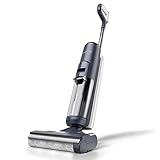
- SMART VACUUM & MOP TWO-IN-ONE – Clean wet or dry messes and tackle tough and sticky messes on hard floors with ease. Featuring Tineco’s proprietary iLoop Smart Sensor Technology, it automatically adjusts suction, water flow, and brush roller speed to clean any and all messes.
- CUTTING-EDGE CLEANING PERFORMANCE – The exclusive FLOOR ONE S5 brush roller is designed to glide closely against baseboards and clean hard-to-reach corners. Your floors become completely dry and streak-free in minutes.
- A MAJOR UPGRADE – The clean water tank is 30% larger than the last gen FLOOR ONE, allowing you to clean larger areas without interruption. The dual-tank system keeps clean and dirty water separate, so you’re always cleaning with fresh water and solution.
- EASY MAINTENANCE – Never touch a dirty roller again. The hands-free, self-cleaning function automatically flushes the inner tubing and brush roller, for fast, mess-free maintenance. The pet hair strainer makes pet hair removal quick and easy for homes with pets. The 3-in-1 docking station stores and charges the unit for utmost convenience.
- One Press Self-cleaning—The Floor ONE S5 self-cleaning cycle deep-cleans the brush roller and tubing for hands-free maintenance. After cleaning, centrifugal drying effectively removes water from the roller.
Neither category replaces every other cleaner
Loose debris in corners, heavy carpet soil, upholstery and large liquid spills may require a conventional vacuum, carpet extractor, mop, cloth or wet vacuum designed for that job. Read the capacity, maximum liquid level and prohibited materials in the manual rather than treating a floor cleaner as a universal household vacuum.
Side-by-side decision factors
| Factor | Wet-dry vacuum mop | Steam mop | What to verify |
|---|---|---|---|
| Dry debris pickup | Built into the intended workflow | Usually absent; pre-cleaning is advised | Whether the model has a dedicated vacuum mode |
| Liquid pickup | Designed for washing and recovering floor liquid within stated limits | Applies steam and leaves moisture for the pad and floor to manage | Tank capacity, recovery system and drying instructions |
| Heat | Normally washes without steam | Core cleaning mechanism | Floor finish and warranty restrictions |
| Water handling | Often separate clean and dirty tanks | Usually one clean-water reservoir and a pad | Emptying, rinsing and storage steps |
| Solution | Only formulas approved for that model | Often water only | Manual’s permitted water type and additives |
| Rug use | Only where the listing and manual name area rugs or another specific textile | Only where a carpet or rug accessory and instructions are provided | Material, pile and moisture limits |
| Independent comparison | No representative independent head-to-head test, category-wide reliability study or price comparison was established | Use manufacturer specifications, then compare exact models | |
A practical decision process
- List every floor. Write down the material and finish in each room, including rugs. Do not rely on a broad label such as “hard floor.”
- Identify the dominant mess. If spills and dry debris arrive together, start with a wet-dry cleaner. If debris is removed separately and steam is your priority, start with a steam mop.
- Check both manuals before comparing features. Confirm allowed surfaces, water type, solution, maximum liquid, rug mode and prohibited materials.
- Decide whether heat is necessary. Steam adds heat and moisture; choose it only when the floor maker permits that combination.
- Estimate upkeep. Count tank emptying, brush or roller rinsing, filter drying, pad washing and replacement costs. A device that cleans quickly but is difficult to maintain may not suit daily use.
- Confirm regional availability. US, UK and Canadian catalogs and instructions can differ. Check the manual supplied with the model sold in your country.
Using a wet-dry vacuum mop safely
- Inspect the floor. Remove loose objects, check for damaged boards or lifted edges and confirm the surface appears on the approved list.
- Prepare the tanks. Fill the clean-water tank to the marked level. Add solution only if the manual names an approved formula and dosage.
- Choose the correct mode. Use the manufacturer’s hard-floor or rug setting; do not improvise on carpet.
- Make controlled passes. Move at the recommended pace so the roller can agitate and the suction can recover liquid. Repeatedly holding the machine over one spot can leave excess moisture.
- Deal with the recovery tank immediately. Empty it after the session, rinse the tank and filter, clean the brush or roller and leave parts open to dry as directed.
- Watch for warning signs. Stop for unusual odor, persistent streaks, loss of suction, brush-roll noise or a full-tank alert. Check blockages, filter seating and tank latches before resuming.
Using a steam mop safely
- Vacuum or sweep first. Remove grit, hair and crumbs so the pad is not forced to collect dry debris.
- Confirm compatibility. Read the flooring maker’s care guidance and the steam-mop manual. Exclude unsealed wood, unglazed ceramic and any surface either source forbids.
- Fill with the specified water. Use the water type stated by the manufacturer and do not add vinegar, detergent or disinfectant unless explicitly approved.
- Attach a clean pad. A saturated or dirty pad can spread residue and increase drying time.
- Use the lowest effective steam setting. Keep the mop moving and avoid leaving a hot head stationary on one area.
- Dry and store correctly. Remove the pad, empty remaining water if instructed, rinse the pad and let washable parts dry fully before storage.
Maintenance, pads and replacement parts
Maintenance affects both cleaning results and appliance life. Wet-dry machines need attention to the recovery path: dirty-water tank, filter, brush or roller, intake and any self-cleaning cycle. A damp roller left in a closed machine can develop odor. Steam mops need clean pads, an unobstructed steam path and a reservoir that is emptied or descaled according to the manual.
Pad replacement is not universal
Shark states a three-to-four-month replacement interval with normal use for its Dirt Grip pads. That is guidance for those pads, not a universal schedule. Replace pads sooner if they no longer absorb, remain visibly soiled after washing, lose their shape or no longer attach securely. Match the exact mop model because pad dimensions, fasteners and material are not interchangeable across brands.
PC Slower Than It Used to Be?
A free scan shows the junk files, broken settings and background clutter dragging Windows down - then fixes them in one click.Free scan · Windows 10 & 11Crashes, No Sound, or Screen Glitches?
Random freezes, missing sound and display glitches usually trace back to one bad driver. Find and replace yours safely.Free scan · under a minuteSolution and filter costs
Wet-dry cleaners that use approved solution may require recurring refills. Filters, rollers and pads can also be scheduled consumables. Compare the maintenance list and replacement availability for the exact model, not just the purchase price. Steam mops generally avoid floor-cleaning solution but still require washable or replacement pads and whatever water-care procedure the manufacturer specifies.
Combination vacuum-and-steam designs
Some appliances combine functions. BISSELL lists a Vac and Steam Pet Pro that vacuums pet hair and debris while steam-cleaning, with high- and low-steam settings plus a vacuum-only function. This demonstrates that a combined design exists; it does not make the machine representative of either the standard wet-dry or standard steam-mop category.
Evaluate a combination model by checking which function can operate independently, whether debris collection works while steam is active, how much water reaches the floor, and which surfaces are approved. Combination hardware can reduce appliance count, but it may also add more parts, controls and maintenance steps.
Rank #4

- All-in-One Cordless Floor Cleaner for Every Surface:Ditch bulky tools and simplify your cleaning routine. This 3-in-1 vacuum mop combo is perfect for hard floors, including tile, vinyl, hardwood, luxury vinyl plank (LVP), laminate, and linoleum floors. Whether it's your kitchen, bathroom, apartment, or basement—this all-in-one cleaner handles it all with cordless freedom and pro-grade scrubbing
- Deep Cleaning Power for Everyday & Tough Messes: With 20000Pa suction and 450 RPM spinning, this cordless wet dry vacuum cleaner easily lifts pet hair, spilled cereal, kitchen grease, and bathroom grime from bare floors and vinyl plank. Clean up mud near the balcony or dust on wooden stairs—no need to switch tools or mop by hand
- Tangle-Free, Streak-Free Finish Even with Pets: Say goodbye to tangled pet hair and streaky floors. The dual edge scraper and curved comb prevent clogs while delivering a smooth, even finish across hardwood, tile, and vinyl. Perfect for homes with shedding pets or small children
- Self-Cleaning with 194°F High Temperature & Air Drying: No more dirty mop heads! After cleaning ceramic or concrete floors, the 194°F high temperature system melts away gunk, while hot air drying keeps the roller brush odor-free. Great for high-traffic areas like kitchens and entryways
- Low-Profile, Ultra-Lightweight, Easy to Handle: Weighing just 9 lbs, with 180° lie-flat reach and 70° swivel steering, this floor cleaner fits under couches, beds, and cabinets—ideal for compact apartments and tight stair corners. Assistant wheels and balanced weight design reduce fatigue during long cleaning session
Common mistakes and how to correct them
“Sealed” means every cleaner is safe
Why it fails: Sealants, finishes, seams and manufacturer warranties differ.
Free tools Windows power users keep installed
One-click scans. No signup required.
Correction: Match the exact floor material to both manuals and the flooring maker’s instructions. Exclude surfaces named as unsuitable.
Using a steam mop to pick up crumbs
Why it fails: Standard steam heads are not debris containers.
Correction: Vacuum or sweep first, or choose a model that explicitly includes debris pickup.
Adding vinegar or detergent to a steam reservoir
Why it fails: Shark warns that chemicals, including vinegar, may damage its steam mops and could be unsafe.
Quick wins for a faster PC:
Repair Windows errors before they cause bigger problemsFix Now →Scan for outdated or missing drivers - takes under a minuteDriver Scan →Clear out junk files and repair common Windows errorsFree Scan →Correction: Use the specified water only unless the manual clearly approves an additive.
Best Value

- Cleaning All Types of Hard Floor: Extensively tested and refined, dreame G10 wet dry vacuum mop is perfectly matched with a wide range of North American flooring, including hardwood, marble, and rare wood, but not limited to these.
- One Wet Dry Vacuum, All Cleaning Tools: With just one Wet Dry Vacuum, you get the equivalent cleaning power of brooms, vacuum cleaners, and mops—all in one. Clean your entire home with just a single tool.
- All Wet and Dry Messes, Vacuum in One Step: Designed to vacuum and mop simultaneously, this wet dry vacuum cleaner handles all types of messes in one go - from dry debris like hair, crumbs, and dust to wet spills such as drinks and sauces—making it an efficient wet dry vacuum for everyday cleaning.
- Actual Water Cleaning System: Dual water-tank design separates clean and dirty water, ensuring your floors are always cleaned with fresh water. No reusing dirty water means absolute cleanliness, easy cleaning with vacuum mop combo.
- One Press Self-Clean: Just place it back on the base and activate the self-cleaning, and this mop vacuum cleaner cleans itself—effortless and automatic. Say goodbye to the hassle of cleaning your cleaning tools!
Putting a wet-dry cleaner on any carpet
Why it fails: Area-rug support is not a general carpet guarantee.
Correction: Use textiles only when the exact listing and manual identify them, and follow the stated mode and moisture limits.
Leaving tanks, rollers or pads wet
Why it fails: Trapped moisture can create odor and reduce performance.
Recommended Free Tools
Correction: Empty, rinse and air-dry the components after each use as directed.
What the available evidence can—and cannot—tell you
Manufacturer pages provide intended surfaces, operating instructions and model features. They do not establish a category-wide winner for cleaning power, durability, bacteria reduction or value. Manufacturers sometimes publish bacteria-reduction claims, but there is no verified like-for-like independent comparison here. Treat those claims as product-specific and follow the stated test conditions rather than generalizing them to every wet-dry cleaner or steam mop.
Prices, regional catalogs and included accessories change. The most reliable comparison is the current manual and specification sheet for the exact model available where you live. US, UK and Canadian guidance can differ, so use the regional documentation supplied with your appliance.
Quick Recap
Final choice by household
- Mostly sealed hard floors, frequent spills and mixed debris: Choose a wet-dry vacuum mop, provided the exact floors are approved and you accept tank, roller and filter maintenance.
- Mostly compatible hard floors, debris handled separately and a strong preference for steam: Choose a steam mop after the flooring maker confirms steam is suitable.
- Several floor types or valuable finishes: Prioritize compatibility documentation over the appliance category. You may need different tools for different rooms.
- Rugs or carpet are central to the job: Select only a model whose manual explicitly supports the textile and its pile; neither category’s name alone is enough.
- You want one appliance to perform both jobs: Consider a combination design, but evaluate its independent modes, approved surfaces and maintenance rather than assuming it offers the full strengths of two separate machines.
Product prices and availability are accurate as of the date/time indicated and are subject to change. Any price and availability information displayed on Amazon at the time of purchase will apply.

