Free tools Windows power users keep installed
One-click scans. No signup required.
Start with Castlevania: Symphony of the Night if you can legally access it. It is the clearest introduction to Castlevania’s exploration-focused “Metroidvania” style: you explore a connected castle, gain abilities that open new routes, improve your character and return to places that were previously unreachable. If you want the easiest modern purchase, start with Castlevania: Aria of Sorrow in Castlevania Advance Collection. For a traditional sequence of discrete stages and whip combat, choose Super Castlevania IV in Castlevania Anniversary Collection.
The ranking below is for newcomers, not a claim that every longtime fan shares the same order. Format and availability matter more than release chronology: the series alternates between linear, stage-based action games and exploration-heavy games with RPG progression.
As an Amazon Associate I earn from qualifying purchases.
The 10 best Castlevania games for a first-time player
This order weighs how clearly each game teaches its format, how approachable its difficulty is, how much story knowledge it requires and how straightforward it is to play legally today. Storefronts, bundles and regional availability change, so confirm the listing for your platform before buying.
The Tool Desk
Outbyte PC Repair FREERepair Windows errors before they cause bigger problemsFix Now →Outbyte Driver Updater FREEScan for outdated or missing drivers - takes under a minuteDriver Scan →| Rank | Game | Best for | Format | Difficulty for a newcomer | Current purchase route |
|---|---|---|---|---|---|
| 1 | Castlevania: Symphony of the Night | Best overall introduction | Exploration-focused | Moderate and forgiving | Individual release or Castlevania Requiem where supported; not currently included on Nintendo platforms according to Nintendo Life |
| 2 | Castlevania: Aria of Sorrow | Best practical modern starting point | Exploration-focused | Moderate | Castlevania Advance Collection |
| 3 | Super Castlevania IV | Best classic stage-based entry | Linear stages | Moderate | Castlevania Anniversary Collection |
| 4 | Castlevania: Rondo of Blood | Best classic challenge after the basics | Linear stages with branching routes | High | Castlevania Requiem where supported |
| 5 | Castlevania: Dawn of Sorrow | Best follow-up to Aria | Exploration-focused | Moderate | Castlevania Dominus Collection |
| 6 | Castlevania: Portrait of Ruin | Best flexible Nintendo DS-era option | Exploration-focused | Moderate | Castlevania Dominus Collection |
| 7 | Castlevania: Order of Ecclesia | Best for experienced players seeking difficulty | Exploration-focused with mission-like areas | High | Castlevania Dominus Collection |
| 8 | Castlevania: Bloodlines | Best shorter Genesis-style classic | Linear stages | High | Castlevania Anniversary Collection |
| 9 | Castlevania: Circle of the Moon | Best darker, demanding GBA game | Exploration-focused | High | Castlevania Advance Collection |
| 10 | Castlevania: Belmont’s Curse | Best new 2026 option to watch | Not yet established by the available coverage | Not yet established | Check current platform listings; released October 15, 2026 |
Why Symphony of the Night is the best overall starting point
Symphony of the Night turns Dracula’s castle into one large map instead of a chain of unrelated levels. You fight through rooms, discover equipment, collect abilities and use those abilities to reach new sections. The structure teaches the central loop that later games refine: explore, find a locked path, gain the tool that opens it, then return with a stronger character and more options.
#1 Best Overall

- Classics that defined the Castlevania series.
- Includes the "History of Castlevania - Book of the Crescent Moon" ebook.
- This includes eight classic Castlevania games preserved on one disc with a full-color manual.
- The Castlevania Anniversary Collection on physical disc for the PlayStation 4. Also works on PlayStation 5. Region-free.
Its presentation also remains unusually readable for a 2D game. GameSpot’s ranking calls the 2D presentation timeless, and the game explains its systems through play rather than requiring knowledge of earlier Castlevania plots. You can enjoy the gothic setting and character drama without knowing the wider series chronology.
The main drawback is access. Nintendo Life notes that it is not currently included on Nintendo platforms, while Castlevania Requiem pairs it with Rondo of Blood on supported PlayStation storefronts. Availability is platform- and region-dependent, so do not assume a bundle appears on every current console. When the game is legally available to you, it is the most complete first sample of the exploration-focused side of Castlevania.
Why Aria of Sorrow is the safest modern purchase
Aria of Sorrow is the practical recommendation when you want the Symphony formula but need a current collection. It is included in Castlevania Advance Collection, which Nintendo Life describes as the series’ Metroidvania-style collection. The game gives you a connected map, ability-based exploration, equipment upgrades and character growth without assuming that you have played older entries.
Do these 3 things before closing this tab:
1Clear out junk files and repair common Windows errors2Scan for outdated or missing drivers - takes under a minute3Repair Windows errors before they cause bigger problemsIts defining system lets the protagonist collect enemy abilities. That makes experimentation part of normal play: different abilities change how you attack, move and solve particular encounters. You can engage with the system at your own pace rather than learning a large set of mechanics before the game becomes enjoyable.
The campaign is compact enough for a first Metroidvania, yet it has enough optional rooms and upgrades to show why the format became a defining part of Castlevania. It is also the correct first step if you intend to play Dawn of Sorrow, because that game follows it directly. You do not need to memorize the plot, but playing in that order makes the returning characters and world easier to understand.
Ranked breakdown: what each game teaches a new player
1. Castlevania: Symphony of the Night — the complete introduction
- What you learn: connected-map navigation, ability-gated exploration, equipment management and light RPG progression.
- Why it ranks first: its systems reinforce one another, so every new ability has an obvious purpose and every detour can produce a meaningful reward.
- Difficulty profile: generally more forgiving than the older stage-based games because leveling and equipment can offset mistakes.
- Best route: play it when a legitimate individual release or a supported Castlevania Requiem edition is available in your region.
Do not approach it as a straight corridor action game. The intended rhythm is to map unfamiliar rooms, notice blocked routes and return after acquiring a new movement or combat ability. If you prefer a short, fixed sequence of stages, one of the classic entries below will feel more immediately focused.
2. Castlevania: Aria of Sorrow — the modern beginner default
- What you learn: exploration, character growth, ability collection and boss preparation.
- Why it ranks second: it delivers the same broad style as Symphony while being easier to buy through a current collection.
- Difficulty profile: moderate; optional upgrades and collected abilities give you several ways to handle difficult fights.
- Best route: choose Castlevania Advance Collection if you want one purchase that also includes other GBA-era games.
The game does not require prior series knowledge. Its setting and terminology are understandable on their own, and the ability system encourages you to try different solutions instead of following a single prescribed build.
3. Super Castlevania IV — the best lesson in classic Castlevania
- What you learn: whip positioning, sub-weapon selection, enemy patterns, jump timing and checkpoint discipline.
- Why it ranks third: it communicates the linear format cleanly and provides a strong introduction to the series’ original action-game identity.
- Difficulty profile: moderate, with demanding moments that reward learning patterns rather than grinding levels.
- Best route: play it through Castlevania Anniversary Collection, Nintendo’s package aimed at introducing players to the series’ origins.
Each stage is a deliberate sequence of hazards and encounters. You are not expected to search a large map for the next objective; you advance from checkpoint to checkpoint, learn how enemies behave and use the whip’s reach and direction to control space. This makes it an excellent first game for anyone who finds Metroidvania maps intimidating.
4. Castlevania: Rondo of Blood — the classic challenge to play next
- What you learn: strict stage timing, route selection, enemy memorization and high-precision platforming.
- Why it ranks fourth: it is one of the strongest examples of the traditional format, but it expects more patience than Super Castlevania IV.
- Difficulty profile: high for a newcomer, especially when you are still adjusting to limited movement and carefully spaced jumps.
- Best route: Castlevania Requiem pairs it with Symphony of the Night where that collection is supported.
Its branching routes add replay value, but they also mean that a first attempt may not show every stage. Treat early failures as information about enemy placement and timing. Starting with Super Castlevania IV gives you the necessary whip and movement fundamentals before you tackle this harsher test.
5. Castlevania: Dawn of Sorrow — the direct sequel
- What you learn: a larger exploration map, expanded ability collection and a more elaborate version of Aria’s progression.
- Why it ranks fifth: it is an excellent game, but its strongest context comes from having played Aria of Sorrow first.
- Difficulty profile: moderate overall, with some spikes and systems that are easier to appreciate after the earlier game.
- Best route: it is included in Castlevania Dominus Collection.
If you begin here, you can still follow the action, but returning characters and the protagonist’s situation carry more weight after Aria. For a complete newcomer, buy or play Aria first and treat Dawn as the natural second stop.
Rank #2
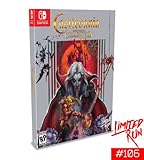
- Classic edition includes Konami-style silver box, physical game and soundtrack CD, 18 by 24" poster, and a NES-style dust sleeve to protect the game.
- Games Included in collection: Castlevania, Castlevania II Simon's Quest, Castlevania III Dracula's Curse, Super Castlevania IV, Castlevania The Adventure, Castlevania II Belmont's Revenge, Castlevania Bloodlines, and Kid Dracula.
- Box features all new art from legendary Konami cover artist Tom duBois.
6. Castlevania: Portrait of Ruin — the flexible two-character option
- What you learn: switching between complementary characters, exploring separate areas and managing a broader set of abilities.
- Why it ranks sixth: its structure is welcoming once you understand the basic Metroidvania loop, but it is less foundational than Aria.
- Difficulty profile: moderate, with flexibility created by its character-swapping design.
- Best route: it is part of Castlevania Dominus Collection.
The two-character structure changes how you approach rooms and enemies. One character may handle a situation better than the other, so switching is not merely a story feature; it is part of the game’s problem-solving language. Play it after one exploration-focused Castlevania so the extra layer feels useful rather than confusing.
7. Castlevania: Order of Ecclesia — the difficulty pick
- What you learn: demanding combat, careful resource use and exploration across distinct areas with different threats.
- Why it ranks seventh: it is a strong choice for players who want pressure, but not the gentlest first exposure to the formula.
- Difficulty profile: high. Nintendo Life specifically describes it as raising the series’ difficulty level.
- Best route: it is included in Castlevania Dominus Collection.
Choose it when you already understand how Castlevania handles movement, equipment and ability-gated paths. Expect enemies and bosses to demand more deliberate preparation than in Aria. Its challenge is a feature for experienced players, not a reason to use it as your first purchase.
8. Castlevania: Bloodlines — the shorter Genesis-style route
- What you learn: fast stage progression, arcade-influenced challenge and the importance of choosing the right tool for each encounter.
- Why it ranks eighth: it offers a focused classic campaign without asking you to commit to the length of a large exploration game.
- Difficulty profile: high by modern standards, with limited room for careless mistakes.
- Best route: it is represented in Castlevania Anniversary Collection materials.
Bloodlines is a good second classic after Super Castlevania IV. Its arcade influence makes each stage feel like a concentrated test of reactions and pattern recognition. Choose it if you want a shorter route through the series’ stage-based side and do not need extensive character progression.
9. Castlevania: Circle of the Moon — the darker, demanding GBA entry
- What you learn: map-based exploration, equipment choices and a more punishing approach to combat.
- Why it ranks ninth: it demonstrates the GBA-era formula, but its presentation and difficulty are less immediately welcoming than Aria of Sorrow.
- Difficulty profile: high for a first game, especially if you are unfamiliar with the value of defensive play and careful resource use.
- Best route: it is included in Castlevania Advance Collection.
Pick it when you specifically want a moodier, tougher handheld-style adventure. If you are undecided between the GBA games, start with Aria; return to Circle of the Moon once the exploration loop and combat expectations are familiar.
10. Castlevania: Belmont’s Curse — a new 2026 option
- Release timing: October 15, 2026.
- Early critical signal: GamesRadar reported an 86 Metascore from 45 critic reviews shortly after release.
- Why it ranks tenth for now: the available evidence is much newer and thinner than the long-established recommendations above.
- Best route: check the current listing for your platform and region before deciding.
This is the current newcomer option worth monitoring, not a replacement for the proven entry points. The score is an early snapshot rather than a settled historical consensus, and the available coverage does not establish enough detail to place its format or difficulty above the established games.
Quick wins for a faster PC:
Clear out junk files and repair common Windows errorsFree Scan →Scan for outdated or missing drivers - takes under a minuteDriver Scan →Understand the two Castlevania formats before you choose
Linear, stage-based action
In the classic format, you move through a sequence of stages toward a boss. Levels teach you through repetition: enemies appear in patterns, hazards are placed to test specific jumps and checkpoints divide the campaign into manageable attempts. Your main growth comes from learning timing and using the whip and sub-weapons effectively.
Choose this format if you want clear objectives, short sessions and a direct connection between one stage and the next. Super Castlevania IV is the best starting lesson; Rondo of Blood and Bloodlines are more demanding follow-ups.
Exploration-focused Metroidvania design
These games use a connected map rather than a fixed stage order. You gain abilities, equipment or powers that open previously inaccessible routes. The central skill is not only reflexes but also remembering where a blocked passage was located and deciding when to revisit it.
Choose this format if you enjoy maps, optional discoveries, character growth and experimenting with different abilities. Symphony of the Night is the best overall example; Aria of Sorrow is the most practical modern entry; Dawn of Sorrow, Portrait of Ruin, Order of Ecclesia and Circle of the Moon build on that foundation in different ways.
Which collection should you buy?
| Collection | Choose it when | What it gives a newcomer | Important qualification |
|---|---|---|---|
| Castlevania Advance Collection | You want exploration, character growth and ability collection on a current system. | Includes Aria of Sorrow and represents the Metroidvania style. | Confirm the current platform listing and regional availability. |
| Castlevania Anniversary Collection | You want the classic origins, linear stages and whip-focused combat. | Includes classic-era material such as Super Castlevania IV and represents the traditional format. | Nintendo’s product copy calls it a first step into Castlevania; that is the publisher’s description, not an independent rating. |
| Castlevania Dominus Collection | You want all three major Nintendo DS-era games available together. | Includes Dawn of Sorrow, Portrait of Ruin and Order of Ecclesia. | For story and design context, play Aria of Sorrow before Dawn of Sorrow when possible. |
| Castlevania Requiem | You specifically want Rondo of Blood and Symphony of the Night together. | Pairs the best overall introduction with an advanced classic challenge. | Supported PlayStation storefronts and regional availability vary. |
Choose your first game by preference
“I want exploration, leveling and collectible abilities.”
Start with Aria of Sorrow if you need a straightforward modern purchase. If Symphony of the Night is legally available on your platform, choose it for the fullest expression of the style. Continue to Dawn of Sorrow after Aria, then try Portrait of Ruin or the more difficult Order of Ecclesia.
Rank #3
- 819976026033
- 1186668
“I want linear stages and classic whip combat.”
Start with Super Castlevania IV. It teaches the core controls and checkpoint rhythm without requiring series lore. Move to Bloodlines for a shorter, arcade-influenced challenge, then try Rondo of Blood when you are comfortable with strict timing and repeated attempts.
“I am buying on a Nintendo platform.”
Begin by checking whether Castlevania Advance Collection is listed for your system and region; it is the clearest route to Aria of Sorrow. If you prefer classic stages, check Castlevania Anniversary Collection. Do not assume that Symphony of the Night is available there: Nintendo Life says it is not currently included on Nintendo platforms.
“I want all three DS-era games in one current package.”
Choose Castlevania Dominus Collection. For a newcomer, play Dawn of Sorrow only after Aria of Sorrow if you can, because the sequel relationship is part of its appeal. Save Order of Ecclesia for the point at which you want a deliberate difficulty increase.
“I want Rondo of Blood and Symphony of the Night together.”
Look for Castlevania Requiem on supported PlayStation storefronts and verify your region before purchase. It is an unusually good two-game package: one title teaches exploration and RPG progression, while the other tests the classic stage format at a higher level.
A sensible first-play order
- Pick one format. Choose Aria of Sorrow or Symphony of the Night for exploration, or Super Castlevania IV for linear stages.
- Finish one game before buying a large backlog. Castlevania’s two formats reward different skills, and completing one makes it easier to tell which branch you actually prefer.
- Follow the relevant sequel path. After Aria, play Dawn of Sorrow. After Super Castlevania IV, try Bloodlines or Rondo of Blood.
- Use collections to sample rather than to force chronology. The collections are grouped by era and format; you do not need to play every earlier release before starting an exploration-focused game.
- Increase difficulty only after the controls feel automatic. Order of Ecclesia, Rondo of Blood and Circle of the Moon are better second or third games for most newcomers.
Common first-game mistakes
- Choosing by release date alone: chronology is less useful than matching the format you enjoy.
- Expecting every game to be a Metroidvania: the classic entries are stage-based and do not use a single connected map.
- Starting with the hardest game because it is highly rated: critical reputation does not make a game a gentle tutorial.
- Playing Dawn of Sorrow before Aria of Sorrow: it is possible, but the sequel is more satisfying after the earlier story and systems.
- Assuming a collection is available everywhere: storefront support and regional listings change, particularly for packages that pair older releases.
- Ignoring optional exploration: in the Metroidvania games, revisiting a previously blocked room after gaining an ability is core progression, not wasted time.
Frequently asked questions
Is Symphony of the Night still the best Castlevania game to start with?
Yes, when you can access it legally. It remains the clearest all-around introduction to the exploration-focused format. If access is inconvenient, Aria of Sorrow is the practical substitute.
Should I play Aria of Sorrow before Dawn of Sorrow?
Yes. Dawn of Sorrow is a direct follow-up, so Aria provides the characters, setting and systems that make the sequel easier to understand and appreciate.
Which Castlevania collection is best for a first purchase?
Choose Castlevania Advance Collection for exploration and character growth, or Castlevania Anniversary Collection for linear stages and classic whip combat. Choose Dominus Collection only if you specifically want the three DS-era games, and Requiem if you want Symphony and Rondo together on a supported PlayStation storefront.
What’s actually slowing this PC down?
Pick the symptom - the matching free tool is one click away.
Do I need to know Castlevania’s story before playing?
No. The recommended starting games are designed to work as individual adventures. Playing related games in order improves context, especially for Aria of Sorrow followed by Dawn of Sorrow, but series lore is not a prerequisite.
Is Order of Ecclesia a bad first game?
It is not a bad game, but its higher difficulty makes it a less forgiving tutorial. Start with Aria of Sorrow or Super Castlevania IV unless you specifically want a demanding first challenge.
How should I treat Belmont’s Curse in this ranking?
It is a current 2026 release with an early 86 Metascore from 45 critic reviews reported by GamesRadar. That is promising, but the evidence is newer than the long-established recommendations, so check current reviews and platform listings before making it your first Castlevania.
Quick Recap
Product prices and availability are accurate as of the date/time indicated and are subject to change. Any price and availability information displayed on Amazon at the time of purchase will apply.

