A University of Florida team’s experimental seed-oil-derived polyesteramide retained its mechanical performance after a daylong water exposure. In separate tests, it lost at least 37% of its number-average molecular weight after 12 months in seawater, among other conditions. The researchers’ estimate that full hydrolysis could take years is not a measured time for an object to disappear: the study does not demonstrate complete marine biodegradation or establish how a finished product would fare in the open ocean.
What material is the headline about?
It is a family of experimental polyesteramides (PEAs), not a consumer plastic already on sale and not a claim about all seed-oil-based plastics. The University of Florida researchers made them using N,N’-bis(2-hydroxyethyl)brassylamide (BHEBA) and aliphatic diacids. The reported precursor is prepared from ethanolamine and brassylic acid. Brassylic acid is a C13 oxidation product of erucic acid, a fatty acid reported to make up 42% of the fatty acids in non-GMO Ethiopian mustard seed oil (Brassica carinata). The 2025 paper reports purified yields of 77–88%, molecular weights (Mn) of 7,000–10,700 Da, and melting temperatures of 130–139 °C for the synthesized PEAs.
As an Amazon Associate I earn from qualifying purchases.
What does “survive a day in the rain” mean here?
The brassylic-acid-containing formulation retained its mechanical performance after a daylong water exposure in the study. The researchers attributed the result to the hydrophobicity associated with the longer methylene sequences introduced by brassylic acid; they reported improved hydrophobicity compared with PEAs made with shorter diacids without compromising performance in that test. This supports short-term water tolerance under the tested conditions. It is not a field test of rain, repeated wet-dry cycles, sunlight, or the outdoor lifetime of a manufactured object. The Chemistry World account frames the finding as a possible balance between remaining strong when briefly wet and breaking down over a longer period.
Free tools Windows power users keep installed
One-click scans. No signup required.
What happened during the seawater test?
In a 12-month degradation study, the tested PEAs lost at least 37% of their number-average molecular weight (Mn) in each of four conditions: pH 2, pH 5, seawater, and deionized water. The reported result is a change in polymer molecular weight consistent with hydrolytic degradation. The authors did not report that the tested material fully disappeared or was completely converted into natural products in seawater. The paper reports the 12-month measurements; Chemistry World says the researchers estimated full hydrolysis on a timescale of years. That estimate is not a measured countdown to the disappearance of a finished product.
#1 Best Overall

- 【Premium 10-LB Bulk Pack for DIY Projects】Get 10 lbs (net weight 4.5 kg/9.92 lbs) of plastic pellets for bean bags and crafts in one cost-effective pack! The poly pellets weighted stuffing beads offer consistent density for superior comfort.
- 【Safe & Non-Toxic Plastic Pellets】Our poly pellets are made from 100% pure polypropylene plastic, free from odors and harmful chemicals. Perfect as weighted stuffing beads for DIY crafts, stuffed animals, or sensory toys—safe for kids and pets. The high-purity transparent poly beads ensure durability without compromising safety.
- 【Versatile】Use them as poly pellets for stuffing clear sensory bottles, decorative pillows, or stuffed animals—adding elegance while maintaining functionality. Ideal for filling large projects like bean bag filler, weighted blankets, or lazy sofas without frequent refills.
- 【Weighted Stuffing Beads for Comfort】Designed for ergonomic support, these weighted beads for stuffed animals and pillows provide gentle pressure relief. The smooth plastic pellets distribute weight evenly, making them ideal for lumbar cushions, therapy pillows, or custom bean bag filler.
- 【Ideal for Crafters & Home DIYs】Whether you’re a hobbyist or pro, these poly pellets weighted stuffing beads are the go-to choice. Use them as plastic pellets for bean bags, pet beds, or DIY weighted lap pads—combining practicality with endless creative possibilities.
Hydrolysis is not the same as marine biodegradation
Hydrolysis describes chemical bond cleavage involving water; a reduction in molecular weight shows that polymer chains have become shorter. Neither result by itself establishes how much material has fragmented, whether microorganisms consumed it, or what fraction was mineralized into substances such as carbon dioxide and water. Those endpoints require different measurements. The PEA findings therefore do not prove that an object made from this material would biodegrade completely, mineralize, or cease to pose a litter concern within a particular number of years in the sea.
Other marine-polymer studies illustrate why the distinction matters, but their results cannot be transferred to this PEA:
Rank #2

- Heat & Create: Shape and mold our high-quality plastic pellets by heating them with hot water (>150F). Perfect for cosplayers and hobbyists seeking precision and versatility.
- Strong & Reusable: Our durable plastic pellets can be melted, molded, and reused multiple times. Build, reshape, and enhance your creations with ease. Ideal for long-lasting projects.
- Idea & Instruction Booklet Included: Unleash your creativity with our comprehensive 12-page color booklet. Discover exciting techniques and step-by-step instructions for stunning results.
- Make, Mend & Modify: Enhance your crafting, art, and repair projects with ease. Our moldable plastic is perfect for model making, prototyping, DIY repairs, and intricate modifications.
- Versatile & Durable Material: Craft with confidence using our top-grade moldable plastic pellets. Paint, drill, cut, or attach them seamlessly for exceptional craftsmanship and outstanding durability.
- A 2026 study tested seawater collected from 12 Japanese coastal sites. It reported 52–86% BOD-based mineralization for PHBV across those samples, while PBSA showed mass loss at only one site and no measurable mineralization. These are different polymers and tests, not results for the seed-oil PEA. Polymer Degradation and Stability.
- A 2022 one-year in-situ study in the brackish Baltic Sea found no signs of degradation for PLA, while PHB/HV, plasticized starch, and cellulose acetate degraded completely or almost completely. Those outcomes apply to the materials and location studied, not to the PEA. Environmental Science & Technology.
Polymer chemistry, temperature, salinity, biological communities, and test method all matter. A result from a controlled seawater exposure cannot by itself predict the fate of a product in a particular ocean or coast.
Do these 3 things before closing this tab:
1Scan for outdated or missing drivers - takes under a minute2Repair Windows errors before they cause bigger problems3Fix the driver behind crashes, sound loss and screen glitchesWhat else did the researchers demonstrate?
The team showed laboratory chemical recyclability: treating the PEA with ethanolamine by aminolysis regenerated BHEBA monomer in 84% yield. This is a chemical-recovery demonstration, not evidence that a collection system or industrial recycling process exists for this material. The authors describe the work as showing potential to replace some petroleum-derived commodity plastics and note that further improvements in mechanical properties would be desirable. The paper does not establish a commercial product or supplier.
Quick Recap
Best Value
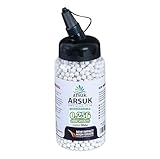
- Smooth & precise performance: lightweight 6mm airsoft BBs designed for consistent accuracy paths and reliable accuracy, suitable for both beginners and experienced players
- Seamless plastic construction: made from polished ABS plastic to help reduce jamming and support efficient feeding during extended play
- Balanced weight: each 0.25g BB is evenly crafted to promote stable trajectories and consistent accuracy during practice or recreational play
- Universal compatibility: fits standard 6mm airsoft equipment, including spring‑powered and gas‑powered models for versatile use across play styles
- Ideal for training & recreation: well‑suited for target practice, competitive games, and skill development, offering smooth feeding and consistent accuracy
Rank #4

- POLYPROPYLENE PELLETS: Our 1 lb weighted polypropylene pellets are made from BPA‑free polypropylene, ensuring durability for all your crafting needs while providing a reliable and safe solution for weighted items
- VERSATILE USAGE: These weighted stuffing beads can be used for a variety of applications, including bean bag filler, stuffed animals, handmade dolls, blankets, and crafts, making them an ideal choice for artisans and DIY enthusiasts
- SMOOTH EDGES FOR SAFETY: Each polypropylene pellet features smooth edges and rounded contours, ensuring a safe and enjoyable crafting experience while enhancing the overall quality of your finished products
- WASHABLE AND EASY TO MAINTAIN : Our polypropylene weighted stuffing beads are washable, allowing you to maintain hygiene in your stuffed animals and other creations, ensuring they look great and last longer
- PERFECT CHOICE : These versatile filling beads add stability and weight to handicrafts, preventing toppling while enhancing three-dimensionality. Use them to stuff crochet, add heft to lap blankets and pillows for extra comfort, or pair with fairy lights in glass bottles for a decorative, ambient display
Rank #3
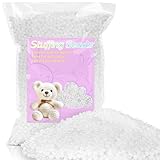
- Premium Polyethylene Beads: You'll receive 420g/14.8oz of high-quality plastic stuffing beads in vacuum-sealed packaging.Perfect for handmade weighted decor, cushions, bean bags and sewing projects
- Ultra-Durable and Reusable: Our counterweight filler beads are made of high quality plastic that is hard and unbreakable. Tiny clear filler beads are odorless, hard, washable or reusable.Ideal for long-term use in stuffed animals, furniture weighting, and craft projects.
- Weighted Filler: These small filler beads make great filler material. It can be placed at the bottom of crafts or crochet doll to add weight and make the item more dimensional and less likely to blow over or come loose. We believe our poly pellets will bring you a good crafting experience.
- Versatile: Our plastic beads are suitable stuffing for most crafts you want to make, weighted beads not only can they be used to stuffed animals,crochet hooks and plush dolls, but they can also be used to add weight to lap blankets or pillows for added comfort, and you can use them to easily fill your holiday decorations such as Christmas stockings, Halloween decorations, etc. to add comfort and enhance the sensory experience.
- Use Caution: If using filler beads, keep away from children and pets. Since the poly pellets are small, small parts may pose choking or ingestion hazard. Adult use only.
What the findings do—and do not—support
- Supported: A brassylic-acid-containing experimental PEA retained mechanical performance after one day of water exposure in the reported test.
- Supported: The tested PEAs showed at least 37% Mn loss after 12 months in seawater and the other reported test conditions.
- Qualified estimate: Full hydrolysis was described as taking years; that is not a measured time to complete product disappearance.
- Not established: Complete biodegradation or mineralization in seawater, the fate of an object in the open ocean, commercial availability, or an industrial recycling route.
Product prices and availability are accurate as of the date/time indicated and are subject to change. Any price and availability information displayed on Amazon at the time of purchase will apply.

