The Tool Desk
Outbyte PC Repair FREERepair Windows errors before they cause bigger problemsFix Now →Outbyte Driver Updater FREEScan for outdated or missing drivers - takes under a minuteDriver Scan →For a genuinely shallow wreck that is visible from the surface, snorkeling is usually the simplest way to survey it—provided the water is clear and calm, current is manageable, and boat traffic is controlled. Choose scuba when depth, poor surface visibility, or the need for longer, controlled observation makes a surface view inadequate. Neither method makes a wreck automatically safe: structure, entanglement, unexploded ordnance, pollutants, weather, legal restrictions, and your own training determine whether you should enter the water at all.
Start with the site, not the equipment
A wreck’s charted depth is only one part of the decision. A vessel lying in 3 metres of water can still have strong current, sharp or unstable metal, fishing line, contaminated cargo, or a history that gives it legal protection. Conversely, a deeper wreck may be a straightforward open-water dive when visibility, weather, access, and training are appropriate.
As an Amazon Associate I earn from qualifying purchases.
NOAA Ocean Exploration identifies storms, currents, corrosion, shipworms, looting, salvage, and irresponsible diving as threats to maritime-heritage sites. Treat those as planning variables before deciding whether to snorkel or scuba dive. The method should fit the site and the objective, not the other way around.
Quick wins for a faster PC:
Scan for outdated or missing drivers - takes under a minuteDriver Scan →Clear out junk files and repair common Windows errorsFree Scan →Snorkeling and scuba compared
| Decision factor | Snorkeling | Scuba |
|---|---|---|
| Access | Surface-only viewing. Best when the wreck’s outline and features can be understood from above. | Three-dimensional access around the wreck with controlled depth and longer underwater observation. |
| Training and equipment | Lower equipment and training burden, but still requires water competence, buddy skills, and conditions suitable for surface swimming. | Requires certification, practiced buoyancy control, gas planning, buddy procedures, and equipment suited to the site. |
| Conditions | Works best in shallow, clear, calm water with limited current and safe separation from boats. | Handles depth and extended inspection better, but adds gas, decompression, entanglement, and equipment-management risks. |
| Interaction with the wreck | Remain above it; do not climb onto, grab, or enter it. | Maintain neutral buoyancy and avoid contact. Do not penetrate unless specifically trained and equipped for overhead environments. |
| Preservation | Keep fins, anchors, and your body off the wreck and seabed; never remove artifacts. | The same preservation duties apply, with a greater chance of accidental contact because you are closer and carrying more equipment. |
When snorkeling is the better survey method
The wreck is visible from the surface
Snorkeling works when sunlight and visibility let you identify the wreck’s orientation, major fittings, and surrounding seabed without descending. You can make a visual map, photograph exposed features, and decide whether a later, properly planned dive is justified. If the water is too murky to see the wreck from the surface, the apparent shallowness does not make snorkeling useful; it simply leaves you swimming over an unseen hazard.
#1 Best Overall

- 【Mask Fins Snorkel Set for Adults】4 In 1 snorkel set with adjustable fins,tempered glass lens mask, dry top silicone snorkel,travel gear bag,it's the ultimate travel companion and is suitable for snorkeling,swimming,scuba diving and other water activities.
- 【Anti-Fog & Anti-Leak Dive Mask】Snorkeling set use the most stable dry floating valve design,and the flexible breath tube is easy to breath and drain,the swimming goggles is made of 180° panoramic view tempered galss lenses, the lens surface has been specially anti-fog treatment.
- 【Free Breathing Dry Top Diving Snorkel】Evolved dry float valve and splash guard are enabled, dry top snorkel is designed to keep water from entering the breathing tube, ergonomic silicone mouthpiece is comfortable and durable. Lower purge valve allows water to be quickly expelled, so you can enjoy easy and unobstructed breathing while diving underwater.
- 【Adjustable Swim Fins】Upgraded trek fins made of high-quality materials. Flexible and has a non-slip sole to prevent cramps and minimize fatigue. Adjustable straps and open heel fit every foot shape and size. Quick release buckle for easy on and off. Please refer to the fin size chart to choose the size that suits you.
- 【Portable Quick-Dry Gear Bag】The snorkel set with fins is paired with a quick-dry gear bag so that you can pack and carry them. What a lightweight and practical set for those who have the desire to travel around the world to explore the underwater world.
Conditions are calm and traffic is controlled
Surface swimmers are affected by wind chop, surge, current, and passing vessels. Select a site with a defined entry and exit, a forecast compatible with the swim, and a way to maintain separation from boats. Use a buddy and appropriate surface support rather than treating a snorkel as an informal solo swim.
Your objective is an overview, not close inspection
A surface pass can answer questions such as: Where is the bow? Which sections remain intact? Is the wreck partly buried? Are there nets, lines, or protruding plates? It cannot reliably document details hidden below the surface, under overhangs, or in poor visibility. Do not compensate by duck-diving into openings or holding your breath near structure.
When scuba adds meaningful capability
Depth prevents a useful surface view
Scuba provides controlled depth so you can follow the hull contour, inspect both sides, and remain at a feature long enough to document it. Recreational scuba is commonly described to about 40 metres (130 feet), according to NOAA Ocean Exploration in 2023. That figure describes a capability range, not permission to dive to that depth, a universal safety limit, or a substitute for certification, gas planning, decompression training, and site-specific judgment.
Do these 3 things before closing this tab:
1Fix the driver behind crashes, sound loss and screen glitches2Repair Windows errors before they cause bigger problems3Scan for outdated or missing drivers - takes under a minuteVisibility or surge makes surface observation inadequate
At some sites, the wreck is shallow but the surface view is broken by glare, turbidity, or waves. A scuba diver can descend below the disturbed layer and use a controlled position to observe, but the same conditions may also make navigation, buddy contact, and ascent more difficult. If you cannot maintain orientation or a safe exit, abort rather than descend simply to improve the view.
Rank #2
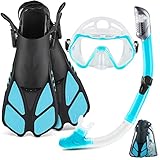
- Full mask fin snorkel set: zeeporte long snorkel set with adjustable fins, two window tempered glass lens mask, dry top silicone snorkel, travel gear bag, it's the ultimate travel companion and is suitable for snorkeling, swimming, body surfing, boogie boards and much more.
- Panoramic view snorkel dive mask: made of a four-window design for a panoramic view with tempered glass lens and hypoallergenic silicone skirt, zeeporte snorkel mask can withstand underwater pressure while diving and snorkeling, ultimate comfort. the diving mask's skirt is designed with soft and flexible silicone and the food-grade silicone mouthpiece is safe creates a watertight seal with the any driver's face and attached to your mouth perfectly without any peculiar smell.
- Unobstructed breathing dry top snorkel: a high-quality snorkel with a dry-top valve that seals the breathing tube when submerged. dry top snorkel is designed to keep water from entering the breathing tube, ergonomic silicone mouthpiece is comfortable and durable. Lower purge valve allows water to be quickly expelled, so you can enjoy easy and unobstructed breathing while diving underwater.
- Flexible adjustable trek fins: longer, lightweight and the responsive blade assure a kick that is fluid, effortless yet at the same time quite powerful. Trek fins with open-heel style & adjustable strap, the foot pocket and the strap are made of long-lasting rubber that ensures a comfortable fit. Please choose the appropriate fin size based on the size chart displayed. The zeeporte blade delivers excellent thrust with a modest kicking effort, perfect for your snorkeling or diving adventure.
- All-in-one packing gear bag: 3 essential items in one quick-dry mesh bag. re-usable zip-up bag with a shoulder strap, perfect for travel and recreational use. amazing low package for all four items and good for traveling.The mask is 6.6 inches long and 3.5 inches wide, suitable for adults to wear. The mask has adjustable buckles at both ends, which can be adjusted according to your face shape to ensure that there will be no water leakage during use.
You need longer, repeatable observation
Photogrammetry, a measured sketch, or a careful inventory of exposed features may require several passes. Scuba allows a planned bottom time, subject to gas supply, depth, temperature, current, and decompression obligations. Longer time does not mean unlimited time: turn the dive when the agreed gas reserve, time limit, or environmental margin is reached.
Training requirements and personal limits
What a snorkeler must be able to do
- Swim and float comfortably in the site’s conditions, including chop and current.
- Use a mask, snorkel, and fins without losing orientation or panicking when water enters the mask.
- Stay with a buddy, communicate basic problems, and return to the planned exit.
- Recognize when fatigue, cold, seasickness, or worsening weather makes continuation unsafe.
Formal scuba certification is not generally required merely to use a mask and snorkel, but water competence is still a safety requirement. A life jacket, flotation support, or guided supervision may be appropriate for people who are not strong swimmers, subject to local rules and the operator’s procedures.
What a scuba diver must add
- Current certification appropriate to the planned depth and conditions.
- Practiced buoyancy and trim so fins, gauges, hoses, and cylinders do not strike the wreck.
- Buddy procedures, air-sharing skills, controlled ascents, and a clear lost-buddy plan.
- Gas planning that includes descent, exploration, return, reserve, and an emergency ascent or exit.
- Thermal protection and equipment configured for the water temperature, current, visibility, and entanglement risk.
Wreck-diving training is separate from basic open-water certification. NOAA sanctuary guidance states that divers should know the wreck’s orientation and penetrate only if specifically trained. A diver who has never practiced overhead procedures should remain outside every opening, cabin, hold, or enclosed passage, regardless of how shallow it looks.
A step-by-step pre-entry plan
- Define the objective. Decide whether you need a surface overview, exterior photographs, a measured survey, or an interior inspection. If the objective can be met from the surface, do not add scuba complexity without a reason.
- Confirm the site’s identity and status. Check charts, local notices, sanctuary or park rules, and historical information. Determine whether the wreck is a war grave, government property, protected archaeological site, or known pollution or ordnance hazard.
- Study the physical profile. Record maximum depth, portions that break the surface, submerged obstructions, seabed type, mooring or anchoring restrictions, and a practical entry and exit route.
- Check conditions on the day. Review forecast, tide, current, visibility, water temperature, wave state, and lightning or storm risk. Conditions that are acceptable for a boat may be unacceptable for a surface swimmer.
- Assess traffic and surface support. Establish how swimmers or divers will be kept clear of vessels, where the support boat will hold position, and how an emergency pickup will occur.
- Brief the team. NOAA’s wreck-diving guidance calls for a briefing based on historical hazard assessment, equipment and gas-management checks, objectives, communications, and a safety drill. Every participant must know how to end the activity and where to exit.
- Set limits before entering. Agree on maximum depth, time, distance from the exit, minimum gas reserve for scuba, current limits, visibility limits, and a no-contact rule. Write them down or repeat them until every team member can state them.
- Abort early when a limit is exceeded. A rising current, lost buddy, failing mask, entangling line, deteriorating visibility, or unexpected debris is a reason to end the attempt—not a challenge to push through.
Equipment and surface signals
Snorkeling setup
- Mask that seals without excessive strap tension, snorkel, and fins suited to the current.
- Exposure protection appropriate to water temperature; cold stress reduces judgment and endurance.
- Highly visible surface marker or flotation support where local practice and conditions warrant it.
- Cutting tool only if trained to use one safely around line; carrying a tool does not make entanglement acceptable.
- Buddy, surface observer, and a reliable way to summon the support boat or shore team.
Do not anchor on a wreck or drag an anchor across the seabed. Use an authorized mooring or an operator’s established procedure. Keep fins clear of fragile metal, sediment, and biological growth.
Rank #3

- Full mask fin snorkel set: zeeporte long snorkel set with adjustable fins, two window tempered glass lens mask, dry top silicone snorkel, travel gear bag, it's the ultimate travel companion and is suitable for snorkeling, swimming, body surfing, boogie boards and much more.
- Panoramic view snorkel dive mask: made of a four-window design for a panoramic view with tempered glass lens and hypoallergenic silicone skirt, zeeporte snorkel mask can withstand underwater pressure while diving and snorkeling, ultimate comfort. the diving mask's skirt is designed with soft and flexible silicone and the food-grade silicone mouthpiece is safe creates a watertight seal with the any driver's face and attached to your mouth perfectly without any peculiar smell.
- Unobstructed breathing dry top snorkel: a high-quality snorkel with a dry-top valve that seals the breathing tube when submerged. dry top snorkel is designed to keep water from entering the breathing tube, ergonomic silicone mouthpiece is comfortable and durable. Lower purge valve allows water to be quickly expelled, so you can enjoy easy and unobstructed breathing while diving underwater.
- Flexible adjustable trek fins: longer, lightweight and the responsive blade assure a kick that is fluid, effortless yet at the same time quite powerful. Trek fins with open-heel style & adjustable strap, the foot pocket and the strap are made of long-lasting rubber that ensures a comfortable fit. Please choose the appropriate fin size based on the size chart displayed. The zeeporte blade delivers excellent thrust with a modest kicking effort, perfect for your snorkeling or diving adventure.
- All-in-one packing gear bag: 3 essential items in one quick-dry mesh bag. re-usable zip-up bag with a shoulder strap, perfect for travel and recreational use. amazing low package for all four items and good for traveling.The mask is 6.6 inches long and 3.5 inches wide, suitable for adults to wear. The mask has adjustable buckles at both ends, which can be adjusted according to your face shape to ensure that there will be no water leakage during use.
Scuba setup
- Certification-appropriate regulator, cylinder, buoyancy compensator, exposure protection, mask, fins, timing and depth instruments, and a functioning alternate air source.
- Equipment streamlined so hoses, gauges, lights, and accessories cannot snag protrusions or line.
- Surface marker buoy and reel where required by the plan and local rules, with practice deploying them in open water.
- Redundant gas and navigation equipment only when the diver is trained to use it and the plan requires it; extra equipment is not a substitute for skill.
- A written or clearly briefed gas plan, turn pressure, maximum depth, and ascent procedure.
Flags and vessel communication
NOAA’s Stellwagen Bank National Marine Sanctuary guidance distinguishes the signals: a diver-down flag is flown when divers are in the water, while the Alpha flag indicates that a vessel’s mobility is restricted. Display, size, placement, and enforcement vary by jurisdiction, so follow the local boating authority and the dive operator’s procedure. A flag does not create a protected bubble; maintain separation from traffic and keep a lookout.
Wreck penetration is a separate activity
Entering a cabin, hold, engine space, collapsed deck, or any other overhead environment removes the direct ascent route and introduces hazards that do not exist outside the wreck. Silt can reduce visibility to zero, a fin kick can damage fragile structure, and a trapped hose or line can prevent exit. Gas consumption also rises with stress and exertion.
NOAA’s Diving Standards and Safety Manual (2025) calls for historical hazard assessment, pre-dive checks, gas-management planning, and appropriate guideline and authorization controls for overhead environments. Apply that standard conservatively: without specific wreck or overhead training, suitable equipment, a continuous guideline system where required, and an explicit plan, remain outside. Never follow another diver inside simply because the opening looks short or familiar.
What’s actually slowing this PC down?
Pick the symptom - the matching free tool is one click away.
Hazards that are easy to underestimate
Current, surge, and visibility
Current can pin a snorkeler against a surface or separate a buddy before either person realizes it. Surge can move a scuba diver into plating on every wave cycle. Silt, plankton, and changing light can erase the orientation that seemed obvious at the surface. Set limits for current and visibility before entry and leave when they are exceeded.
Rank #4

- 【Mask Fins Snorkel Set for Adults】4 In 1 snorkel set with adjustable fins,tempered glass lens mask, dry top silicone snorkel,travel gear bag,it's the ultimate travel companion and is suitable for snorkeling,swimming,scuba diving and other water activities.
- 【Anti-Fog & Anti-Leak Dive Mask】Snorkeling set use the most stable dry floating valve design,and the flexible breath tube is easy to breath and drain,the swimming goggles is made of 180° panoramic view tempered galss lenses, the lens surface has been specially anti-fog treatment.
- 【Free Breathing Dry Top Diving Snorkel】Evolved dry float valve and splash guard are enabled, dry top snorkel is designed to keep water from entering the breathing tube, ergonomic silicone mouthpiece is comfortable and durable. Lower purge valve allows water to be quickly expelled, so you can enjoy easy and unobstructed breathing while diving underwater.
- 【Adjustable Swim Fins】Upgraded trek fins made of high-quality materials. Flexible and has a non-slip sole to prevent cramps and minimize fatigue. Adjustable straps and open heel fit every foot shape and size. Quick release buckle for easy on and off. Please refer to the fin size chart to choose the size that suits you.
- 【Portable Quick-Dry Gear Bag】The snorkel set with fins is paired with a quick-dry gear bag so that you can pack and carry them. What a lightweight and practical set for those who have the desire to travel around the world to explore the underwater world.
Metal, line, and unstable structure
Corroded steel can have razor edges, loose plates, and sections that collapse when disturbed. Fishing line, nets, wire, and cables can entangle fins or regulators. Avoid contact rather than relying on gloves or a cutting tool. Do not swim beneath unsupported sections or through gaps that could close, snag equipment, or trap a diver.
Ordnance, fuel, and pollutants
Sunken military craft may contain unexploded ordnance or leaking fuel and other contaminants. The Naval History and Heritage Command warns that such craft can be war graves, environmental hazards, or public-safety hazards. Do not touch, move, recover, or attempt to identify suspicious objects at close range. Leave the area and report the location through the relevant maritime or park authority.
Cold, fatigue, and medical stress
Cold water increases gas use and reduces dexterity; heat, dehydration, and seasickness impair surface swimmers. Build conservative turnaround points into the plan. A person who is tired, chilled, anxious, or unwell should remain out of the water, even when the wreck itself appears easy.
Preservation, law, and respectful conduct
Maritime-heritage sites are generally preserved in place. NOAA notes that storms, currents, corrosion, shipworms, looting, salvage, and irresponsible diving can damage them. Your best interaction is controlled observation, photography, and accurate reporting—not collection.
Best Value

- LEAK-PROOF SEAL IN 2 SIZES – L/XL fits most adult faces, S/M fits teens and narrow faces. The soft food-grade silicone skirt follows your face curve with no gaps, so no salty water leaking in, no painful red marks, and no stopping to re-adjust mid-swim. Quick-release buckles let you tighten the strap even with wet hands. Fit test before every dive: hold the mask to your face without the strap and inhale gently – if it sticks, the seal is watertight. Check the size guide to pick the right fit.
- ENHANCED ANTI-FOG LENSES - Advanced polycarbonate lens with anti-fog treatment avoids fogging up. Both the impact resistance and higher drop resistance are much better than tempered glass. You can relax with the lightweight snorkel mask while you snorkel, so enjoy the ocean’s secrets. Note: Anti-fog coating works best when rinsed with fresh water before each use. Avoid wiping the inside of the lens to preserve the coating.
- 220° PANORAMIC VIEW - 3-SIDE PC LENS for 220° view provides a better field of vision. Furthermore, the full-face snorkel view will not distort your horizons by adopting advanced polycarbonate lenses, eliminating any dizziness or discomfort. As a result, you can enjoy a more large and clear view of the sea world. The adult snorkel set is a great choice for snorkeling underwater.
- ADVANCED TOP VALVE SYSTEM – The one-way purge valve sits at the bottom of the reservoir, separate from the mouthpiece tube, allowing you to blow out water effortlessly – even while underwater. The top dry valve effectively blocks water from entering while you swim, keeping your breathing smooth and uninterrupted. For the best experience, remember to exhale firmly upon surfacing to clear any residual water. (Note: Do not remove the purge valve! Always check it before each snorkeling session.)
- EXCELLENT VACATION ESSENTIAL - 12-Month Swim Care & All-in-One Package. Over millions of swimmers and snorkelers trust Aegend. Package includes diving mask; dry snorkel and travel mesh bag. If any issue arises within 12 months (Fogging Issues, Leaking Problems, Missing parts, Scratched Lens, Tube doesn't work etc.) —a new pair is on us, please tell us and we will help you solve the problem within 12 hours. Finnally, enjoying this shopping.
- Maintain neutral buoyancy and keep hands, knees, fins, cylinders, and anchors off the wreck and seabed.
- Do not move objects to improve a photograph or expose a feature.
- Do not remove ceramics, fittings, ammunition, personal effects, or any other artifact.
- Follow sanctuary, park, state, national, and port regulations; permits may be required for any disturbance or recovery.
- Assume that a military wreck may be a grave and treat human remains or personal effects as protected.
The NOAA Robert J. Walker FAQ says the public may dive the wreck to view and photograph it for future generations, but should not move or remove artifacts; it also notes that unauthorized removal from a U.S. Government wreck is illegal and that government wrecks may contain unexploded ordnance. Rules differ by location, so verify the site’s current authority before launch.
Practical choices for common situations
| Situation | Most defensible choice | Reason and limits |
|---|---|---|
| Wreck outline is visible in 2–4 metres of clear, calm water; no traffic nearby | Snorkeling | A surface survey can document orientation and exposed features without adding scuba gas or depth-management demands. |
| Wreck is shallow but waves, glare, or turbidity hide details from the surface | Delay, relocate, or use scuba only if trained | Scuba may improve the viewing angle, but poor conditions still threaten navigation and buddy contact. |
| Wreck lies beyond comfortable breath-hold depth or has features on the seabed | Scuba with an appropriate certification and plan | Controlled depth and bottom time are useful; remain outside overhead spaces. |
| Opening leads into a cabin, hold, or collapsed section | Do not enter without dedicated overhead training and equipment | Shallowness does not remove entrapment, silt-out, gas, or structural hazards. |
| Military wreck with possible ammunition or fuel | Observe from a legal distance or avoid | It may be a war grave, environmental hazard, or public-safety hazard; never touch suspicious objects. |
What responsible documentation looks like
Plan photographs and notes so you do not need to touch the wreck or hover in a fragile area. Record the date, approximate conditions, visibility, current, depth range, and the features you could actually confirm. A surface snorkeler can photograph the site’s relationship to shoreline or buoys; a scuba team can add exterior details while maintaining a consistent distance and heading.
Share unusual damage, newly exposed objects, entanglement, pollution, or suspected ordnance with the site manager or maritime authority rather than publicizing a precise location that could invite looting. Do not publish instructions for bypassing closures or protected-area rules.
PC Slower Than It Used to Be?
A free scan shows the junk files, broken settings and background clutter dragging Windows down - then fixes them in one click.Free scan · Windows 10 & 11Outdated Drivers Are Slowing You Down
One free scan finds every outdated or missing driver and matches the right update for your exact hardware.Free scan · exact hardware matchHow to decide in one minute
- Can you see and understand the wreck from the surface?
- Are wind, waves, current, visibility, temperature, and traffic within limits that your least-experienced participant can handle?
- Can you complete the objective without touching, climbing on, anchoring to, or entering the wreck?
- If scuba is needed, does every diver have current certification, practiced buoyancy, a buddy plan, and gas reserves for the site?
- Are the wreck’s legal status and any ordnance or pollution warnings known?
If any answer is no or uncertain, postpone, choose a safer observation point, or use a properly supervised operation. A shallow wreck is suitable for snorkeling only when the entire combination of conditions, skill, support, and rules makes the surface method genuinely adequate.
Florida Keys National Marine Sanctuary visitor guidance reports that more than 700,000 divers and snorkelers visit the sanctuary each year (current guidance accessed 2026). That volume makes disciplined spacing, signaling, and preservation especially important at popular sites. Every visitor shares responsibility for leaving the wreck intact for the next person.
Quick Recap
Product prices and availability are accurate as of the date/time indicated and are subject to change. Any price and availability information displayed on Amazon at the time of purchase will apply.

