Kīlauea’s Episode 39 lava fountaining stopped at 2:13 a.m. HST on Dec. 24, 2025, after nearly six hours. The episode was confined to Halemaʻumaʻu Crater inside Hawaiʻi Volcanoes National Park. The north vent stopped at about 2 a.m.; the south vent continued until 2:13 a.m.
What happened in Episode 39
The Hawaiian Volcano Observatory (HVO) revised the episode’s start time to 8:20 p.m. HST on Dec. 23 after analyzing summit tilt and seismic tremor data. That places the main fountaining interval at just under six hours, ending abruptly at 2:13 a.m. on Dec. 24.
As an Amazon Associate I earn from qualifying purchases.
Activity came from two vents in Halemaʻumaʻu Crater. The north vent shut down first, while the south vent produced the final fountains. Kīlauea’s broader summit eruption remains episodic: individual fountains commonly last less than 12 hours, followed by pauses that can extend beyond three weeks.
How high and how large were the fountains?
The south-vent fountains reached as high as 1,400 feet. The north-vent fountains were just under 1,000 feet at about 9:30 p.m. HST. Those heights made Episode 39 notably more spectacular than the first episode, even though Episode 39 lasted for less time.
#1 Best Overall
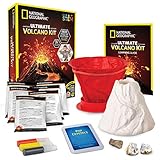
- MORE ERUPTIONS EQUALS MORE FUN – This kids science kit packs more eruption powder than ever before! You get 3x the eruption powder, plus pop crystals which add an exciting sound to your eruptions. Science kits like this are fun for everyone!
- UNFORGETTABLE SCIENCE EXPERIMENTS – This is a great hands-on experiment kit for any science fair; the updated mold and instructions make it easy to assemble a sturdy volcano form and realistic paint colors give the volcano a lifelike look.
- YOU GET REAL VOLCANIC ROCKS – Includes a pumice and a geode specimen so your kids can see real rocks created by a volcano! A full-color learning guide teaches about each rock and provides a wealth of educational information on volcano science.
- HOME SCHOOL CLASSIC – This is a classic STEM project that teaches kids about chemistry, geology, and earth science. Plus, the volcano mold is reusable, and the learning guide provides tips on different eruptions to try with common household items!
- AWARD-WINNING PRODUCTS - Blue Marble, winner of the Toy Association's prestigious Toy of the Year Award, proudly develops products that foster education, imagination, and creativity, with a U.S. support team to ensure a stellar experience!
| Measure | Episode 39 | First episode |
|---|---|---|
| Duration | Nearly six hours, from 8:20 p.m. Dec. 23 to 2:13 a.m. Dec. 24 HST | Approximately 14 hours |
| Maximum fountain height | Up to 1,400 feet at the south vent | Not stated in the contemporaneous event report |
| Lava volume | About 13 million cubic yards, estimated by HVO | Not stated |
| Crater-floor coverage | About 60%–70% of the Halemaʻumaʻu floor | Not stated |
| Vent behavior | North vent stopped around 2 a.m.; south vent stopped at 2:13 a.m. | Not stated |
HVO estimated that Episode 39 erupted about 13 million cubic yards of lava. The combined average rate from the two fountains exceeded 250 cubic yards per second, and lava spread across roughly 60%–70% of the crater floor. Summit instruments recorded about 26.3 microradians of deflation during the event.
Why Kīlauea produces stop-and-start fountains
Magma rising through narrow, pipelike conduits carries dissolved gases. As pressure changes near the vents, gas expands and helps drive lava upward. The Associated Press described Episode 39’s fountain mechanism as new magma pushing against heavier, degassed magma left by the preceding episode. That pressure can produce tall, intermittent-looking jets even when the eruption is being fed from the same summit reservoir.
Rank #2

- GET MORE ERUPTIONS FUN - there are 6 experiments to do by use 2 volcanoes. A plastic volcano, a gemstone dinosaurs fossil dig volcano, plastic dinosaurs, for volcano and snow eruption chemistry experiments ingredient.
- DIG REAL STONES - Includes 4 gemstones, so your kids can see real rocks and dinosaur skeletons excavate from a volcano!
- RED LAVA VOLCANO AND SNOW-CAPPED VOLCANO - This is a classic S.T.E.M project that teaches kids about chemistry, geology, and earth science.
- UNFORGETTABLE SCIENCE EXPERIMENTS – This is a great hands-on experiment kit for any science lesson. Perfect opportunity for kids to learn science while having fun.
- HIGH-QUALITY EDUCATIONAL TOYS - All you need to conduct your experiments are included in our all-inclusive kit. keep kids busy for hours.the volcano mold is reusable.
The episode did not send lava beyond Halemaʻumaʻu Crater. The event covered by the Dec. 24 report did not threaten homes or buildings, because the lava remained within the summit crater.
What’s actually slowing this PC down?
Pick the symptom - the matching free tool is one click away.
What changed after the fountains stopped?
Gas emissions dropped sharply after the fountains ended, but the eruption area did not instantly become inactive. Lava in the southern Kaluapele area could remain slowly moving or incandescent while it cooled.
Rank #3
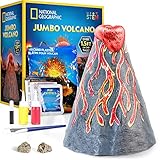
- OUR BIGGEST VOLCANO EVER - This jumbo volcano kit is our biggest yet at nearly 2 feet tall! Astound friends, family, and classmates with the stunning size and exciting eruption experiments! It's the perfect hands-on experiment for any science fair.
- EASY SETUP - Kid-friendly instructions make this jumbo volcano easy to make and erupt. Layer the plaster wrap over the frame, add plaster, and once it's dry, paint it and erupt it again and again!
- MORE ERUPTIONS, MORE FUN – This kids science kit comes with 3 packets of eruption powder plus pop crystals that add exciting crackling sounds. Instructions for more eruptions from household materials are also included.
- EVERYTHING KIDS NEED - Our jumbo volcano kit has everything kids need for an amazing science project, including the volcano mold, plaster mix and tint, two paint colors, paintbrush, and more. Genuine geode and pumice specimens are also included!
- AWARD-WINNING PRODUCTS - Blue Marble, winner of the Toy Association's prestigious Toy of the Year Award, proudly develops products that foster education, imagination, and creativity, with a U.S. support team to ensure a stellar experience!
Radar no longer detected the ash plume. Wind can nevertheless lift settled ash and fine particles again. The National Weather Service advised people to avoid excessive exposure because remobilized ash can irritate the eyes and airways; people with respiratory sensitivities should take extra precautions.
HVO reported a rapid shift from summit deflation to inflation, along with declining seismic tremor. Those changes are part of the observatory’s ongoing assessment of whether magma is rebuilding pressure for a later episode. HVO said it would continue monitoring and issue a notice when the next eruptive episode begins.
Rank #4

- MASSIVE SCIENCE KIT FOR CURIOUS KIDS - More than 15 experiment activities including dueling water tornadoes, building an erupting volcano, growing a crystal, two geologic dig kits, and more!
- ENOUGH TO GO AROUND - This science lab allows kids to conduct multiple experiments and is great to share with family, friends, or classmates. Enjoy the magic of discovery together!
- THE SECRET IS THE SCIENCE - A detailed, full-color Learning Guide teaches the science at work in the experiments, allowing your child to develop a deep, lasting appreciation for a variety of Earth sciences.
- HASSLE-FREE EXPERIMENTS - Clear, easy-to-follow instructions build young scientists' confidence as they experiment, allowing them to focus on the joy of exploration and discovery.
- AMAZON EXCLUSIVE - Blue Marble has developed this product exclusively for Amazon.
Is Kīlauea safe to visit after Episode 39?
“The eruption stopped” does not mean every part of the summit is safe. USGS lists several continuing hazards around Kīlauea:
- Volcanic gases, including sulfur dioxide and vog, which can worsen breathing conditions.
- Tephra and ash that may be remobilized by wind.
- Unstable crater walls and ground cracks.
- Rockfalls and sudden changes in the crater area.
The rim around Halemaʻumaʻu is extremely hazardous and has been closed to the public since 2007. Visitors should check current Hawaiʻi Volcanoes National Park notices and HVO/USGS alerts before traveling. Alert levels, aviation color codes, park access, wind direction and ash conditions can change quickly.
Best Value

- ERUPTION-READY EXPERIMENTS: Kids discover the science of fizzy, foamy chemical reactions with this 13-piece deluxe science kit for kids, hands on science toys and preschool science tools for kids
- REAL SCIENCE SKILLS: As they follow along with the full-color guide's 10 fun science experiments for kids, little ones build observation, experimentation, and other STEM skills with this science kit
- KID-SIZED LAB TOOLS: Designed for little hands, this science kit's color lenses, test tube, beaker, funnel, and dropper help kids build fine motor skills as they experiment, hands on science toys too
- AGES AND SKILLS: Specially designed with little ones in mind, this preschool science lab helps kids as young as 4 build essential STEM skills through hands on volcano science experiments for kids
- EASY STORAGE AND CLEANUP: When the volcanic experiments are done, the pieces fit inside the Fizzy Volcano Preschool Science Lab for easy storage, a hands on science kit for the classroom or home too
Can you still watch Kīlauea lava online?
Online views depend on what the official cameras are showing after an episode. Even when fountains stop, cameras may capture a glowing or slowly moving lava surface while the crater floor cools. If a new episode starts, official HVO and park channels are the appropriate places to check for current camera views, eruption notices and viewing restrictions.
Quick Recap
Episode 39 at a glance
- Location: Halemaʻumaʻu Crater, Kīlauea summit, Hawaiʻi Island.
- Start: 8:20 p.m. HST on Dec. 23, 2025, revised from tilt and tremor data.
- End: 2:13 a.m. HST on Dec. 24, 2025.
- Duration: Nearly six hours of continuous lava fountaining.
- Highest fountain: 1,400 feet at the south vent.
- Estimated lava: 13 million cubic yards.
- Average combined rate: More than 250 cubic yards per second.
- Crater-floor coverage: Approximately 60%–70%.
- Status in the event report: Volcano Alert Level Watch and Aviation Color Code Orange.
Product prices and availability are accurate as of the date/time indicated and are subject to change. Any price and availability information displayed on Amazon at the time of purchase will apply.

