The Tool Desk
Outbyte Driver Updater FREEFix the driver behind crashes, sound loss and screen glitchesFind Drivers →Outbyte PC Repair FREEClear out junk files and repair common Windows errorsFree Scan →Kīlauea’s Episode 55 began at 3:19 a.m. HST on October 17, 2026, according to the U.S. Geological Survey’s Hawaiian Volcano Observatory. By the agency’s 5:22 a.m. notice, the north-vent fountain was about 720 feet (220 meters) high and the plume had risen roughly 25,000 feet above sea level.
The lava remained inside Halemaʻumaʻu crater in Hawaiʻi Volcanoes National Park. That limits the immediate lava threat to homes and roads, but ash, volcanic gases, falling rocks and unstable crater edges still make conditions dangerous and subject to rapid change.
As an Amazon Associate I earn from qualifying purchases.
What happened in Episode 55?
USGS classified Kīlauea at WATCH and assigned an aviation color code of ORANGE. Episode 55 is the latest fountaining episode in the same summit eruptive cycle that began on December 23, 2024. It is not being counted as an entirely separate volcano eruption: lava has repeatedly emerged from the same vents in Halemaʻumaʻu crater.
| Measure | Reported condition |
|---|---|
| Start time | 3:19 a.m. HST, October 17, 2026 |
| North-vent fountain | About 720 feet (220 meters) |
| Plume height | About 25,000 feet above sea level |
| Lava location | Inside Halemaʻumaʻu crater |
| USGS volcano status | WATCH |
| Aviation color code | ORANGE |
Most fountaining episodes since December 23, 2024, have lasted a day or less. The duration of Episode 55 was still developing in the first USGS notice, so visitors should rely on later USGS updates rather than assume the fountain will continue at the same height.
#1 Best Overall
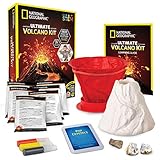
- MORE ERUPTIONS EQUALS MORE FUN – This kids science kit packs more eruption powder than ever before! You get 3x the eruption powder, plus pop crystals which add an exciting sound to your eruptions. Science kits like this are fun for everyone!
- UNFORGETTABLE SCIENCE EXPERIMENTS – This is a great hands-on experiment kit for any science fair; the updated mold and instructions make it easy to assemble a sturdy volcano form and realistic paint colors give the volcano a lifelike look.
- YOU GET REAL VOLCANIC ROCKS – Includes a pumice and a geode specimen so your kids can see real rocks created by a volcano! A full-color learning guide teaches about each rock and provides a wealth of educational information on volcano science.
- HOME SCHOOL CLASSIC – This is a classic STEM project that teaches kids about chemistry, geology, and earth science. Plus, the volcano mold is reusable, and the learning guide provides tips on different eruptions to try with common household items!
- AWARD-WINNING PRODUCTS - Blue Marble, winner of the Toy Association's prestigious Toy of the Year Award, proudly develops products that foster education, imagination, and creativity, with a U.S. support team to ensure a stellar experience!
Why the pause was unusual
The National Park Service said the previous eruption was on August 25. The 43 days without fountains through October 7 were the longest no-fountain interval in this eruptive cycle at the time of its report. “Two months” is a useful shorthand for the unusual break, but the official measured interval was 43 days.
The pause did not mean that the summit had become quiet. NPS reported continued inflation of the summit, more than 200 shallow earthquakes during the preceding week and a magnitude 3.4 earthquake on September 30 that caused small rockfalls. Those signals indicate that magma and pressure were still affecting the summit even while lava was not visibly fountaining.
Rank #2
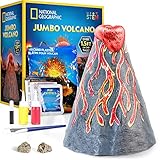
- OUR BIGGEST VOLCANO EVER - This jumbo volcano kit is our biggest yet at nearly 2 feet tall! Astound friends, family, and classmates with the stunning size and exciting eruption experiments! It's the perfect hands-on experiment for any science fair.
- EASY SETUP - Kid-friendly instructions make this jumbo volcano easy to make and erupt. Layer the plaster wrap over the frame, add plaster, and once it's dry, paint it and erupt it again and again!
- MORE ERUPTIONS, MORE FUN – This kids science kit comes with 3 packets of eruption powder plus pop crystals that add exciting crackling sounds. Instructions for more eruptions from household materials are also included.
- EVERYTHING KIDS NEED - Our jumbo volcano kit has everything kids need for an amazing science project, including the volcano mold, plaster mix and tint, two paint colors, paintbrush, and more. Genuine geode and pumice specimens are also included!
- AWARD-WINNING PRODUCTS - Blue Marble, winner of the Toy Association's prestigious Toy of the Year Award, proudly develops products that foster education, imagination, and creativity, with a U.S. support team to ensure a stellar experience!
Can visitors safely see the lava?
Only from areas that park officials have opened. NPS temporarily closed Halemaʻumaʻu Trail and part of Byron Ledge Trail, a combined 1.3 miles. Viewing areas on the Keanakākoʻi side were also closed because inflation and seismicity increased the risk of rockfalls.
Do these 3 things before closing this tab:
1Fix the driver behind crashes, sound loss and screen glitches2Repair Windows errors before they cause bigger problems3Scan for outdated or missing drivers - takes under a minuteVisitors must stay out of every closed area and away from cliff edges. NPS warns that unstable edges can collapse without warning, so a location that appears intact may not be safe. Do not cross barriers for a better view, approach crater rims or enter a closed trail to photograph the fountain.
Rank #3
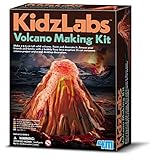
- The Volcano Making Kit is a hands on science project that creates a simulated erupting volcano
- This kit includes fast drying plaster, volcano mold, paint, paint brush and stir stick
- Detailed instructions for use and care are included
- Requires vinegar and baking soda for eruption (not included)
- Recommended for ages 8 years and up
Before traveling
- Check the latest USGS Hawaiian Volcano Observatory activity notice for the current eruption status and hazards.
- Check Hawaiʻi Volcanoes National Park alerts for trail, overlook and road closures on the day of your visit.
- Follow signs, barricades and ranger instructions even if lava appears to be visible from a closed area.
- Plan for changing conditions: an open overlook can close if earthquakes, rockfalls, wind or volcanic emissions increase.
What are the main hazards?
Volcanic gas and vog
Sulfur dioxide released by the eruption can form volcanic smog, commonly called vog. Wind can move vog away from the summit, so air quality may deteriorate outside the crater area and can change as wind direction changes. People with respiratory or other health sensitivities should pay attention to official air-quality and park warnings.
Ash and tephra
USGS uses “tephra” for the range of fragmented material that can be ejected, including ash, pumice, scoria, Pele’s hair and reticulite. Larger particles generally fall nearer the vents. Fine or lightweight material can travel farther and may be lifted again by wind after it lands. Tephra can irritate skin, eyes and lungs; avoid exposure and follow health guidance when ash or volcanic fibers are present.
Rank #4
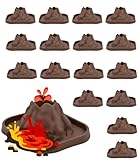
- Simulation of submarine volcanoes
- Very realistic model of a volcano
- Includes only 20 volcano models; no other accessories are included
- Good quality, tough ABS material
- If you have any questions, feel free to contact us
Rockfall and earthquakes
Summit inflation, shallow earthquakes and previous rockfalls are why trails and viewing areas were restricted. The danger is not limited to the active lava surface: crater walls and cliff edges can fail suddenly, especially during or after seismic activity.
Recommended Free Tools
Is Kīlauea threatening homes or roads?
At the time of the October 17 USGS notice, all eruptive vents and lava flows were confined to Halemaʻumaʻu crater inside Hawaiʻi Volcanoes National Park. That means the reported lava was not moving through residential areas or across public roads. It does not eliminate other disruptions: vog, falling tephra, earthquakes, rockfalls and park closures can affect travel and visitor safety even when lava stays in the crater.
Best Value

- STEM ENGAGEMENT - Encourages kids ages 6-10 to explore earth science through hands-on volcano experiments that simulate eruptions using safe household ingredients.
- REALISTIC DESIGN - Giant 11" cross-section model reveals internal volcano structures like magma chambers and vents, helping kids visualize geology in a fun, tactile way.
- EASY CLEANUP - Built-in spill tray and removable lava tube make post-eruption cleanup simple, allowing kids to repeat experiments without mess or frustration.
- READY TO USE - No assembly required; kids and teachers can dive into learning right away with a fully built model and included guide for structured activities.
- CLASSROOM FRIENDLY - Ideal for science centers, homeschool, or therapy settings; supports lesson planning with a detailed activity guide and reusable components.
Because Kīlauea’s conditions can change quickly, the current location of lava is not a permanent guarantee. Anyone traveling on Hawaiʻi Island should check current USGS and NPS notices rather than rely on photographs or an earlier itinerary.
How this episode fits Kīlauea’s record
The Associated Press reported that the ongoing eruption had already set Kīlauea’s record for the number of fountaining episodes in a single eruption, reaching 48 episodes by June 2, 2026. Episode 55 extends that record. HVO geologist Katie Mulliken explained that scientists consider the episodes part of one overall eruption because lava has come from the same vents in a summit crater.
The record describes repeated pulses of activity, not 55 separate volcanoes or 55 independent lava fields. Short episodes separated by pauses are characteristic of this eruptive cycle, while the summit’s inflation and earthquake activity provide important context between visible fountains.
Free tools Windows power users keep installed
One-click scans. No signup required.
What to watch next
- Whether fountaining continues beyond the short durations common since December 2024.
- Changes in summit inflation or earthquake activity that could alter rockfall risk.
- Wind-driven vog and tephra distribution outside the crater.
- New or extended closures announced by Hawaiʻi Volcanoes National Park.
The most reliable updates are the time-stamped notices from USGS Hawaiian Volcano Observatory for scientific activity and hazards, and from the National Park Service for visitor access and closures.
Quick Recap
Product prices and availability are accurate as of the date/time indicated and are subject to change. Any price and availability information displayed on Amazon at the time of purchase will apply.

