Use buckwheat flour as a partial replacement first. Replace about 25% of the wheat flour in cakes, cookies, bars, quick breads, and other non-yeasted recipes. In ordinary yeasted bread, begin at 15%. Pancakes can tolerate more—one tested formula used 33% buckwheat—but the pancakes were thinner and more delicate than an all-wheat version.
Buckwheat is naturally gluten-free, earthy, grassy, and darker than wheat flour. It can add moisture and tenderness, but it cannot form the gluten network that gives a wheat loaf its stretch, rise, and shape. That difference determines how much to use, which recipes are forgiving, and when you need a purpose-built gluten-free formula.
As an Amazon Associate I earn from qualifying purchases.
How much buckwheat flour should you use?
The safest substitution depends on the recipe’s structure. Treat the percentages below as a share of the original wheat flour, not as an additional ingredient. Keep the total flour weight the same on your first attempt.
| Recipe type | Starting buckwheat share | What to expect | Main caution |
|---|---|---|---|
| Yeasted wheat bread | 15% | Earthier flavor and some added tenderness | Buckwheat supplies no gluten, so too much can reduce rise and loaf structure |
| Cakes, muffins, quick breads, cookies, bars, and other non-yeasted bakes | 25% | More moisture in cakes; tenderness in cookies and bars | Higher proportions can make muffins, cakes, and quick breads gummy |
| Pancakes | Up to about 33% in the cited example | Fluffy, flavorful pancakes that are thinner and slightly more delicate | Handle gently and expect a different texture from wheat pancakes |
| Shortbread | Start at 25% and adjust by result | A pronounced grain flavor with a tender, crumbly bite | Color makes browning harder to judge |
| Fully gluten-free bread | Use a dedicated gluten-free formula | Structure comes from the recipe’s specified starches, binders, and method | A wheat-bread recipe converted by flour swap alone will not work reliably |
For example, if a wheat recipe contains 240 grams of flour, a 25% trial replaces 60 grams with buckwheat and leaves 180 grams as wheat flour. A 15% bread trial replaces 36 grams of a 240-gram flour total. Weighing both flours is the most consistent way to repeat a result; if the original recipe uses volume, use the same measuring method every time.
#1 Best Overall

- USDA Certified Organic Buckwheat Flour
- Batch Tested and Verified Gluten Free
- Non-GMO, Vegan, Gluten Free
- Grown & Packed in the USA
- Plant Based Gluten Free Flour Alternative
What buckwheat changes in a recipe
It is not wheat and contains no gluten
Despite its name, buckwheat is not a type of wheat. Its flour contains no gluten, the protein network responsible for much of wheat dough’s elasticity and gas retention. As Rossi Anastopoulo of King Arthur Baking puts it, “Because buckwheat doesn’t have gluten, you can’t simply replace all of the wheat flour in a recipe with buckwheat.”
In a cookie, shortbread, or pancake, that missing gluten is usually manageable because the bake does not need a tall, elastic dough. In yeast bread, however, gluten helps the dough stretch around fermentation gases and hold its shape in the oven. Replacing all the wheat flour removes that framework.
It brings a strong, distinctive flavor
Buckwheat is described as earthy, savory, and grassy, with rose-like notes and a slight bitterness. That flavor can be the point of the recipe, but a small percentage is easier to balance if you are new to it. Sweet ingredients such as baked fruit, nuts, chocolate, and caramel complement it. Savory foods such as cheese, cured meats, capers, and sour cream also work well.
What’s actually slowing this PC down?
Pick the symptom - the matching free tool is one click away.
It darkens the batter and finished bake
Buckwheat’s naturally dark color can make visual browning an unreliable doneness test. A crust may be fully baked even when it does not show the golden color you expect from wheat flour. Use the recipe’s other cues—set edges, a firm center, a clean tester where appropriate—and inspect the bake in good light rather than relying on color alone.
It affects moisture and tenderness
In cakes, buckwheat can contribute moisture. In cookies and bars, it can make the bite tender. Those qualities become liabilities when the proportion gets too high: muffins, cakes, and quick breads may turn gummy instead of soft and cohesive. A partial substitution lets you gain flavor without asking the flour to provide more structure than it can.
Rank #2

- Buckwheat flour is an excellent source of dietary fiber and contains essential amino acids.
- Unlike light buckwheat flour, our flour contains little black specks that come from the ground seed hull.
- Buckwheat flour is a must-have for making traditional Russian blini or buckwheat crepes. It has a unique, assertive flavor that is especially great in both quick and yeast breads.
- IT STARTS WITH GOOD INGREDIENTS: A leader in natural foods since 1978, Bob’s Red Mill is committed to good ingredients made with the passion and expertise of our founder, Bob Moore; proudly 100% employee owned
Using buckwheat flour in pancakes
Choose pancakes for your first experiment
Pancakes are a forgiving way to learn how buckwheat behaves. They do not need the long elastic gluten network of a loaf, and a slightly thinner or more delicate result is usually easy to serve. A King Arthur Baking example used 33% buckwheat flour. The pancakes remained fluffy and flavorful, but they were thinner and a little more fragile than the all-wheat version.
How to substitute it in an existing formula
- Calculate one-quarter to one-third of the recipe’s total flour weight for buckwheat. Use 25% if you want a familiar wheat-pancake texture; move toward 33% for a more pronounced flavor.
- Remove that same weight from the wheat flour so the total flour stays unchanged.
- Mix the batter only until the dry ingredients are moistened. Excessive mixing can make any pancake tough, while the lower-gluten formula benefits from gentle handling.
- Let the batter stand briefly if the original recipe already calls for resting; do not automatically add extra flour just because the batter looks looser than wheat batter.
- Cook a test pancake first. If it spreads more than expected, use a slightly smaller portion or allow the next portion to set longer before turning.
- Turn with a wide spatula and avoid repeated flipping. Delicate pancakes are more likely to tear when moved unnecessarily.
Serve the first batch with maple syrup if you want a simple pairing that lets the grain’s flavor remain noticeable. Baked fruit, nuts, chocolate, and caramel are other compatible sweet directions.
A published baked-pancake example
The single-serving “Baked Buckwheat Pancake with Berry Compote,” attributed to Roxana Jullapat’s cookbook Mother Grains, uses 40 grams of buckwheat flour and 38 grams of all-purpose flour. Its other listed ingredients include buttermilk, an egg, baking powder, baking soda, salt, and melted butter. The pancake begins on the stovetop and finishes in the oven; the publisher describes a crisp exterior and soft interior.
That formula illustrates two useful points: buckwheat can be paired with ordinary wheat flour rather than used alone, and the flour percentage is only one part of texture. The leaveners, acidic buttermilk, egg, fat, and two-stage cooking method all contribute to the final result. Do not treat the 40-gram amount as a universal serving size; it is the amount in that specific single-pancake recipe.
Using buckwheat flour in yeasted bread
Why a straight 100% swap fails
Ordinary wheat bread depends on gluten to create an elastic network. Yeast produces gas, the gluten network stretches around that gas, and the dough sets into a loaf that can hold its shape. Buckwheat cannot build that network. Swapping all the wheat flour for buckwheat in a conventional yeast recipe therefore tends to produce a loaf with poor rise, weak structure, or a dense and fragile crumb.
Rank #3

- Excellent for Pancakes, Dutch Babies, Injera, Breads, and more
- Our buckwheat flour is packaged in a vacuum sealed bag to prevent impurities
- Certified Organic
- Product of India
- Net Weight: 2 LB (908g)
Start with a 15% substitution
- Find the total wheat-flour weight in the bread formula.
- Calculate 15% of that weight and replace that amount with buckwheat flour.
- Keep the remaining 85% as wheat flour so the dough retains most of its gluten-forming capacity.
- Mix and ferment according to the original recipe, watching the dough’s strength and shape rather than expecting it to look identical to the all-wheat dough.
- Shape gently and bake using the original formula’s temperature and timing as a starting point, then judge doneness by the recipe’s physical cues.
A 15% trial is a starting point, not a promise that every bread formula will behave identically. Flour brands, hydration, loaf shape, and fermentation schedule all affect the dough. If the loaf spreads or feels weak, reduce the buckwheat percentage on the next bake rather than compensating by adding an arbitrary amount of flour.
Recommended Free Tools
When you need a fully gluten-free loaf
A fully gluten-free bread is a different project, not a wheat loaf with the flour exchanged. Use a recipe written for gluten-free flour and follow the structure-building ingredients it specifies. Such formulas may rely on combinations of gluten-free flours, starches, and binders; removing or changing those components can eliminate the structure the recipe was designed to create.
Using buckwheat in cakes, muffins, quick breads, cookies, bars, and shortbread
Use 25% as the first non-yeasted trial
For most non-yeasted baking, replace about 25% of the wheat flour with buckwheat. This proportion introduces the characteristic flavor while leaving enough wheat structure for the recipe to rise and set normally. Keep the total flour amount unchanged and make the first batch without changing the sugar, fat, eggs, or liquid.
Cakes and muffins
Expect a moister crumb and darker appearance. A modest amount can be pleasant, but higher percentages may make the interior gummy, particularly in muffins and cakes that already contain substantial moisture. Check the center for a set texture and use the recipe’s recommended tester or spring-back cue instead of judging by crust color alone.
Quick breads
Quick breads have no yeast fermentation, so they do not face the same gluten requirement as a loaf, but they still need enough structure to slice cleanly. Begin at 25%. If a higher-buckwheat version becomes gummy or collapses, return to the lower percentage rather than simply extending the bake; extra oven time can darken the outside while leaving a heavy center.
The Tool Desk
Outbyte PC Repair FREERepair Windows errors before they cause bigger problemsFix Now →Outbyte Driver Updater FREEFix the driver behind crashes, sound loss and screen glitchesFind Drivers →Rank #4

- PURE BUCKWHEAT FLOUR: New Hope Mills delivers 100% pure, fresh ground whole buckwheat flour with a rich, nutty flavor perfect for pancakes, baking, and traditional recipes
- QUALITY SINCE 1823: Trusted brand with over 200 years of milling expertise, producing premium quality flour from USA-grown, Non-GMO buckwheat for authentic taste and nutrition
- VERSATILE BAKING INGREDIENT: Ideal for making fluffy pancakes, hearty breads, and noodles, recipes with distinctive earthy flavor and wholesome nutritional benefits
- CONVENIENT 5-POUND BAG: Generously sized 5 LB package provides ample supply for multiple batches of your favorite recipes, with resealable packaging to maintain freshness
Cookies and bars
Buckwheat can make cookies and bars more tender and gives them a pronounced savory-grain character. These formats are comparatively tolerant because they do not need a lofty crumb. Start at 25%, then adjust in a later batch if you want more flavor. Watch spread and doneness by the recipe’s normal signs, remembering that the dark flour can hide browning.
Shortbread
Shortbread is a particularly logical place to experiment because its structure and rise depend less on gluten than those of bread or cake. A partial buckwheat substitution can add depth while preserving the crumbly texture. Cut and handle the dough gently, and rely on firmness and edge definition rather than a golden-brown color to decide when it is ready.
How to scale a substitution accurately
Use the original flour total
Percentages refer to the combined flour in the original recipe. If a recipe lists several wheat flours, add their weights before calculating the buckwheat share. For a 400-gram total, a 25% trial uses 100 grams of buckwheat and 300 grams of the original wheat flour. A 15% bread trial uses 60 grams of buckwheat and 340 grams of wheat flour.
Keep the first test controlled
- Change only the flour proportion on the first attempt.
- Use the same pan, portion size, oven setting, and mixing method as the original recipe.
- Record the flour weights, batter or dough consistency, rise, bake time, and final texture.
- Change one variable at a time in the next batch.
This approach tells you whether the result came from the buckwheat proportion rather than from several simultaneous adjustments. If the batter is noticeably thinner, the dough loses strength, or the finished bake is gummy, reduce the proportion before changing liquid or leavening.
Flavor pairings that make buckwheat work
Buckwheat’s earthy, savory, grassy profile can stand up to assertive ingredients. For sweet baking, try it with baked fruit, nuts, chocolate, caramel, or maple syrup. These pairings provide contrast or reinforce the flour’s toasted, aromatic character without requiring every recipe to be sweeter.
Best Value
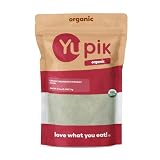
- A good source of fiber
- Use as an alternative to wheat flour or to thicken soups, stews, casseroles
- Non-gmo, Gluten-free, sulfite-free, Vegetarian, Vegan and all-natural
- Certified: organic and Kosher
- Keep cool and dry
For savory baking, cheese, cured meats, capers, and sour cream are compatible choices. A savory pancake or quick bread can therefore use the same 25% starting point while taking the recipe in a completely different direction from a dessert.
The goal is balance, not disguise. If you prefer a subtle flavor, stay near 15% to 25%. If you enjoy buckwheat’s bitterness and grassy notes, a pancake formula near the cited 33% example is a practical place to explore before attempting a higher proportion in a more structural bake.
Gluten-free safety: flour is only one part of the answer
Buckwheat itself is naturally gluten-free, but that fact does not automatically make a finished recipe safe for someone who must avoid gluten strictly. Flour can be exposed during processing, packaging, or transport. Gluten can also reach an otherwise suitable ingredient through shared measuring cups, mixers, rolling pins, pans, countertops, or storage containers.
Free tools Windows power users keep installed
One-click scans. No signup required.
For a strict gluten-free kitchen
- Check the flour package and other ingredients for the manufacturer’s gluten-free assurance.
- Use clean equipment and work surfaces that have not contacted wheat flour.
- Prevent airborne wheat flour from settling into the work area.
- Store gluten-free flour separately and label it clearly.
- Follow a recipe designed for gluten-free baking when the entire finished bake must be gluten-free.
The word “buckwheat” on a package identifies the grain, not the processing environment. Cross-contact controls matter as much as the flour choice.
Troubleshooting common results
| Symptom | Likely reason | Next adjustment |
|---|---|---|
| Pancakes are thin or tear when turned | The buckwheat share is high for that formula, or the cakes were moved before setting | Use a smaller portion, wait longer before turning, or return toward 25% |
| Yeast loaf is dense or spreads | Too much wheat flour was replaced, reducing gluten structure | Return toward the 15% starting point and use a wheat-bread formula |
| Cake or muffin center is gummy | The buckwheat proportion is too high for the recipe’s moisture and structure | Reduce the percentage; do not rely only on a longer bake |
| Bake looks pale despite being dark overall | Buckwheat’s color makes browning difficult to read | Use set, firmness, and tester cues in addition to visual browning |
| Flavor is too bitter or grassy | The buckwheat percentage dominates the other ingredients | Use a smaller share or pair it with fruit, nuts, chocolate, caramel, cheese, or sour cream |
| The recipe is unsafe for a gluten-free diner | Cross-contact occurred in ingredients or equipment | Verify product assurances and control utensils, surfaces, storage, and preparation |
A practical decision guide
- Want a wheat-like yeast loaf? Replace 15% of the flour and keep the rest wheat-based.
- Want to add flavor to cake, cookies, bars, quick bread, or shortbread? Begin at 25%.
- Want to test buckwheat with minimal risk? Make pancakes, using 25% to 33% and handling them gently.
- Want a completely gluten-free bread? Choose a dedicated gluten-free recipe rather than converting a wheat formula by substitution alone.
- Need strict gluten-free preparation? Verify the flour and control cross-contact throughout the kitchen.
These starting points preserve the original recipe’s purpose: wheat remains available where gluten structure matters, while buckwheat contributes its distinctive flavor, color, moisture, and tenderness where the format can accommodate them.
Quick Recap
Product prices and availability are accurate as of the date/time indicated and are subject to change. Any price and availability information displayed on Amazon at the time of purchase will apply.

