Use a simple, shared record of weight, food and drinks offered, what was actually consumed, appetite, chewing or swallowing symptoms, and relevant changes such as illness or medication. Weigh on a schedule agreed with the person’s GP, nurse or dietitian. The record reveals trends for the care team; it cannot diagnose malnutrition or explain a change by itself.
Why tracking matters—and what it cannot tell you
Dementia can change memory, recognition, communication, coordination and the ability to begin or continue a meal. Someone may forget that food was offered, fail to recognise it, lose the skills needed to use cutlery, or become distracted by a noisy environment. A person can also eat more than usual, repeatedly request food or forget that they have just eaten.
As an Amazon Associate I earn from qualifying purchases.
A new change should not automatically be attributed to dementia. Pain, dental problems or poorly fitting dentures, constipation, depression, fatigue, medication or dose changes, altered activity, an acute illness and swallowing difficulty can all affect eating and drinking. Recording the timing of these events helps a clinician investigate rather than guess.
Outdated Drivers Are Slowing You Down
One free scan finds every outdated or missing driver and matches the right update for your exact hardware.Free scan · exact hardware matchPC Slower Than It Used to Be?
A free scan shows the junk files, broken settings and background clutter dragging Windows down - then fixes them in one click.Free scan · Windows 10 & 11Weight is only one clue. BMI, unintentional weight loss, how long food intake has been reduced, symptoms, physical function and medical history all matter. A diary is therefore an information tool, not a home test for malnutrition.
#1 Best Overall
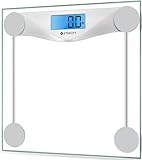
- 𝑹𝒆𝒍𝒊𝒂𝒃𝒍𝒆 𝑷𝒓𝒆𝒄𝒊𝒔𝒊𝒐𝒏: With professional expertise refined over 10 years, our brand design ensures accuracy and reliability through high-precision sensor technology
- 𝑬𝒂𝒔𝒚 𝒕𝒐 𝑼𝒔𝒆: The scale is equipped with an easy-to-read display with automatic on/off, low battery, and overload indications. Choose between 2 units of measurement (lb/kg) for your weighing convenience
- 𝑴𝒊𝒏𝒊𝒎𝒂𝒍 𝑫𝒆𝒔𝒊𝒈𝒏: Never Let a scale ruin your style. Place this scale in your bathroom, bedroom, or living room. It will complement the design of your living space
- 𝑨 𝑫𝒖𝒓𝒂𝒃𝒍𝒆 𝑪𝒉𝒐𝒊𝒄𝒆: The scale’s 6-mm tempered glass platform provides exceptional durability and comfort. Equipped with a supportive frame and anti-skid paddings to prevent slipping, you can rely on the sturdiness of our scale
- 𝑳𝒂𝒓𝒈𝒆 𝑷𝒍𝒂𝒕𝒇𝒐𝒓𝒎: Step onto the scale comfortably with its large 11.9 x 11.9-inch platform
Set up a low-burden tracking system
Choose one notebook, paper chart or shared phone note that every main caregiver can update. Keep entries brief and factual. The best system is the one that is used consistently without distressing the person.
- Agree the purpose with the care team. Ask the GP, nurse or dietitian what needs monitoring, whether weighing is suitable, and how often it should occur. A person who is receiving formal nutrition support may need a different schedule from someone who is simply being observed at home.
- Choose a consistent weighing method. Use the same scale and broadly similar conditions each time, such as a similar time of day and comparable clothing. Record when weighing was not possible or caused distress.
- Record offers and intake. Note meals, snacks and drinks offered, then estimate how much was eaten or drunk. Use practical descriptions such as “about half a bowl” rather than attempting exact calories unless a clinician specifically requests them.
- Add context. Note illness, constipation, dental discomfort, medication changes, unusual tiredness, a move or change in routine, and any change in activity.
- Review the pattern before contacting the team. Summarise what changed and when, rather than handing over an unannotated list of numbers.
Keep the record where the people providing meals and care can see it, while protecting the person’s privacy. If several people contribute, use the same portion descriptions and abbreviations so the entries remain understandable. A simple key might define “all,” “most,” “half,” “few bites” and “none.” If the person becomes upset by a notebook or scale, make the record discreetly and tell the clinician that the measurement itself was distressing.
What to record each day
| Record | Useful detail | Why it helps |
|---|---|---|
| Date and weight | Value, unit, conditions, and whether the person tolerated the measurement | Shows a trend and its reliability |
| Food offered | Meal, snack, familiar preference, texture and approximate portion | Shows opportunities to eat, not just the final amount |
| Food consumed | All, most, half, a few bites or none; note food left untouched | Reveals sustained reduction or unusually high intake |
| Drinks | Type and approximate amount offered and consumed, including drinks with meals | Provides a practical picture of hydration |
| Appetite and behaviour | Refusal, repeated requests, new preferences, more prompting or assistance | Identifies changes in recognition, memory or appetite |
| Eating and swallowing | Coughing, choking, holding food in the mouth, chewing difficulty, pain or unusually long meals | Flags a possible safety problem requiring assessment |
| Context | Illness, constipation, dental problems, fatigue, medication or dose change, activity or routine change | Gives clinicians possible explanations to check |
| Action taken | Who was contacted, date, advice and agreed follow-up | Keeps the care plan connected to the observations |
Record observations without judgement. “Left most of the lunch and fell asleep” is more useful than “was difficult.” If the person eats several small amounts, list them separately or total them at the end of the day. Note whether food was offered in a calm setting and whether help with opening packages, cutting food or using a cup was needed. This can distinguish lack of appetite from a practical difficulty.
The Tool Desk
Outbyte PC Repair FREERepair Windows errors before they cause bigger problemsFix Now →Outbyte Driver Updater FREEFix the driver behind crashes, sound loss and screen glitchesFind Drivers →Include drinks offered between meals, not just tea or water served at the table. If a person repeatedly asks for food, record the time and what was provided instead of describing the behaviour as simply “overeating.” Patterns at particular times or in particular settings may be useful to the care team.
How often to weigh
Do not impose daily weighing on every person with dementia. NICE’s monitoring table for people receiving nutrition support lists daily weight when there are fluid-balance concerns, weekly weight otherwise, and a reduction to monthly when the person is stable. That is a clinical nutrition-support protocol, not a universal home schedule.
Ask the individual’s GP, dietitian or nurse to set the interval. A consistent weekly measurement may be more informative than irregular daily checks because normal short-term fluctuation can otherwise trigger unnecessary alarm. Weight can also be difficult to obtain or interpret; the clinical team may use other measurements when a scale is impractical.
Write down the conditions around each measurement. A missed reading is preferable to forcing someone who is frightened or unsteady. Never delay necessary care in order to obtain a number. If shoes, bulky clothing, fluid retention or a different scale could affect the result, note that beside the reading rather than treating it as directly comparable.
How to interpret changes without jumping to conclusions
Gradual or unintentional weight loss
Look for a matching pattern in the diary: smaller portions, more food left, fewer drinks, longer meals, increasing prompts, pain, constipation or a recent medicine change. A single lower reading does not establish a trend. Share the timeline and associated symptoms with the care team, especially when intake remains poor.
Rank #2
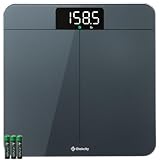
- 𝗨𝗻𝗺𝗮𝘁𝗰𝗵𝗲𝗱 𝗣𝗿𝗲𝗰𝗶𝘀𝗶𝗼𝗻: With 10 years of expertise, we’re trusted by over 5 million customers in 30+ countries. we take pride in our high-precision sensors—the core tech that's responsible for the accuracy in increments down to 0.05 lb
- 𝗪𝗲𝗶𝗴𝗵𝘁 𝗩𝗲𝗿𝗶𝗳𝗶𝗰𝗮𝘁𝗶𝗼𝗻 𝗗𝗼𝘂𝗯𝗹𝗲 𝗖𝗵𝗲𝗰𝗸 𝗧𝗲𝗰𝗵: Experience unmatched convenience and accuracy. Simply step on, and the scale quickly checks and ensures precise results—no need to tap or wait for the display to show zero
- 𝗠𝗲𝗮𝘀𝘂𝗿𝗲 𝗟𝗶𝗴𝗵𝘁 𝗜𝘁𝗲𝗺𝘀: Such a versatile scale. Not only can measure your body weight, but also easily weigh items as light as 100g like pets and their food with pinpoint accuracy
- 𝗘𝗮𝘀𝘆 𝘁𝗼 𝗥𝗲𝗮𝗱: Best choice for the elderly. The extra-bright LED display with large and clear numbers make it easy to read for all especially for the seniors, no need bending over or wearing presbyopic glasses
- 𝗨𝘁𝗺𝗼𝘀𝘁 𝗦𝗮𝗳𝗲 𝗮𝗻𝗱 𝗔𝗲𝘀𝘁𝗵𝗲𝘁𝗶𝗰: Expertly designed in California, our stylish scale fits seamlessly in your bedroom/bathroom/home. The sleek round corners, large anti-skid padding, and full-coverage bottom ensure durability and stability
Ask whether the person has stopped recognising favourite foods, lost the ability to handle cutlery, become too tired to finish, or is avoiding food because chewing hurts. These observations can guide questions about dental care, mood, medicines, physical function and swallowing. Do not assume that adding a supplement is the first or only answer.
Weight gain or eating all the time
Increased eating deserves recording too. Repeated requests may reflect memory problems, inability to recognise that a meal has happened, boredom, a change in routine or a medical or medication issue. Note when requests occur, what was eaten, drinks, activity and whether the person appears distressed. Do not respond by restricting food without clinical advice; discuss the pattern with the GP or care team.
A practical response while awaiting advice is to offer regular meals and snacks, use familiar satisfying foods, and keep the environment calm. The aim is not to police every bite but to give the clinician enough information to consider possible causes and to protect the person’s dignity.
Quick wins for a faster PC:
Repair Windows errors before they cause bigger problemsFix Now →Scan for outdated or missing drivers - takes under a minuteDriver Scan →Clear out junk files and repair common Windows errorsFree Scan →Reduced drinking
A person may not recognise thirst or remember to drink. NHS caregiver guidance links insufficient fluid with constipation, urinary tract infections, headaches and increased confusion. Record drinks offered and accepted across the day, not just at mealtimes. A decline in drinking alongside illness, drowsiness or other acute symptoms warrants prompt clinical advice.
Make drinks visible and offer them at regular opportunities. A clear or brightly coloured cup may be easier to notice, while a lighter cup with a suitable grip may be easier to use. Record the person’s preferred temperatures, flavours and cup style if these affect acceptance. Do not force fluids if swallowing appears unsafe; seek professional advice.
Why BMI and percentage loss matter to clinicians
NICE says nutrition support should be considered when any of these guideline criteria apply:
| Criterion | Qualification |
|---|---|
| BMI below 18.5 kg/m² | Clinical criterion for considering nutrition support, not a caregiver diagnosis |
| Unintentional weight loss greater than 10% in the previous 3–6 months | Requires a reliable baseline and timeframe |
| BMI below 20 kg/m² together with unintentional weight loss greater than 5% in the previous 3–6 months | Both conditions are part of the criterion |
| Little or no intake for more than 5 days, or likely to continue for 5 days | Signals risk requiring professional assessment |
A clinician should calculate and interpret these measures in context. They are thresholds for considering support, not proof that dementia caused the change. If you do not know the person’s earlier weight, state that clearly; an approximate history is still useful when labelled as such.
What’s actually slowing this PC down?
Pick the symptom - the matching free tool is one click away.
When to contact a professional
| Situation | What to do |
|---|---|
| Persistent poor intake or ongoing unintentional weight change | Contact the GP or care team and provide the timeline, food and fluid record, symptoms and medication changes. |
| New or worsening difficulty chewing or swallowing, coughing or choking during meals, or food held in the mouth | Seek clinical advice promptly. NICE recommends considering speech and language therapy when eating or drinking safety is a concern. |
| Inability to maintain food or fluid intake | Seek prompt medical advice rather than trying to solve the problem with supplements alone. |
| Possible dehydration or acute illness, such as markedly increased confusion with very low drinking | Contact a clinician promptly; urgent services may be appropriate if the person is seriously unwell. |
When you call, state what changed, the date it started, the recent weight trend, approximate intake and fluid, and any pain, constipation, swallowing symptoms or medicine changes. Ask what to monitor next and when the team wants an update. A GP may refer to a dietitian, speech and language therapist or occupational therapist. A speech and language therapist can assess swallowing safety; an occupational therapist may help with eating and drinking aids.
Rank #3

- ⚖️ 10-Year Accuracy with 4 G-Sensors: Equipped with 4 upgraded G-sensors for ±0.1 lb / 0.05 kg precision, this scale uses two long-lasting AAA batteries to provide stable power and consistent readings. Its optimized circuit design has been tested to deliver reliable accuracy for at least 10 years of daily use—ideal for routine morning weigh-ins and long-term tracking. 2*AAA Batteries Included
- 🔁 Quick kg / lb / st Switching for Everyday Tracking: One-button unit switching makes it easy to compare numbers with gym equipment, fitness apps, or medical checkups. Supports 180 kg / 400 lb / 28 st and fits seamlessly into real daily routines—morning weight checks, intermittent fasting logs, weekly fitness tracking, and shared bathroom use
- ⚡ Instant Step-On Results for Busy Mornings & Night Use: Delivers fast, stable measurements the moment you step on—no tapping, no setup. The bright backlit LED display stays clear during early-morning weigh-ins, low-light bathrooms, post-shower checks, and night-time measurements. Auto-calibration ensures consistency across repeated daily use
- 🛡️ Reinforced Safety Design: Constructed with 6 mm tempered glass, rounded corners, a reinforced internal frame, and an anti-slip base, this scale is designed for long-term durability and daily reliability. Ideal for wet bathroom floors after showers, kids stepping on out of curiosity, seniors checking weight daily, and frequent users during weight-loss cycles
- 🧩 Compact 26 cm Footprint—Fits Small Bathrooms & Modern Spaces: At 10.2 × 10.2 × 0.87 in, this slim digital scale fits under cabinets, next to toilets, in small apartments, dorm bathrooms, home gyms, or bedside wellness setups. The smooth tempered-glass surface wipes clean easily—great for users who weigh in daily, track fitness progress, or maintain long-term health routines
Make eating and drinking easier and safer
Offer manageable, familiar choices
Familiar foods the person likes may be easier to recognise. Smaller portions, more time and gentle reminders can help. Avoid pressure when the person is distressed; pause and try again later if safe. Preferences can change, so update the record rather than assuming a previously liked food will still work.
There is no need to impose a special dementia menu. Offer ordinary foods that fit the person’s preferences and any clinically advised texture or dietary restrictions. If a clinician recommends a modified texture, follow that plan rather than changing it independently.
Improve visibility and independence
Offer drinks at regular opportunities and with meals. Keep a suitable cup visible, choose one that is not too heavy and is easy to hold, and consider a clear or brightly coloured cup if that makes the drink easier to notice. Keep the mealtime environment calm and uncluttered. Preserve independence where possible, and involve the person in preparation if they can and want to participate.
Reduce competing noise and remove unnecessary items from the table. Give one prompt at a time and allow enough time. If assistance is needed, record whether the person could eat independently after food was positioned, opened or cut for them.
Check comfort and function
Ask the care team to consider dental discomfort, poorly fitting dentures, constipation, fatigue, mood and medication effects when intake changes. These are possible contributors, not diagnoses. An occupational therapist may help identify eating or drinking aids when a specific functional difficulty is present.
Use safe positioning and seek swallowing assessment
The person should be awake and upright for food and drink. Coughing, choking, prolonged chewing, a wet or gurgly voice, or food remaining in the mouth should not be dismissed as “just dementia.” Discuss swallowing difficulty with the GP. A speech and language therapist can assess safety and advise on an appropriate plan.
Be cautious with supplements and special diets
There is no evidence that a particular food or supplement slows or treats dementia. Alzheimer’s Society advises speaking with the GP before trying supplements or a specific diet. A clinician may recommend nutritional support for an identified need, but an unassessed product should not replace evaluation of swallowing, dental, medication or medical causes.
Free tools Windows power users keep installed
One-click scans. No signup required.
Tools and services that can help
A basic digital bathroom scale can make scheduled measurements easier, provided the person can use it safely and the care team agrees that weighing is appropriate. The model matters less than consistent use and a record that can be interpreted. If standing on a scale is unsafe or impossible, tell the clinician; do not improvise a hazardous transfer.
Rank #4

- Professional Accuracy: With 15 years experience, 20,000+ times reliablility test and advanced patented SaluOptim Tech, this weight scale ensures exceptional precision for your health and fitness
- Optimal Size & Easy-to-Read: With 11.8*11.8 inch platform, you can stand comfortably on your bath scale(Maximum capacity 450lb/205kg). Besides, sleek design, the bright, large LED digital display enables easy reading
- Safe and Durable: Designed with full-coverage base and 6mm tempered glass, the scale is sturdy and durable which is safe for the elderly and children. Also, the 4*AAA batteries included can long last for 18 months
- Special Features: Swithed to Family Mode, the weight of your baby/pet can be calculated automatically by patented Famicare Tech. Besides, light items under 22lb such as packages or pet foods can be measured precisely with the increment down to 0.05lb
- Meet High Standards: The Ovutek scale stands up to the highest standards for everyday users. We genuinely hope to leave you amazed and provide an unforgettable experience
When comparing a tracking option, consider four practical questions: Can the person tolerate it? Can caregivers use it consistently? Does it capture food, fluids and context as well as weight? Can the information be shared easily with the care team? A more complicated app is not better if entries are missed.
Easy-hold cups or other eating and drinking aids may help when there is a specific grip, coordination or visibility problem. Compare an aid’s fit, ease of use, cleaning requirements and suitability for the person’s diet. Meal-delivery services may reduce preparation work and support independence for some people, but suitability, texture, dietary needs, cost and local availability must be checked. Prices and availability vary, so ask the service for current details. No aid substitutes for assessment when weight, intake or swallowing is changing.
Independent reader supportYour contribution helps us test, update, and keep practical guides available for everyone.What the wider evidence says
In a 2024 ESPEN guideline based on 24 studies of residents with dementia in long-term-care institutions, the pooled prevalence of malnutrition was 27%, while the combined prevalence of malnutrition and risk of malnutrition was 80%. These estimates describe long-term-care populations; they are not prevalence figures for every person with dementia or for people living at home.
Do these 3 things before closing this tab:
1Clear out junk files and repair common Windows errors2Scan for outdated or missing drivers - takes under a minute3Repair Windows errors before they cause bigger problemsNICE’s adult nutrition-support guidance and dementia guideline apply to the UK care context, while ESPEN is a European professional guideline. The guidance does not provide one validated home diary or one weighing frequency for everyone with dementia. Individual assessment remains essential.
NICE’s dementia recommendation is: “Encourage and support people living with dementia to eat and drink, taking into account their nutritional needs.” Alzheimer’s Society likewise states: “It’s important to remember that people with dementia don’t need a special diet.” Both statements support practical, person-centred help rather than a one-size-fits-all menu.
A sample weekly review for the care team
At the agreed review point, turn the daily notes into a short summary:
- Weight readings, dates and whether conditions were comparable.
- Whether food intake was stable, falling, rising or highly variable.
- Approximate fluid intake and any constipation, urinary symptoms or confusion.
- Any coughing, choking, chewing difficulty, mouth pain or meals taking much longer.
- New illness, medicine or dose changes, dental issues, fatigue, mood or routine changes.
- What you tried, what helped, and which questions remain.
This format lets the clinician see the sequence of events and decide whether to assess nutrition, hydration, swallowing, dental health, medicines or another cause. Bring the complete record if requested, but lead with the pattern and the most concerning change.
Frequently asked questions
Should I weigh the person every day?
Not automatically. NICE lists daily weighing for people receiving nutrition support when fluid balance is a concern, weekly weighing otherwise, and monthly weighing once stable. Ask the person’s GP, nurse or dietitian to set an appropriate schedule. Daily weighing can be upsetting and may make ordinary fluctuations seem more significant than they are.
Best Value

- DURABLE ACCURACY CHOICE - Our owned professional factory has been focusing on high quality scales SINCE 2001, we make the digital scale for body weight with best-in-class technology and expertise, and proudly guarantee capacity 400lb/182kg in high 0.1lb/0.05kg division throughout the bathroom scale lifecycle. It helps you to stay fit and monitor your health.
- EASY TO USE - The weight scale is utilized up-to-date digital technology, along with many friendly features, including: auto calibration, auto step-on, auto power off, comfortable platform in 10.9'' x 10.9'', 3*AAA batteries included, 3 units switch: lb/kg/st. Easy for healthy progress or weight loss.
- EASILY VISIBLE LED - The digital scales for body weight are equipped with crystal clear LED in large number size, specially designed for clearly viewing numbers in any conditions, and kept the same brightness throughout batteries' lifecycle.
- EASILY VISIBLE LED - The digital scales for body weight are equipped with crystal clear LED in large number size, specially designed for clearly viewing numbers in any conditions, and kept the same brightness throughout batteries' lifecycle. Whether bodybuilding or just daily fitness, our scale supports your goals.
- BEYOND OUR DIGITAL SCALE - Based on over 20 years focusing on scales, our professional scales digital weight factory has been certified by ISO and Social Accountability for quality and social responsibility. All Vitafit Scale proudly developed and produced by ourselves. All Vitafit products are supported by our US customer service center in the heartland state Missouri. Vitafit: Inspired by Life, for Better Life.
What if the person refuses the scale?
Do not force the measurement. Record that weighing was not possible and explain the distress or practical difficulty to the care team. Clinicians can use the intake history, functional observations and other measurements when a scale cannot be used safely.
My relative has dementia and has started to eat all the time. How can I make sure they stay healthy?
Record the times, foods and drinks requested, amounts eaten, activity, routine changes and any new medicines or symptoms. Repeated eating may relate to memory, recognition, boredom or another medical issue. Offer regular, familiar meals and snacks, avoid punitive restriction, and discuss the pattern with the GP or care team.
How much fluid should I record?
Record what was offered and an approximate amount accepted at meals and between meals. The care team can advise whether a particular fluid target is appropriate; do not invent a target if the person has a condition requiring fluid restriction. Very low drinking with drowsiness, acute confusion or illness needs prompt clinical advice.
Recommended Free Tools
When does weight loss become an urgent concern?
NICE identifies more than 10% unintentional loss in 3–6 months, or more than 5% with a BMI below 20 kg/m², as criteria for considering nutrition support. Little or no intake for more than five days, or likely to continue that long, is also a risk criterion. These are reasons for professional assessment, not a diagnosis made at home. Seek prompt advice sooner if swallowing is unsafe, intake cannot be maintained or the person appears acutely unwell.
Should I buy supplements or a special dementia diet?
No special food or supplement has been shown to slow or treat dementia. Speak with the GP before starting one. If nutritional support is needed, the team can recommend an appropriate option while also checking swallowing, dental, medication and medical causes.
Who can help with chewing, choking or eating aids?
Contact the GP or care team. NICE recommends considering a speech and language therapist when eating or drinking safety is a concern. A speech and language therapist can assess swallowing, and an occupational therapist can advise about practical eating and drinking aids.
Frequently Asked Questions
How often should weight be checked in dementia?
Use a schedule agreed with the GP, nurse or dietitian. NICE lists daily checks for fluid-balance concerns, weekly checks otherwise and monthly checks when stable for people receiving nutrition support; this is not a universal home rule.
What should a caregiver write down?
Record weight and conditions, food and drinks offered and consumed, appetite or refusal, chewing and swallowing symptoms, and context such as illness, constipation, dental problems or medication changes.
What if the person is eating much more than before?
Track requests, portions, drinks, timing, activity and routine changes. Increased eating can have several causes. Avoid restricting food without advice and discuss the pattern with the care team.
When should I seek help for swallowing problems?
Contact the GP or care team promptly for new or worsening coughing, choking, food held in the mouth or difficulty chewing. A speech and language therapist can assess eating and drinking safety.
The Bottom Line
Track trends, not isolated numbers: weight, intake, fluids, appetite, swallowing and context. Use a schedule agreed with the care team, keep the record factual and low burden, and seek professional advice for persistent change, unsafe swallowing, very low intake or possible dehydration.
Quick Recap
Product prices and availability are accurate as of the date/time indicated and are subject to change. Any price and availability information displayed on Amazon at the time of purchase will apply.

