You can lower the climate impact of your diet without abandoning protein or following an all-or-nothing plan. The most effective change is to make some meals centre on beans, lentils, peas or tofu instead of beef or lamb, while keeping fish, eggs, dairy or meat when they fit your preferences and nutritional needs. In the comparison used here, pulses, peas and tofu produced far fewer average greenhouse-gas emissions per unit of protein than beef, lamb, pork, poultry or eggs.
The figures are global averages from the Poore and Nemecek (2018) analysis as processed by Our World in Data. They describe production categories, not a particular farm, brand, recipe or complete diet. Use them to identify high-impact swaps, then choose foods you can afford, cook and enjoy.
As an Amazon Associate I earn from qualifying purchases.
Start with substitutions, not a protein ban
Protein is a nutrient, not a food group limited to meat. The NHS Eatwell Guide places beans and pulses alongside fish, meat, eggs and other protein foods. That means a lower-carbon pattern can be built by changing the centre of selected meals rather than removing every animal product.
A practical first move is to replace the beef or lamb component of one or two familiar dishes each week. Use lentils in a chilli, beans in a burrito filling, split peas in a soup or tofu in a stir-fry. You can also make a partial swap, such as using half the usual minced meat and half lentils, before moving to a fully plant-based version if you like it. This approach protects the texture and flavour of meals while reducing reliance on the highest-emission categories in the dataset.
#1 Best Overall
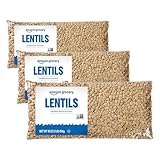
- The information below is per-pack only
- One 16 ounce bag of lentils
- Excellent source of fiber
- Non GMO
- May contain traces of wheat
A simple weekly pattern
- Choose one meal in which beans, lentils, peas or tofu are the main protein.
- Choose another meal where a pulse replaces part of the beef or lamb.
- Keep other protein foods you value, including fish, eggs, dairy or meat, and adjust only when a swap is practical.
- Use leftovers promptly or freeze portions so the food you buy is eaten.
There is no single required ratio of plant to animal foods. Taste, culture, budget, access, allergies and personal dietary requirements all affect what is realistic.
What the climate numbers actually compare
For a protein substitution, the useful unit is kilograms of carbon-dioxide equivalent per 100 grams of protein. Carbon-dioxide equivalent, or CO₂e, combines different greenhouse gases into one climate measure. A comparison per kilogram of food answers a different question because foods contain different amounts of protein and water. Protein-normalised figures ask how much climate pollution is associated with obtaining the same stated amount of protein.
The values below are global means from the Poore and Nemecek (2018) dataset, processed by Our World in Data. The underlying studies have a median reference year of 2010. They should not be read as a forecast for a specific local product or as the marginal effect of one purchase.
| Protein source or category | kg CO₂e per 100 g protein |
|---|---|
| Beef from beef herds | 49.89 |
| Lamb and mutton | 19.85 |
| Pork | 7.61 |
| Poultry meat | 5.70 |
| Eggs | 4.21 |
| Tofu | 1.98 |
| Other pulses | 0.84 |
| Peas | 0.44 |
On this measure, beef from beef herds averages about 25 times the emissions of tofu and more than 50 times those of peas per 100 grams of protein. Lamb and mutton also sit far above pork, poultry and eggs. Pulses and peas are the lowest entries in this set, while tofu remains substantially below the animal-protein categories shown.
Why production category matters
A label such as beef, seafood or poultry covers multiple production systems. The beef figure above is specifically for beef from beef herds; it is not a claim about every cattle system. Likewise, a single number does not represent every fishery, farm, feed system or region. Treat each row as an average for the named category, not a score assigned to every item in a shop.
Which swaps usually make the biggest difference
Replace beef first when it is acceptable
Beef has the highest average value in the table. Replacing a beef-centred meal with beans, lentils, peas or tofu therefore offers the largest contrast among the listed options. A lentil shepherd’s-pie filling, bean chilli or tofu noodle bowl can occupy the same role as beef while retaining a substantial protein ingredient.
Consider lamb and mutton next
Lamb and mutton have the second-highest value shown. A chickpea tagine, split-pea stew or bean-based kebab filling can provide a similar hearty centre. If you continue eating lamb, reducing portion frequency and using leftovers efficiently still avoids buying food that will be discarded.
Quick wins for a faster PC:
Clear out junk files and repair common Windows errorsFree Scan →Scan for outdated or missing drivers - takes under a minuteDriver Scan →Repair Windows errors before they cause bigger problemsFix Now →Rank #2

- WHAT'S INSIDE: 16 ounces of whole, dry lentils
- WHY YOU'LL LOVE IT: These lentils are an excellent source of fiber and contains no GMOs. Great addition to soups, salads, or as a side dish.
- HIGH QUALITY, LOW PRICES: Amazon Fresh brand products are all about high-quality food that fits every budget, every day.
- ONLY FROM AMAZON: Look for the Amazon Fresh label to find great deals on a wide selection of grocery essentials.
Use partial replacements for minced dishes
Minced meat is easy to blend with pulses because both absorb sauces and spices. Stir cooked lentils or beans into tacos, pasta sauce, stuffed vegetables or cottage-pie filling. Start with a proportion that preserves the texture you expect, then increase the pulse share as your household gets used to it. The climate comparison supports the direction of the swap; it does not prescribe a particular recipe ratio.
Keep lower-impact animal options in perspective
Pork, poultry and eggs have lower averages than beef and lamb in this dataset, but they remain above tofu, other pulses and peas. If a completely plant-based meal is not appealing, moving from beef to poultry or eggs can reduce average emissions relative to the beef category shown. Moving from those foods to pulses or peas generally produces a larger reduction on the same protein-normalised basis.
Build protein-centred meals with pulses and tofu
Pulses include beans, lentils, chickpeas and peas. They can be bought dried or cooked and canned. Tofu is made from soy and works in dishes where a firm, savoury component is useful. These foods are options, not obligations; select the ones that suit your cooking habits and dietary needs.
Beans
Use canned beans for speed: drain and rinse them, then add them to chilli, curry, grain bowls, salads or wraps. Dried beans can be economical when soaked and cooked in batches, but plan for the cooking time and follow the package’s safety directions. Mash some beans to thicken a sauce while leaving others whole for texture.
Lentils
Red lentils soften quickly and are useful in soups, dals and sauces. Green or brown lentils hold their shape in salads, stews and fillings. Cook a pot once, cool it safely and portion it for several meals. Lentils also work in a blended sauce when a household is adjusting to a new texture.
Peas and split peas
Frozen peas can be stirred into pasta, rice, frittatas or soups with little preparation. Split peas break down into thick soups and stews. The dataset’s pea value is the lowest listed, but that number is an average for the category, not a guarantee for every growing method or product.
Tofu
Pressing firm tofu removes excess water and helps it brown. Cube it for a stir-fry, crumble it into a spiced filling or bake it with a marinade. Silken tofu can be blended into sauces or used where a soft texture is wanted. Keep the seasoning and cooking method familiar so the change feels like a variation of a meal you already make.
Rank #3

- Iberia dry lentils can be used in a variety of recipes
- These high-quality lentils great for preparing lentil soup, adding into salads or stews or pairing with rice.
- No sugar, No cholesterol, No saturated fat and No trans fat.
- It's the perfect choice for a healthy diet.
Meal ideas that preserve the role of protein
Think of the protein component as the anchor of a dish, then retain the rest of the meal’s structure. This makes a substitution easier than inventing an entirely new cuisine.
- Chilli: replace the beef with kidney beans and lentils, keeping tomatoes, spices and toppings.
- Shepherd’s pie: simmer lentils, peas and vegetables in the same style of gravy, then cover with mashed potato.
- Stir-fry: use browned tofu or a mixture of tofu and peas with the vegetables, sauce and rice you already prefer.
- Pasta sauce: add green or brown lentils to a tomato sauce; reserve some whole for bite.
- Curry: use chickpeas or split peas with the same aromatics and serve with rice or flatbread.
- Wraps and tacos: season black beans or mashed chickpeas as the filling, then keep the usual salsa, cabbage and herbs.
These examples are cooking frameworks rather than nutrition prescriptions. If you have a medically required diet, an allergy, or a condition affected by food, use advice from a qualified professional when changing your usual pattern.
Keep animal foods without losing the climate benefit
Reducing climate impact does not require an identical diet for everyone. You might retain eggs at breakfast, fish on a particular day or dairy in a family recipe while changing the meals that most often contain beef or lamb. The table can guide priorities: the largest potential difference comes from reducing the highest-emission categories and replacing them with lower-emission protein foods.
Frequency matters in ordinary planning. A household that eats a pulse-based meal occasionally is making a smaller change than one that replaces several beef meals each week. Conversely, a modest substitution that is repeated and actually eaten can be more useful than an ambitious plan that leads to waste or is abandoned.
Account for the whole dish
The figures compare food-production categories on a protein basis. They do not calculate the emissions from your specific cooking energy, packaging, transport, condiments or side dishes. Use the data to choose the protein component, then avoid throwing away the rest of the meal. A low-impact ingredient that ends up in the bin has not delivered its intended benefit.
Free tools Windows power users keep installed
One-click scans. No signup required.
Reduce waste as a second practical lever
NHS England advises that reducing food waste and promoting healthy, low-carbon diets rich in seasonal fruit and vegetables, beans, pulses and other lower-carbon protein sources can support health benefits and carbon-emission reductions. Waste reduction complements protein swaps because it prevents the emissions associated with producing food that is never eaten.
Plan portions and storage
- Check the meals already planned before buying another protein.
- Cook only the amount your household will eat, or decide in advance how leftovers will be used.
- Label and refrigerate leftovers promptly, following local food-safety guidance.
- Freeze surplus cooked beans, lentils, soups or sauces in meal-sized portions.
- Use tender vegetables and opened ingredients in the next meal rather than treating them as separate shopping projects.
Buying dried lentils or beans can make batch cooking easier, but the evidence here does not establish a particular retailer, brand, price or product advantage. Choose a format that you will prepare and finish.
Rank #4

- CERTIFIED GLYPHOSATE RESIDUE FREE by the detox project.
- HIGH STANDARD OF EXCELLENCE: Palouse Brand foods are Certified Non-GMO Project Verified, Kosher, farmed Sustainably and cleaned in a food safe HACCP Certified facility.
- PROUDLY GROWN ON OUR FARM: Palouse Brand foods are proudly grown on our Washington State farm providing our customers truly authentic farm to table experiences. We grow our foods on our 125+ year old farm, harvest them, transport them, triple clean, and package them to be sent directly to our customers.
- LONG-TERM SHELF LIFE: Through food safety regulations we provide a Best By date of 3 years. However, when stored in an air-tight container, in a cool, dry location, Palouse Brand foods can last decades.
- Product packaging may vary.
Do not treat the climate ranking as a complete environmental score
Greenhouse-gas emissions are only one environmental dimension. The underlying analysis also considers land use, eutrophying emissions, freshwater withdrawals and scarcity-weighted water use. A food can perform differently across those measures, so a carbon ranking alone cannot settle every environmental comparison.
The study combined a large body of evidence: it screened 1,530 studies, added data from 139 authors, retained 570 studies after assessment and covered about 38,700 commercially viable farms in 119 countries and 40 products. Those numbers describe the scope of the analysis, whose median reference year was 2010; they are not current measurements of every farm.
Do these 3 things before closing this tab:
1Repair Windows errors before they cause bigger problems2Fix the driver behind crashes, sound loss and screen glitches3Clear out junk files and repair common Windows errorsGlobal averages have limits
Our World in Data calculated some nutritional-unit values where the original study did not provide them. Results therefore carry modelling and averaging choices. They are useful for identifying broad patterns, but they cannot predict the footprint of a particular brand, farm, restaurant meal or individual’s entire diet. Production methods and regional conditions can move a food’s result above or below the global mean.
A decision process for your next shop
- List the meals you eat most often. Mark which contain beef or lamb, since those categories have the highest averages in the comparison.
- Pick one repeatable swap. Choose beans, lentils, peas or tofu that fit a dish your household already likes.
- Test the texture and seasoning. Keep the familiar sauce, herbs or toppings and change only the protein centre.
- Scale the change to your routine. Repeat the meal weekly or fortnightly rather than setting a target you cannot maintain.
- Use leftovers deliberately. Refrigerate or freeze extra portions and schedule them before buying more ingredients.
- Review without guilt. If a swap fails, change the format, seasoning or recipe; the goal is a durable reduction, not perfection.
Questions to ask when reading another climate comparison
- Is the unit per kilogram of food or per 100 grams of protein?
- Does the label specify a production category, such as beef from beef herds?
- Are the values global averages or measurements for a named farm, region or product?
- Which environmental impacts are included besides greenhouse gases?
- Are the figures current measurements, or do they rely on studies with an older median reference year?
- Does the comparison describe the food itself, or a complete meal including cooking and waste?
Answering these questions prevents false precision. A table can show a broad pattern without telling you exactly what one item in your local shop will cause.
What a balanced change can look like
Suppose a household usually serves beef several times a week. Replacing one of those meals with lentil chilli, another with a bean filling and a third with tofu changes the highest-impact part of the menu while leaving room for other foods. If those meals are enjoyed and the ingredients are eaten, the household has made a practical shift without giving up protein.
Another household might retain a fish meal and eggs but use chickpeas in curry and peas in pasta. Someone else may begin with a half-meat, half-lentil sauce. These patterns are different, yet each follows the same evidence-based principle: compare like with like, prioritise lower-emission protein categories, and choose changes that can be repeated.
Crashes, No Sound, or Screen Glitches?
Random freezes, missing sound and display glitches usually trace back to one bad driver. Find and replace yours safely.Free scan · under a minuteWindows Errors? Fix Them Before They Spread
Repair common Windows errors and clear accumulated junk for a smoother, more stable PC - no reinstall needed.Free scan · no reinstallThe most defensible conclusion from the available data is modest but useful. Protein does not require beef or any single animal food, and replacing some high-emission protein choices with pulses, peas or tofu is associated with lower average greenhouse-gas emissions per 100 grams of protein in the cited global dataset. Keep the limits of the averages in view, consider other environmental impacts, and let practicality determine how far you change your diet.
Quick Recap
Product prices and availability are accurate as of the date/time indicated and are subject to change. Any price and availability information displayed on Amazon at the time of purchase will apply.

