Protect your garden by responding to the weather and soil conditions where you live—not by assuming El Niño guarantees heat or drought at your home. Mulch to slow moisture loss, place plants according to their sun and shade needs, and water deeply at the base when the soil needs it. Check local forecasts, drought information, and watering rules to decide when and how much to water.
What El Niño tells you—and what it doesn’t
El Niño is a climate pattern that can influence winter rain and snow patterns across parts of the United States, but it is not a neighborhood-level forecast. Its effects vary by region and from one event to another. NOAA also distinguishes meteorological, hydrological, agricultural, and socioeconomic drought; for a garden, the useful signals are local weather, soil moisture, drought conditions, and water restrictions. NOAA explains El Niño and its climate effects, while its drought overview describes the different ways drought can affect water and communities.
As an Amazon Associate I earn from qualifying purchases.
El Niño patterns can also differ according to where Pacific Ocean warming is concentrated. NOAA’s Pacific Marine Environmental Laboratory notes that climate models still have difficulty representing some cloud and sea-surface-temperature behavior relevant to forecasts. Treat a seasonal outlook as context, then adjust your garden care using conditions you can observe locally. NOAA PMEL’s El Niño overview describes the pattern differences and forecasting challenges.
The Tool Desk
Outbyte PC Repair FREERepair Windows errors before they cause bigger problemsFix Now →Outbyte Driver Updater FREEFix the driver behind crashes, sound loss and screen glitchesFind Drivers →How to reduce heat and drought stress in the garden
Cover bare soil with mulch
Mulch helps conserve water, stabilize soil temperature, suppress weeds, and add organic matter as it breaks down. NOAA Fisheries suggests applying 1–3 inches as needed and leaving about an inch of clearance around plant stems and tree trunks. Avoid piling mulch against stems or trunks. A soil test can help determine whether your garden needs nutrients; add compost or other amendments based on the test and the plants’ needs rather than assuming every bed needs them. NOAA Fisheries’ yard guidance covers mulch and soil care.
#1 Best Overall
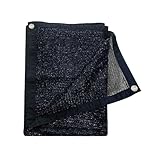
- 【55% Shading Rate】Made of 100% New High Density Polyethylene (HDPE) fabric material, has a shading rate up to 55% can avoiding direct sunlight while allowing free air circulation.
- 【2-3 Years Service Life】Refuse to use recycled materials, tear resistant, high temperature resistance, glossy, safe and odorless, lightweight and durable.
- 【Easy To Install】Package content: 1 piece-shade cover, Average 50 cm for an aluminum buckle, You can fix the sunblock shade on anywhere with zip-tie or rope, easy to hang up.
- 【Widely Used】The shade tarp is widely used in outdoor, canopy, backyard, deck, gazebo, pergola, porch, swimming pool, dump truck, greenhouse, garden, flowers, poultry house, succulent plants, tomatoes, barn, dog kennel, cattle chicken coop, etc.
- 【Designed for You】You can use our shading net to provide you with cool and comfortable areas in summer, it's great solution for shading, meet your different needs.
Match plants to their location
Choose plants suited to your region and put them where their light requirements can be met. Regionally appropriate native plants are worth considering, but a plant that needs partial shade may struggle and require more water if placed in full sun. Check the needs of each plant and account for the shade and exposure in the specific bed. A generic drought-tolerant seed mix is not a reliable recommendation without knowing your location and growing conditions.
Water deeply at the root zone
When watering is needed, focus on the soil around the roots rather than giving plants frequent, shallow sprinkles. Frequent small applications can encourage shallow roots and leave plants more dependent on regular watering. Check soil moisture and local guidance instead of following a fixed calendar: the right interval depends on your soil, plants, weather, and garden setup.
Rank #2

- 50% Filtered Sunlight for Gentle Spring Protection: This shade cloth offers a 50% shade rate, which is ideal for the spring season. It filters direct sun while allowing 50% of vital light to reach your plants, helping them thrive as they establish growth without the stress of intense midday sun. A great choice as a garden shade cloth for new seedlings and cool-season crops.
- Durable & Breathable Heavy-Duty Mesh Fabric: Constructed from UV-stabilized HDPE material, this heavy duty black mesh tarp is made for multi-season use. The woven design promotes airflow, reducing heat buildup and serving as a breathable tarp for various outdoor applications.
- Reinforced Edges & Grommets for Easy Setup: Featuring reinforced hems and metal grommets placed every few feet, this shade cloth with grommets is ready for simple installation. Easily secure it to frames, fences, or posts using zip ties or rope for a stable patio shade cover or garden protector.
- 10x20 FT Size for Versatile Coverage: The generous 10x20 foot size provides ample coverage for a patio seating area, a garden bed, or as a chicken run cover. Its dimensions make it a practical shade tarp for creating a sheltered space for plants, pets, or outdoor relaxation.
- Multi-Purpose Use for Gardens & Outdoor Living: This sun shade cloth serves many roles. Use it as a shade cloth for patio furniture, a protective shade cloth for plants, a privacy screen for your deck, or as a chicken coop tarp to provide shelter for your flock. It’s a functional solution for outdoor shade and light-diffusing needs.
Water at the base, preferably in the morning
Directing water to the base of plants helps it reach the root zone and can reduce runoff and evaporation compared with overhead watering. In hot weather, NOAA Fisheries recommends morning watering; watering before 10:00 a.m. gives water time to soak in before the day’s heat. Follow local watering restrictions even if they limit the time or method you would otherwise choose.
Windows Errors? Fix Them Before They Spread
Repair common Windows errors and clear accumulated junk for a smoother, more stable PC - no reinstall needed.Free scan · no reinstallOutdated Drivers Are Slowing You Down
One free scan finds every outdated or missing driver and matches the right update for your exact hardware.Free scan · exact hardware matchChoosing between a soaker hose and drip irrigation
Both options can deliver water at the base of plants. Neither is a universal winner: the better fit depends on the shape and size of your beds, how easily the system can be installed, whether it reaches the root zones you need to water, and your local rules.
Rank #3

- SIZE : 6.5 x 10 FT (W x L). (2 meters x 3 meters)
- Pro Growers Do : Shade cloth does NOT reduce the number of sunlight hours the plant receives. Using shade cloth is NOT the same as simply putting your plant in the shade. Shade cloth reduces the harshness of the UV rays to allow your plants to continue receiving sunlight without taking on the full force of it.Blocking up to 55% of sunlight, our shade cloth provides necessary UV protection for your plants, moderating temperature, improving ventilation, and reducing water requirements
- Strong Material : Manufactured from high-density polyethylene, The knitted construction of our product resists tearing
- Enjoy the Joy of Harvest :Shade cloth keeps plants and soil cooler. Using shade cloth can extend the production period for cool crops as the summer heat rolls in. It will also stop your cucumbers, tomatoes, peppers, and other warm crops from shutting down production when the full heat of summer arrives
- Widely Used : The Garden Shade Cloth is widely used in Patio, Greenhouse, Lawn Garden, Poultry House, Succulent Plants, Brans, Dog House, Swimming Pool, Car Parking Shading, Camping Site Shading etc
| What to compare | Soaker hose | Drip irrigation |
|---|---|---|
| Supported use | Base watering; a practical option in NOAA Fisheries’ guidance | Base watering; a practical option in NOAA Fisheries’ guidance |
| Layout fit | Consider whether the hose can follow the bed and reach the plants that need water | Consider whether the system can be arranged to serve the root zones in your bed |
| Installation and coverage | Compare ease of installation and coverage against your garden layout | Compare ease of installation and coverage against your garden layout |
| Which is more efficient? | Not established as a universal winner | Not established as a universal winner |
The available guidance supports both methods but does not establish that one is more efficient in every garden or provide product test results. Choose based on your site and water restrictions, not an assumption that one system always saves more water.
Independent reader supportYour contribution helps us test, update, and keep practical guides available for everyone.Use local information to adjust your plan
For gardens in the southeastern United States, NOAA’s AgroClimate resource provides drought, heat-stress, temperature, and precipitation tools. Gardeners elsewhere should look to their local extension service and climate or drought information, along with current water-use rules. NOAA AgroClimate is specifically focused on the Southeast; it is not a nationwide garden forecast.
Quick Recap
Best Value
- 70% Shade for Summer Heat: Battling summer heat? Our 70% shade cloth significantly reduces temperatures to protect vegetables and flowers from heat stress. It filters intense sun while allowing ample light for growth, making it a summer essential for your garden.
- Durable & Breathable Heavy-Duty Mesh Fabric: Constructed from UV-stabilized HDPE material, this heavy duty black mesh tarp is made for multi-season use. The woven design promotes airflow, reducing heat buildup and serving as a breathable tarp for various outdoor applications.
- Reinforced Edges & Grommets for Easy Setup: Featuring reinforced hems and metal grommets placed every few feet, this shade cloth with grommets is ready for simple installation. Easily secure it to frames, fences, or posts using zip ties or rope for a stable patio shade cover or garden protector.
- 10x20 FT Size for Versatile Coverage: The generous 10x20 foot size provides ample coverage for a patio seating area, a garden bed, or as a chicken run cover. Its dimensions make it a practical shade tarp for creating a sheltered space for plants, pets, or outdoor relaxation.
- Multi-Purpose Use for Gardens & Outdoor Living: This sun shade cloth serves many roles. Use it as a shade cloth for patio furniture, a protective shade cloth for plants, a privacy screen for your deck, or as a chicken coop tarp to provide shelter for your flock. It’s a functional solution for outdoor shade and light-diffusing needs.
Rank #4

- 【35-45% Sun Shade for Healthy Plant Growth】 This garden shade cloth blocks about 35-45% of harsh sunlight while still letting enough light through. Perfect for vegetables, flowers, seedlings, tomatoes, and other plants that need protection without full shade.
- 【Durable HDPE Mesh – Breathable & UV Resistant】 Made from 100% new HDPE material, this sun shade cloth is tear-resistant, UV-stabilized, and built for outdoor use. The breathable mesh design reduces heat buildup and improves airflow to keep plants cool.
- 【Reinforced Edges with Grommets – Easy to Install】 Reinforced hems with aluminum grommets spaced evenly for secure installation. Easily attach this shade tarp to fences, frames, pergolas, or greenhouses using zip ties or rope—no tools required.
- 【Heavy Duty & Long-Lasting for Outdoor Use】 Designed for multi-season use, this shade cloth holds up well against sun, wind, and heat. Lightweight yet strong, it’s suitable for long-term garden and outdoor shading applications.
- 【Multi-Purpose Shade Cloth for Garden & Yard】 Ideal as a plant shade cloth, greenhouse cover, patio shade, chicken coop cover, or kennel shade. A practical solution for gardens, backyards, decks, pergolas, and outdoor living spaces.
- Check local forecasts and drought conditions rather than treating an El Niño outlook as a prediction for your garden.
- Check soil moisture before watering and direct water to the root zone.
- Confirm local watering restrictions before choosing a watering schedule or method.
- Use local extension guidance for plant choices, soil amendments, and conditions specific to your area.
Product prices and availability are accurate as of the date/time indicated and are subject to change. Any price and availability information displayed on Amazon at the time of purchase will apply.
What’s actually slowing this PC down?
Pick the symptom - the matching free tool is one click away.

