Prepare for the flood risk in your area—not for El Niño in the abstract. The climate pattern does not predict whether a particular home will flood. Check local forecasts, flood alerts, river conditions, road closures and evacuation instructions, then make a plan to protect people, pets and property before rain arrives.
Start with your local flood risk and a way out
Check official flood-risk information for your home and nearby roads. Note where water tends to collect, identify a route to higher ground and choose a backup destination. Monitor local weather alerts and river conditions, and follow instructions from local authorities.
As an Amazon Associate I earn from qualifying purchases.
Flooding is not limited to land beside a river. The National Weather Service describes how repeated heavy rain and rising rivers during the 1997–98 El Niño floods caused water to pool over land miles from rivers. That is historical context, not a prediction that every El Niño will bring flooding to every region. National Weather Service Melbourne: Flood Safety Rules
Flash flooding can develop quickly. The National Weather Service warns: “Oftentimes flash floods can occur within minutes and sometimes without any sign of rain.” National Weather Service: Before a Flood
#1 Best Overall

- Water Activated Flood Barriers, Rated #1 in Flood Control
- Grows to 3.5in high in minutes, just get them wet
- Long, flexible design creates all sorts of shapes
- Use to control, contain & divert flood water
- Ready to use, no sand or labor needed
Prepare your household before rain is imminent
Plan for people, pets and essential needs
Agree on where household members will meet and how you will reach your destination. Include arrangements for anyone with medical or mobility needs, pets, medication and transportation. Pack essentials in advance so you are not gathering them during worsening conditions.
Keep food, water and medicine for at least three days, as the National Weather Service recommends. Also have a flashlight, batteries, first-aid supplies, sturdy footwear, gloves and a battery-powered radio. Charge phones and radios before a storm. National Weather Service: Before a Flood
Rank #2

- Water Activated Flood Barriers, Rated #1 in Flood Control.
- Grows to 3.5in high in minutes, just get them wet.
- Long, flexible design creates all sorts of shapes.
- Use to control, contain & divert flood water.
- Ready to use, no sand or labor needed.
Protect records and valuables
Move irreplaceable documents, electronics and valuables to a higher level of the home. Keep important records in dry, secure copies where possible. FEMA includes protecting important documents and valuables among its flood-preparedness advice. FEMA: Be Prepared for a Flood
Reduce avoidable water entry
Clear gutters, downspouts and nearby drainage routes so water can flow away from the building. If your home has a sump pump, check that it is working; consider backup power or a backup pump if appropriate for your setup. A pump can help manage water in a home with a sump system, but it is not a substitute for leaving when evacuation is advised.
Rank #3
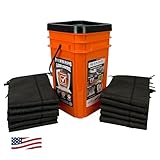
- COMPREHENSIVE FLOOD PROTECTION: Includes ten 5-foot water-activated flood barriers, providing up to 50 feet of coverage to manage leaks, spills, and flooding
- HIGH ABSORPTION CAPACITY: Each barrier absorbs up to 4 gallons of water, swelling to 3.5 inches high within minutes to form an effective barrier against water intrusion
- RAPID ACTIVATION: Barriers activate upon contact with water, expanding quickly to contain and divert floodwater without the need for sand or heavy lifting
- CONVENIENT STORAGE BUCKET: Comes with a durable, resealable orange bucket for organized storage and quick deployment during emergencies
- VERSATILE INDOOR & OUTDOOR USE: Suitable for protecting areas around doorways, garages, basements, and more from water damage. Not suitable for use with salt water, calcium, or chlorine
Ask a qualified professional whether plumbing check valves, changes to vulnerable utilities or permanent flood-mitigation measures suit your building. Electrical panels and other utilities may need protection, but installation and mitigation choices depend on the home. FEMA’s homeowner guidance discusses measures for reducing flood damage. FEMA: Protect Your Home from Flooding
Check flood-insurance coverage before a threat
The National Weather Service says standard homeowners insurance does not cover flooding. Review your policy with your insurer and confirm exactly what is covered and when coverage takes effect. The agency says many flood-insurance policies take at least 30 days to go into effect; your policy’s actual effective date may differ, so verify it directly rather than waiting for a storm. National Weather Service: Before a Flood
Rank #4

- No Sand Filling Required: Forget the hassle of traditional sandbags! This water-activated flood barrier only needs to be soaked in water—no messy sand required. It's lightweight, portable, and a smart, time-saving alternative to standard sandbags
- Quick Activation in 10 Minutes: In about 10 minutes, sandless sand bags expand up to 3.5 ~ 4 inches high after soaking. It's a fast and efficient way to prepare for incoming rain or floods—perfect for when every second counts during storm season
- Friendly to Earth & Durable: Made from durable canvas with reinforced stitching, this water barriers are filled with high-absorption polymer resin. When exposed to water, the resin turns into a pressure-resistant gel that's soft yet strong—won't burst under stress. It's friendly to earth, non-toxic, and safe to use. Note: A light powder may be present before use, and a slight gel residue may appear after soaking—both are normal
- 5-foot Multi-Pack Set: Each set includes 4 water-absorbing hurricane preparedness items flood barriers, each measuring 5 feet long and 8 inches wide when expanded. Ideal for covering larger areas or protecting multiple entry points quickly and easily.
- Versatile Flood Protection: These reusable hurricane supplies flood barriers are perfect for protecting doorways, windows, fences, gates, basement entries, garage doors, sewer drains, elevator lobbies, and more. Whether you're preparing for heavy rain, flash floods, or high winds, these barriers provide reliable protection when you need it most
When heavy rain or flooding is expected
- Monitor official information. Follow local alerts, forecasts, river conditions, road updates and evacuation instructions. Keep your phone and radio charged, and keep your departure essentials ready.
- Move items only if it is safe and there is time. Raise furniture and valuables, bring outdoor items inside, and use suitable flood-protection devices if you already have them and can deploy them safely.
- Leave promptly when advised or when flooding is likely. Do not delay evacuation to build a barrier or collect belongings if conditions are worsening. The National Weather Service advises leaving if your home is likely to flood. National Weather Service: Before a Flood
- Stay out of floodwater. Do not walk through moving water or drive onto flooded roads. Use official detours and follow evacuation instructions.
Do sandbags keep water out of a house?
Sandbags can be one temporary protective measure when there is enough time to place them, but they are not a guarantee that a home will stay dry. Placement and the home’s situation matter. FEMA gives an example of placing heavy plastic sheeting behind tightly stacked sandbags; this is a technique, not a promise of protection at every water depth or flow. FEMA: Urban Flooding: Guidance for Homeowners and Renters
Outdated Drivers Are Slowing You Down
One free scan finds every outdated or missing driver and matches the right update for your exact hardware.Free scan · exact hardware matchPC Slower Than It Used to Be?
A free scan shows the junk files, broken settings and background clutter dragging Windows down - then fixes them in one click.Free scan · Windows 10 & 11FEMA also describes portable gates, shields, inflatable floodwalls and flood skirts as temporary options. Choose only measures suited to the building and local conditions, and follow installation guidance. Do not spend evacuation time deploying a barrier when authorities advise you to leave.
Quick Recap
Best Value

- Water Activated Flood Bags, Rated #1 in Flood Control
- Grows to 3.5in high in minutes, just get them wet
- Use to control, contain & divert flood water
- Ready to use, no sand or labor needed
- Compact & Lightweight, stores away until needed
Keep the priority order clear
- Protect people and pets first, and follow official evacuation orders.
- Use local alerts and conditions to guide decisions; El Niño alone cannot tell you whether your property is at risk.
- Prepare supplies, a route to higher ground and important records before conditions deteriorate.
- Use pumps and temporary barriers as limited property-protection measures, never as reasons to enter floodwater or delay evacuation.
Product prices and availability are accurate as of the date/time indicated and are subject to change. Any price and availability information displayed on Amazon at the time of purchase will apply.

