Recommended Free Tools
Prepare for the possibility of flooding, not for a guaranteed flood at your address. El Niño shifts seasonal odds by changing the Pacific jet stream and winter storm tracks; it does not predict which streets will flood. NOAA says El Niño typically brings wetter winter conditions to parts of the southern United States, while the pattern varies by location and event. The NOAA Climate Prediction Center discussion dated September 17, 2026, raised the odds of above-normal precipitation across portions of the southern and central contiguous United States for fall and winter 2026–27. That is a seasonal probability, not a storm warning or a property-level forecast.
Use the latest NOAA and local National Weather Service forecasts for changing conditions, check your property on FEMA’s Flood Map Service Center, and follow local emergency alerts and evacuation instructions. Then reduce avoidable damage, prepare for power loss and evacuation, and review flood insurance before heavy rain threatens.
As an Amazon Associate I earn from qualifying purchases.
What El Niño means for your flood risk
El Niño is a recurring climate pattern in the tropical Pacific that influences the Pacific jet stream and the path of winter storms. Its typical U.S. signal is wetter winter weather across parts of the southern tier and milder conditions in northern areas. The outcome is not identical in every El Niño, and the seasonal pattern does not tell you whether a particular home will flood.
The September 17, 2026, Climate Prediction Center outlook described above-normal precipitation chances in portions of the southern and central contiguous United States for fall and winter 2026–27. “Above normal” means the odds are shifted compared with the climatological average; it does not specify rainfall totals, the date of a storm, or the depth of water at your property. Outlooks are updated, so check the newest CPC discussion rather than relying on a forecast saved earlier in the season.
#1 Best Overall

- Outstanding Performance: This sump pump battery backup system delivers 2500W pure sine wave output, supporting dual-pump operation (1 HP main + 1/3 HP backup). Includes a USB port and AC outlet, ideal for emergency use and a home prone to heavy rainfall
- Quick Plug-In Setup: Say goodbye to risky wiring. This sump pump battery backup inverter features a standard 3-prong plug for quick and secure installation. It reduces errors and electrical hazards. Just plug in, and you're ready
- Battery-Friendly Charging: Equipped with 3-stage charging (Bulk, Absorption, Float), this basement protection sump pump inverter automatically optimizes battery performance and service life. Compatible with 12V Lead-acid, AGM, Gel, and LiFePO4 batteries
- Real-Time Display: Stay informed with an LCD screen and LED indicators. This pure sine wave power inverter allows you to monitor voltage, battery level, and working status easily. Control with confidence
- Security Comes First: Designed with security in mind, this back up system for emergency includes built-in protection against overcurrent, overvoltage, short circuit, reverse polarity, and high temp. A circuit breaker adds another layer of safeguards
Flooding can occur wherever rain falls. Local drainage, elevation, soil, creeks, rivers, coastal surge, groundwater, construction, and blocked infrastructure often matter more to a single property than the broad El Niño pattern. A lower-risk designation on a map is not a guarantee that water cannot enter your home.
Use three information layers together
- Seasonal outlook: NOAA and the Climate Prediction Center indicate whether the odds of a wetter season are elevated.
- Short-range forecast: The National Weather Service and local officials provide current rain, river, flash-flood, and evacuation information.
- Property knowledge: FEMA’s Flood Map Service Center, local drainage information, prior flood history, and neighbors’ experience help identify vulnerabilities that a seasonal outlook cannot show.
Make a flood-readiness plan before the rainy period
Write the plan while conditions are calm. Include everyone who lives in the home, including children, older adults, people with disabilities, and anyone who depends on refrigerated or powered medical equipment. Decide in advance who receives alerts, who gathers pets, and who can help a neighbor.
Map risk and choose an evacuation destination
- Search for your address in FEMA’s Flood Map Service Center. Note the mapped zone and the nearest waterways, drainage channels, and access roads.
- Ask your city or county about streets that have flooded before, local sandbag procedures, and official shelter or evacuation information. Maps can lag behind development and changing drainage; treat them as one input, not a safety certificate.
- Subscribe to local emergency alerts and identify at least two routes to a destination outside the threatened area. Include a route that does not depend on a low bridge or a road beside a creek.
- Write down the destination, meeting place, contact outside the area, and transportation plan. Keep a paper copy with your emergency documents in case phones or internet service fail.
Prepare household and pet supplies
Assemble supplies where they can be carried quickly and keep a smaller go-bag for an ordered evacuation. Include drinking water, ready-to-eat food, prescription and essential over-the-counter medicines, first-aid items, flashlights, spare batteries, phone chargers, sanitation supplies, and weather-appropriate clothing. Store pet food, carriers, leashes, medications, vaccination records, and a list of pet-friendly destinations. Replace expired items and test battery-powered equipment periodically.
Choose one communication method that does not depend on a single person’s memory. A group text may work in a minor outage; write down phone numbers and an out-of-area contact for a longer disruption. Tell relatives or caregivers where the plan and supplies are kept.
Rank #2

- System comes preassembled and preplumbed so that installation is simple and quick
- Reliable design with durable ½ HP energy efficient copper-wound Permanent Split Capacitor (PSC) motor for long life and savings on your electric bills
- Includes a WiFi-capable battery backup system that provides 24-hour-a-day monitoring of pump, power and battery conditions; backup controller will sound an alarm, illuminate a warning light and describe what to do for easy maintenance
- Allows for connection to a Basement Watchdog CONNECT Module (BW-WiFi2—a SEPARATE PURCHASE), giving you real-time alerts via text, email, push notification or through the Basement Watchdog free app
- Provides days of intermittent pumping power on a single battery charge and is compatible with both maintenance-free AGM and wet-cell batteries. Connect two batteries in parallel for double the runtime.
Protect records and valuables
Move passports, birth certificates, titles, financial records, medicines, irreplaceable photographs, and small valuables above the highest water level you reasonably expect. Keep paper originals in a waterproof container and retain password-protected digital copies in a location accessible if the home is damaged. Do not put all copies in the same room or on the same device.
Reduce water entry and drainage problems
Small maintenance tasks can remove common pathways for rain and backup. Complete them before a forecast becomes urgent.
Clear gutters, downspouts, and drains
- Remove leaves and sediment from gutters and roof drains.
- Confirm downspouts discharge away from the foundation and are not blocked or crushed.
- Clear grates and drains on the property, but do not enter a drainage channel or remove a cover during active rain.
- Ask the local authority before altering a swale, ditch, culvert, or shared drainage feature; redirecting water can damage another property or violate local rules.
Do not climb onto a wet or damaged roof to perform last-minute work. Use a qualified professional when access is unsafe.
Free tools Windows power users keep installed
One-click scans. No signup required.
Check basement and plumbing vulnerabilities
Have a qualified plumber or mitigation professional evaluate whether your home is suitable for a backflow or check valve, sump pump, battery backup, water alarm, or other measure. The right choice depends on how water reaches the building: a sewer backup, groundwater entering through the foundation, surface runoff, or seepage are different failure modes.
Rank #3

- 【CONTINUOUS POWER】The Cantonape 2000 Watt Sump Pump Backup Battery System is a professional backup system in case of a power outage, featuring pure sine wave output, 2000 watts of powerful power output, LED display and 3 AC outputs, which produces a seamless, grid-like power output that is resistant to interference, can drive any type of load (resistive and inductive loads), has the highest conversion efficiency, and the lowest losses, and is therefore safer for all types of loads.
- 【CHARGING MODE】The 2000W sump pump backup battery system has a built-in 20A battery charger, which supports fast charging. In the event of a power outage, this sump pump battery backup system can quickly auto-switch to battery inverter power, ensuring continuous sump pump operation.
- 【LED DISPLAY】The Cantonape sump pump battery backup system is equipped with LED display, you can instantly monitor vital information such as battery voltage and AC voltage. Enjoy confident and informed decision-making every step of the way!
- 【SAFETY IN USE】The Cantonape sump pump battery backup system has a built-in cooling system and overload protector, as well as multiple protection functions such as overheat protection, short circuit protection, low voltage protection, overcharge protection, etc., which not only improves the safety of use, but also extends the service life of the device.
- 【MULTIPLE APPLICATIONS】Our sump pump battery backup system also works as a power inverter for many applications requiring backup power. You can use it to operate various electric devices, including lights, mobile phones, monitors, and other equipment. This inverter doesn't come with battery, a 12V GEL, AGM/SLA, Flooded/Wet battery is required for backup power operation.
A valve may address water moving backward through connected plumbing but will not stop rain entering through walls or windows. A sump system requires a compatible pit and discharge route. A battery backup still depends on battery condition, pump capacity, runtime, and a discharge line that does not freeze, clog, or send water back toward the foundation. Ask for maintenance intervals, alarm behavior, and what happens when the primary pump or power fails.
Elevating utilities, changing electrical equipment, installing permanent barriers, or modifying plumbing may require permits, a licensed professional, and local-code review. Do not cover an electrical panel, furnace, water heater, or fuel appliance in a way that creates a fire or access hazard.
Compare mitigation by the problem it solves
| Measure | Best matched failure mode | Infrastructure and installation questions | Power, maintenance, and limits |
|---|---|---|---|
| Backflow or check valve | Water moving into the home through a sewer or drain connection | Ask whether the existing plumbing is compatible; professional installation and code review may be required. | Usually a permanent plumbing modification; it does not stop surface runoff, groundwater seepage, or water entering through walls. |
| Sump pump | Groundwater collected in a foundation drainage system | Requires a suitable sump pit, discharge route, and correctly sized pump; a professional should assess the setup. | Depends on electricity and routine testing; a single pump can fail or be overwhelmed during extreme inflow. |
| Battery-backed sump pump | Groundwater during a power outage, if a compatible primary sump system exists | Confirm battery type, charging method, pump capacity, alarm, and installation requirements. | Runtime is finite and depends on the battery, pump load, and outage length; batteries need inspection and replacement. |
| Water alarm | Early detection of seepage, a plumbing leak, or sump failure | Place sensors where water would first appear and ensure the alert can be heard or received. | Needs working batteries and cannot remove water or prevent entry. |
| Temporary barriers or sandbags | Limited, localized surface runoff where officials permit their use | Placement, disposal, and local guidance matter; they are not a substitute for an engineered flood-protection system. | Require setup before water arrives and can be overtopped, moved, or placed incorrectly. |
| Utility elevation or permanent modification | Reducing damage to electrical, heating, water, or fuel equipment exposed to floodwater | Requires a qualified contractor, permits, and local-code review. | Permanent work has cost and access implications; it does not eliminate evacuation needs. |
No item makes a home floodproof. Select a measure only after identifying the path water is likely to take and confirming that the property, local rules, and maintenance capacity support it.
Review flood insurance before a storm
Standard homeowners and renters insurance generally does not cover flood damage. NOAA and Ready.gov describe flood insurance as separate coverage and cite a 30-day waiting period. The waiting period and exclusions can vary by policy, so confirm the current wording, effective date, covered building and contents, deductibles, and exclusions directly with your insurer or the National Flood Insurance Program.
Rank #4

- Maintenance free - no need to add battery fluid or distilled water
- Up to 40-hour protection (based on a 10% duty cycle) on the Basement Watchdog Big Dog (BWD12-120C+)
- Up to 48-hour protection (based on a 10% duty cycle) on the Basement Watchdog Special + (BWSP+) and Basement Watchdog Big Combination sump pump system (BW4000, CITS-50)
- Up to 80-hour protection (based on a 10% duty cycle) on the Basement Watchdog Emergency (BWE) and Basement Watchdog Combination sump pump system (DFK961, CITE-33)
- Runs various Basement Watchdog sump pump systems intermittently for days
Do not wait for a named storm, flood watch, or seasonal outlook to decide. A policy bought after a threat is visible may not protect against that event because coverage has not started. Ask how the policy treats basements, temporary housing, debris, vehicles, and belongings stored above or below the main living level. Keep the declarations page, insurer contact information, and claim instructions with your protected records.
What to do when heavy rain or flooding threatens
Use official instructions as the decision point
- Monitor local alerts, National Weather Service warnings, and instructions from emergency management. Conditions can worsen after rain begins.
- Evacuate when officials order it or when your planned route is becoming unsafe. Take medicines, identification, essential documents, pets, chargers, and the go-bag; do not delay for nonessential possessions.
- Do not drive around barricades, through a closed road, or into water whose depth or current you cannot judge. A vehicle can lose traction or be swept away in moving water.
- If told to shelter, move to the safest available level away from windows and avoid rooms where water or electrical equipment is entering. Keep your phone charged and conserve battery.
Stay out of floodwater and electrical hazards
Floodwater may contain sewage, chemicals, sharp debris, and live electrical hazards. Avoid skin contact, keep children and pets away, and do not touch wet electrical equipment while standing in water. If water is near electrical panels, outlets, appliances, or wiring, leave the area and wait for qualified utility or electrical personnel. Never use a candle, grill, camp stove, or other combustion device indoors or in an attached garage.
Use generators safely
FEMA’s 2025 information sheet specifies that generators and other fuel-burning equipment must be operated outdoors at least 20 feet from building openings such as windows, doors, and garages. Keep exhaust directed away from the building, follow the manufacturer’s instructions, and use properly rated connections. A generator should never be used in a basement, porch, carport, or other partially enclosed area. Carbon monoxide can accumulate without an obvious smell.
Crashes, No Sound, or Screen Glitches?
Random freezes, missing sound and display glitches usually trace back to one bad driver. Find and replace yours safely.Free scan · under a minuteWindows Errors? Fix Them Before They Spread
Repair common Windows errors and clear accumulated junk for a smoother, more stable PC - no reinstall needed.Free scan · no reinstallReturn and clean up after flooding
Wait for an official all-clear
Do not return merely because rain has stopped or nearby water appears lower. Roads, bridges, utilities, and buildings may remain unstable. Follow local officials’ re-entry instructions, including any boil-water notice or evacuation-zone restriction.
Best Value
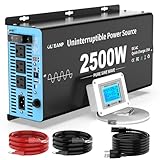
- 【Designed for Basement Flood Protection & Emergency Preparedness】: Protect your home from flooding during hurricanes, heavy rainstorms, and unexpected power outages. This sump pump battery backup system automatically switches from grid power to battery power, ensuring uninterrupted water removal and continuous basement protection. Ideal for homeowners in flood-prone areas and finished basement properties.
- 【Acts as a Reliable Emergency Backup Power Source (Battery Not Included)】: Serves as a dedicated emergency backup solution for primary or secondary sump pump systems. When utility power fails, it instantly transfers to 12V deep cycle battery power (battery required, not included) and automatically recharges when power is restored. Compatible with LiFePO4, AGM, GEL, and Flooded deep-cycle batteries.
- 【Built-in 25A Smart Charger with Multi-Stage Battery Protection】:Features a high-speed 25A charger with selectable charging modes to optimize battery lifespan. Includes overcharge, low voltage, overload, short circuit, and overheat protection. Designed for long-term reliability during storm season and emergency situations.
- 【2500W Pure Sine Wave Output – Safely Powers Sump Pumps & Essential Devices】: Delivers stable pure sine wave power capable of running sump pumps smoothly and efficiently without damaging sensitive equipment. With 3 AC outlets, USB port, and Type-C port, it can also support essential household devices during outages.
- 【LCD Remote Monitoring & Easy Installation】: Includes a remote controller with LCD display to monitor battery voltage, load status, and operating mode in real time. Supports wall mounting or flat placement with simple AC and DC connections — no complicated rewiring required. Trusted by homeowners, property managers, and contractors seeking dependable flood prevention solutions.
Check utilities and drinking water
Assume floodwater and potentially affected tap water are unsafe until local health authorities say otherwise. Do not turn on gas, electricity, or damaged equipment yourself. If you smell gas, see a damaged line, or notice sparking, leave immediately and contact the emergency utility number from a safe location.
Document damage before disposal when safe
- Photograph and record damaged rooms, structural components, appliances, vehicles, and belongings from a safe position.
- Make a room-by-room inventory with approximate purchase dates and receipts or digital records if available.
- Contact the insurer promptly and ask what documentation, emergency repairs, and debris-removal records are required.
- Keep receipts for reasonable temporary repairs and prevent further damage only when doing so does not put anyone at risk.
Protect people during cleanup
Wear waterproof gloves, sturdy footwear, eye protection, and appropriate respiratory protection for the task. Floodwater contamination can make ordinary household cleaning unsafe. Ventilate only when conditions and electrical systems permit. People with asthma, weakened immune systems, allergies, or other medical vulnerabilities should avoid buildings with visible or strong-smelling mold and ask a qualified professional or health provider for advice.
A practical preparation checklist
Before the rainy period
- Check the latest NOAA and local forecasts; remember that seasonal odds are not an address-specific warning.
- Look up the property on FEMA’s Flood Map Service Center and add local drainage and past-flood knowledge.
- Enroll in emergency alerts and write evacuation routes, destinations, meeting places, and contacts.
- Clear gutters, downspouts, roof drains, yard drains, and approved drainage paths.
- Move valuables, medicines, and records above likely water levels; protect paper originals and digital copies.
- Ask a qualified professional about backflow protection, sump equipment, alarms, utility elevation, and code requirements.
- Review flood insurance, including the stated 30-day waiting period and policy-specific exclusions, before a threat develops.
- Refresh supplies for people and pets, and test flashlights, chargers, alarms, and backup power.
When a flood threat is active
- Follow official alerts and evacuation orders rather than attempting to protect property at the last minute.
- Do not drive or walk through floodwater, pass barricades, or enter a closed area.
- Stay away from wet electrical equipment and contaminated water.
- Operate generators and fuel-burning equipment outdoors, at least 20 feet from windows, doors, garages, and other building openings.
After water recedes
- Return only after officials say it is safe.
- Check local guidance before drinking tap water.
- Document damage and contact the insurer.
- Use protective equipment and avoid mold-contaminated buildings if medically vulnerable.
Common mistakes that make flooding worse
- Treating El Niño as a neighborhood forecast: A seasonal precipitation outlook cannot tell you when your street will flood.
- Reading a low-risk map label as “no risk”: Rainfall, drainage failures, and changing development can produce flooding outside mapped high-risk areas.
- Buying a device without matching the failure mode: A sewer backflow valve, sump pump, alarm, and temporary barrier solve different problems.
- Waiting until a warning to investigate insurance: The cited 30-day waiting period can prevent coverage for an imminent event.
- Running a generator too close to the house: Exhaust near an opening can cause fatal carbon-monoxide buildup even outdoors.
- Entering water to save property: Contamination, hidden debris, unstable structures, and electricity make last-minute retrieval dangerous.
How often to revisit the plan
Review the plan before each wet season and whenever the household, address, insurance policy, drainage, or equipment changes. Recheck the latest CPC outlook and local emergency-alert registration because forecasts and official instructions can change. Test pumps, alarms, batteries, chargers, and communication contacts on a schedule you can maintain, and replace supplies that have expired or no longer fit household needs.
Quick Recap
Product prices and availability are accurate as of the date/time indicated and are subject to change. Any price and availability information displayed on Amazon at the time of purchase will apply.

