Prepare for a steam-heat conversion by documenting the existing system, commissioning a building-specific feasibility assessment from a qualified commercial HVAC design team, and checking infrastructure, safety, and local approval requirements before selecting equipment or scheduling construction. There is no universal replacement: the right approach depends on the building’s steam distribution, heating loads, available space and utilities, and tolerance for disruption.
1. Set the project goals and constraints
Write down why the business is considering conversion and what a successful project must deliver. The goal might be to replace failing equipment, improve reliability, reduce emissions, or change fuels; each can lead to different design priorities. Record the planning horizon, business hours, comfort concerns, planned renovations, and how much shutdown or phased work the business can tolerate.
As an Amazon Associate I earn from qualifying purchases.
Coordinate early with the building owner, landlord, property manager, tenants, and facilities staff as applicable. In a commercial building, the party paying for work, the party operating the system, and the people affected by outages may be different. The U.S. Department of Energy’s 2024 guidance on space-heating electrification for large commercial buildings treats feasibility as a process involving owners, contractors, and design teams.
2. Gather records about the current system
Collect what is available before a design team surveys the property. Useful records include boiler and burner specifications, service and repair history, utility bills, controls information, equipment schedules, and building drawings. Note recurring comfort complaints, rooms that overheat or stay cold, balancing problems, and any known limits on system operation.
#1 Best Overall

- CERTIFIED ACiQ SELLERS: Everything you need for reliable HVAC solutions!
- HEATING & COOLING: This Packaged Heat Pump Unit combines efficient air conditioning and dependable heating in a single system, ideal for residential or commercial use applications.
- ENERGY EFFICIENT: 13.4 SEER2 rating and R32 refrigerant provide efficient heating and cooling while helping reduce energy consumption, delivering reliable year-round comfort with low sound operation.
- CONVENIENT CONTROLS: Non-programmable 2 Heat / 1 Cool thermostat with memory retention, compressor protection, and adjustable limits for simple and effective temperature management.
- DURABLE BUILD: Heavy-gauge galvanized steel cabinet, enhanced coil protection, and fully insulated blower compartment for reliable operation and easier maintenance.
Identify separately what serves space heating and what supplies service hot water. They are different loads and may need different equipment or project scopes. DOE’s Heat Pump Water Heater Guide for Small Businesses addresses service-water heating; it is not, by itself, a design guide for replacing a steam space-heating system.
3. Commission a commercial feasibility assessment
Engage a qualified commercial HVAC engineer or registered design professional to evaluate the building before settling on equipment. Ask for a site assessment covering the boiler plant, steam distribution, terminal equipment, controls, operating profile, heating demand, and potential locations for replacement equipment. The assessment should also consider interactions with existing cooling systems and whether the proposed work can be built in the available spaces.
Rank #2
- CERTIFIED ACiQ SELLERS: Everything you need for reliable HVAC solutions!
- HEATING & COOLING: This Packaged Heat Pump Unit combines efficient air conditioning and dependable heating in a single system, ideal for residential or commercial use applications.
- ENERGY EFFICIENT: 13.4 SEER2 rating and R32 refrigerant provide efficient heating and cooling while helping reduce energy consumption, delivering reliable year-round comfort with low sound operation.
- CONVENIENT CONTROLS: Non-programmable 2 Heat / 1 Cool thermostat with memory retention, compressor protection, and adjustable limits for simple and effective temperature management.
- DURABLE BUILD: Heavy-gauge galvanized steel cabinet, enhanced coil protection, and fully insulated blower compartment for reliable operation and easier maintenance.
Make infrastructure an explicit part of the scope. DOE identifies feasibility and infrastructure needs as central issues when electrifying existing buildings with steam or hot-water boilers. Ask the design team to assess electrical service capacity and any likely upgrades, as well as other mechanical or utility work, constructability, and possible phasing.
Request a documented assessment of assumptions, open questions, and constraints—not just a preferred equipment type. The DOE guide is intended for existing commercial buildings considering heat-pump technologies such as air-to-water (A2W) hydronic heat pumps, variable refrigerant flow (VRF) heat pumps, heat-recovery chillers, or other strategies.
Rank #3

- CERTIFIED ACiQ SELLERS: Everything you need for reliable HVAC solutions!
- HEATING & COOLING: This Packaged Heat Pump Unit combines efficient air conditioning and dependable heating in a single system, ideal for residential or commercial use applications.
- ENERGY EFFICIENT: 13.4 SEER2 rating and R32 refrigerant provide efficient heating and cooling while helping reduce energy consumption, delivering reliable year-round comfort with low sound operation.
- INSTALLATION KIT: The unit includes a Non-programmable 2 Heat / 1 Cool Thermostat, a 3/4" X 4' 8 Gauge Electrical Whip, a non-fuse 60A Disconnect Switch, 2 Square to Round Adapters (14" & 16"), and a Backup Heat Kit of your choice.
- DURABLE BUILD: Heavy-gauge galvanized steel cabinet, enhanced coil protection, and fully insulated blower compartment for reliable operation and easier maintenance.
4. Compare only options the building can support
Ask the design team to identify feasible strategies, then compare them against the same building-specific criteria. DOE lists several possible approaches but does not establish a universal ranking; one option should not be treated as the default for every steam-heated business.
- Fit with existing distribution: How well does the option work with the building’s steam piping, terminal units, and controls? Would distribution or terminal equipment need substantial changes?
- Utilities and siting: What electrical capacity and other infrastructure are needed? Where could the equipment go, and are those locations practical?
- Heating and cooling needs: What performance does the design team estimate under local design conditions? How would the option interact with existing cooling equipment and service-water heating?
- Operations and construction: What maintenance and operator capabilities will it require? How much business disruption is expected, and can work be phased?
- Costs and performance: Compare project-specific installed-cost and operating estimates, with the assumptions stated. Do not rely on generic cost or savings promises in place of a building assessment.
5. Confirm local approvals and safety requirements
Before choosing equipment or setting a construction date, confirm the rules for the building’s jurisdiction and project scope. Ask which design professionals and licensed contractors are required, what permits and energy-code submissions apply, whether utility coordination is needed, and what inspections and commissioning will be required. Requirements vary by location; a city’s process should not be treated as a nationwide rule.
Rank #4
- CERTIFIED ACiQ SELLERS: Everything you need for reliable HVAC solutions!
- HEATING & COOLING: This Packaged Heat Pump Unit combines efficient air conditioning and dependable heating in a single system, ideal for residential or commercial use applications.
- ENERGY EFFICIENT: 13.4 SEER2 rating and R32 refrigerant provide efficient heating and cooling while helping reduce energy consumption, delivering reliable year-round comfort with low sound operation.
- CONVENIENT CONTROLS: Non-programmable 2 Heat / 1 Cool thermostat with memory retention, compressor protection, and adjustable limits for simple and effective temperature management.
- DURABLE BUILD: Heavy-gauge galvanized steel cabinet, enhanced coil protection, and fully insulated blower compartment for reliable operation and easier maintenance.
New York City illustrates why local review belongs early in planning. Its Department of Buildings’ owner boiler project checklist calls for a registered design professional and appropriately licensed contractors, advises investigating asbestos-containing material if it may be disturbed, and requires approvals before covered work starts. For permitted heating capacity above 600 kBTU/h, the checklist calls for commissioning. That threshold and those procedures apply to the cited NYC process, not automatically to projects elsewhere.
The Tool Desk
Outbyte Driver Updater FREEScan for outdated or missing drivers - takes under a minuteDriver Scan →Outbyte PC Repair FREEClear out junk files and repair common Windows errorsFree Scan →NYC’s boiler design-professional requirements explicitly list a change from steam to hot water as a boiler design change. NYC Local Law 154, by contrast, concerns specified new-building applications and filing dates; it is not a blanket retrofit obligation for every existing business. Check current rules for the actual property and project.
Best Value
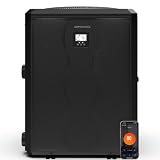
- Efficient Heating & Cooling for All Pools: 140000 BTU inverter system delivers fast heating and cooling for up to 42,000-gallon pools. Performs in 5°F temperatures—perfect for year-round residential or commercial use.
- Remote Control with Smart App: Connect via WiFi to adjust temperature, schedule run times, or turn the unit on/off remotely. Ideal for hands-free pool management anytime.
- Full Inverter for Energy Efficiency: Automatically adjusts output to reduce power use while keeping water at your desired temperature. Saves energy and lowers your electric bill.
- 3D Coil & Master Airflow Design: 330° 3D evaporator and high-efficiency airflow maximize heat transfer and extend service life. The pool heater for inground pool is designed for faster, more stable heating.
- Quiet 47dB Operation & IPX4 Shell: Operates at whisper-quiet 47dB for peaceful environments. UV-proof, waterproof housing stands up to sun, rain, and long-term outdoor use.
6. Plan for occupants and business continuity
Have qualified professionals assess whether intrusive work could disturb asbestos-containing material before work begins. Develop an occupied-building work sequence that accounts for affected spaces, outages, access, and temporary heating if needed. These plans depend on the building and the scope of work; do not assume that a generic construction schedule will fit an active business.
7. Authorize construction only when the scope is clear
Before approving construction, obtain a written recommendation that identifies the proposed scope, known infrastructure needs, applicable permit path, schedule assumptions, and commissioning and closeout obligations. Resolve material open questions with the design team and relevant authorities before committing to equipment procurement or a construction start.
For projects in NYC, the Department of Buildings states in its owner checklist: “The Owner of the building/property is ultimately responsible for the project, and their signature/consent is required for submission of the project application by their design professional, and Department approval.” Confirm the owner’s role and required approvals in the property’s own jurisdiction.
Quick Recap
Product prices and availability are accurate as of the date/time indicated and are subject to change. Any price and availability information displayed on Amazon at the time of purchase will apply.

