Recommended Free Tools
In the Yu-Gi-Oh! Trading Card Game, two players use Monster, Spell, and Trap Cards in a Duel. The usual goal is to reduce your opponent’s Life Points to zero, but the official rules also recognize losing when you cannot draw a required card and winning through a card effect. A turn moves through six phases, from Draw to End.
What is the goal of a Yu-Gi-Oh! Duel?
A Duel is a contest between two players using Monster, Spell, and Trap Cards. Players use their cards to challenge opposing monsters and work toward reducing the other player’s Life Points (LP) to zero. Konami’s official Rulebook & Beginner’s Guide describes this as the basic objective.

As an Amazon Associate I earn from qualifying purchases.
Three ways a player can win
- Reduce the opponent’s LP to zero. This is the standard way to win.
- Make the opponent unable to draw when required. If a player must draw a card but has none left in their Deck, that player loses.
- Meet a card’s stated victory condition. Some card effects can declare a player the winner when their conditions are met.
The official rulebook also says a Duel is a draw if both players’ LP reach zero at the same time. These outcomes are covered in the official rulebook; individual cards can add their own conditions and interactions.
Do these 3 things before closing this tab:
1Fix the driver behind crashes, sound loss and screen glitches2Repair Windows errors before they cause bigger problems3Scan for outdated or missing drivers - takes under a minuteWhat happens during each turn?
A turn has six phases in this order: Draw, Standby, Main Phase 1, Battle, Main Phase 2, and End. Not every turn includes a battle: you can skip the Battle Phase if you conduct no battles.
#1 Best Overall
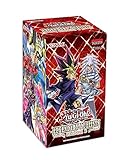
- Model Year: 2022
- 1 Secret Rare
- 6 Ultra Rares (2 standard Ultra Rares, 2 red Ultra Rares, 2 blue Ultra Rares)
- 30 Commons
- Target gender: unisex
1. Draw Phase
The turn player normally draws one card from their Deck. The player who goes first does not draw during the Draw Phase of their first turn. If you are required to draw and your Deck has no cards left, you lose.
2. Standby Phase
Resolve effects or costs that apply during the Standby Phase. Other legal effects may also be used here, so what happens can depend on the cards in play.
3. Main Phase 1
This is the first phase for your main actions, such as playing cards and preparing for battle. The exact actions available—and their timing—depend on the rules and the cards involved.
What’s actually slowing this PC down?
Pick the symptom - the matching free tool is one click away.
4. Battle Phase
You may conduct battles during this phase. If you do not conduct any battles, you may skip the Battle Phase and proceed to Main Phase 2 or, when appropriate, the End Phase.
Rank #3
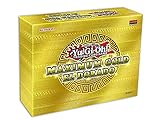
- Premium Gold Rare Cards Are Back!
- Expand your collection, start a new yugioh structure deck, or get back in the game with our premium Yugioh TCG 100 count card set. Each bundle is filled with variety and value. May contain yugioh exodia, dark magician, red eyes black dragon, black luster soldier, gwent cards, or exodia yugioh cards. No two packs are the same!
- These special Yugioh booster deck cards pack a punch! Each lot is equipped with 80 Common, 10 Non-Holo Rare, and 10 mix-rarity Holo Cards! Rare and holo cards will be unique with absolutely NO duplication.
- Are you or someone you love on the quest to collect the best Yugioh cards deck in the world? Level-up with the addition of 10 Holo Foil cards from across various sets and Yugioh card lots. Become one of the Yugioh legendary duelists!
5. Main Phase 2
After battling, you may take further main-phase actions, subject to the rules and to what you have already done during the turn.
6. End Phase
Resolve effects and end-of-turn procedures that apply. Then your turn ends and the opponent’s turn follows.
Rank #4

- Yu-Gi-Oh! TCG: 2 Player Starter Set
This is the beginner-level sequence, not a complete account of timing, chains, or every card-specific exception. The official English TCG rulebook explains the turn structure in more detail.
Which official guide should a beginner use?
| Resource | Best use |
|---|---|
| Rulebook | A structured reference for rules and turn phases. |
| Beginner’s Guide and play resources | An introductory overview of basic mechanics and gameplay updates, with links to further learning materials. |
| Official Yu-Gi-Oh! Neuron app and card database | Card information, detailed rules, and access to the Forbidden & Limited List. Find it through Konami’s official play page. |
What the rulebook does not cover
Konami’s rulebook page notes that its 2021 update does not cover Link Summoning, Link Monster Zones, or the updated location of Pendulum Zones. If you are learning one of those mechanics, pair the rulebook with Konami’s current beginner and play resources rather than treating the 2021 rulebook as a complete guide to every modern mechanic.
Quick Recap
Best Value
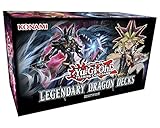
- Two 40-card Decks with 11-card Extra Decks!
- One 41-card Deck with a 10-card Extra Deck.
- variant art of Odd-Eyes Pendulum Dragon, Dark Rebellion Xyz Dragon, Clear Wing Synchro Dragon, and Starving Venom Fusion Dragon
- Each Deck has 5 foil cards
How to get started
- Read the official Beginner’s Guide for an introduction to basic mechanics.
- Use the rulebook to follow the six phases and check the basic rules of a Duel.
- When a card or mechanic raises a question the short overview does not answer, consult Konami’s current official play resources and card information.
- If you want physical cards to practice with, a Yu-Gi-Oh! TCG starter deck is optional; the official rulebook is available through Konami’s rulebook page.
Product prices and availability are accurate as of the date/time indicated and are subject to change. Any price and availability information displayed on Amazon at the time of purchase will apply.

