Crashes, No Sound, or Screen Glitches?
Random freezes, missing sound and display glitches usually trace back to one bad driver. Find and replace yours safely.Free scan · under a minutePC Slower Than It Used to Be?
A free scan shows the junk files, broken settings and background clutter dragging Windows down - then fixes them in one click.Free scan · Windows 10 & 11Take the headset off as soon as your ears hurt. Let them rest, then refit the headset so each ear sits fully inside its cup, reduce the headband’s clamp, and check that the cushion is not pressing the pinna or rubbing your glasses. Replace flattened, cracked or undersized ear pads with pads made for the exact headset model. If the discomfort is caused by loud sound rather than contact pressure, lower game and chat levels, enable a volume limiter or safe-listening mode, and take a quiet break.
Pain that continues after removing the headset is a reason to stop using it and seek medical advice. Persistent ringing, muffled hearing, fullness in the ear, reduced sensitivity or trouble following conversations warrants a hearing evaluation.
As an Amazon Associate I earn from qualifying purchases.
Stop the pain before changing anything
A painful headset is not something you should “break in.” Continuing to wear it can turn a small pressure point into irritated skin, a sore outer ear or heat rash, and loud audio adds a separate risk to hearing. Use this sequence the first time discomfort appears:
- Remove the headset completely. Do not leave the cups resting on your ears during the break.
- Give your ears a quiet period. If the pain is significant, wait until normal comfort returns before testing the fit again.
- Inspect both ears and the pads. Look for redness, a crease where the cushion contacts the pinna, cracked covering, flattened foam or dampness.
- Refit at low volume. Center each cup over the ear, loosen the headband one adjustment at a time and check whether the seal remains comfortable.
- Remove pressure sources. Take off a hat, move hair away from the cushion and check whether glasses are being pushed into the side of your head.
- Test for sound-related discomfort. If the ears feel full, ring or become sensitive even when the cups are not touching them, keep the headset off and reduce future listening levels.
- Stop using it if pain returns immediately. A fit that hurts within minutes needs a physical change, not a longer wearing period.
Identify what is actually hurting
Clamp pressure and headband tension
A tight headband pushes the cups inward. The pressure is concentrated at the jaw, temples and the outer rim of the ear, especially when the cups are small. A headset can feel acceptable for a short game and become painful after an hour because the load is continuous.
#1 Best Overall
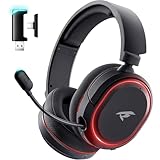
- 🎵【7.1 Surround Sound & Aesthetic Decorative Light】 UG-08S PC gaming headset can provide you with a cinema 3D stereo surround sound experience, designed specifically for gamers and audiophiles and multi-platform Compatibility. Long-press the 'M' key to activate 7.1 surround sound and dynamic driver reproduces deep bass and clear highs. Which allows you to hear every detail in the game with pin-drop clarity from up to 40 feet away. Such as teammates' voices, footsteps, direction, and more. Double-click the M key to activate the ambient light, then single-click the M key to switch between two modes: steady light and gradient. Valorise wireless pc headset will bring a cooler gaming atmosphere.
- 🔋【Extraordinary 100-Hour Battery Life & Support Use While Charging 】Valorise PS5 headset has a sustainable game time of 45-100Hrs. 100-hour playtime via bluetooth mode, turn off RGB lights and microphone. 45-hour playtime via 2.4GHz dongle mode, turn on RGB lights and microphone. With a low battery alert for timely recharging, our wireless PS5 headset supports simultaneous charging and use. Even if it runs out of battery, 3.5mm headphone jack is still available for console gaming using. Full-recharge in just 2-3Hrs.
- ⚡【2.4GHz Wireless & Bluetooth 5.4 & 3.5 mm】 Experience the Valorise Wireless Gaming Headset, designed with wide compatibility for gaming devices like PS5, PS4, PC, Mac, phone, pad, Nintendo Switch. One step to setup the wireless headset by plugging in USB & Type-C 2.4G transmitter(ultra-low latency ≤5ms). Which has better freedom and more stable data transmission than traditional wired gaming headsets. Switch to bluetooth mode with a simple 3-tap for mobile devices like phones, tablets and Switch. For those preferring a wired setup, connect to various gaming devices via a standard 3.5mm cable.
- 🎙️【Retractable ENC Noise-Canceling Microphone & One-touch Mute】Equipped with a 360° omnidirectional Noise-Canceling microphone. Our wireless headset can accurately calculate the speaker's direction, preserving the target voice while eliminating background noise for improved call quality. Gaming headsets with mic ensure your voice are relayed in high-definition clarity to your teammates, even in the heat of battle. Meanwhile, the retractable microphone combines the advantages of various types of microphones: ultra-low latency, high sound reproduction, concealability, and portability, the perfect gift for gamers and music enthusiasts.
- 🎧【Ergonomic Memory Sponge Cushions & Passive noise cancellation 】Combine soft lightweight memory sponge cushions and breathable fabric, complemented by the flexibility of rotating ear cups and adjustable angles. Valorise pc gaming headset are designed to perfectly fit the shape of your head, providing a customized fit. Breathable fabric minimizes sweat and heat, experience long-lasting, comfortable wear without squeezing your head. With ear cups designed to envelop your ears, effectively isolates environmental noise, enjoy passive noise cancellation without the need for active noise cancelling.
The ear is touching the cup or driver grille
Over-ear cushions should surround the pinna rather than fold it into the cup. If the opening is too shallow or narrow, the ear may press against the internal grille. That produces a localized sore spot that can feel like a bruise. Re-centering the cups sometimes fixes it; a larger or deeper, model-compatible pad is the durable fix.
Glasses, hair and hats create pressure points
Glasses temples can be trapped under the cushion and increase clamp force at one small area. Thick hair, a ponytail or a hat can prevent a consistent seal and make the headband sit at an awkward angle. Test the headset with hair clear of the cups and without a hat. If you wear glasses, make sure the arms lie flat rather than being bent sharply against the cushion.
Heat, sweat and moisture
Warm, damp pads become less comfortable and can lose their shape. Leather-like surfaces usually retain more heat than breathable fabric, while worn coverings can expose rough edges. Remove the headset during breaks, wipe the pads with a clean, slightly damp cloth that is safe for the pad material, and let them dry fully before storage. Do not saturate the ear cups or use heat to dry them.
Loudness rather than contact pressure
If pain, ringing or fullness remains after the headset is removed, the problem may be sound exposure. Risk depends on both loudness and duration: turning audio up to overcome room noise increases the dose even when each individual sound seems tolerable. Explosions, bass transients and sharp chat peaks can be uncomfortable at a lower average volume than a steady soundtrack.
Refit the headset step by step
Make adjustments while the game is paused and audio is low. Change one thing at a time so you can tell which adjustment helped.
- Set the headband on the crown of your head. The band should support the headset without pressing hard on one spot. Extend both sides evenly rather than sliding only one side.
- Center the cups. The opening should be centered around each ear. The front and rear edges should not cut across the pinna, and the ear should not be folded under the cushion.
- Reduce clamp pressure gradually. Loosen the sliders one notch at a time. After each notch, gently move your jaw and turn your head. Stop when the cups remain stable without squeezing.
- Check the seal. A comfortable seal should not require force. If loosening the band makes the cups slip or leaves one ear exposed, the headset may be too small for your head or the cushion may have collapsed.
- Check accessories. Remove a hat, reposition hair and check that glasses arms are not trapped under the pad. If one side still hurts, compare the left and right pad height and cup alignment.
- Wear it briefly. Try 10 to 15 minutes at low volume, then remove it and inspect for a red line or tender spot. Increase sessions only if the fit remains comfortable.
Do not bend the headband aggressively or force the cups outward. That can damage the frame, weaken the seal or create uneven pressure. If the headset has a manufacturer-approved adjustment method, follow that method rather than applying continuous force.
Rank #2
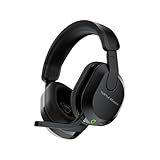
- Compatible with PlayStation 5, PlayStation 4, PC & Mobile Devices Only
- Mappable Wheel and Mode Button for Customizable Functions
- QuickSwitch Button for Seamless Wireless to Bluetooth switching
- Flip-to-Mute Mic with A.I.-Based Noise Reduction
- Multiplatform, Low-latency 2.4GHz Wireless plus Bluetooth 5.2
Replace worn or shallow ear pads
Ear pads are consumable parts. Foam flattens, seams crack and the opening can become too small for the ear. Replacement pads can restore clearance and distribute pressure, but only when they are designed for the exact headset model.
The Tool Desk
Outbyte PC Repair FREEClear out junk files and repair common Windows errorsFree Scan →Outbyte Driver Updater FREEScan for outdated or missing drivers - takes under a minuteDriver Scan →Check compatibility before ordering
- Write down the complete headset model, including a revision or wireless suffix.
- Confirm the attachment method, such as a retaining lip, ring or clips, matches the replacement set.
- Compare the replacement cup opening, outer diameter and depth with the original. A pad can fit the mount yet still be too shallow for your ear.
- Check whether the pad material changes the seal or microphone performance. A different thickness can alter how the cups sit.
- Use the seller’s return policy as a safeguard when dimensions are unclear.
Install and test without damaging the headset
- Power the headset off and disconnect or remove its battery if the manufacturer requires it for servicing.
- Remove the old pad by releasing its retaining edge or fasteners. Do not pull on the cable, driver grille or microphone.
- Clean loose debris from the mount with a dry, soft cloth. Keep liquid away from the driver.
- Fit the new pad evenly around the entire mount. An incomplete seal can create uneven clamp pressure and change the sound.
- Check that no fabric or foam covers the driver opening.
- Test the fit at low volume for a short session. If the pinna still touches the grille, the replacement is not deep enough.
Do not assume a thicker pad is automatically better. Extra thickness can reduce the cup’s stability, increase the headset’s weight leverage or change isolation. The goal is enough clearance for the whole ear with even, breathable contact.
Control volume and exposure
The World Health Organization (WHO) recommends keeping device volume at no more than 60% of maximum, using well-fitted and noise-cancelling headphones, and taking a 10-minute break every hour while gaming. WHO gives illustrative exposure limits of 80 dB for up to 40 hours per week and 90 dB for four hours per week. These figures describe exposure, not a guarantee that every headset’s percentage setting equals a particular sound level; actual output depends on the device, headset and content.
The Centers for Disease Control and Prevention (CDC) likewise states that risk depends on loudness and duration and recommends turning volume down and taking breaks from noise. A volume limiter or safe-listening setting is useful because it prevents sudden peaks from bypassing your normal level.
| Guidance | Reference value | How to apply it |
|---|---|---|
| WHO device-volume ceiling | No more than 60% of maximum | Use as a simple ceiling, then lower it if sound is uncomfortable or the room is noisy. |
| WHO illustrative exposure limit | 80 dB for up to 40 hours per week | Consider total weekly listening time, not only one gaming session. |
| WHO illustrative exposure limit | 90 dB for four hours per week | Higher levels allow substantially less time; avoid using this as a target. |
| ITU-T H.872 adult reference mode | 80 dBA | Use configurable volume controls, exposure tracking and warnings where available. |
| ITU-T H.872 child reference mode | 75 dBA | Choose the lower reference for children and supervise listening time. |
Lower the game and chat channels independently when possible. Explosions and bass can be reduced in the game mixer, while a chat slider prevents voices from becoming sharp peaks. Do not compensate for traffic, fans or other background noise by turning the headset up; reduce the background noise, move to a quieter room or use appropriate noise cancellation instead.
Free tools Windows power users keep installed
One-click scans. No signup required.
WHO Assistant Director-General Dr Jérôme Salomon summarizes the prevention approach: “Everyone can take steps today to ensure good hearing health throughout their life.”
Rank #3

- 【Dual-Mode Wireless with Ultra-Low Latency】Enjoy both 2.4 GHz and Bluetooth 5.4 connectivity with a guaranteed maximum latency of 20 ms. Whether you’re on devices, you get rock-solid audio synchronization for split-second reactions.
- 【4-in-1 Universal Connectivity】AOC PS5 Headset is equipped with USB-A, Type-C, Bluetooth 5.4, and 3.5 mm wired modes, this single gaming headset wireless plugs into consoles, mobile devices, and more—eliminating the need for multiple adapters or extra purchases. * Bluetooth modes are incompatible with PS5, PS4.
- 【High-Resolution 7.1 Virtual Surround Sound】AOC PC Gaming Headphones is equipped with dual acoustic chambers and 50 mm graphene diaphragms, plus a built-in DAC delivering 96 kHz/24-bit output, this wireless gaming headset reproduces directional footsteps, reloads, and ambient effects with pinpoint clarity.
- 【Lightweight, Ergonomic Comfort】Weighing just 239 g, the wireless gaming headphones features protein-leather earcups with breathable foam and an adjustable headband that maintains even clamp pressure. Extended sessions remain fatigue-free, even after hours of play.
- 【Long-Lasting Battery with Fast Charge】The AOC over-ear wireless gaming headset can power through up to 45 hours of gameplay on a single charge. A full recharge takes only 2 hours via USB-C, and you can continue gaming while charging so you’ll never be sidelined when the battery runs low.
Build breaks into every gaming session
Take the headset off completely for at least 10 quiet minutes every hour. A break is not the same as muting the game while leaving the cups on your ears. Use the time to let the skin cool, check for redness and notice whether ringing or fullness is developing. Alternate headset use with speakers or quiet periods when practical.
- Start a timer before a long session so the break does not depend on noticing discomfort.
- Remove the headset during menus, loading screens and conversations that do not require private audio.
- Keep the ear cups dry between sessions; store the headset where air can circulate.
- Stop for the day if the ears remain tender after a break.
Choose a more comfortable replacement
If refitting and new pads do not solve the problem, compare another headset by fit and safety features rather than appearance alone. The following checks address the causes of pain directly.
| What to compare | Questions to ask | Why it matters |
|---|---|---|
| Cup opening and ear clearance | Does the entire pinna fit inside without touching the driver grille? | A larger or deeper opening prevents folding and localized pressure. |
| Clamp force and headband adjustment | Can both sides be extended evenly, and does the headset remain stable when loosened? | Adjustability lets you reduce squeezing without losing alignment. |
| Cushion material and breathability | Will the surface stay comfortable during heat and sweat? | Breathable contact can reduce moisture and heat buildup. |
| Weight | Does the headband distribute the weight without a crown pressure point? | Heavier designs can become uncomfortable over long sessions if support is concentrated. |
| Noise isolation | Can it reduce room noise without forcing you to raise volume? | Less background noise reduces the temptation to listen louder. |
| Independent game and chat controls | Can you lower explosions or chat peaks separately? | Separate controls make sudden, uncomfortable sounds easier to manage. |
| Volume limiting or safe-listening mode | Can you set a maximum level or receive exposure warnings? | A configurable ceiling helps prevent accidental high-volume listening. |
| Microphone and platform compatibility | Does it work with your console, computer or phone, and is the microphone connection suitable? | A poor connection can lead to repeated adjustments or louder monitoring. |
| Return policy | Can you return it after a careful fit test? | Comfort depends on your ear and head shape; a return option limits the risk of an unsuitable fit. |
Test any replacement at low volume and in the posture you normally use. Check comfort after 15 minutes, then again after an hour. A headset that feels fine while sitting upright may press differently when you lean forward.
Recommended Free Tools
What to do when over-ear cups still hurt
Use speakers or quiet periods
Speakers remove cup pressure entirely. They are practical when privacy is not required and can give irritated skin time to recover. Keep the room quiet enough that you do not need to raise speaker volume excessively.
Do not switch to in-ear earbuds automatically
In-ear earbuds are not a universal comfort fix. If your discomfort involves pressure in the ear canal, earbuds can make it worse. Stop using them if they create canal pressure, pain or a blocked sensation.
Consider whether the problem is the headset or the sound
Physical pain that disappears as soon as the cups come off points toward fit, pad condition or pressure from glasses and hair. Ringing, muffled hearing, fullness or reduced sensitivity points toward a sound-exposure concern and should be treated as a reason to reduce exposure and seek evaluation if it persists. Both problems can occur together, so changing pads does not make loud listening safe.
Rank #4

- Dual surround sound: Feel like you're stepping inside the game with JBL QuantumSURROUND and DTS Headphone:X version 2.0 technology that lets you experience immersive, multichannel 3D audio all around you.
- Hear every detail with Hi-Res drivers: Fully immerse yourself in JBL QuantumSOUND. Hi-Res 50mm drivers position even the tiniest audio details with pinpoint accuracy, from the twig snap of an enemy moving into position to the steps of a zombie horde shuffling up behind you. When it comes to gaming, sound is survival.
- Dual wireless: Never miss a second with the dual solutions of lossless 2.4GHz wireless and Bluetooth 5.2 eliminating audio lags and dropouts.
- Active Noise Cancelling technology for gaming: Designed for gaming environments, the JBL Quantum 810 Wireless's Active Noise Cancelling system eliminates unwanted background sounds so you can stay fully engaged in your mission without distractions.
- Play & charge at the same time: Game all day and night with up to 43 hours of battery life that charges as you play. Unlike some teammates out there, JBL Quantum 810 Wireless never quits—and never lets you down.
Troubleshooting common comfort failures
“The headset hurts only one ear.”
Check whether one cup is lower, one pad is more compressed or one glasses arm is trapped. Extend both sliders evenly, then center each cup independently. If the same ear hurts with different headsets or without a headset, stop testing and seek medical advice.
What’s actually slowing this PC down?
Pick the symptom - the matching free tool is one click away.
“It feels fine at first but hurts after an hour.”
Measure the session rather than waiting for pain. Use the hourly 10-minute removal break, lower the clamp one notch and check for heat or sweat. Flattened foam may feel acceptable briefly and collapse under longer pressure; replacement pads are indicated when the ear begins touching the grille.
“Loosening the band makes the headset slip.”
The headset may be too small, too heavy for its adjustment range or using pads that no longer hold their shape. Do not solve slipping by tightening until it hurts. Try a compatible deeper pad or a different headset with a wider adjustment range and better weight distribution.
“The seal is comfortable, but explosions hurt.”
Lower the game’s effects and bass channels, keep the master level below 60% of maximum and enable a limiter or safe-listening mode. If discomfort or ringing continues after the session, take a quiet break and monitor the symptoms rather than raising volume for quieter scenes.
“New pads changed the sound.”
Pad thickness and material affect the seal and therefore the sound. Recheck that the pad is mounted evenly and that it does not cover the driver opening. If the new sound encourages you to raise volume, return to the original pads or choose a compatible set that preserves a comfortable seal.
When to stop using the headset and seek care
Stop using the headset and seek medical advice if pain persists after removal and refitting, if the outer ear is swollen or damaged, or if symptoms repeatedly return with normal-volume listening. Seek prompt hearing evaluation for persistent tinnitus, muffled hearing, fullness, reduced sensitivity or difficulty following conversations. WHO specifically advises contacting a professional for persistent tinnitus or difficulty hearing high-pitched sounds or following conversations.
Do not attempt to diagnose hearing changes by repeatedly increasing the volume or switching to earbuds. A clinician can distinguish an irritated outer ear from a hearing or ear-canal problem and advise when it is safe to resume headset use.
Quick Recap
A practical comfort routine
- Before gaming, check that the pads are dry, intact and large enough for your ears.
- Put the headset on with the band centered and both cups fully surrounding the ears.
- Set the device below 60% of maximum, then lower game effects and chat peaks if needed.
- Set a 10-minute timer for every hour and remove the headset during the break.
- At the first sign of pain, ringing, muffled hearing or fullness, stop and rest rather than tightening, turning up the volume or switching to earbuds.
- If the problem repeats, replace the pads or headset only after confirming dimensions, compatibility, safety controls and the return policy.
Product prices and availability are accurate as of the date/time indicated and are subject to change. Any price and availability information displayed on Amazon at the time of purchase will apply.

