What’s actually slowing this PC down?
Pick the symptom - the matching free tool is one click away.
Maintaining strength during cancer treatment usually calls for two coordinated steps: address eating problems early with your oncology team and dietitian, and choose physical activity that fits your treatment effects and current abilities. Extra calories or protein can help some people, but eating more cannot prevent every kind of muscle loss; exercise goals also need to be individualized rather than treated as a one-size-fits-all prescription.
Why cancer treatment can affect strength and muscle
Cancer and its treatment can disrupt appetite, taste, smell, swallowing, digestion, and the body’s ability to absorb enough nutrients. Nausea, vomiting, diarrhea, constipation, dry mouth, mouth or throat sores, and feeling full quickly can all make it harder to eat. Side effects differ by treatment and from person to person, even among people receiving the same treatment. The National Cancer Institute (NCI) describes these challenges in its nutrition guidance and side-effect overview.
As an Amazon Associate I earn from qualifying purchases.
When the body does not get or use enough nutrition, malnutrition can contribute to weakness and loss of muscle and fat. Cancer-related cachexia is a wasting syndrome that can also cause weight and muscle loss. It may occur even when someone is eating adequately, so muscle loss is not always something a person can prevent simply by eating more or adding protein. NCI’s Nutrition PDQ describes nutrition goals as dependent on a person’s nutrition status; a single eating target does not fit everyone.
Quick wins for a faster PC:
Clear out junk files and repair common Windows errorsFree Scan →Scan for outdated or missing drivers - takes under a minuteDriver Scan →Repair Windows errors before they cause bigger problemsFix Now →How to eat when appetite or intake is a problem
Some people need extra calories and protein during treatment to help maintain strength and cope with side effects. The appropriate amounts depend on the person’s cancer, treatment, symptoms, health, and nutrition status. Ask the oncology team for a referral to a registered dietitian, who can assess needs and tailor advice rather than relying on a universal protein target. NCI explains that extra calories and protein may help during treatment.
#1 Best Overall

- HIGH PROTEIN & NO ADDED SUGAR: 30g of protein and no added sugar per shake fuels your body so you can take on the day
- ON-THE-GO: Ready-to-drink and portable for mornings, workouts, afternoon snacks, or anytime you want a flavorful shake that fits into your lifestyle
- SMOOTH DELICIOUSNESS: Creamy, delightful flavors like Chocolate, Vanilla, Caramel, and Café Latte, so you can sweeten your day and savor the moments that fuel your lifestyle
- SWEETEN YOUR JOURNEY: Be part of a movement that makes everyday living flavorful and joyful. Premier Protein is about embracing life and feeling your best
- NUTRITION YOU CAN TRUST: Gluten-free and packed with 24 essential vitamins and minerals, so every sip supports your lifestyle and adds a boost of goodness to your daily routine
When appetite is low or you feel full quickly
- Try five or six smaller meals or snacks instead of relying on a few large meals.
- Choose high-protein, high-calorie foods when they are tolerated, and eat protein-containing foods first if you can manage only a small amount.
- Add calories or protein to foods where appropriate, following advice from your dietitian or care team.
- Drink most fluids between meals if liquids with meals make you feel full.
When solid food is difficult
Soups, smoothies, milkshakes, or blended drinks may be easier to manage when solid food is unappealing or difficult to swallow. A blender can make smoothies easier to prepare, but it is optional. Nutrition drinks may suit some people, but the formula, ingredients, tolerance, and possible treatment interactions should be discussed with the care team rather than assumed to be appropriate.
When symptoms make eating hard
Tell the care team about ongoing difficulty eating, unplanned weight changes, swallowing problems, persistent nausea or vomiting, diarrhea, or concerns about dehydration. These problems may need symptom management or a dietitian’s assessment. If food and drink intake remain difficult to maintain, the team can discuss whether other nutrition support, such as tube feeding or IV nutrition, is appropriate. These are clinical options, not self-directed steps. NCI outlines these approaches in its nutrition guidance.
Rank #2

- 30g PROTEIN & 1g SUGAR: Each Ensure Max Protein shake has 30g protein to support muscle health and manage hunger
- 25 VITAMINS & MINERALS: Formulated with nutrients to support immune, bone, and brain health, as well as energy metabolism
- SUPPORTS DIGESTIVE HEALTH: Contains 4g fiber with a prebiotic to support digestive health
- IMMUNE SYSTEM SUPPORT: An excellent source of zinc, vitamins A & D, and antioxidants (vitamins C & E and selenium) for immune system support
- GREAT-TASTING VARIETIES: Including caffeinated flavors that have as much caffeine as a cup of coffee
What exercise can help with—and what it cannot promise
NCI summarizes strong evidence that moderate-intensity aerobic training and/or resistance exercise during and after cancer treatment can reduce fatigue, anxiety, and depressive symptoms, and improve quality of life and physical function. It also reports strong evidence that exercise training is safe for people who have or may develop breast-cancer-related lymphedema. These findings support discussing activity with the care team; they do not establish one best routine for every person or guarantee that exercise will prevent muscle loss.
Free tools Windows power users keep installed
One-click scans. No signup required.
NCI describes evidence as insufficient for several other specific outcomes, including preventing cardiotoxicity or chemotherapy-induced peripheral neuropathy and improving nausea, pain, falls, cognitive function, sexual function, or treatment tolerance. Exercise should not be presented as a proven way to achieve those outcomes. See NCI’s physical activity fact sheet for its summary of the evidence.
Rank #3

- MAXIMIZE RECOVERY: To help refuel, rehydrate and rebuild muscles post-workout. Made from ultra-filtered milk and providing complete proteins, Core Power helps to maximize your recovery.
- HIGH-QUALITY PROTEIN: Recovery starts with protein. Protein works to repair and rebuild muscle to help you power on to your next workout.
- CONTAINS ALL 9 ESSENTIAL AMINO ACIDS: Core Power protein shakes also contain the calcium, vitamin D, and electrolytes your body needs.
- LACTOSE FREE and SHELF STABLE: refrigerate after opening.
- NUTRITION: Contains fairlife Core Power 42g high-quality protein milk shakes, chocolate, 14 fl oz bottles (12 pack).
Aerobic activity and resistance exercise serve different purposes
| Approach | What it involves | What the evidence supports |
|---|---|---|
| Aerobic activity | Moderate-intensity activity, or vigorous activity where appropriate; the amount and pace depend on the individual. | NCI includes moderate-intensity aerobic training among approaches with strong evidence for reducing fatigue, anxiety, and depressive symptoms and improving quality of life and physical function during and after treatment. |
| Resistance exercise | Strength-focused exercise, with movements and effort adapted to ability and treatment effects. | NCI includes resistance exercise among approaches with strong evidence for the same broad symptom and function benefits. A safe, suitable program requires individual assessment. |
| Combined approach | Aerobic and resistance activity together, adjusted to the person’s circumstances and preferences. | NCI’s summary supports aerobic training and/or resistance exercise; it does not establish one combination or modality as best for every patient. |
The table reflects NCI’s summary, not a head-to-head ranking or an individualized exercise prescription.
How to interpret general activity targets during treatment
The U.S. Department of Health and Human Services’ 2018 Physical Activity Guidelines for Americans recommend that adults aim for 150 to 300 minutes of moderate-intensity aerobic activity per week, or 75 to 100 minutes of vigorous aerobic activity per week, or an equivalent combination, plus muscle-strengthening activity at least two days a week. NCI summarizes these population-level targets in its physical activity fact sheet. They are not a personal prescription for someone receiving treatment, and you do not need to treat them as a pass-or-fail test.
Rank #4

- Smooth and creamy, rich chocolate flavored shake; Winner of American Masters of Taste Gold Medal for SUPERIOR TASTING ready-to-drink protein beverages.
- 30g of protein to help curb your hunger, as a mid-day snack or for post workout recovery; includes all essential amino acids.
- 24 Vitamins and Minerals: Support a healthy immune system as part of a healthy diet and lifestyle (Antioxidants Vitamins C and E plus Zinc), 50 percent daily value of calcium and 30 percent daily value of Vitamin D to help maintain healthy bones.
- Guilt free indulgence: 1g Sugar, 3-5g Carbs (depending on flavor), 160 Calories and Low Fat; Gluten Free, Keto and Bariatric Friendly, Kosher.
- We're all in it together when it comes to helping out the environment! That's why we've designed a more sustainable shake bottle. We've lowered our carbon footprint and created a bottle that's easier to recycle by using less material, eliminating the foil seal on the bottle, and switching to PET plastic. Oh, and don't worry- your shakes will still taste just as amazing as always!
Before an exercise plan is prescribed, the person’s age, cancer type and stage, treatment side effects, other health considerations, functional ability, and preferences need to be considered. Kathryn Schmitz, Ph.D., M.P.H., co-chair of the American College of Sports Medicine expert panel, told NCI in an interview published October 16, 2019: “To prescribe a safe and effective exercise program, the patient’s age, type and stage of cancer, treatment side effects, and other health considerations should be evaluated first.” Read the NCI interview with Kathryn Schmitz.
Do these 3 things before closing this tab:
1Clear out junk files and repair common Windows errors2Scan for outdated or missing drivers - takes under a minute3Repair Windows errors before they cause bigger problemsHow to make activity safer and more workable
- Discuss activity with your oncology team, particularly if symptoms or functional limitations affect what you can do. Ask whether an appropriately qualified exercise professional can help tailor a program.
- Describe changes in your symptoms or ability to move, rather than trying to follow a generic plan unchanged through treatment.
- Choose an approach that reflects your preferences and current functional status. The evidence supports more than one exercise type; it does not justify declaring one universally best.
- Use the care team’s guidance for your particular treatment and health circumstances. A person’s needs can change as treatment and side effects change.
Food safety, supplements, and restrictive diets
Some cancer treatments weaken immune defenses, which can make food-safety precautions especially important. NCI advises cooking foods to safe temperatures, scrubbing raw fruits and vegetables, and using separate utensils, plates, and cutting boards for meat and produce. Follow your oncology team’s food-safety advice, especially if treatment effects or blood counts raise additional concerns. See NCI’s nutrition guidance.
Best Value
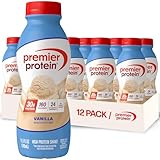
- HIGH PROTEIN & NO ADDED SUGAR: 30g of protein and no added sugar per shake fuels your body so you can take on the day
- ON-THE-GO: Ready-to-drink and portable for mornings, workouts, afternoon snacks, or anytime you want a flavorful shake that fits into your lifestyle
- SMOOTH DELICIOUSNESS: Creamy, delightful flavors like Chocolate, Vanilla, Caramel, and Café Latte, so you can sweeten your day and savor the moments that fuel your lifestyle
- SWEETEN YOUR JOURNEY: Be part of a movement that makes everyday living flavorful and joyful. Premier Protein is about embracing life and feeling your best
- NUTRITION YOU CAN TRUST: Gluten-free and packed with 24 essential vitamins and minerals, so every sip supports your lifestyle and adds a boost of goodness to your daily routine
Ask your care team before starting vitamins, minerals, herbs, other supplements, or a restrictive diet. Some supplements can change how cancer treatment works, and no diet trend or supplement has been proven to slow, cure, or prevent cancer recurrence. NCI explains these cautions in its guidance on diets and supplements.
When to contact the care team
Contact your oncology team about difficulty eating, unplanned weight changes, swallowing problems, persistent nausea or vomiting, diarrhea, dehydration concerns, or suspected foodborne illness. Report side effects rather than relying on generic advice: symptoms vary even among people receiving the same type of treatment. The team can assess nutrition risk and connect you with appropriate support.
Quick Recap
Product prices and availability are accurate as of the date/time indicated and are subject to change. Any price and availability information displayed on Amazon at the time of purchase will apply.

