Steam reviews and player counts can help you assess an indie game, but they measure different things: reviews show whether players recommend it and why, while player counts show how many people are playing on Steam at the same time. Neither number proves a game’s quality, sales, or total audience. Read the review text and activity trend together, with the game’s genre, age, updates, and platforms in mind.
What Steam’s review score tells you
Steam reviews are recommendations: players choose “Recommended” or “Not Recommended.” For a paid game, reviews from accounts that purchased it on Steam and played it count toward its store review score. Reviews can also be visible from people who played using a key, a free weekend, or Family Library Sharing, but those reviews do not all count toward the paid game’s score. Valve’s Steamworks documentation describes who can review a product and how review scores work.
| # | Preview | Product | Price | |
|---|---|---|---|---|
| 1 |
|
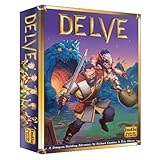
Indie Boards & Cards Delve Board Games | $39.08 | Buy on Amazon |
| 2 |

|
Pc Gamer Presents Indie Games | $9.99 | Buy on Amazon |
| 3 |

|
PC Games Indie Games 2016 | $11.99 | Buy on Amazon |
| 4 |

|
Indie Games: From Dream to Delivery | $39.99 | Buy on Amazon |
As an Amazon Associate I earn from qualifying purchases.
The percentage is a summary of positive recommendations, not a rating of technical quality or a guarantee that you will enjoy the game. Read the reasons players give: comments may focus on bugs, performance, content, balance, value, business practices, or the community, rather than the same aspects of gameplay.
Recommended Free Tools
Compare recent reviews with the lifetime score
Steam shows both an overall score and, when enough reviews are available, a recent score covering the past 30 days. The game must have been available on Steam for at least 45 days before Steam can show that recent score, according to Valve’s 2016 explanation. The percentage does not tell you how many reviews contributed, so check the review count and dates as well.
#1 Best Overall
- Delve is a dungeon building adventure that combines tile laying, dice-driven combat, and an immersive narrative experience in a charming fantasy setting
- Delvers place dungeon tiles, explore the dangers Lurking around every corner, and search for loot
- Each dungeon-exploring adventure will offer a one-of-a-kind experience!
A stronger recent score than lifetime score could be consistent with improvements or fixes; a weaker one could point to a problematic update or another new issue. Those are possibilities, not conclusions to draw from the percentages alone. Read dated reviews and developer updates to see what changed. Steam gives prominence to helpful and recent reviews, and Early Access reviews are labeled after full release, so older comments may describe a version the developer has since changed. See Steamworks’ review documentation for details.
What a concurrent-player count measures
A concurrent-player count is how many people are playing on Steam at the same time. SteamDB says its count comes directly from Steam’s API, is not an estimate or a double-count, and is cached by Steam for around five minutes. It is a useful snapshot of activity, but it is not a count of copies sold, owners, unique players, or everyone playing on consoles or other PC stores.
Rank #2
When you look at a player chart, compare the launch peak with later days and quieter periods rather than judging from one moment. A drop after launch does not by itself mean an indie game failed. A short single-player game and a persistent multiplayer game have different reasons to bring players back. For a more meaningful comparison, look at games with similar genres, audiences, release ages, update schedules, and platform coverage. These are contextual considerations, not an official Steam success formula or benchmark.
Free tools Windows power users keep installed
One-click scans. No signup required.
How to read reviews and player counts together
Use reviews to understand what players say about the experience; use the player curve to see whether people are playing at the same time and how that activity changes. Look for agreement between the signals, but do not expect them to match.
Rank #3
- Positive reviews and modest or falling activity: The game may satisfy a niche audience or be primarily single-player. The numbers alone cannot establish why fewer people are playing simultaneously.
- High activity and mixed reviews: A launch, update, sale, or social-game dynamic may be drawing players without indicating broad satisfaction.
- Changing recent reviews and a shifting player curve: Check the dates of updates and reviews to see whether they coincide. Timing can suggest what to investigate, but does not establish cause.
Steam says purchases and play are signals it uses for store visibility. Its documentation also says review score generally does not affect algorithmic visibility while a game is rated Mixed or above. That describes how Steam’s store system works; it does not make the review score a quality measure or guarantee that the game will be discovered. Valve’s visibility documentation explains these store signals.
Independent reader supportYour contribution helps us test, update, and keep practical guides available for everyone.Check review timing and unusual bursts
A summary percentage can hide why a wave of reviews appeared. Steam defines review bombing as a large group using reviews to express unhappiness and says it may exclude abnormal off-topic review periods from the overall score. Read reviews from the period in question to distinguish criticism of the game from reactions to an external controversy. Steam’s review documentation explains how review bombing and off-topic periods are handled.
A practical check before you decide
- Read the recent reviews. Note what players praise or criticize, and read a few detailed negative reviews to see whether their concerns matter to you.
- Compare recent and lifetime scores. Check review counts and dates; a percentage without its volume and timing is incomplete context.
- Look for changes. Compare review dates with developer updates, and consider whether Early Access-era comments describe a version that has since changed.
- Inspect the player trend. Compare more than one point in time, including launch and later periods, rather than treating a single count as representative.
- Choose fair comparisons. Compare games with similar audiences, genres, release ages, designs, update histories, and platform coverage.
No universal review percentage or concurrent-player total establishes that an indie game is good or successful. These signals are most useful when you treat the score as a starting point, use player comments to understand the context, and compare activity with games that have similar audiences.
Do these 3 things before closing this tab:
1Clear out junk files and repair common Windows errors2Scan for outdated or missing drivers - takes under a minute3Repair Windows errors before they cause bigger problemsQuick Recap
Product prices and availability are accurate as of the date/time indicated and are subject to change. Any price and availability information displayed on Amazon at the time of purchase will apply.

