Outdated Drivers Are Slowing You Down
One free scan finds every outdated or missing driver and matches the right update for your exact hardware.Free scan · exact hardware matchPC Slower Than It Used to Be?
A free scan shows the junk files, broken settings and background clutter dragging Windows down - then fixes them in one click.Free scan · Windows 10 & 11The safest way to raise your fiber intake is to make one small food change at a time, drink fluids suited to your health needs, and wait for your symptoms to settle before adding more. A sudden jump can cause gas and bloating, while a slower, symptom-guided increase gives your digestive system time to adapt.
Why a gradual increase helps
Dietary fiber supports bowel regularity and is found naturally in plants. Useful sources include oats and other whole grains, fruit, vegetables, beans, lentils, chickpeas, nuts and seeds. However, the bacteria in your large intestine break down some carbohydrates that were not fully digested earlier in the digestive tract. Gas is produced during that process. A large, sudden increase in fiber can therefore cause more gas, abdominal pressure or bloating in some people.
As an Amazon Associate I earn from qualifying purchases.
That reaction does not mean every high-fiber food is unsuitable. Tolerance varies between people and can change with portion size, the rest of the meal, fluid intake and underlying digestive conditions. The aim is to find an amount and mix of foods you can maintain, not to force a single “perfect” target.
Recommended Free Tools
NIDDK’s patient guidance says to add fiber-containing foods “a little at a time.” Its IBS guidance gives an example of increasing by 2–3 grams per day to help prevent gas and bloating. That example is specifically framed for people with IBS symptoms; it is not a guarantee for everyone.
#1 Best Overall

- EXCELLENT SOURCE OF FIBER: Soluble fiber from foods such as psyllium seed husks, as part of a diet low in saturated fat and cholesterol, may reduce the risk of heart disease
- DIRECTIONS: Vigorously mix 1 level tablespoon daily into at least 12 oz. of water or juice and consume immediately
- 6 GRAMS OF SOLUBLE FIBER: A serving of psyllium husk powder supplies 6 grams of the 7 grams soluble fiber necessary per day
- GMP Quality Assured: NPA A-rated GMP certification means that every aspect of the NOW manufacturing process has been examined, including our laboratory/testing methods (for stability, potency, and product formulation)
- Packaged in the USA by a family owned and operated company since 1968
Choose a sensible personal target
Fiber needs depend on age, sex, health status and the rest of your diet. The figures below come from different sources and contexts, so they should not be treated as one universal prescription.
| Guidance or example | Amount | How to interpret it |
|---|---|---|
| Dietary Guidelines for Americans, cited by NIDDK IBS guidance (page last reviewed November 2017) | 22–34 grams per day for adults, depending on age and sex | A general range; your clinician may recommend a different plan. |
| NIDDK example for IBS | Add 2–3 grams per day | An IBS-specific gradual approach intended to help limit gas and bloating. |
| Mayo Clinic News Network Q&A (page date not captured) | Add about 3 grams per week, then hold that level for 7–10 days | An illustrative ramp, not a mandatory schedule. |
| Mayo Clinic News Network discussion of healthy adults | 30–40 grams per day | A different general figure from the NIDDK-cited range; individual needs still vary. |
| Mayo Clinic News Network ramp example | 80 ounces of water daily | A source-specific example. NIDDK recommends individualizing fluid intake instead of assigning one amount to everyone. |
If you have kidney, heart or other conditions that affect fluid or diet requirements, ask a health professional before changing your intake. Otherwise, begin from what you currently eat and increase only as your symptoms allow.
A food-first, step-by-step plan
1. Establish your baseline
For several typical days, note what you eat and drink, the approximate portions, bowel movements and symptoms such as gas, abdominal pressure, pain, constipation or diarrhea. NIDDK says a food and symptom diary can help identify possible dietary contributors to gas. Record your usual pattern rather than trying to eat “perfectly” during this baseline period.
Free tools Windows power users keep installed
One-click scans. No signup required.
Include packaged foods, drinks and sweeteners in the record. A detailed entry might include the food, preparation, portion, time eaten, drinks with it and when symptoms began. This can reveal whether discomfort follows one food, a combination, a large portion or simply a rapid overall increase. It also gives a clinician or dietitian something concrete to review.
2. Pick one fiber-containing food
Choose a food that fits your normal meals and add a modest portion. Options include oatmeal, a piece of fruit, cooked or raw vegetables, lentils, beans, chickpeas, a whole-grain food, or a small serving of nuts or seeds. Introducing one main change makes it easier to tell what your body is responding to.
Mayo Clinic News Network gives examples such as one-half cup of peas, squash or cauliflower; one cup of carrots; one medium sweet potato; or one cup of brown rice. These are examples of portions to work with, not a claim that every person will tolerate each food equally. You can choose the example that best matches foods you already eat rather than adding an unfamiliar item.
3. Hold the change while you observe
Keep the rest of your eating pattern as steady as practical and watch symptoms for several days. The Mayo example holds an increase for seven to 10 days before adding another 3 grams per week; NIDDK’s IBS example uses a slower 2–3-gram daily addition. Use these as source-attributed examples, not as a timetable you must follow. If your symptoms are still settling, wait longer.
The Tool Desk
Outbyte PC Repair FREERepair Windows errors before they cause bigger problemsFix Now →Outbyte Driver Updater FREEFix the driver behind crashes, sound loss and screen glitchesFind Drivers →There is no need to increase simply because a calendar says it is time. A comfortable level maintained consistently is more useful than a higher level that repeatedly causes pain or disrupts daily activities. If you cannot tell whether symptoms are improving, keep the same intake and continue the diary rather than making another change.
4. Add another source only after the first is comfortable
When the latest change is well tolerated, add another modest portion or slightly enlarge the existing one. Rotate among grains, fruit, vegetables, legumes and nuts so that your diet gains variety rather than relying on one food. There is no benefit to increasing several high-fiber foods simultaneously if you are trying to identify a trigger.
A practical sequence might be to keep a familiar breakfast and add oatmeal, then introduce one fruit portion at a later step, and only afterward test a measured serving of beans or a whole-grain replacement. This is an organizing method, not a required menu. Your starting food can be any option that fits your preferences, culture, budget and medical advice.
Rank #2
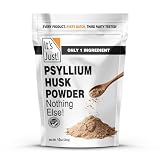
- NATURAL DIGESTION & REGULARITY: Experience gentle, dependable relief from occasional constipation and uncomfortable bloating. This premium, bulk-forming dietary fiber naturally sweeps your digestive tract, promoting excellent daily colon function and routine comfort.
- GLP-1 COMPANION DIET FRIENDLY: When food intake decreases or digestive pacing shifts during medical weight loss, adequate fiber intake is essential. This zero-calorie supplement helps you easily reach daily fiber goals, maintaining smooth motility without forcing complex meals.
- PREMIUM KETO BAKING BINDER: The ultimate secret ingredient for low-carb, grain-free baking. This finely ground powder absorbs liquids beautifully to mimic the elasticity, chew, and traditional rise of real bread, working flawlessly alongside xanthan gum.
- 100% PURE & SINGLE INGREDIENT: Keep your supplement regimen entirely honest and clean. Formulated with absolutely zero added sugars, artificial sweeteners, binders, or fillers, offering a stomach-gentle prebiotic fiber that is entirely gluten-free and vegan.
- BATCH TESTED FOR ACCURACY: Shop with total peace of mind. Sourced from premium psyllium crops and packaged within a strict, GMP-compliant facility in the USA, every single small batch undergoes rigorous third-party testing with results available transparently online.
5. Drink fluids appropriate for you
NIDDK explains that liquids help fiber work better, but says the amount depends on individual factors and should be discussed with a health professional when necessary. Drink regularly according to your thirst, health conditions and professional advice. Do not copy a fixed fluid target from another person or assume that more is always better.
Mayo Clinic News Network uses 80 ounces of water daily in one ramp example, but that figure belongs to that particular example. It should not override individualized advice, especially for people whose kidney or heart conditions require fluid limits. Ask a clinician what amount and types of fluid are appropriate if you have a diagnosed condition, take medicines that affect fluid balance or are unsure.
6. Reassess your total intake
After you have established a sustainable pattern, compare your approximate daily fiber with the range appropriate to you. A target is useful only if it can be reached without persistent symptoms and without displacing other needed foods. If you are unsure how much fiber you are getting, a registered dietitian can review your usual meals.
Check labels and serving sizes when estimating packaged whole-grain foods, but avoid treating label calculations as more important than how you feel. The adult figures of 22–34 grams cited by NIDDK and 30–40 grams discussed by Mayo are reference points from different contexts, not a reason to push rapidly toward the higher number.
Which fiber foods may be easier to use?
NIDDK distinguishes soluble fiber, found in foods such as beans, fruit and oats, as potentially more helpful for IBS symptoms. That is not a promise that these foods will eliminate symptoms, and people with IBS can still react to particular portions or ingredients. Whole grains, vegetables, legumes, fruit and nuts also supply vitamins, minerals and other components that supplements do not provide.
- Oats: Use oatmeal or another oat-based breakfast as a repeatable first change. Keeping the serving similar from day to day makes your response easier to interpret.
- Fruit: Add one familiar fruit portion rather than several new fruits at once. If symptoms follow a particular fruit, record the portion and timing instead of assuming all fruit is a problem.
- Vegetables: Try a measured serving of a vegetable you already enjoy; the Mayo examples include carrots, peas, squash and cauliflower. Preparation and portion can be kept consistent while you observe.
- Legumes: Beans, lentils and chickpeas are fiber-rich but can produce gas for some people. Start with a small portion and monitor your response. A reaction to one legume does not prove that every legume will cause symptoms.
- Whole grains: Brown rice and other whole-grain foods can replace a refined-grain serving gradually. Make the swap one meal at a time rather than changing every grain in the diet on the same day.
- Nuts and seeds: Add a small amount to a meal where it is easy to keep the portion consistent. Track them separately from other new foods.
NIDDK lists beans and lentils, some fruits, cruciferous vegetables, whole wheat, dairy, high-fructose drinks and sugar-alcohol sweeteners as possible gas contributors for some people. This list is not a reason to remove all of them pre-emptively. Use your diary to identify your own pattern.
Gas can also reflect foods or drinks that are not fiber sources, so blaming every symptom on fiber can lead to unnecessary restriction. A diary helps separate a fiber increase from other simultaneous changes, such as a new sweetener, dairy product or high-fructose drink.
Common mistakes that make a gradual increase harder
- Changing several meals at once: Adding oatmeal, beans, multiple fruits and several new vegetables together makes the trigger difficult to identify.
- Increasing portions because the first serving felt fine: Tolerance of one modest portion does not establish tolerance of a much larger one.
- Ignoring drinks and sweeteners: High-fructose drinks and sugar-alcohol sweeteners can contribute to gas for some people and belong in the diary.
- Copying another person’s fluid target: Fluid needs vary, and some medical conditions require individualized limits.
- Assuming a symptom proves IBS or intolerance: Gas and bloating have multiple possible causes. Diagnosis requires appropriate clinical assessment.
- Starting a restrictive diet without support: Removing many food groups can reduce variety and hide the actual contributor.
What to do if bloating appears
A mild increase in gas after a change does not automatically mean the food is harmful. First check whether you increased more than one thing or moved faster than your usual tolerance.
- Pause the newest increase. Do not add another source while you are still reacting.
- Return to the last amount you tolerated. This cautious adjustment is a practical way to apply NIDDK’s “a little at a time” advice; it is not a formally tested treatment protocol.
- Continue the diary. Record the food, portion, timing, drinks and symptoms so that you can distinguish a one-time reaction from a repeatable pattern.
- Change one variable next time. If symptoms settle, retry a smaller portion or choose a different fiber source rather than making several simultaneous changes.
- Get advice if symptoms persist or escalate. Ongoing or severe symptoms may have causes unrelated to the amount of fiber in your diet.
Avoid responding to bloating by adopting a highly restrictive diet on your own. Removing multiple food groups can reduce nutritional variety and may obscure the actual trigger. A clinician or dietitian can decide whether a structured elimination approach is appropriate.
Quick wins for a faster PC:
Clear out junk files and repair common Windows errorsFree Scan →Fix the driver behind crashes, sound loss and screen glitchesFind Drivers →Whole foods versus fiber supplements
Mayo Clinic advises that food is the preferred source because whole foods provide nutrients that supplements do not. A supplement can still be useful when food alone does not meet a clinician-agreed plan, but it should be introduced cautiously.
Rank #3

- ORGANIC PSYLLIUM HUSK POWDER FOR BAKING BREAD: Kate Naturals Organic Psyllium Husk Powder is certified USDA organic, gluten-free and keto-friendly. Our natural psyllium powder is pure and free from addititives and preservatives. Kate Naturals psyllium husk for baking is an excellent choice for those seeking an organic fiber powder.
- AN EXCELLENT SOURCE OF FIBER: Each teaspoon of psyllium husk powder organic has 4g of dietary fiber, 14% of recommended daily fiber intake. Our organic psyllium powder is a versatile ingredient that can be used to bake low carb bread for keto and for cooking. Ideal for those needing a gluten free keto fiber powder.
- VERSATILE PSYLLIUM FIBER POWDER: Psyllium powder is a naturally dense source of dietary fiber, ideal for baking recipes, smoothies, and other low-carb, keto-friendly dishes.
- VEGAN, KETO-FRIENDLY, GLUTEN FREE BAKING: Enhance your gluten-free and keto-friendly recipes with our finely ground psyllium husk powder for baking. This gluten free keto fiber powder is perfect for adding texture and moisture to your baked goods. You can use pysllium husk powder for baking gluten free bread and a variety of vegan and keto friendly treats.
- EASY TO USE: Our powdered psyllium husk is easy to mix. Simply add 1 teaspoon or desired amount to a glass of water, juice, smoothies or your favorite recipes.
| Consideration | Whole-food fiber | Fiber supplement |
|---|---|---|
| Nutritional value | Provides fiber along with the broader nutrients and food components naturally present in plants. | Supplies a concentrated fiber source but not the full nutrient profile of the foods it replaces. |
| Portion consistency | Portions and fiber content vary among foods and preparations. | Can make a measured amount easier to repeat. |
| Tolerance | Any particular food may cause gas or bloating for an individual. | May also cause initial gas or bloating; start with a small amount. |
| Fluids | Liquids still help fiber function, with the right amount depending on your circumstances. | Mayo emphasizes taking supplements with plenty of fluid; follow the product directions and professional advice. |
| Medical considerations | Food choices may need adjustment for a diagnosed condition, allergy or prescribed diet. | Check with a clinician or pharmacist about medicines and conditions before starting. |
Food also lets you spread fiber across meals and keep a wider range of plants in your diet. A supplement may make a consistent measured amount easier, but convenience does not remove the need for gradual changes, adequate fluid and symptom monitoring.
Psyllium and other products
Psyllium husk is one optional fiber supplement discussed by Mayo Clinic. The source recommends starting with small amounts and taking plenty of fluids; it does not establish psyllium as a way to prevent bloating. Discuss it with a health professional first if you have had a bowel blockage, have Crohn’s disease, take medicines that could interact, or have another condition affecting digestion. Never use a supplement to delay evaluation of new or concerning symptoms.
Read the product directions and tell a pharmacist or clinician about all medicines and supplements you use. The relevant question is not only whether a product contains fiber, but whether its timing, fluid requirement or ingredients fit your health circumstances. Do not assume that a “natural” label makes a product risk-free.
When digestive symptoms need medical attention
Talk with a doctor if gas is bothersome, changes suddenly, or occurs with abdominal pain, constipation, diarrhea or unexplained weight loss. These symptoms can have causes other than a dietary fiber increase and should not be self-diagnosed as IBS or food intolerance.
The NHS advises assessment for regular or persistent bloating and identifies blood in the stool or unintentional weight loss as reasons to see a general practitioner. It also lists urgent and emergency warning symptoms; use local urgent-care or emergency services if you develop severe or rapidly worsening symptoms rather than trying to adjust fiber at home.
Seek advice sooner if symptoms prevent normal eating, sleeping or daily activities, or if you have a condition that affects digestion or fluid balance. A professional can review your history, medicines, bowel pattern and diet instead of assuming that more fiber is the answer.
Independent reader supportYour contribution helps us test, update, and keep practical guides available for everyone.Answers to common questions
How much fiber should an adult get? NIDDK cites a general adult range of 22–34 grams per day depending on age and sex. Mayo Clinic News Network discusses 30–40 grams per day for most healthy adults. These figures differ by source and context; your age, sex, health and professional advice determine the most appropriate target.
What’s actually slowing this PC down?
Pick the symptom - the matching free tool is one click away.
Can too much fiber cause gas? A sudden increase can lead to gas or bloating because bacteria break down some undigested carbohydrates in the large intestine. The response varies by person and food. Increase gradually and track portions, drinks and symptoms.
What should I do if fiber makes me bloated? Pause the newest increase, return to the last amount you tolerated, continue your diary and change only one variable when you try again. Persistent, sudden, painful or otherwise concerning symptoms warrant medical advice.
Is soluble fiber better for IBS? NIDDK says soluble fiber from beans, fruit and oats may be more helpful for IBS symptoms. It is not a guarantee, and a person with IBS may still react to a specific food or portion. Discuss ongoing symptoms with a clinician rather than diagnosing yourself.
Rank #4
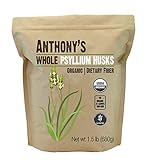
- Batch Tested and Verified Gluten Free
- Product of India, Packed in California
- USDA Organic, Plant Based, Vegan Friendly, Non-GMO with No Additives
- Promotes regularity, helps ease constipation, aids in overall digestive health
- Add 1-2 Teaspoons to a full glass of water, smoothies and more!
Do I have to drink 80 ounces of water? No single amount fits everyone. Mayo uses 80 ounces in one example, while NIDDK says fluid needs depend on individual factors. Ask a health professional if you have medical restrictions or uncertainty.
Should I use psyllium instead of food? Food is generally preferred because it supplies nutrients supplements do not. Psyllium may be an option in a clinician-agreed plan, but start with a small amount, use appropriate fluids and check for medical or medication considerations.
A practical checklist
- Write down your usual meals, drinks and digestive symptoms before changing your diet.
- Choose one fiber-containing food and a modest, repeatable portion.
- Keep other major diet changes stable while you observe your response.
- Use a gradual pace: NIDDK gives a 2–3-gram-per-day example for IBS, while Mayo gives a 3-gram-per-week example held for seven to 10 days.
- Include varied sources such as oats, fruit, vegetables, legumes, whole grains and nuts as tolerated.
- Drink fluids in an amount appropriate for your health circumstances; do not assume one target fits everyone.
- If bloating worsens, pause the latest increase and return to the last tolerated amount while tracking symptoms.
- Review possible contributors such as dairy, high-fructose drinks and sugar-alcohol sweeteners instead of blaming every symptom on fiber.
- Ask a clinician or pharmacist before using a supplement if you have digestive disease, a prior bowel blockage or medicines that could interact.
- Seek professional advice for persistent, sudden or warning symptoms.
Key sources and their dates
- NIDDK, “Eating, Diet, & Nutrition for Irritable Bowel Syndrome,” last reviewed November 2017.
- NIDDK, “Eating, Diet, & Nutrition for Gas in the Digestive Tract,” last reviewed June 2021.
- NIDDK, “Eating, Diet, & Nutrition for Constipation,” last reviewed May 2018.
- NIDDK, “Symptoms & Causes of Gas in the Digestive Tract.”
- Mayo Clinic News Network, “Mayo Clinic Q&A: Why is fiber good for your overall health?” by Purna Kashyap, M.B.B.S., Gastroenterology, Mayo Clinic; page date not captured.
- NHS, “Bloating,” reviewed 21 January 2026.
- Mayo Clinic, “Fiber supplements: Safe to take every day?”, page dated 19 December 2025.
Frequently Asked Questions
How much fiber should an adult get?
NIDDK cites 22–34 grams per day for adults depending on age and sex. Mayo Clinic News Network discusses 30–40 grams for most healthy adults. These are different reference points, not a universal prescription; individual health and professional advice matter.
Can too much fiber cause gas or bloating?
A sudden increase can cause gas or bloating because bacteria break down some carbohydrates in the large intestine. Increase gradually, keep portions consistent and track your response.
What should I do if fiber makes me bloated?
Pause the newest increase, return to the last amount you tolerated, continue a food-and-symptom diary and retry only one smaller change after symptoms settle. Seek medical advice for persistent, sudden, painful or otherwise concerning symptoms.
Do these 3 things before closing this tab:
1Repair Windows errors before they cause bigger problems2Scan for outdated or missing drivers - takes under a minute3Clear out junk files and repair common Windows errorsIs soluble fiber helpful for IBS?
NIDDK says soluble fiber from foods such as beans, fruit and oats may be more helpful for IBS symptoms. It does not guarantee relief, and individual portions and foods can still cause symptoms.
Do I need to drink 80 ounces of water?
No. Mayo uses 80 ounces in one example, while NIDDK emphasizes that fluid needs depend on individual factors. Ask a health professional if you have a condition requiring fluid guidance.
Should I use psyllium instead of high-fiber foods?
Mayo prefers food because whole foods provide nutrients supplements do not. Psyllium may be considered in a clinician-agreed plan, started in a small amount with appropriate fluids, after checking medical conditions and medicine interactions.
The Bottom Line
Increase fiber in small, symptom-guided steps. Start with one familiar food, hold each change long enough to observe it, drink an individualized amount of fluid, and use a diary to identify triggers. If symptoms persist, change suddenly or include pain, altered bowel habits, blood or unexplained weight loss, seek medical care instead of continuing to experiment.
Quick Recap
Product prices and availability are accurate as of the date/time indicated and are subject to change. Any price and availability information displayed on Amazon at the time of purchase will apply.

