Recommended Free Tools
Look for evidence, not just an animal. Droppings that reappear after safe cleaning, fresh gnaw marks, shredded nesting material, damaged food packaging, holes, and stale hidden-area odors can all indicate rodent activity. A sighting is not required: the U.S. Environmental Protection Agency notes, “You may never see a mouse or rat unless an infestation is severe.”
Identify the likely routes in, remove food, water, and shelter, seal openings, and use correctly placed snap traps where activity is evident. Clean waste with disinfectant rather than disturbing it dry. If rodents are in inaccessible spaces, contamination is extensive, or signs continue after control measures, contact a public-health authority or qualified pest professional.
As an Amazon Associate I earn from qualifying purchases.
What signs can reveal rodent activity?
Official guidance generally discusses rats and mice together because many clues overlap. No single dropping, odor, or tooth mark proves a particular species or tells you how many animals are present. Treat several clues in context and look for new evidence after a safe cleanup.
| Sign | What it may indicate | How to interpret it safely |
|---|---|---|
| Droppings | Rodents are using an area for feeding or travel. | Check around food packages, in cupboards and drawers, beneath sinks, and in hidden corners. Clean safely, then watch for new droppings; returning droppings are evidence of ongoing activity. |
| Gnaw marks | Rodents have chewed food packaging, wood, walls, floors, wiring, or other material. | Marks can be old. Fresh-looking damage plus droppings nearby is more meaningful than a lone mark. Chewing may also enlarge an entry hole. |
| Shredded material | Paper, fabric, insulation, or dried plant matter may be used for nesting. | Look in quiet, protected places such as behind appliances, in cabinets, attics, crawl spaces, sheds, and garages. |
| Holes and gaps | A route through walls, floors, foundations, doors, vents, or utility penetrations. | Inspect both sides of the building. Do not assume a hole identifies a rat; seal it after checking for active use. |
| Stale hidden-area odors | Accumulated urine, nesting, or a concealed carcass may be present. | An odor alone is not species proof. Trace it to voids, cabinets, wall penetrations, attics, or crawl spaces without opening contaminated areas recklessly. |
| Sounds or sightings | Movement may be occurring, often at night. | A sighting is useful but not necessary. Record the time and location and look for physical evidence around that route. |
The Centers for Disease Control and Prevention (CDC) and EPA identification guidance both emphasize droppings, gnawing, nesting, holes, and odors as practical clues. Droppings alone are difficult to interpret casually, so do not use their appearance to make a definitive rat-versus-mouse identification or an infestation-size estimate.
#1 Best Overall

- VICTOR RAT TRAPS: Traps rats with a simple, straightforward design which offers a clean, instant kill
- HIGHER CATCH RATES: These rat traps feature an oversized trip pedal which is easily activated by rodents, resulting in more catches
- QUICK & EFFECTIVE - Once a rodent interacts with the pedal, the precision trigger of these wooden rat traps immediately springs the bar closed to eliminate the pest
- EASY TO USE - Victor rat snap traps come complete with a pre-baited trigger pedal and an Easy Set design to allow for quick and simple setup
- MADE IN THE USA FROM FSC CERTIFIED WOOD: Rodent traps constructed of materials harvested from responsibly managed forests
Fresh evidence versus old damage
Photograph marks and locations before cleaning. Then follow the CDC disinfection procedure described below. If droppings or new damage appear again, the area is being used now. If no new evidence appears, continue monitoring while you inspect and seal possible entry routes; old signs do not prove that every rodent has left.
How to inspect a house for entry routes
Start with the rooms where you found evidence, then work outward. Rodents can travel along walls, through utility chases, and between floors, so inspect the exterior as well as the interior.
Inside the building
- Move safely behind and beneath refrigerators, ranges, dishwashers, washing machines, and cabinets.
- Check under sinks and around plumbing, electrical conduits, heating pipes, vents, drains, and cable penetrations.
- Inspect door sweeps, window frames, foundation-to-wall joints, floor drains, and gaps around built-in cupboards.
- Look in attics, basements, crawl spaces, garages, sheds, and other low-traffic storage areas for light, droppings, nesting, or gnawing.
- Examine walls and floors where pipes or wires pass through; a small opening can connect to a larger hidden cavity.
Outside the building
- Walk the foundation, roofline, vents, utility entries, doors, windows, and loading or garage doors.
- Check outbuildings, trash-storage areas, compost, woodpiles, dense vegetation, and places where soil or mulch meets siding.
- Look for gaps under garage doors, broken screens, damaged foundation material, and openings around outdoor plumbing or electrical services.
The CDC gives a pencil-width opening as an example of a mouse entry route; that example is not a rat-specific threshold. Seal every practical opening rather than relying on a single size rule. Its sealing guidance recommends materials matched to the opening.
Quick wins for a faster PC:
Fix the driver behind crashes, sound loss and screen glitchesFind Drivers →Clear out junk files and repair common Windows errorsFree Scan →Prevent rats by removing access, food, water, and shelter
Seal small and large openings
- Clean loose debris from the gap and confirm that sealing will not trap a live animal inside a wall or appliance.
- Pack small holes with steel wool, then secure the material with caulk or spray foam so it cannot be pushed aside.
- Cover larger openings with lath screen, hardware cloth, metal sheeting, or cement. Fasten the patch firmly to sound material.
- Repair door sweeps, screens, vents, garage edges, and damaged masonry. Include garages, sheds, and other outbuildings.
- Recheck repairs after heavy weather or new gnawing. A flexible filler alone may not resist persistent chewing.
Do not block a required vent or drain, and do not seal a cavity while you can hear or see an animal inside. If you cannot determine whether a void is occupied, have a professional assess it.
Make food and waste inaccessible
- Store dry goods, snacks, pet food, birdseed, and animal feed in thick plastic, metal, or glass containers with tight-fitting lids. Cardboard and thin bags are not rodent-proof.
- Wipe spills and crumbs promptly, including under appliances and in pantry corners.
- Put pet food away after feeding and avoid leaving food or water bowls out overnight.
- Use tight-lidded garbage containers, clean the containers regularly, and secure outdoor bins.
- Keep grills and outdoor cooking areas free of grease and scraps. Manage compost so it does not provide an easy food source.
Reduce shelter around the property
- Trim dense brush and weeds and remove leaf piles, deep mulch, scrap lumber, and unused clutter near walls.
- Keep woodpiles away from the house and raised off the ground.
- Store garden materials, feed, and equipment on raised shelves or in closed containers where practical.
- Maintain clean, accessible spaces around foundations so new holes and droppings are visible during inspections.
These combined measures follow the CDC’s exclusion recommendations and the EPA’s prevention guidance. Sealing without removing attractants often fails because rodents can keep searching the same structure.
Rank #2

- QUICK AND EASY TO SET: These ultra-effective rodent traps are designed for hassle-free setup with clear, easy-to-follow instructions, ensuring anyone can set them up correctly in seconds to protect your home and yard from rats, mice, chipmunks, voles, and other rodents.
- NO TOUCH, SANITARY DISPOSAL: Equipped with a removable bait cup and a simple setting mechanism, these traps make emptying and reusing a breeze. You can easily dispose of rodents without ever having to touch them, ensuring a clean and sanitary process every time.
- !! IMPORTANT !! - Always set these traps on a flat surface, if they aren't flat when set they may be damaged when sprung. !! IMPORTANT !!
- HUMANE AND EFFECTIVE DESIGN: Engineered with a powerful yet humane mechanism, these traps kill rodents quickly without breaking the skin, minimizing suffering and making disposal less unpleasant. Ideal for those who want a swift and humane solution to rodent problems.
- PROTECT YOUR FAMILY WITHOUT POISON: Avoid the risks associated with rat poison. These traps provide powerful protection against rats, gophers, and other vermin, safeguarding your home from damage and disease without the dangers of toxic chemicals.
What to do when you find signs
Use a sequence that addresses both the animals already inside and the conditions that invited them.
- Record locations. Photograph droppings, gnaw marks, holes, and nesting material. Note when sounds or sightings occurred.
- Inspect entry routes. Follow wall edges and utility penetrations from the evidence to possible indoor and outdoor openings.
- Remove attractants. Secure food, pet supplies, feed, water, garbage, and clutter before setting control devices.
- Seal feasible openings. Use steel wool plus caulk or spray foam for small gaps and durable metal, hardware cloth, lath screen, or cement for larger ones. Avoid sealing a space that may contain a live animal.
- Set snap traps where activity is evident. Choose a trap appropriate to the rodent, follow its instructions, and position the baited end against the wall because rodents commonly travel along edges. Keep every trap inaccessible to children and pets.
- Inspect and reset carefully. Follow the trap manufacturer’s handling directions. Continue monitoring until there have been no captures and no new signs for one week, as advised by the CDC.
- Escalate if activity persists. Recheck missed openings and sanitation. If evidence continues, or rodents are in inaccessible areas, seek professional help.
The CDC’s trap-up guidance recommends traditional snap traps for household control. Trap placement is only one part of the response; without exclusion and sanitation, new rodents can replace those removed.
Free tools Windows power users keep installed
One-click scans. No signup required.
Choosing a response method
| Situation | Most appropriate next step | Important limitation |
|---|---|---|
| Signs are localized and the route is accessible | Seal openings, remove attractants, and use correctly placed snap traps. | Continue until one full week passes without captures or new signs. |
| Children or pets can reach the control area | Use only methods that can be kept completely inaccessible, and favor professional advice when safe placement is uncertain. | Never leave an unprotected trap or bait where a child or pet can touch it. |
| Rodents are inside walls, ceilings, ducts, or other unreachable spaces | Contact a pest-control professional or local public-health authority. | You may be unable to place traps or clean contamination safely. |
| Activity continues after repairs and trapping | Have the structure and surrounding property reassessed by a professional. | Persistent signs can mean a missed route, an inaccessible nest, or an outside food source. |
| Considering poison bait | Use it only as a considered escalation, in a tamper-resistant bait station and exactly according to the product label. | The EPA’s options guidance and the label control placement, handling, and disposal; poison is not a casual first step. |
How to clean droppings, urine, and nesting material safely
Rodent urine, droppings, and saliva can contaminate food and surfaces and may spread disease. The CDC says not to sweep or vacuum dry waste because those actions can disturb contaminated particles.
- Ventilate when appropriate. Leave the area and allow air to circulate before cleaning, following the CDC’s current instructions and any local health advice.
- Protect yourself. Wear disposable gloves and use additional protective equipment when the contamination is extensive or local health authorities advise it.
- Do not disturb dry material. Do not sweep, vacuum, shake bedding, or use compressed air on droppings or nests.
- Soak the waste. Spray droppings, urine spots, and nesting material with a disinfectant until thoroughly wet.
- Wait for contact time. Follow the product label; the CDC cleanup page gives five minutes or the label’s stated time.
- Pick it up. Use paper towels to collect the softened material and place it in a disposable bag.
- Disinfect again. Wipe the surrounding surface and any tools with disinfectant, respecting the label directions.
- Remove gloves safely and wash hands. Dispose of single-use materials as directed by local rules, then wash hands with soap and water.
Discard food or packaging that has been contaminated or gnawed. Do not handle a dead rodent or nest with bare hands. The CDC’s full cleanup instructions include additional precautions for heavier contamination.
When cleanup is beyond a household task
Stop and obtain advice if droppings cover a large area, contamination extends into ventilation systems, a person in the household is medically vulnerable, or you cannot reach the affected space without opening walls or entering a confined area. The CDC advises contacting local or state health authorities if you are concerned and using a pest professional when rodents occupy areas that cannot be reached for cleaning. Its overview and sealing guidance are available at CDC rodent-control guidance and CDC sealing guidance.
Rank #3

- High Precision Snap Traps: Engineered with a powerful, sensitive trigger, these rat trap snap designs deliver a fast and effective response against rats, big rats, mice, chipmunks, voles, and other rodents. These heavy duty traps offer solutions for managing rodents efficiently-better than messy zapper or sticky glue traps that can be hard to clean up
- Quick And Easy To Set: These large snap traps offer hassle-free setup with a simple, user-friendly design. Anyone can set them in seconds to protect your home, kitchen, attic, garage, or yard with an animal control solution for outside vole management and other pests. Unlike traditional bucket traps where rodents often jump out or escape, making them unreliable. Just one bite of peanut butter or cheese is enough to lure even the wariest rodents
- No Touch Sanitary Disposal: Designed for a clean and safe experience, these traps include a removable bait cup and easy-release system for fast, hygienic resetting. Unlike zapper traps or sticky glue traps that can be messy and unpleasant, our traps provide a neat and sanitary way to catch rodents. Plus, deterrent bait blocks, moth balls, and attractants often do not work as well as a solid snap trap. Even ultrasonic plugin repellers fail to keep these clever pests away
- Indoor And Outdoor Rodent Control: Suitable for use anywhere, these durable heavy duty traps work indoors and outdoors to protect your business, warehouse, farm, barn, and property from rats, mice, chipmunks, squirrels, and other unwanted pests. These traps are trusted by customers for consistent performance
- Protect Your Family Without Pesticides: Avoid the dangers of toxic chemicals and rat poison. These reusable rodent control traps provide powerful protection while keeping your family, pets, and home safe from harmful substances. Trampas para ratones efectivas
Common mistakes that let an infestation continue
- Waiting for a sighting: Rodents can remain hidden, so waiting to see one delays exclusion and sanitation.
- Cleaning dry waste: Sweeping or vacuuming can disturb contaminated particles; wet and disinfect first.
- Using only one clue: A single old mark or odor does not establish current activity. Recheck after cleaning.
- Sealing without inspection: Closing an occupied cavity can trap an animal and leave contamination in place.
- Relying on traps alone: Traps remove accessible animals but do not close entry routes or remove food and shelter.
- Leaving food available overnight: Pet bowls, birdseed, feed, and unsealed rubbish can undermine otherwise good control work.
- Placing poison casually: If bait is used, it belongs in a tamper-resistant station and must be handled exactly as the label directs.
Can droppings prove that the animal was a rat?
No. Rats and mice can leave similar types of evidence, and droppings vary with age, diet, and location. A casual visual comparison is not a reliable species test or a measure of infestation size. If species identification affects the control plan, ask a local extension service, public-health office, or pest-control professional to identify the evidence in context.
Likewise, one gnawed package or one odor does not establish that rodents are still present. The practical test is whether new, safely observed evidence appears after cleanup and whether you can find an active route or other fresh sign.
A practical seven-day monitoring plan
On the first day, photograph and record every sign, secure food and rubbish, inspect the structure, and place appropriate snap traps where activity is evident. Each day, check traps according to their instructions without touching contaminated material bare-handed. Look for new droppings, fresh gnawing, moved nesting material, odors, or sounds, and record the exact location.
Repair or reinforce openings as they are found, while checking that no animal is trapped inside. Keep outdoor storage, woodpiles, vegetation, compost, and garbage under control throughout the week. If there are no captures and no new signs for a full week, continue routine inspections and sanitation rather than removing the repairs. Any new evidence restarts the assessment: look for a missed entry route, an inaccessible nest, or an attractant outside the original room.
Independent reader supportYour contribution helps us test, update, and keep practical guides available for everyone.When professional help is the safer choice
- New droppings, gnawing, or sounds continue after you have removed attractants, sealed visible gaps, and monitored traps.
- Rodents are inside walls, ceilings, ductwork, appliances, crawl spaces, or other locations you cannot inspect and clean.
- There is heavy contamination, a strong persistent odor, or a nest in an area where safe access requires demolition or confined-space entry.
- Children, pets, or vulnerable household members could reach traps, bait, or contaminated material.
- You cannot determine whether a suspected opening is still occupied before sealing it.
- You need reliable species identification or a building-wide inspection for a recurring problem.
A professional should explain the entry route, sanitation issues, control method, and follow-up plan rather than relying on bait alone. Ask what will be sealed, how traps or bait will be kept inaccessible, and how success will be verified.
What’s actually slowing this PC down?
Pick the symptom - the matching free tool is one click away.
Rank #4
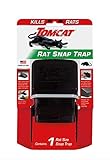
- HOME RAT KILLER: Tomcat Rat Snap Traps kill rats and combine aggressive capture and holding capabilities with a host of user-friendly features
- HOLDS, CAPTURES AND KILLS RATS: This rodent trap has a removable bait cup that allows the trap to be fully serviced without being set, and interlocking teeth make escape virtually impossible
- FOR INDOOR OR COVERED OUTDOOR USE: Ideal for homes or farms; place this pest control product perpendicular to a wall or other structure where rats are known to travel
- EASY TO SET RAT TRAPS: This reusable rat trap features easy setup using either your hand or foot by compressing the top portion to the bottom until it clicks into position
- REUSABLE RAT TRAPS: The Tomcat Rat Snap Trap is a mechanical trap for rodent control, made from high-impact plastic and rust resistant metals that allow the trap to be reused
Monitoring after the immediate problem
Keep a simple log with dates, locations, photographs, repairs, trap captures, and new signs. Reinspect food-storage areas, utility penetrations, garages, sheds, and the foundation after repairs. Continue normal sanitation and outdoor maintenance even after a quiet week; prevention is what stops a new animal from using the same route.
A successful short-term result is not merely finding no animal. It is a combination of sealed access, no available food or shelter, no trap captures, and no new physical evidence for at least one week. If any part of that pattern breaks, return to the inspection and exclusion steps instead of assuming the problem is solved.
Frequently Asked Questions
What are the first signs of rats in a house?
Look for droppings around food packages, cupboards, drawers and sinks; gnaw marks; shredded paper or fabric; damaged packaging; holes near pipes or foundations; stale hidden-area odors; and nighttime sounds. You do not need to see an animal to investigate.
How can I tell whether droppings are fresh?
Do not rely on appearance alone. Photograph the location, clean the area using disinfectant, and monitor it. Droppings that return after safe cleaning are practical evidence of active rodent use.
The Tool Desk
Outbyte PC Repair FREERepair Windows errors before they cause bigger problemsFix Now →Outbyte Driver Updater FREEFix the driver behind crashes, sound loss and screen glitchesFind Drivers →Are rat and mouse droppings easy to distinguish?
No. Official guidance treats many signs together because species can leave overlapping evidence. Do not claim a species or infestation size from a casual visual check; ask an extension service, public-health office or pest professional if certainty matters.
Best Value

- PRE-BAITED HUMANE RAT TRAPS - Comes with an expanded trigger for the highest catch rates
- COMES WITH 12 RODENT TRAPS
- SNAP TRAPS - Easy to use design makes trapping simple and effective
- For clean and quick trapping
- Non-toxic and poison-free design make it ideal for homes and businesses
Should I use traps or poison first?
For household control, the CDC recommends traditional snap traps placed where activity is evident and kept away from children and pets. Poison is an escalation, not a casual first step, and must be used only in tamper-resistant bait stations exactly as the product label directs.
Where should a snap trap go?
Use a trap appropriate to the rodent, follow its instructions, and place it where signs occur. Position the baited end against a wall, since rodents commonly travel along edges. Keep the entire device inaccessible to children and pets.
How long should I keep trapping?
Continue checking and resetting traps according to their instructions until there have been no captures and no new signs for one full week. Keep inspecting and maintaining exclusion afterward because a quiet week does not prevent a new animal from entering.
Can I sweep or vacuum rat droppings?
No. Dry sweeping or vacuuming can disturb contaminated particles. Wear disposable gloves, soak droppings and nesting material with disinfectant, wait for the label contact time (the CDC page gives five minutes or the label time), then collect with paper towels.
When should I call a professional?
Get help for heavy contamination, rodents in walls, ceilings, ducts or other unreachable areas, activity that continues after sanitation and repairs, uncertainty about sealing an occupied cavity, or situations in which children, pets or vulnerable people could contact traps, bait or waste.
What household changes prevent rodents from returning?
Seal practical gaps with materials suited to their size, store food and feed in thick lidded containers, remove pet bowls overnight, use tight-lidded garbage containers, clean spills promptly, reduce outdoor clutter and vegetation, and keep woodpiles away from the house and raised off the ground.
The Bottom Line
Confirm activity by looking for new evidence after safe cleaning, then combine exclusion, sanitation, secure food storage and carefully placed snap traps. Keep monitoring until a full week passes without captures or new signs. Use tamper-resistant bait stations only as a considered, label-directed escalation, and call a qualified professional when contamination or access makes household control unsafe.
Quick Recap
Product prices and availability are accurate as of the date/time indicated and are subject to change. Any price and availability information displayed on Amazon at the time of purchase will apply.

