The Tool Desk
Outbyte Driver Updater FREEScan for outdated or missing drivers - takes under a minuteDriver Scan →Outbyte PC Repair FREEClear out junk files and repair common Windows errorsFree Scan →Scoop cat feces from the litter box every day. Toxoplasma gondii generally needs 1–5 days after being shed in feces to become infectious, so daily removal reduces the chance that infectious material remains in the box. The CDC gives this direct advice: “Scoop your cat’s poop daily (the parasite can’t spread to you until 1–5 days after your cat poops).”
If you are pregnant or immunocompromised, have someone else change or clean the box whenever possible. If you must do it yourself, wear disposable gloves, remove them before washing your hands, and wash with soap and water immediately afterward. These steps address the relevant exposure route—accidentally ingesting contaminated material after touching your mouth with unwashed hands—not simply living with a cat.
As an Amazon Associate I earn from qualifying purchases.
Why daily scooping matters
Toxoplasmosis is an infection caused by the parasite Toxoplasma gondii. Cats and other felids can shed the parasite in their feces. Freshly shed organisms are not immediately infectious; the CDC says they may need 1–5 days to become infectious. Removing feces every day therefore interrupts the time the parasite would otherwise have to mature in the litter box.
Daily scooping is a prevention measure, not a guarantee that infection is impossible. Toxoplasmosis can also be associated with contaminated food or water, soil, and cat feces outside a litter box. Official guidance does not provide a percentage for an individual’s chance of contracting toxoplasmosis specifically from cleaning a household litter box, so the 1–5-day interval should not be presented as an infection-probability statistic.
#1 Best Overall

- Medical-Grade 3.5 Mil - Supmedic nitrile gloves deliver exam grade barrier & tactile feel - provides 40% extra thickeness than typical food gloves, ideal for Cooking Cleaning and everyday task.
- Allerge Safe - 100% Powder-free & Latex-free gloves eliminates common allergies; skin-friendly material for worry-free wear on sensitive hands.
- Texture Grip - Micro-roughened fingertips plus smooth palms keep a confident hold on instruments, wet dishes or oily parts without sacrificing dexterity.
- Versatile Pack - 100 ambidextrous gloves dispense one-handed from the top-load box; perfect for clinics, dentistry, food prep, cleaning, auto repair, beauty salons, pet care and more.
- Supplier-Direct Value - Produced in Supmedic's facility and Prime-fulfilled for fastdelivery.
The practical rule is simple: do not wait until the box looks full, smells strong, or has visible buildup. Remove feces every day, even when the box appears clean.
Who should avoid litter-box cleaning?
The CDC and the American Veterinary Medical Association’s 2024 toxoplasmosis brochure advise that pregnant people and people with weakened immune systems should have someone else clean the litter box when that option is available. This is a preference for delegation, not an instruction to give up a cat or to assume that every contact will cause infection.
Pregnancy and immune suppression can change the consequences of infection, so discuss your individual circumstances with a healthcare professional. A clinician can advise about testing, symptoms, and any additional precautions relevant to your medical history.
If no one else can do it
When delegation is not possible, follow the CDC’s fallback procedure:
- Put on disposable gloves before touching the litter, scoop, liner, or waste bag.
- Scoop the feces and place it in a securely closed household-waste bag according to your local disposal rules.
- Remove the gloves without touching their contaminated outer surfaces to your bare skin. Discard them after the task; do not wash and reuse disposable gloves.
- Wash your hands immediately with soap and running water. Clean between fingers, around nails, and across the backs of your hands, then rinse and dry.
Gloves are an added barrier, not a substitute for handwashing. Do not touch your face, mouth, food, phones, or other personal items during the task, and clean any item that was handled with contaminated gloves.
A safe daily litter-box routine
1. Prepare the area
Keep the scoop, waste bags, and disposable gloves together so the daily task does not get postponed. Choose a stable location with enough room to work without brushing against food-preparation surfaces. If you are pregnant or immunocompromised, arrange a regular helper and agree on a backup person before you need one.
Rank #2

- ORIGINAL QUALITY – Tired of flimsy, low-quality gloves? Inspire Medical Nitrile Gloves bring back the durable, rip-resistant quality you remember. These premium black disposable exam gloves are powder-free, latex-free, and offer superior protection—far exceeding rubber, latex, and plastic gloves. Trusted by professionals, designed for performance and for a more sterile environment.
- TOUGH YET FLEXIBLE – Made from heavy-duty nitrile, Inspire gloves are puncture- and tear-resistant while maintaining excellent dexterity and tactile sensitivity. The snug fit allows for ease of movement, whether you're working in medical, food service, or industrial environments. Available in sizes Small through XXL.
- PROFESSIONAL-GRADE PERFORMANCE – These exam-grade nitrile gloves are trusted by medical personnel, first responders, and industry professionals. Whether you're a nurse, doctor, caregiver, or using them at home, Inspire gloves consistently deliver dependable protection. ISO 9001:2015. & ISO45001
- MULTIPURPOSE USE – FOOD SAFE & MORE – Safe for food handling, cleaning, medical use, tattoos, mechanics, and more. Inspire gloves feature textured fingertips for enhanced grip and are touchscreen compatible for convenience. Ideal as disposable cooking gloves, janitorial gloves, or food prep gloves.
- BUILT TO PERFORM – When the job demands reliable protection, count on Inspire Gloves. Each case includes 1,000 gloves (10 boxes of 100), Each Box contains 100 gloves (glove ct. by weight) providing food-grade, powder-free, and latex-free protection in bulk. Designed to perform and last in high-use environments.
Wash your hands before starting if they are visibly dirty, and put on gloves when your health status or the CDC’s precautions call for them. Keep children away from the box while it is being cleaned.
Do these 3 things before closing this tab:
1Clear out junk files and repair common Windows errors2Scan for outdated or missing drivers - takes under a minute3Repair Windows errors before they cause bigger problems2. Remove every fecal clump
Use the scoop to remove all visible feces and the surrounding soiled litter. Work slowly enough to avoid breaking a clump into dust or scattering material. If urine clumps are mixed with feces, remove the contaminated portion rather than trying to separate it by hand.
Daily scooping is about feces, because the maturation window described by the CDC concerns parasite shedding in cat feces. Follow the litter manufacturer’s instructions for how much replacement litter to add after removing clumps.
3. Seal and discard the waste
Transfer the waste directly into a bag, close it securely, and place it in the appropriate household-waste container. Avoid leaving an open scoop, bag, or bucket where a child, another pet, or a food item can contact it. Local waste rules may differ; follow the requirements where you live.
4. Finish with hand hygiene
After the waste is contained, remove disposable gloves and discard them. Wash your hands with soap and water immediately. If you touched a door handle, faucet, phone, or another surface with contaminated gloves, clean that surface after removing the gloves and before normal household use.
What to do during a complete box change
Daily scooping does not eliminate the need to refresh litter according to the product’s directions and your cat’s use of the box. A complete change involves more contact with old litter, the box, and the scoop, so use the same precautions: delegate when possible; otherwise wear disposable gloves and wash your hands immediately afterward.
Rank #3

- MEDICAL EXAMINATION GLOVES: Powder-free nitrile exam gloves made for medical examinations and patient care. Ideal for home caregivers, home health visits, wound care and personal medical use, as well as for physicians and nurses. Non-sterile, single use only.
- LATEX FREE AND POWDER FREE: The ideal solution for individuals sensitive to natural rubber latex and donning powder. Nitrile is a synthetic material, so these gloves are not made with natural rubber latex and leave no powder residue on hands or skin.
- TEXTURED FINGERTIPS FOR CONTROL: Comfortable fit with textured fingertips for excellent tactile sensitivity, so you keep a secure grip and a precise feel during exams, treatments and everyday patient care.
- STRONG AND STRETCHY: Extraordinary strength, stretchable durability and puncture resistance with a premium iris blue color. The nitrile stretches to fit your hand comfortably during use.
- BEADED CUFF, BOX OF 100: Features a smooth external finish and beaded cuff for extra durability. Each box holds 100 ambidextrous gloves that fit either hand, available in Small, Medium, Large and X-Large.
- Move the cat away from the work area before opening or emptying the box.
- Put on disposable gloves if you are pregnant, immunocompromised, or otherwise following the CDC’s glove recommendation.
- Empty the used litter into a closed waste bag. Do not shake the litter or create unnecessary dust.
- Clean the box, scoop, and any removable parts according to their manufacturer’s care directions. Use products as labeled, provide ventilation, and never mix cleaning chemicals.
- Rinse or wipe away cleaner residue as directed, dry the equipment, and add fresh litter according to the litter and box instructions.
- Close the waste bag, remove and discard the gloves, and wash your hands with soap and water immediately.
The CDC’s toxoplasmosis guidance establishes the daily feces-removal schedule and the glove-and-handwashing precautions. It does not establish one universal interval for emptying every type of litter, so use the instructions for your specific litter and box rather than treating a particular number of days as a medical rule.
How exposure actually happens
The relevant route is accidental ingestion. Contaminated feces must get to the mouth, usually through unwashed hands or contaminated objects, for this type of exposure to occur. Handling a cat, seeing a cat, or owning a cat is not itself the described route of transmission.
That does not mean the litter box is the only source to consider. The CDC lists contaminated food and water, soil, and cat feces as possible sources of Toxoplasma. A complete prevention plan therefore includes food safety and hand hygiene during gardening or contact with soil, not just litter-box maintenance.
Situations that increase the chance of accidental ingestion
- Eating or touching your mouth before washing after scooping.
- Leaving used litter, feces, or an open waste bag where children or pets can reach it.
- Touching a phone, refrigerator handle, or food utensil with contaminated gloves.
- Shaking dusty litter or sweeping contaminated material into the air and then touching your face.
- Skipping daily scooping and allowing feces to remain in the box for several days.
Pregnancy and immunocompromise: a practical decision guide
| Situation | Recommended action | Reason |
|---|---|---|
| Another adult is available | Have that person change or clean the litter box. | CDC and AVMA advise delegation when possible for pregnant or immunocompromised people. |
| No helper is available | Wear disposable gloves, avoid touching your face, discard the gloves, and wash with soap and water immediately. | This is the CDC’s stated fallback when the task cannot be delegated. |
| You are unsure whether your immune system is weakened | Ask your healthcare professional before deciding how to handle the box. | Risk and medical advice depend on the condition and treatment involved. |
| You are worried after a possible exposure | Contact a healthcare professional, especially during pregnancy or if immunocompromised. | Testing and follow-up depend on timing, symptoms, and personal medical history. |
These precautions focus on litter handling. They do not imply that a pregnant person must abandon a cat. Arrange help with the specific task whenever possible, and keep the cat’s routine and veterinary care otherwise unchanged unless a veterinarian advises differently.
Handwashing that removes the remaining risk
Handwashing is the final control after every litter-box task. Use soap and running water rather than relying on a quick rinse. Rub all hand surfaces, including fingertips and under the nails, rinse thoroughly, and dry with a clean towel or air dryer. Wash immediately after removing gloves, even if the gloves appeared intact.
If soap and water are temporarily unavailable, use an alcohol-based hand sanitizer until you can wash properly. Sanitizer is a temporary measure for hand hygiene; it does not replace the CDC’s instruction to wash with soap and water after handling the litter box.
Rank #4
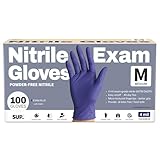
- MEDICAL EXAM GRADE 4 MIL: SUP Exam+ nitrile gloves deliver reliable exam-grade barrier protection with excellent tactile sensitivity — ideal for medical exams, food prep, cleaning, and everyday tasks.
- LATEX-FREE & POWDER-FREE: Made without natural rubber latex or powder to help reduce irritation. Skin-friendly material designed for comfortable, worry-free wear.
- TEXTURED GRIP & TACTILE CONTROL: Micro-textured fingertips provide confident handling of instruments and small objects while maintaining flexibility. Touchscreen compatible for seamless device use.
- 100 COUNT AMBIDEXTROUS PACK: Convenient top-load dispenser box for easy one-hand access. Perfect for clinics, dental offices, food service, beauty salons, labs, and home use.
- PROFESSIONAL VALUE, PRIME READY: Consistent quality at an everyday value. Designed for steady workflow and high-frequency use with fast, reliable fulfillment.
Common mistakes and how to correct them
Waiting for visible buildup
Why it fails: Feces can remain in the box long enough for the parasite to reach the 1–5-day infectiousness window described by the CDC.
Recommended Free Tools
Correction: Put scooping on a daily schedule, including weekends and days when the box looks acceptable.
Assuming gloves make handwashing unnecessary
Why it fails: Gloves can have microscopic tears, and hands can become contaminated while removing them.
Correction: Discard disposable gloves and wash with soap and water immediately after the task.
Using reusable gloves without cleaning them
Why it fails: Contamination can remain on the glove exterior and transfer to handles, phones, or food areas.
Correction: For the CDC’s pregnancy and immunocompromise fallback, use disposable gloves and discard them after cleaning. If you use durable household gloves for another reason, keep them dedicated to litter work and clean them according to their care instructions before storage.
Best Value
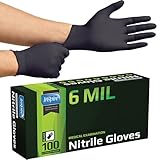
- These Inspire gloves are designed for BOTH medical and industrial use. Both exam-grade and durable 6-mil thickness, they are ideal for medical and industrial applications. These gloves are suitable for healthcare settings, laboratories, industrial environments, and household tasks.
- STRENGTH AND DEXTERITY: Inspire Nitrile Gloves provide strong protection every time. Rugged nitrile material is rip and puncture resistant, yet offers a secure fit, ease of movement, superior tactile control, and ultimate dexterity.
- TRUSTED BY PROFESSIONALS: The exam grade industrial glove trusted by industrial and medical professionals. Whether emergency services, doctors, nurses or food and household use, Inspire disposable gloves hold up to the job at hand.
- FOOD SAFE, JANITORIAL, TATTOO, MECHANICS AND MEDICAL: Multipurpose gloves with textured fingertips. Touch screen compatible. Latex free. Powder Free. ASTMD6319 & ISO9001:2015
- CONFIDENCE- GLOVES THAT HOLD UP TO THE JOB AT HAND: When your protection is on the line, you demand a glove that will hold up. Inspire Gloves give you the confidence to tackle all scenarios securely and safely. 100 gloves by weight per box. Don glove by the cuff for best application.
Touching household surfaces mid-task
Why it fails: Contaminated gloves can spread material beyond the litter area.
Correction: Gather everything first, complete the task, remove gloves, wash your hands, and then handle household items.
Believing the cat itself is the problem
Why it fails: The described exposure is ingestion of contaminated material, not ordinary ownership or casual contact.
Crashes, No Sound, or Screen Glitches?
Random freezes, missing sound and display glitches usually trace back to one bad driver. Find and replace yours safely.Free scan · under a minutePC Slower Than It Used to Be?
A free scan shows the junk files, broken settings and background clutter dragging Windows down - then fixes them in one click.Free scan · Windows 10 & 11Correction: Focus on daily feces removal, safe waste handling, handwashing, and the other food, water, and soil precautions recommended by public-health guidance.
Questions about the cat
A cat’s individual likelihood of shedding Toxoplasma and the appropriate veterinary response are separate questions from how to clean a litter box. The CDC advises consulting a veterinarian about the cat’s individual risk. Do not change the cat’s diet, medication, or housing based solely on a general litter-box article.
If the cat has diarrhea, unusual stool, or another illness, ask a veterinarian how to clean safely and whether additional household measures are needed. Keep the cat’s litter area away from food-preparation surfaces and clean up feces promptly.
When to seek medical advice
Contact a healthcare professional if you are pregnant or immunocompromised and are concerned about a possible exposure, or if you develop symptoms that your clinician wants evaluated. Toxoplasmosis can be mild or unnoticed in some people, while infection can be more serious for a developing fetus or someone with a weakened immune system. Only a healthcare professional can determine whether testing or treatment is appropriate.
Quick wins for a faster PC:
Clear out junk files and repair common Windows errorsFree Scan →Scan for outdated or missing drivers - takes under a minuteDriver Scan →This article provides general prevention information. It cannot diagnose toxoplasmosis, determine when an exposure occurred, or replace advice tailored to your pregnancy, immune status, symptoms, or medications.
Quick Recap
A one-minute daily checklist
- Plan for a helper if you are pregnant or immunocompromised.
- If you must clean, put on disposable gloves before touching the box.
- Scoop all feces every day; do not wait for visible buildup.
- Bag and close the waste securely.
- Remove gloves without touching their contaminated surfaces.
- Wash hands immediately with soap and water.
- Clean any household surface touched with contaminated gloves.
- Ask a healthcare professional about personal concerns and a veterinarian about the cat’s individual risk.
Product prices and availability are accurate as of the date/time indicated and are subject to change. Any price and availability information displayed on Amazon at the time of purchase will apply.

