A good domain name is easy for its intended audience to remember, say, and spell; fits the project; and is distinctive enough to identify its source. To evaluate yours, test how people understand it, check for similar names and possible trademark conflicts, and verify the domain’s registration status separately. Owning a domain does not by itself give you trademark rights or establish that using the name is legally safe.
What makes a domain name good?
There is no single best domain name or extension for every project. Judge a candidate against its audience, purpose, and likely future direction rather than relying on a universal formula.


As an Amazon Associate I earn from qualifying purchases.
- Memorable: Someone in your intended audience can recall it after hearing or seeing it.
- Clear aloud and in writing: It is reasonably easy to pronounce and spell, and people are unlikely to confuse it with another name.
- Distinctive: It helps people recognize your project rather than describing a broad category in generic terms.
- Appropriate: It fits what you offer and does not create a misleading impression.
- Flexible: It can still work if your products, services, or audience develop.
The USPTO’s trademark-selection guidance says, “You should consider whether the public will remember, pronounce, and spell your trademark.” That advice is about choosing trademarks, not a specific domain-registration rule, but it is a useful practical test when screening domain-name candidates. USPTO guidance on strong trademarks
Windows Errors? Fix Them Before They Spread
Repair common Windows errors and clear accumulated junk for a smoother, more stable PC - no reinstall needed.Free scan · no reinstallOutdated Drivers Are Slowing You Down
One free scan finds every outdated or missing driver and matches the right update for your exact hardware.Free scan · exact hardware matchDistinctive does not mean obscure
The USPTO generally describes fanciful, arbitrary, and suggestive marks as stronger than descriptive or generic ones. That is a trademark-strength distinction, not a rule that descriptive domains are never useful: a descriptive name may communicate an offering clearly, even if it is less distinctive as a brand. Consider both clarity and the kind of identity you want to build.
How to evaluate candidate names
- Define the audience and purpose. Write down whom the name is for, what the project does, and how it might change. A memorable name can still be a poor choice if it suggests the wrong product, service, or affiliation.
- Make a shortlist. Compare several candidates rather than judging one in isolation. Check that each looks clear in ordinary writing and is not easily mistaken for a different word or name.
- Try the name aloud and from memory. Say it to likely users or colleagues, then ask them to repeat and spell it. You can also show it briefly and see whether they can recall it later. Treat informal feedback as a screen, not proof that the name will work for everyone.
- Assess distinctiveness and flexibility. Ask whether the name identifies your project, whether it is overly generic or narrowly tied to one current offering, and whether it would remain suitable if the project grows.
- Search for similar names. Look beyond exact matches. Consider alternative spellings and pronunciations, similar meanings, and the overall impression a name creates. Relevant goods and services matter when assessing possible trademark conflicts.
- Check domain registration status separately. Search the exact domain through ICANN Lookup or a registrar’s current availability search. Registration status is time-sensitive, and lookup data may not show every registration detail.
- Choose a registrar only after you have a suitable candidate. Compare accreditation, total and renewal prices, customer service, and contract terms. Read what the registrar’s agreement says about registration and maintenance before committing.
How to check for potential trademark conflicts
Search the USPTO federal trademark database for the exact wording and for similar names, including spelling and pronunciation variations. Review marks in connection with related goods or services; an identical word is not the only possible source of conflict, and different industries do not automatically make names unrelated.
A federal database search is an important step, not complete legal clearance. The USPTO explains that a comprehensive search may involve more than its database. For a consequential business or brand decision, consider getting advice from a qualified trademark professional. The USPTO’s trademark-process guidance provides additional context on the application and search process.
What domain registration does—and does not—establish
A domain name, a trademark, a business entity name, and a DBA (a name used for business that differs from an entity’s legal name) serve different purposes. The U.S. Small Business Administration says these are legally independent, and a domain does not have to exactly match a business’s legal name, trademark, or DBA. See the SBA’s business-name guidance.
So, a domain appearing available does not show that the corresponding name is free of trademark conflicts. Likewise, registering a domain does not itself create trademark rights or establish that using the name is legally safe. Domain availability and legal clearance are separate checks.
If your preferred domain is unavailable
You do not necessarily need a domain that exactly matches your legal business name, trademark, or DBA. Consider another name that remains clear and suitable for the project. Before settling on it, check for similar names and avoid a choice that could create confusing similarity or imply an affiliation that does not exist.
How to register and maintain a domain
Once you have selected a suitable candidate and completed the checks appropriate to your situation, register through a registrar. ICANN’s guidance for choosing a registrar and registrant rights and responsibilities explains the registrar relationship and information registrants should be able to obtain about registration, management, transfers, renewals, and restoration. The SBA also notes that domains require regular renewal. Compare the registrar’s ongoing terms and renewal price—not only its initial offer—and keep track of renewal dates.
Independent reader supportYour contribution helps us test, update, and keep practical guides available for everyone.A practical comparison checklist
- Does the name fit the intended audience, offering, and likely direction of the project?
- Can the intended audience remember, pronounce, and spell it?
- Is it distinctive enough for the identity you want to establish?
- Have you considered similar names, alternative spellings and pronunciations, and related goods or services?
- Have you checked the domain’s current registration status independently of trademark questions?
- If registering, have you compared registrar accreditation, total and renewal pricing, service, and contract terms?
The available guidance does not establish one universally best domain extension or registrar. Choose based on the specific name, audience, legal considerations, and registration terms in front of you.
Quick Recap
Best Value
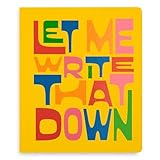
- Flexible Planning: This planner allows you to start and stop planning on your own terms, making it perfect for those who prefer a customizable approach or need a comprehensive companion to dated planners.
- Generous Size: Measuring 10 in. x 8.5 in. (25.4 cm x 21.6 cm), it offers ample space for detailed planning and notes.
- Durable and Stylish: Features a laminated soft-touch cover for a sleek look and comfortable feel, and a concealed spiral binding that ensures durability while allowing the planner to lay flat.
- Organized Layout: Includes 73 perforated weekly pages and 73 perforated list pages, with a Week On One Page layout for a clear weekly view and a to-do list on the opposite side.
- Added Extras: Comes with a sticker page for customization, and a convenient pocket on the inside front cover for storing notes, receipts, or important papers.
Product prices and availability are accurate as of the date/time indicated and are subject to change. Any price and availability information displayed on Amazon at the time of purchase will apply.

