Choose a countertop by matching the material to the way you cook, clean, and live with wear—not by looking for a universal winner. Porcelain is a strong all-rounder for heat, stains, scratches, and sunlight; granite and quartzite suit hard use; quartz offers a consistent, comparatively easy-care appearance; marble rewards owners who accept etching and patina; soapstone trades hardness for non-porous simplicity; solid surface is repairable; and laminate keeps the initial cost down when you can protect it from heat and impact.
Material names are only a starting point. The exact product, finish, slab, edge, cut-outs, fabrication, installation, and care instructions determine what you will experience. As Sofia Lundgren of Blakes London puts it, The best kitchen worktop isn’t necessarily the most expensive.
The best choice is the one whose compromises fit your habits and budget.
As an Amazon Associate I earn from qualifying purchases.
Start with the trade-offs that matter every day
Before comparing colors, rank the performance you actually need. A household that cooks with cast-iron pans, acidic ingredients, and heavy appliances has different priorities from one that mainly prepares coffee and sandwiches. Evaluate five questions:
- Heat: Will hot cookware ever rest on the surface, even briefly?
- Stains and liquids: Are red wine, oil, coffee, lemon, or vinegar likely to sit on the counter?
- Scratches and impact: Will knives, rough cookware, or dropped pans contact the surface?
- Care: Are you willing to seal, oil, or otherwise maintain the material on a schedule?
- Repair and aging: Would you rather hide wear, sand it away, or accept a visible patina?
“Durable” is not a single performance rating. A surface can resist stains yet chip at an edge, tolerate heat yet scratch easily, or survive scratches while showing burns. Compare each type on the separate hazards you face.
#1 Best Overall

- 3 simple steps that will transform Formica, laminate, Corian, ceramic tile, butcher block, cultured marble, and traditional granite in a single weekend.
- Authentic granite finish offered in 5 contemporary colors, that cover 35 sq. ft. or 16 running ft. of 24 in. wide countertops.
- 100% Acrylic formula - Low odor, low VOC, water-based, durable, high-gloss, food safe topcoat that lasts for years.
- Simple sponge on and roll on application that is customizable to the look of your space. Step by step detailed instructions.
- All Giani Paints and Coatings are 100% Manufactured and Packaged in the USA.
Countertop materials compared
| Material | Appearance | Heat and stain behavior | Scratch and impact considerations | Care and repair | Main compromise |
|---|---|---|---|---|---|
| Porcelain | Printed and stone-look designs; inspect whether color continues through the edge | Described as non-porous and highly resistant to stains, heat, scratches, and UV | Field is hard, but exposed edges and cut-outs can chip | No sealing; specialist fabrication and careful handling are important | Edge and cut-out damage can be difficult if fabrication is poor |
| Granite | Natural slabs vary in color, movement, and mineral pattern | Described as hardwearing and heat-resistant; performance depends on the slab and finish | Generally robust, but the exact stone and edge remain decisive | Ask the supplier whether this slab and finish need sealing and how to clean them | Every slab is different, so a sample may not represent the installed piece |
| Quartzite | Natural variation with a stone appearance | Described as hardwearing and heat-resistant; confirm the selected slab’s care needs | Hard stone does not make every edge immune to impact | Follow product-specific sealing and cleaning instructions | Fabrication, finish, and maintenance vary by stone |
| Marble | Distinct veining and a surface that can develop patina | May be porous; can stain and etch from acids such as lemon or vinegar | Can scratch; impacts and daily use become part of its appearance | Often requires sealing; use the selected stone’s care guidance | It is an aesthetic choice for owners who accept visible change and upkeep |
| Soapstone | Soft, naturally colored stone; mineral oil can deepen its color | Naturally non-porous and described as not requiring sealing | Softer than many stones, so it can scratch or dent | Some marks can be sanded; confirm technique with the supplier | Low porosity comes with lower resistance to mechanical damage |
| Quartz | Engineered designs provide more consistent patterning than natural slabs | Generally presented as easy to maintain, but heat and stain limits differ by product | Product specifications, edges, and impacts determine real performance | Use the manufacturer’s care and warranty documentation | Do not assume every quartz product is immune to heat or stains |
| Solid surface | Uniform engineered colors and patterns | Non-porous and does not require sealing; hot pans can scorch it | Minor scratches may be sanded; severe heat damage is a different problem | Many light scratches are repairable by sanding | Heat protection is essential despite the easy-clean surface |
| Laminate | Many printed patterns at a budget-friendly price | Easy to clean, but less tolerant of hot pans and prolonged heat | Sharp impacts, deep scratches, and burns can damage the layer | Use trivets and cutting boards; substantial damage can be hard to repair | Lower upfront cost requires more protective habits |
Match the surface to your cooking style
If you cook at high heat
Frequent roasting, wok cooking, or moving hot pans directly from an oven makes heat tolerance a first-order requirement. Porcelain is described as strongly resistant to heat, and granite and quartzite are described as heat-resistant natural stones. That does not make any edge or seam indestructible: ask where hot cookware can safely rest and follow the fabricator’s instructions. Solid surface and laminate need a stricter rule—use a trivet every time. Quartz requires the chosen manufacturer’s heat guidance rather than a blanket assumption based on the word “quartz.”
If acids and staining ingredients are routine
Lemon juice, vinegar, tomatoes, wine, coffee, and oil are ordinary kitchen substances but can expose differences quickly. Porcelain’s non-porous description and stain resistance make it attractive for spill-prone work areas. Marble can absorb staining liquids and can etch when acids dull the finish; sealing reduces risk but does not make acid contact harmless. For any natural stone, establish how quickly spills should be wiped and which cleaners are approved for the exact finish.
If you want the least daily maintenance
Non-porous options reduce the need to manage absorption. Porcelain and solid surface are described as requiring no sealing, while soapstone is naturally non-porous. Quartz is commonly chosen for comparatively simple upkeep, subject to its product documentation. “No sealing” does not mean “use any cleaner”: abrasive powders, strong chemicals, and neglected spills can still damage a finish or its surrounding components.
Recommended Free Tools
If visible wear is acceptable—or desirable
Marble can be a valid choice when you like evolving patina more than a permanently uniform surface. Soapstone marks may be sanded, and its color can be adjusted visually with mineral oil. Laminate is less forgiving when a burn or deep gouge breaks through its decorative layer. Decide whether a mark is a repair project, a character mark, or a reason to replace the top before you buy.
Understand each material beyond the label
Porcelain: strong surface, demanding fabrication
Porcelain is described as non-porous and highly resistant to staining, scratching, heat, and ultraviolet exposure. Those qualities make it suitable where sunlight, cooking spills, and low-maintenance cleaning are priorities. Its vulnerability is often at the perimeter rather than across the field. Edges can chip, and cut-outs for sinks or cooktops need accurate, careful work.
Ask to see the actual slab or a large sample. Some designs are surface-printed, so the pattern may not continue through a cut edge; others are designed to look more continuous. Confirm the edge profile, corner radius, support requirements, and who will fabricate the cut-outs. A specialist’s handling is part of the material decision, not an afterthought.
Rank #2

- Giani Countertop Paint is a simple, three-step application that will transform Formica, laminate, Corian, ceramic tile, butcher block, cultured marble, and traditional granite in a single weekend.
- Each small project kit contains all necessary tools and covers 12 square feet of surface, which is ideal for small countertops and bathroom vanities.
- The updated Giani Marble Kit comes with a durable, high-gloss Epoxy Resin Topcoat that finishes and protects the application against the everyday use of your countertops.
Granite and quartzite: inspect the individual slab
The Natural Stone Institute’s educational material treats granite, quartzite, marble, and soapstone as distinct materials with their own physical characteristics, fabrication methods, installation considerations, and maintenance. Granite and quartzite are described by Livingetc as hardwearing and heat-resistant, but those broad descriptions cannot predict every slab’s porosity, finish, or edge behavior.
The Tool Desk
Outbyte Driver Updater FREEFix the driver behind crashes, sound loss and screen glitchesFind Drivers →Outbyte PC Repair FREEClear out junk files and repair common Windows errorsFree Scan →Choose from the slab that will actually be installed whenever possible. Natural movement, fissures, mineral deposits, and color variation can make a small showroom sample misleading. Have the fabricator mark sink, hob, and seam positions on the slab so you can approve the visual result before cutting.
Marble: an intentional patina decision
Marble’s veining is its appeal, while its reaction to kitchen life is its defining compromise. It may stain, scratch, and etch when acidic ingredients such as lemon or vinegar contact the surface. Sealing can be part of the care plan, but it does not prevent every etch or scratch. Choose marble when you can live with prompt spill cleanup and a surface that may become less uniform over time.
Soapstone: non-porous but softer
Soapstone is described as naturally non-porous, so routine sealing is generally not required. Its softer character means dents and scratches are more likely than with harder stones. Homes & Gardens notes that some marks can be sanded and that mineral oil can enhance the color; ask the supplier whether oiling is recommended for your selected slab and finish, and which abrasive grade is safe.
Quartz: consistency with product-specific limits
Engineered quartz can provide a more predictable pattern than a natural slab and is often selected for straightforward cleaning. Product formulations, finishes, edge details, and warranties differ, so do not transfer a performance claim from one brand or collection to another. Before ordering, obtain the care sheet and warranty, especially the section covering hot cookware, discoloration, abrasive cleaners, and outdoor or high-UV exposure.
Free tools Windows power users keep installed
One-click scans. No signup required.
Solid surface: repairability as a design feature
Solid surface is described as non-porous and not requiring sealing. Its practical advantage is that many minor scratches can be sanded, allowing a worn work area to be refreshed rather than replaced. Heat remains the important exception: a hot pan can scorch the material. Specify a repair process and who performs it before installation if the counter will see heavy use.
Rank #3
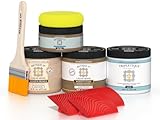
- REAL WOOD COUNTERTOPS - Works over Formica, granite, quarts, wood or any other solid countertop. Get the beautiful wood countertops of your dreams in just a few easy steps.
- AUTHENTIC WOOD FINISH -Go Beyond Faux with our patented liquid wood technology. It looks and feels like wood because it contains over 60% recycled wood fibers. Transform any hard surface into stunning wood with Retique It! Get the warm, natural look of wood on any surface without the cost and hassle of traditional woodwork.
- STAINABLE & SUSTAINABLE - Retique It is hassle-free way to get that perfect wood finish without any fuss! With its eco-friendly, water-based formula, there are zero VOCs and no offensive odors, making it easy to use even in confined spaces. When you're finished, clean-up is a breeze with just soap and water!
- NO STRIPPING REQUIRED - No need to sand or strip off old finishes or surfaces - just apply it right over any painted or finished surface. Our wood-based primers and stains let you add a layer of actual wood to virtually any hard surface.
- DURABLE FINISH - Each Countertop Kit includes Tripletique Waterbased Epoxy Alternative Topcoat for great durability.
Laminate: economical when protected
Laminate offers easy cleaning, many printed patterns, and a lower-cost route to a finished counter. The decorative layer is less resistant to heat and sharp impacts than stone. Use a trivet for every hot pan and a chopping board for food preparation; cutting directly on the surface or sliding heavy cookware can create damage that is difficult to disguise. Ask how the installer will finish exposed ends and seams, where moisture can become a bigger problem than the field surface.
Appearance depends on the slab, finish, and edge
Natural stone is inherently variable. Two slabs sold under the same material name can differ in background color, veining, mineral inclusions, and movement. Engineered and printed surfaces usually offer greater consistency, but a digital image or small sample still cannot show the full pattern, gloss, texture, or edge behavior.
Review these details in person or request large, well-lit samples:
Quick wins for a faster PC:
Repair Windows errors before they cause bigger problemsFix Now →Scan for outdated or missing drivers - takes under a minuteDriver Scan →- Finish: polished, honed, textured, and other finishes change reflectivity, feel, and how marks show.
- Pattern direction: book-matching or aligning veins may increase fabrication complexity and waste.
- Edge profile: sharp corners are more exposed to impact; rounded profiles can reduce chipping risk.
- Cut-outs and seams: sink and cooktop openings interrupt the pattern and create stress points.
- Backsplash transition: confirm whether the same slab, a different material, or a separate upstand will be used.
For porcelain, specifically ask whether the pattern is through-body or surface-printed. That answer affects what a chipped corner or exposed edge will look like.
Plan cleaning, sealing, and repairs before installation
Get care instructions for the exact product
Generic advice about “stone” is not enough. Ask the supplier or fabricator for written instructions naming the product, finish, approved cleaners, stain response, heat limits, and sealing schedule. Keep those documents with your renovation records. The Natural Stone Institute material is useful for understanding categories, but the selected slab and finish determine the instructions you should follow.
Separate routine cleaning from periodic treatment
Routine cleaning should be simple and compatible with the finish. Periodic treatments such as sealing or oiling are different decisions. Marble, granite, and quartzite may have sealing requirements that vary by stone and finish; soapstone is described as non-porous and not needing sealing; porcelain and solid surface are described as not requiring it. Never buy a sealer merely because a surface is called natural stone.
Rank #4

- Long-lasting & Affordable - Low VOC and odor, this Long-lasting high gloss acrylic paint and topcoat are heat and stain resistant which can against everyday use. TIP: WAIT 5 TO 7 DAYS UNTIL THE PAINT HAS COMPLETELY HARDENED BEFORE USING THE FURNITURE
- Fantastic DIY Project - Easy to use with step-by-step instructions, upgrade and paint your countertop with a gloss finish to similate the look of granite
- Cover 38 square feet (16 linear feet of standard 24” wide counter) for ceramic tile, laminate, corian, butcher block, and traditional granite
- Using Tips: ①Ensure that the surface of the object is free of dust and keep the surface clean and dry. ②Due to transportation and weather conditions, there may be layering of the paint, please mix the countertop paint evenly and then you can use it normally. ③If your countertop has damage such as holes, scratches, please repair it before using this product
- Construction Kit: Countertop Paint comes with a complete set of painting tools, including GLAINTE Countertop Paint, a paint roller, and a sponge. NOTE: PAINT TRAY NOT INCLUDED! Whether you are an experienced DIY enthusiast or a novice, this all-in-one kit will make your painting project a breeze. It helps you achieve a professional finish while keeping your expenses under control
Know what can realistically be repaired
Minor solid-surface scratches may be sanded, and some soapstone marks may be sanded with the correct method. Laminate burns and deep scratches can penetrate the decorative layer and be difficult to repair invisibly. Porcelain edge chips and stone cracks often require a specialist rather than a household patch. Ask for the repair pathway, likely color match, and warranty exclusions before you sign the fabrication order.
Budget by the complete installed job
Material price is only one line in a countertop budget. Request an itemized local quote that separates the slab or sheets from templating, fabrication, sink and cooktop cut-outs, edge details, seams, delivery, installation, supports, backsplash work, removal, plumbing disconnection, and disposal where applicable.
Editorial price ranges sometimes published for solid surface or soapstone do not share a common geography or methodology, so they are not a reliable universal price list. A complex edge, difficult access, additional seams, or a premium slab can change the total more than the material name alone. Obtain at least two detailed bids using the same drawing and specification so you can compare like with like.
When a quote appears unusually low, check what is excluded: sink cut-outs, finished ends, reinforcement, delivery to the room, old-counter removal, or sealing may be separate charges. When a quote appears high, ask whether it includes a more expensive slab selection, extensive edge work, or pattern matching rather than assuming the installer is simply charging more.
A practical buying sequence
- Set the total installed budget. Give each bidder the same room measurements and ask for itemized material, fabrication, cut-outs, edge treatment, delivery, installation, and removal.
- Rank daily performance needs. Put heat, stain resistance, scratch tolerance, cleaning effort, and willingness to accept patina in order from most to least important.
- Shortlist materials that meet the top needs. Eliminate surfaces whose unavoidable weaknesses conflict with your routine, such as laminate if you cannot use trivets or marble if acid etching would bother you.
- Inspect the actual finish and slab. Compare large samples or the specific natural-stone slab, and check pattern continuity at edges and cut-outs.
- Design the vulnerable details. Choose edge radii, corner treatments, seam positions, sink type, cooktop openings, and supports with the fabricator.
- Request product documentation. Obtain care instructions, heat limitations, cleaning restrictions, sealing or oiling guidance, and warranty terms for the exact product.
- Confirm fabrication capability. For porcelain and intricate natural-stone work, verify that the fabricator routinely handles the material and can protect cut-outs and edges during transport.
- Approve the template and slab layout. Make sure appliance openings, seams, vein direction, and finished ends match the plan before cutting begins.
- Plan protective habits from day one. Keep trivets beside the hob, use chopping boards where required, wipe spills promptly, and store the care sheet where everyone can find it.
Common mistakes and how to avoid them
Choosing from a tiny sample
A small chip cannot show a natural slab’s full movement or whether a printed porcelain pattern will look convincing at an edge. Approve a large sample or the actual slab and mark the visible areas before fabrication.
Crashes, No Sound, or Screen Glitches?
Random freezes, missing sound and display glitches usually trace back to one bad driver. Find and replace yours safely.Free scan · under a minuteWindows Errors? Fix Them Before They Spread
Repair common Windows errors and clear accumulated junk for a smoother, more stable PC - no reinstall needed.Free scan · no reinstallAssuming a family name guarantees performance
“Quartz,” “stone,” and “porcelain” describe broad categories, not identical products. Confirm the selected manufacturer’s limits and the fabricator’s advice instead of relying on a generalized online ranking.
Best Value
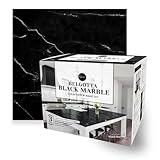
- Each kit comes with an extra-durable, high-gloss, crystal clear Epoxy Resin Topcoat that finishes and protects the application against the everyday use of your countertops
- Giani Countertop Paint is a simple, three-step application that will transform Formica, laminate, Corian, ceramic tile, butcher block, cultured marble, and traditional granite in a single weekend
- Belgotta Black Marble is an authentic and budget friendly alternative to stone countertops; It is safe for interior use, very low odor, and low VOC
- The specialized primer hides existing discoloration, burns, stains, and minor scratches, while the white vein spray creates the characteristic look of black marble
Ignoring cut-outs and corners
Most stress is concentrated around sink and cooktop openings, seams, overhangs, and exposed corners. Ask how those areas will be reinforced, rounded, transported, and repaired if damaged.
Treating sealing as a one-time universal fix
Some stones and finishes need sealing, others do not, and a sealer cannot prevent marble etching or stop a hot pan from scorching a heat-sensitive surface. Follow the exact care schedule rather than applying a product pre-emptively.
Comparing bids with different scopes
A quote that excludes removal or cut-outs is not cheaper than one that includes them. Put the same inclusions, edge profile, slab grade, and installation conditions in every bid.
Do these 3 things before closing this tab:
1Clear out junk files and repair common Windows errors2Fix the driver behind crashes, sound loss and screen glitches3Repair Windows errors before they cause bigger problemsWhich countertop is best for your budget and how you cook?
Choose porcelain when broad resistance and low porosity are your priorities and you have access to skilled fabrication. Choose granite or quartzite when you want a natural slab suited to hard use and are prepared to verify the particular stone’s care. Choose marble for its veining and the willingness to accept etching, scratches, and patina. Choose soapstone when non-porous care matters more than maximum hardness. Choose quartz for engineered consistency and relatively easy maintenance, provided the exact product’s heat and stain rules fit your kitchen. Choose solid surface when repairable minor scratches are valuable and you can protect it from hot pans. Choose laminate when the lower initial cost outweighs the need for careful heat and impact protection.
The final decision should be made from the actual slab or finish, a written care plan, and comparable installed bids. That process matters more than selecting the most expensive name on a showroom display.
Quick Recap
Product prices and availability are accurate as of the date/time indicated and are subject to change. Any price and availability information displayed on Amazon at the time of purchase will apply.

