A spinal cord injury (SCI) can reduce or eliminate movement and sensation below the injured area, but the pattern differs widely. Injury level, how much nerve tissue remains connected, strength, sensation, balance, joint movement and overall health all influence function. Rehabilitation cannot promise a return to walking, yet it can improve practical mobility, self-care, independence, participation and management of complications—whether a person walks, uses a wheelchair, or combines both.
What does a spinal cord injury do to movement?
The spinal cord carries messages between the brain and the body. Damage can interrupt signals that control muscles and signals that carry touch, pain, temperature and position. The result may be partial or complete loss of motor and sensory function below the injury. Damage can affect a few nerve fibers, many fibers or almost all fibers crossing the injured area.
As an Amazon Associate I earn from qualifying purchases.
The World Health Organization (WHO) defines SCI as damage caused by traumatic events such as falls and road crashes, or by non-traumatic conditions including tumors, degenerative or vascular disease, infections, toxins and birth defects. The location and severity of the damage shape the resulting pattern. Injury level and completeness are clinical descriptions; they do not by themselves predict exactly what a person will do in daily life.
The Tool Desk
Outbyte PC Repair FREEClear out junk files and repair common Windows errorsFree Scan →Outbyte Driver Updater FREEFix the driver behind crashes, sound loss and screen glitchesFind Drivers →| Clinical description | What it generally means for movement |
|---|---|
| Paraplegia | Arm function is generally preserved, while the legs and lower body may have impaired movement or sensation. |
| Tetraplegia | The injury affects the arms as well as the trunk and legs, so hand, arm and upper-body function may be limited. |
| Incomplete injury | Some messages still pass through the injured area. A person may retain some feeling, muscle control or both below the injury. |
| Complete injury | There is no preserved motor or sensory function below the injury level on the relevant clinical examination, although the amount of nerve damage can still vary. |
Autonomic functions can also be disrupted at any injury level. These include control related to blood pressure, body temperature, bowel and bladder function and sexual function. Breathing can be affected, particularly when the injury involves higher spinal levels.
#1 Best Overall

- 5 Level Resistance(3-20pounds): You will get a set of resistance bands including five colors, different colors represent different stretching forces. Each stretch strength (color) is suitable for different exercise levels and different exercise purposes. And unisex.
- Resistance Levels: Gym resistance bands come in 5 different resistance levels: Yellow Band (X-Light, 0.25mm), Red Band (Light, 0.3mm), Green Band (medium, 0.35mm), Blue Band (heavy, 0.4mm), Gray Band (X-heavy, 0.5mm).Five levels of workout bands, which can be easily switched at any time according to your preferences and needs.
- High-Quality Material: Open-ended Pilates flex bands is 59 inches(4.9FT) long and 6 inches wide, made of high-quality TPE material, latex-free, skin-friendly,odorless, smooth surface, safe and durable, can maintain long-term elasticity, not easy to break.
- Training And Rehabilitation: It is a high-quality Pilates elastic band product for resistance training and rehabilitation. It is ideal for Pilates, resistance training, physical therapy and mobility training. Simple and effective resistance bands can stretch and tone muscle groups and improve your posture.
- Suitable For People: Suitable for athletes, exercisers, the elderly, rehabilitation trainers, and the stretch bands can be used for physical therapy, rehabilitation, wrestling, bodybuilding, Pilates, yoga, etc. Simple but effective exercises will build strength and speed recovery.
Which abilities can change besides walking?
Walking is only one part of movement. Depending on the injury, a person may have difficulty with reaching, grasping, sitting balance, transfers, standing, breathing or repositioning in bed. Reduced sensation can make it harder to notice an injury, excessive pressure or a change in temperature.
- Hand and arm use: Tetraplegia may affect grasp, fine motor control, feeding, dressing, hygiene and the ability to operate a wheelchair or computer.
- Trunk and leg control: Weakness can change sitting balance, transfers, standing and the ability to walk or propel a manual wheelchair.
- Bowel and bladder function: Nerve disruption can require scheduled routines, equipment and medical supervision.
- Breathing and cough: Higher injuries may weaken respiratory muscles and make secretion management more difficult.
- Pain and muscle tone: Neuropathic pain and spasticity can interfere with sleep, movement and therapy.
- Blood pressure and temperature regulation: Autonomic dysfunction can cause dangerous episodes such as autonomic dysreflexia in susceptible people.
- Sexual function: Sexual sensation, arousal, fertility and reproductive function may change.
Possible secondary complications include urinary tract infections, pressure ulcers, respiratory problems, blood clots, osteoporosis, chronic pain and spasticity. These problems are not inevitable for every person, but prevention, early recognition and continuing medical care are part of SCI rehabilitation.
Will I walk again after a spinal cord injury?
There is no general answer that can predict an individual’s walking outcome. Walking requires coordinated signals from the brain through the spinal cord, adequate leg strength, usable sensation, balance, coordination, joint range and enough endurance to repeat the activity safely. More retained leg strength and sensation generally make walking more likely, but clinicians must assess the whole person.
Early after an injury, it may be difficult to know how much strength or control will return. A near-complete recovery is possible in some cases when little or no nerve-cell death has occurred, but that possibility should never be treated as a promise. A person’s examination, medical stability, goals, environment and access to skilled rehabilitation all matter.
Rank #2
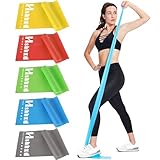
- Good Quality Exercise Bands - Made of TPE material, TPE is environmentally friendly, non-toxic and safe, has a wide range of hardness, soft touch, weather resistance, fatigue resistance and temperature resistance, used TPE old products can be recycled after simple regeneration, reducing Environmental pollution, expanding the source of renewable resources. The product is latex and powder free and fragrance free.
- 5 Levels Of Resistance - 5 resistance bands are 59in (150cm) long and 5.9in (15cm) wide, the resistance bands is yellow band (5 lbs), red band (10 lbs), green band (15 lbs), blue strap (20 lbs), gray strap (30 lbs).
- Multi-Functional - It can be resistance bands, exercise bands, yoga bands,elastic exercise bands, pilates bands, exercise arm bands, physical therapy resistance bands, stretching bands, workout bands, leg shaping exercise bands, stretch bands for exercise. You can use it at home, yoga studio, gym , Pilates studio, travel, and anywhere else, it's compact and easy to carry.
- Easy To Maintain Your Body - The resistance bands for working out can help you relieve problems like joint pain and prevent potential health problems, and are the preferred equipment for physical therapy. Advanced stretching bands can target muscles such as arms, buttocks, legs, and abdomen to shape your perfect ideal body.
- Great Holiday Present - Resistance bands are great for any age, from children to seniors, resistance bands have been proven to provide as many benefits in terms of fitness health and strength gains as weight training equipment. Plus, by knotting the resistance band you get a loop for double the resistance!
| Walking measure | Reported result | How to interpret it |
|---|---|---|
| Walking one street block outdoors at one year | About one in three people | Among people who completed inpatient rehabilitation at an SCI Model Systems center; SCI Model Systems data reported by MSKTC in 2024. |
| Walking 150 feet at one year | Four in ten people | The same cohort and year, but a different distance threshold. The two figures are not interchangeable. |
These are cohort results, not personal odds. They describe people who completed inpatient rehabilitation at a specialized SCI Model Systems center, and they use different definitions of walking. A physical therapist (PT) or physiatrist can explain what an examination suggests for a particular person.
What can rehabilitation achieve?
WHO describes rehabilitation as a way to optimize functioning, independence, community integration, vocational reintegration and well-being. It can address impairments while also helping a person perform daily activities and participate in family, work, education and recreation. Rehabilitation is not a cure and does not make walking the required measure of success.
WHO’s spinal cord injury fact sheet, published 16 April 2024, states: “Effective prevention, treatment, rehabilitation, and ongoing health care are essential to alleviate the global burden of SCI.” Care may begin during the acute hospital stay, continue in post-acute services and remain available over the long term as needs and goals change.
What’s actually slowing this PC down?
Pick the symptom - the matching free tool is one click away.
Physical therapy
PT may target strength, range of motion, sitting and standing balance, transfers, endurance, wheelchair propulsion, walking or stepping practice. Therapists also teach strategies for safe movement across the surfaces and environments a person actually uses.
Rank #3

- High End Exercise Bands. Our 12"³ By 2"³ Heavy Duty Loop Resistance Bands Come In 5 Varying Resistance Levels. This Makes Them Perfect Whether You Are Just Starting To Workout Or A Seasoned Workout Warrior. Our Extra Light And Light Bands Are Great For Beginners, While Our Medium, Heavy And Extra Heavy Exercise Bands Are Targeted For More Intermediate And Advanced Strength Training.
- Great With Any Workout. This Resistance Band Set Can Be Integrated Seamlessly With Various Popular Workout Program. Or Use Them For General Exercise, Stretching, Strength Training, Power Weight Programs. The Included Carry Bag Makes It Easy To Take Your Bands With You And Do Any Workout Away From Home Or Your Home Gym.
- Multiple Uses. While These Resistance Bands Are Often Used For Sports And Fitness, Physical Therapists Love These Physical Therapy Bands (Rehab Bands) To Help Them Rehabilitate Their Patients. Our Stretch Bands Work For People Suffering From Leg, Knee And Back Injuries. They Are Also Perfect For Use By Women After Pregnancy And Birth To Keep Their Bodies In Shape.
- Superior Quality. All Of Our Exercise Resistance Bands Are Thoroughly Tested Before We Ship Them Out To You. This Ensures Your Bands Are Easy On Skin And Will Provide You With A Worry Free Experience. The Instruction Booklet Includes Dozens Of Different Illustrated Exercises That Demonstrate How To Use Our Resistance Bands For Legs, Arms, Back, Shoulders, Ankles, Hips And Stomach.
- What You Get: Five Exercise Bands With Color-Coded Resistance Levels, Portable Travel Carry Bag And Instruction Guide.
Occupational therapy
Occupational therapists work on fine motor skills and daily activities such as eating, dressing, bathing, toileting and bed-to-wheelchair transfers. They may recommend environmental changes, splints, adaptive controls or techniques that reduce strain and increase independence.
Education, counseling and self-management
Rehabilitation can include counseling, psychological support, social work, vocational planning, nutrition services, recreation therapy and nursing education. People learn skin inspection, pressure relief, bowel and bladder routines, equipment use and warning signs that need medical attention.
The multidisciplinary team
NINDS lists a possible team that includes a physiatrist, rehabilitation nurses, PTs, occupational therapists, recreational therapists, rehabilitation psychologists, social workers, vocational counselors, nutritionists and other specialists. The exact team depends on injury level, medical needs, setting and personal goals.
How gait and locomotor training work
Gait training means practicing walking with the level of support needed for safety and useful repetition. A therapist may use braces, a cane, walker or crutches while working on balance, timing, coordination and movement across different surfaces. The goal is not simply to move the legs; it is to build a safe, repeatable pattern that fits the person’s abilities.
Rank #4

- 100% Natural Latex
- 【Natural Latex & Durable Elasticity】Our pull up bands are made of 100% natural Malaysia latex, making these resistance bands soft, odorless and highly durable. The workout bands maintain strong elasticity even after years of frequent exercise and training, serving you long-term.
- 【Multifunctional Exercise Bands】These exercise bands add effective resistance and weight to your workouts, ideal for pull up assistance, push-ups, speed training, bench press, squats, shoulder presses and more. They enhance workout efficiency, helping you get better fitness results.
- 【Suitable for All Strength Levels】Available in different resistance levels, these workout bands grow with you—from fitness newbie to seasoned veteran. Use the resistance bands alone or combine multiple bands to increase the challenge, helping you gradually upgrade your training and build your ideal body.
- 【Full-Body Training & Versatile Use】These gym bands are perfect for men and women to tone arms, back, legs, buttocks, chest, core and abs, while improving body flexibility. The stretch bands also perform excellently in physical therapy, weight loss, injury rehabilitation and speed training.
Locomotor training
Locomotor training repeatedly practices stepping, sometimes on a treadmill and sometimes overground. Body-weight support can reduce the amount of weight the legs must carry while the person practices stepping. Therapists may assist leg movement, and some centers use robotic exoskeletons. These approaches are training methods, not guaranteed routes to independent walking.
What determines whether walking is practical?
- Remaining strength in the hips, knees and ankles.
- Sensation that helps a person detect foot position, pressure and hazards.
- Balance and coordination during standing and stepping.
- Range of motion in the hips, knees and ankles.
- Cardiovascular and muscular endurance.
- Ability to use braces or another aid consistently and safely.
- The distance, terrain, weather and assistance required in the person’s daily environments.
Walking for therapy or short indoor distances may be worthwhile even when a wheelchair is more efficient outdoors or for long distances. Focusing only on walking can consume time needed for wheelchair skills, transfers and self-care that support a full and active life.
Independent reader supportYour contribution helps us test, update, and keep practical guides available for everyone.Which mobility equipment might help?
Equipment selection should follow an individualized assessment rather than a universal ranking of devices. NINDS and MSKTC describe the following examples:
Free tools Windows power users keep installed
One-click scans. No signup required.
| Equipment or approach | Potential role | Key decision points |
|---|---|---|
| Canes, walkers or crutches | Provide balance and partial support during standing and walking. | Stability, fall risk, arm strength, terrain and the distance a person must travel. |
| Braces | Position or stabilize a weak joint during standing or gait practice. | Joint range, skin protection, fit, energy cost and the ability to don and use the brace. |
| Manual wheelchair | Efficient mobility when arm strength and trunk control allow propulsion. | Shoulder health, seating position, pressure relief, surfaces and transportation needs. |
| Power wheelchair | Provides powered mobility when walking or manual propulsion is unsafe or too demanding. | Control method, seating support, home access, transport and battery management. |
| Electronic stimulation | May be used in selected rehabilitation or assistive applications to activate muscles. | Clinical suitability, equipment access, supervision and the person’s goals. |
| Neural prosthetics or computer adaptations | Can support selected control, communication or environmental-access tasks. | Residual function, training requirements, technical support and setting. |
A wheelchair is not a failure of rehabilitation. It can provide safer, faster and less tiring mobility, including for someone who can walk short distances. Many people use more than one method: for example, walking with a brace indoors and a wheelchair for community distances.
Best Value

- Upgrade Exercise Band: Made of high quality TEP material, latex free, skin friendly, odorless, smooth and non-sticky surface, safe and durable for long term elasticity, the elastic band is 59 inches long and 5.9 inches wide.
- Different Level of Resistance: Exercise bands are divided into 3 different resistance levels: yellow bands (light, 7.3 to 10.2 pounds), blue bands (medium, 10.2 to 15.3 pounds), and green bands (heavy, 14.2 to 21.3 pounds). Never worry about the sweatbands being too stiff, and easily switch between the 3 levels at any time to suit your preference.
- Training and Rehabilitation: Premium banding product for resistance training and rehabilitation that provides positive and negative forces on muscles and joints, stretching and conditioning all major muscle groups. It is ideal for resistance training, physical therapy and athletic training. Simple and effective resistance bands stretch and strengthen muscle groups and improve your posture.
- Great With Any Workout: Ideal exercise band for legs, hips, arms, abdomen, head and cervical spine. Ideal for sports athletes, seniors, physical therapy, rehabilitation, wrestling, fitness, pilates, yoga, kickboxing and more. They are also great for women to use after giving birth to stay fit.
- Surprise for Family and Friends: Women's and men's fitness bands are suitable for any age. With the training guide, it can be used as a surprise for loved ones or friends for Thanksgiving, Christmas, or birthdays.
Seating, pressure relief and cushions
MSKTC includes skin-protection and positioning cushions among example wheelchair equipment. Because reduced sensation and limited movement increase pressure-ulcer risk, a seating clinician should match the cushion, chair, posture and pressure-relief routine to the individual. No single cushion prevents every pressure injury or restores neurological function.
How should rehabilitation goals be chosen?
A useful plan compares the person’s goals with remaining function, safety and the environments in which mobility will occur. The same neurological examination can lead to different priorities for two people: one may need household walking, another may prioritize independent wheelchair travel to work, and another may focus first on hand control for eating and communication.
- Define the activity that matters: Specify a destination or task, such as transferring from bed, reaching a bathroom, crossing a room or traveling outdoors.
- Measure the starting point: Review strength, sensation, balance, joint range, endurance, pain, spasticity and assistance required.
- Match the method to the setting: Compare walking aids, wheelchair types, braces and environmental changes for the actual home, workplace and community.
- Practice safety and complication prevention: Include skin checks, pressure relief, positioning, respiratory care, bowel and bladder routines and recognition of urgent symptoms.
- Reassess as function changes: Equipment and training needs can change with recovery, overuse, aging, new pain, medical complications or a change in living or work conditions.
Why ongoing medical care remains essential
Rehabilitation works alongside medical treatment; it does not replace it. Continuing care helps detect and manage pressure ulcers, urinary infections, respiratory problems, blood clots, osteoporosis, pain, spasticity and autonomic dysreflexia. Mental-health support and social services are also legitimate parts of recovery because adjustment, participation and quality of life extend beyond muscle strength.
Globally, the WHO estimated that about 15.4 million people were living with SCI in 2021, a figure published in its 2024 fact sheet. The same fact sheet estimated more than 4.5 million years lived with disability attributable to SCI in 2021. These figures show the scale of the condition, not the expected outcome for any one person.
What a productive conversation with the rehabilitation team includes
- Which movements and sensations are present below the injury, and how are they changing?
- What can be practiced safely now, and what assistance or equipment is required?
- Is walking a realistic goal for a particular distance or environment, or would wheelchair mobility be safer and more efficient?
- Which transfers, self-care tasks or hand functions should receive priority?
- What daily routines reduce pressure-injury, respiratory, bladder, bowel, bone and blood-clot risks?
- How will progress be measured: assistance level, distance, endurance, safety, independence or participation?
SCI changes movement in ways that depend on level, completeness and the individual’s remaining abilities. Rehabilitation can build strength and skills, improve safety, support independence and participation, and manage complications. Walking may be one goal, but practical mobility can also mean a well-fitted wheelchair, reliable transfers, self-care and the ability to take part in home, work and community life.
Quick Recap
Product prices and availability are accurate as of the date/time indicated and are subject to change. Any price and availability information displayed on Amazon at the time of purchase will apply.

