Refineries remove most sulfur from gasoline and diesel by reacting fuel streams with hydrogen over catalysts in a process called hydrotreating. The sulfur compounds are converted into forms that can be separated from the fuel; the sulfur then has to be handled elsewhere in the refinery. For gasoline, treating more aggressively can also reduce octane, so refiners must balance sulfur reduction with fuel performance and blending needs.
Why sulfur is removed from fuel
“Sulfur is a natural component in crude oil that is present in gasoline, diesel, and other petroleum fuels unless it is removed,” explains the U.S. Energy Information Administration (EIA). Crude oils vary in sulfur content, and sulfur is undesirable for processing and product quality.
As an Amazon Associate I earn from qualifying purchases.
In gasoline, sulfur can impair emission-control systems and contribute to air pollution, according to the U.S. Environmental Protection Agency (EPA). Lower-sulfur fuel helps vehicle emissions controls work effectively. EPA says its Tier 2 program reduced gasoline sulfur by up to 90%; Tier 3 continues the integrated vehicle-and-fuel approach to reducing air-quality impacts.
Quick wins for a faster PC:
Clear out junk files and repair common Windows errorsFree Scan →Scan for outdated or missing drivers - takes under a minuteDriver Scan →How catalytic hydrotreating removes sulfur
In hydrotreating, a refinery mixes a petroleum stream with hydrogen and passes it over a catalyst under heat and pressure. The reactions break down sulfur-containing compounds, allowing sulfur to be separated from the fuel stream. Hydrotreating distillate fuels also removes nitrogen, oxygen, and metals associated with hydrocarbon compounds, as described by the EIA.
#1 Best Overall

- Country Of Origin : Czech Republic
- The Package Height Of The Product Is 3.9 Inches
- The Package Length Of The Product Is 4.8 Inches
- The Package Width Of The Product Is 3.9 Inches
The process is not simply a filter that traps sulfur. Hydrogen participates in chemical reactions that change sulfur compounds, while refinery separation and sulfur-recovery equipment handle the resulting materials. Removing sulfur from saleable fuel therefore shifts it into other refinery streams rather than making it vanish.
Gasoline and diesel need different treatment
| Fuel stream | How treatment is applied | Important product trade-off |
|---|---|---|
| Gasoline blendstocks | Hydrotreat FCC gasoline blendstocks or treat the fluid catalytic cracking (FCC) feed; these are distinct points in gasoline production. | More severe treatment can affect olefins, which contribute octane, and may lower gasoline octane. |
| Distillate fuels, including diesel | Hydrotreat the distillate stream with hydrogen over a catalyst to reduce sulfur and remove other contaminants. | The cited sources describe sulfur reduction and other contaminant removal, but do not quantify a comparable octane trade-off for distillates. |
The gasoline process options and their mechanisms are described in an EPA staff paper from 1998. That document is useful for understanding the chemistry, not for judging current refinery costs or market practice. Gasoline refiners may compensate for octane loss by blending in a greater share of high-octane, low-sulfur components, according to the EIA.
Rank #2

- Better Media, Longer Life: A three-layer pleated cellulose glass media traps the fine rust and grit that budget filters let slip past, and the large-capacity pleats hold more before the flow drops off.
- Fits Your 6.7 Powerstroke: Confirmed for 2017 through 2026 Ford 6.7L Powerstroke F-250, F-350, and F-450. Order by your model year and this is the correct fuel and water separator for your truck.
- How It Works: Doc's Fuel Filters remove contaminants like separate water from dirt, rust, and debris, protecting fuel system components and ensuring peak engine performance.
- Meets The SAE J1985 Standard: Efficiency is confirmed by an independent lab, not an in-house number, and the high-strength carbon steel housing is built to take the pressure of a 6.7L fuel system.
- Ready To Install: Each filter ships with the o-rings you need, so there is nothing extra to buy. Change it every 5,000 to 10,000 miles, 15,000 at the outside, per your vehicle manufacturer's schedule.
What the U.S. limits mean
The figures below are U.S. regulatory examples, not universal fuel specifications. Requirements can differ by country, fuel type, and time.
| Fuel and U.S. limit | Context |
|---|---|
| Gasoline: 10 parts per million (ppm) | The EPA standard for refiners and importers began in 2017, after the standard was lowered from 30 ppm. The EIA reported this history in 2024. |
| Highway ultra-low-sulfur diesel: 15 ppm | The EIA reported the U.S. limit was reached by 2010, following a 500 ppm limit that began in 1993. |
For historical scale, the EIA reported that diesel before 1993 averaged 3,000 ppm sulfur; the 15 ppm highway ULSD limit is 99.5% lower. The 3,000 ppm figure is a historical average, not a measurement of all diesel sold today. These figures are reported in the EIA’s distillate sulfur explainer.
Rank #3

- OEM FUEL FILTER: Engineered to meet OEM specifications for fit, filtration performance, and long-lasting reliability. Direct replacement for part numbers 68157291AA and 68436631AA on 2020-2024 Ram trucks with 6.7L I6 Cummins turbo diesel engines.
- DUAL FILTRATION: The Mopar Fuel Filter Set includes both primary and secondary fuel filters to maintain optimal fuel flow and engine performance throughout your truck's fuel system.
- KEEPS YOUR ENGINE HEALTHY: The Mopar Fuel Filter Set helps ensure long-term engine performance by removing contaminants and water from diesel fuel to prevent injector damage and fuel system corrosion.
- EASY TO INSTALL: This automotive replacement part is simple to install. A drop-in replacement design fits factory diesel fuel filter housings for a quick swap without modifications.
- 85+ YEARS OF EXPERTISE: As the Genuine Original Equipment Manufacturer (OEM) of parts for Chrysler, Jeep, Dodge, Ram, and FIAT brands, Mopar knows your car inside and out. Our factory-original equipment adheres to strict testing, so you get the best..
U.S. gasoline suppliers can use sulfur averaging, banking, and trading credits to comply with the program, as the EIA explains in its overview of gasoline sulfur credits. That flexibility concerns regulatory compliance; it does not change the chemical process used to remove sulfur from a particular stream.
Independent reader supportYour contribution helps us test, update, and keep practical guides available for everyone.Why refinery-wide changes are needed
Installing or expanding hydrotreating capacity can increase demand for hydrogen and require changes to sulfur recovery and supporting refinery operations. EPA regulatory documents identify hydrogen generation, catalyst handling or regeneration, sulfur recovery, wastewater treatment, and blending and storage among the associated operations. The project’s needs depend on the refinery and streams involved; the available sources do not establish a general cost ranking or a current per-unit cost for sulfur removal.
Rank #4
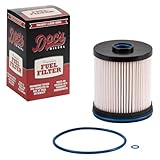
- Third-Party Tested Efficiency: Independent testing rates it at 98.13 percent efficiency down to 3 microns, so the number is verified rather than claimed.
- Confirms Your Fit: Built for 2017-2026 Chevrolet/GMC 6.6L Duramax 2500HD, 3500HD, 2020-2026 Chevrolet/GMC 3.0L Duramax 1500. Use the fitment card on this page to confirm your exact year and configuration before ordering.
- How It Works: Doc's Fuel Filters remove contaminants like separate water from dirt, rust, and debris, protecting fuel system components and ensuring peak engine performance.
- Interchange: AC/Delco TP1015, Wix WF10451, Premium Guard DF99173, Purolator F21393. Confirm your part number before ordering.
- Service Interval: Change according to your vehicle’s manufacturer warranty. Fuel Filters should be changed every 5,000 to 10,000 miles, or 15,000 maximum.
- Hydrogen: Hydrotreating consumes hydrogen, so supply may need to expand.
- Sulfur recovery: Sulfur separated from fuel must be managed in refinery systems.
- Supporting utilities and operations: Wastewater handling, catalyst management, and product blending and storage can also be part of the wider change.
EPA’s 2005 regulatory impact analysis discusses these supporting refinery operations. Its examples should not be read as a universal equipment list for every facility.
What’s actually slowing this PC down?
Pick the symptom - the matching free tool is one click away.
Quick Recap
Best Value

- Durable and engineered for optimal performance.
Product prices and availability are accurate as of the date/time indicated and are subject to change. Any price and availability information displayed on Amazon at the time of purchase will apply.

