Free tools Windows power users keep installed
One-click scans. No signup required.
Neither backup system is universally better. A home battery is the better fit when you value silent operation, solar integration, time-of-use savings and backup for a defined set of essential circuits. A permanently installed standby generator is usually the safer choice for outages that may last many hours or days, large motor loads and whole-home operation—provided you have dependable fuel and compliant outdoor installation.
The right decision follows from four measurements: how long an outage may last, which appliances must run, their running and starting watts, and how each system will recharge or refuel. Compare installed, permitted systems and lifetime operating needs rather than the equipment price alone.
| # | Preview | Product | Price | |
|---|---|---|---|---|
| 1 |

|
Generac 22kW Whole Home Generator, Transfer Switch & Cellular Capability | $7,229.00 | Buy on Amazon |
| 2 |
|
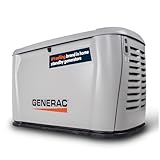
Generac 22kW Whole Home Generator, Cellular Capability | $6,189.00 | Buy on Amazon |
| 3 |
|
Generac 14kW Whole Home Generator, Transfer Switch & Cellular Capability | $5,839.00 | Buy on Amazon |
| 4 |
|
Generac 26kW Whole Home Generator, Cellular Capability | $7,019.00 | Buy on Amazon |
As an Amazon Associate I earn from qualifying purchases.
The short answer: match the system to your outage and loads
| Choose a home battery when… | Choose a standby generator when… |
|---|---|
| You want quiet, exhaust-free operation while discharging. | Outages can be prolonged or unpredictable and you need power as long as fuel is available. |
| Your home has solar, or your utility uses time-of-use rates. | You must start central air-conditioning, electric heat, well pumps, sump pumps or other high-surge equipment. |
| Backup can be limited to refrigeration, lighting, networking, medical equipment and selected receptacles. | You need whole-service or whole-home coverage and have natural-gas, propane or diesel logistics. |
| You can plan a recharge source, such as solar or the grid when it returns. | You can store or deliver fuel safely and follow a maintenance and exercise schedule. |
A battery stores electricity and releases it through an inverter; it does not create energy during an outage. Without solar or another charging source, its runtime ends when usable stored energy is consumed. A standby generator converts fuel into electricity, so its endurance is tied mainly to fuel supply, maintenance and the load it is carrying.
Quick wins for a faster PC:
Fix the driver behind crashes, sound loss and screen glitchesFind Drivers →Repair Windows errors before they cause bigger problemsFix Now →Scan for outdated or missing drivers - takes under a minuteDriver Scan →How the two systems work
Home battery backup
A battery system combines electrochemical cells, a battery-management system, an inverter/charger and controls that isolate selected home circuits from the utility grid during an outage. The inverter changes stored direct current into the alternating current used by household equipment. An automatic transfer device or gateway opens the utility connection so the battery does not energize lines being repaired.
#1 Best Overall
- Whole House Protection: Keep your family comfortable and connected during power outages. Avoid the disruption of losing refrigeration, heating/cooling, lights and connectivity of your devices with a Home Standby Generator that automatically detects an outage and delivers backup power to your home.
- Lowest Total Cost Of Ownership: Electronic fuel & ignition control optimizes fuel use for a more cost-efficient and lower emission back-up power solution* and financing options that offer you solutions that meet your budget *On average versus Generac Guardian Series standby generators
- Remote Monitoring & Control: Built-in Cellular Connectivity allows you to monitor performance and control your generator with Mobile Link app whether you're home or away. Provides real-time updates and maintenance alerts right on your device.* *Requires Mobile Link premium subscription
- Superior Reliability: Oil level sensors monitor oil level to help ensure generator readiness, support in cold climates with improved cold start performance and sloped roof & rear intake to reduce risk of ice or snow intrusion
- Long Term Assurance: Every Generac Standby Generator comes with a 5-year limited warranty and 24/7/365 customer support
The important specifications are usable kilowatt-hours (kWh), continuous inverter output and surge output. Usable kWh is the energy available to your loads after the system reserves a portion of the pack for protection. Continuous output is the sustained power the inverter can deliver; surge output is the short-duration capability used when motors start. A battery can have plenty of stored energy but still fail to start a pump if its inverter cannot supply the starting surge.
During normal operation, the system may charge from the grid or solar. With solar-plus-storage, the battery can capture daytime production, serve evening loads and provide outage power. A solar array does not automatically keep a battery running during a grid failure; the system must be designed to island safely and have enough solar, inverter capacity and daylight to replace the energy being used.
Permanently installed standby generator
A standby generator uses an engine and alternator to produce electricity from a fuel such as natural gas, propane or diesel. A permanently installed unit normally sits outdoors and connects through an automatic transfer switch. When the switch detects a utility outage, it disconnects the home from the grid, starts the engine and transfers the selected or whole-home load to the generator.
Do these 3 things before closing this tab:
1Clear out junk files and repair common Windows errors2Scan for outdated or missing drivers - takes under a minute3Repair Windows errors before they cause bigger problemsGenerator specifications separate running watts from starting (surge) watts. Refrigerators, pumps, compressors and air conditioners can draw several times their running power for a brief start. The generator and transfer equipment must be sized for the largest combination that may start together, not merely the sum of the labels on steady-state appliances.
Because the generator creates new electricity while it burns fuel, it can continue operating through a long outage if fuel delivery or on-site storage remains available. Runtime, however, changes with the connected load, ambient conditions, fuel type and tank or utility supply; there is no single national runtime figure that applies to every installation.
Rank #2
- Whole House Protection: Keep your family comfortable and connected during power outages. Avoid the disruption of losing refrigeration, heating/cooling, lights and connectivity of your devices with a Home Standby Generator that automatically detects an outage and delivers backup power to your home.
- Lowest Total Cost Of Ownership: Electronic fuel & ignition control optimizes fuel use for a more cost-efficient and lower emission back-up power solution* and financing options that offer you solutions that meet your budget *On average versus Generac Guardian Series standby generators
- Remote Monitoring & Control: Built-in Cellular Connectivity allows you to monitor performance and control your generator with Mobile Link app whether you're home or away. Provides real-time updates and maintenance alerts right on your device.* *Requires Mobile Link premium subscription
- Superior Reliability: Oil level sensors monitor oil level to help ensure generator readiness, support in cold climates with improved cold start performance and sloped roof & rear intake to reduce risk of ice or snow intrusion
- Long Term Assurance: Every Generac Standby Generator comes with a 5-year limited warranty and 24/7/365 customer support
Head-to-head comparison
| Factor | Home battery | Standby generator |
|---|---|---|
| Energy source during outage | Previously stored electricity; solar or another charger can extend operation. | Fuel converted to electricity by an engine and alternator. |
| Outage duration | Limited by usable kWh and load until recharged. | Can operate while fuel and maintenance support continue. |
| Motor and HVAC starts | Limited by inverter continuous and surge ratings; some systems require load management. | Often better suited to large starting currents when correctly sized. |
| Noise | Quiet electronic operation; cooling fans may be audible. | Engine and exhaust produce substantial sound. |
| Emissions while operating | No combustion exhaust during discharge. | Combustion creates exhaust and carbon monoxide hazards. |
| Fuel logistics | No fuel deliveries; requires charging and eventual battery-capacity replacement. | Requires a reliable gas connection or safe storage and delivery of propane or diesel. |
| Solar and utility value | Can store solar and shift consumption away from expensive time-of-use periods. | Usually provides resilience; its economics depend more on fuel cost and outage frequency. |
| Maintenance | Monitoring, firmware/service checks and planning for long-term capacity degradation. | Regular exercise cycles, oil and filter service, battery checks and fuel-system maintenance. |
| Installation | Electrical integration, isolation equipment, permits and professional commissioning may be required. | Outdoor foundation, fuel and exhaust clearances, transfer equipment, permits and commissioning are required. |
| Fire and safety profile | Listed equipment, clearances and a response plan for lithium-battery incidents are essential. | Carbon-monoxide prevention, fuel safety, hot-surface and exhaust controls are essential. |
Size a battery from the loads you actually need
Battery sizing should begin with a critical-load list, not a marketing label. Decide whether you need a few circuits, a backed-up subpanel or the entire service. Whole-home backup may require more inverter capacity, load management and electrical work than a battery-only quote suggests.
- Inventory essential equipment. List refrigerators and freezers, lighting, internet equipment, security systems, medical devices, garage doors, sump pumps and any heating or cooling equipment you consider essential.
- Record running and starting watts. Use nameplates, manufacturer documentation or an electrician’s measurements. Mark motor and compressor loads separately because their starting demand can dominate inverter sizing.
- Choose the required outage window. Estimate how many hours you need before solar, the utility or another source can recharge the battery. Separate overnight needs from a multi-day emergency plan.
- Convert the load plan to energy. For each appliance, multiply watts by the expected hours of operation, then add the results. Compare that total with the battery’s usable kWh, not its gross cell capacity. Include inverter losses and reserve settings in the installer’s calculation.
- Check inverter limits. Confirm continuous output for simultaneous loads and surge output for starting motors. Ask how the system handles an air-conditioner compressor, well pump or sump pump starting while other circuits are active.
- Define the recharge plan. A grid-only battery cannot sustain an extended grid outage. For solar charging, verify islanding capability, array size, winter production assumptions, daylight scheduling and whether the battery can charge while serving loads.
- Verify placement and serviceability. Confirm listed equipment, temperature limits, clearances, flood and impact protection, monitoring connectivity and a plan for emergency responders.
A battery is often a strong fit when the objective is a quiet bridge through short interruptions or a carefully selected set of circuits. It is a weaker fit when the same system must run multiple high-power motors continuously without a realistic recharge source.
Size and install a standby generator correctly
Start with a load study
Make the same appliance inventory used for a battery, but pay particular attention to starting watts. Central air-conditioning compressors, electric resistance heat, well pumps, sump pumps, refrigerators and freezers can start at different times, and an electric water heater can add a large sustained load. An electrician or generator installer can model which combinations are allowed and add load-shedding controls so nonessential circuits pause when a high-priority motor starts.
Choose the coverage level
- Selected-circuit backup: A transfer switch feeds a critical-load panel. This can reduce generator size and fuel use.
- Whole-service backup: The transfer equipment and generator are sized for the home’s service and managed loads. It offers broader convenience but may increase installation complexity and operating cost.
Verify fuel and exhaust arrangements
Natural gas can provide continuous supply but depends on the utility remaining available during an emergency. Propane or diesel can be stored on site, yet tank size, delivery access, cold-weather behavior and local fire rules matter. Every fuel generator must be outdoors with exhaust routed away from doors, windows, vents and neighboring property. The Environmental Protection Agency’s safety guidance is explicit: “Do use portable generators outside and far away from buildings.” A permanently installed unit still needs the clearances and exhaust routing specified by its installation instructions and local code.
Plan for maintenance
Standby units generally run an automatic exercise cycle so the engine and controls are tested before an outage. The owner must still follow the service schedule for oil, filters, spark plugs or diesel components, starter batteries, coolant and fuel system inspections. Ask who responds if the generator fails during an outage and whether the installer provides commissioning records and a maintenance plan.
Rank #3
- Whole House Protection: Keep your family comfortable and connected during power outages. Avoid the disruption of losing refrigeration, heating/cooling, lights and connectivity of your devices with a Home Standby Generator that automatically detects an outage and delivers backup power to your home.
- Lowest Total Cost Of Ownership: Electronic fuel & ignition control optimizes fuel use for a more cost-efficient and lower emission back-up power solution* and financing options that offer you solutions that meet your budget *On average versus Generac Guardian Series standby generators
- Remote Monitoring & Control: Built-in Cellular Connectivity allows you to monitor performance and control your generator with Mobile Link app whether you're home or away. Provides real-time updates and maintenance alerts right on your device.* *Requires Mobile Link premium subscription
- Superior Reliability: Oil level sensors monitor oil level to help ensure generator readiness, support in cold climates with improved cold start performance and sloped roof & rear intake to reduce risk of ice or snow intrusion
- Compatible with the Generac Home Energy Ecosystem: Compatible with ecobee by Generac thermostats and Generac PWRcell battery systems to seamlessly monitor & control your home’s energy. Reviews on this project may contain feedback based on the 14 kW Generac Guardian Home Standby Generator.
What each option can and cannot do in common outage scenarios
| Scenario | Battery considerations | Generator considerations |
|---|---|---|
| Several-hour outage overnight | Can cover refrigeration, lights, communications and selected outlets if usable kWh and inverter output are adequate. | Provides sustained power but starts an engine for a relatively small load and consumes fuel. |
| Multi-day storm outage | Needs sufficient solar or another charging source; otherwise energy is exhausted after the stored reserve is used. | Can continue while fuel and service remain available; plan refueling and maintenance access. |
| Central air-conditioning | Requires inverter surge capacity and may need a soft starter or load management; runtime can fall quickly at high draw. | Often handles compressor starting more readily when running and surge ratings are correctly selected. |
| Well or sump pump | Check motor-start surge and whether the inverter tolerates repeated cycles. | Check starting watts, transfer-switch compatibility and fuel supply. |
| Solar-equipped home | Can increase self-consumption, provide peak-rate shifting and form a solar-plus-storage microgrid when designed for islanding. | Can coexist with solar, but controls must prevent unsafe interaction and the generator may not be the cheapest way to shift daily energy use. |
Solar, time-of-use rates and utility interaction
The U.S. Department of Energy notes that battery storage can provide outage backup and is especially useful with solar and time-of-use electricity rates. In a solar-plus-storage design, controls can prioritize backup reserve, self-consumption or bill savings. Those priorities are not identical: reserving a high state of charge for emergencies may reduce the amount of peak-period energy you discharge for daily savings.
Before buying, obtain the utility’s current rules for interconnection, export limits, time-of-use periods, standby charges and permission to operate. Tariffs vary by location and can change, so a battery’s financial value cannot be calculated from a national average. A generator’s economics likewise depend on local fuel prices, outage frequency and how much of the home you operate during an event.
Independent reader supportYour contribution helps us test, update, and keep practical guides available for everyone.Safety differences you should treat as design requirements
Generator carbon monoxide and fire hazards
- Install fuel-burning generators outdoors, never in a garage, basement, crawlspace or enclosed porch.
- Keep exhaust away from windows, doors, vents and air intakes; follow the manufacturer’s clearance diagram and local code.
- Use an approved transfer switch. Never back-feed a home through a wall outlet or improvised cord.
- Install and maintain carbon-monoxide alarms inside the home and near sleeping areas, following local requirements.
- Keep hot exhaust components and fuel storage away from combustible materials, and refuel only as directed after shutdown and cooling.
Lithium-battery fire planning
Batteries do not produce combustion exhaust while discharging, but lithium-battery fires can be difficult to extinguish, may reignite and require specialized response, according to EPA safety information. Use listed equipment installed to the manufacturer’s instructions, maintain required clearances, protect the system from flooding and impact, keep access clear and provide first responders with the system location and shutdown procedure. Do not improvise repairs or enclose a battery in a space that the listing does not permit.
Installation, permits and professional work
Both technologies can require a new or upgraded electrical panel, disconnects, transfer equipment, grounding and inspection. Jurisdictional rules differ, and utilities may require an application before an interconnected battery or generator is energized. Ask each installer to identify the exact equipment model, one-line diagram, permit responsibility, inspection sequence, commissioning tests, warranty terms and emergency service contact.
For a battery, verify the installer understands solar integration, backup-islanding settings and the critical-load panel. For a generator, verify gas-pipe sizing or tank placement, exhaust clearances, transfer-switch ratings and noise requirements. Obtain at least two itemized installed quotes so labor, trenching, panel work, permits and commissioning are not hidden inside an equipment allowance.
Rank #4
- Whole House Protection: Keep your family comfortable and connected during power outages. Avoid the disruption of losing refrigeration, heating/cooling, lights and connectivity of your devices with a Home Standby Generator that automatically detects an outage and delivers backup power to your home.
- Lowest Total Cost Of Ownership: Electronic fuel & ignition control optimizes fuel use for a more cost-efficient and lower emission back-up power solution* and financing options that offer you solutions that meet your budget *On average versus Generac Guardian Series standby generators
- Remote Monitoring & Control: Built-in Cellular Connectivity allows you to monitor performance and control your generator with Mobile Link app whether you're home or away. Provides real-time updates and maintenance alerts right on your device.* *Requires Mobile Link premium subscription
- Superior Reliability: Oil level sensors monitor oil level to help ensure generator readiness, support in cold climates with improved cold start performance and sloped roof & rear intake to reduce risk of ice or snow intrusion
- Long Term Assurance: Every Generac Standby Generator comes with a 5-year limited warranty and 24/7/365 customer support
Credits, incentives and the limits of available cost data
The Internal Revenue Service states that the Residential Clean Energy Credit was 30% of the cost of new, qualified clean-energy property installed at a home from 2022 through December 31, 2025. Battery storage became eligible beginning in 2023, and qualifying battery storage had to have a capacity of at least 3 kWh. That statement describes the specified installation window; homeowners planning a 2026 project should confirm current federal law and any transition rules with the IRS or a tax professional.
Local rebates, utility programs, tax treatment, fuel prices, permitting fees and labor rates can materially change the total. No single national installed-price, battery-life or generator-runtime figure applies to every home, and current model availability and installer lead times depend on location. Request a current, itemized quote and verify incentive eligibility before signing.
A practical buying checklist
- List essential circuits and record each appliance’s running and starting watts.
- Choose selected-circuit, critical-load-panel or whole-service coverage.
- For a battery, verify usable kWh, continuous and surge inverter ratings, recharge source, warranty, placement, monitoring and installer certification.
- For a generator, verify running and surge output, fuel type and storage, automatic transfer switch, noise, exhaust clearances and maintenance schedule.
- Ask how the system behaves when loads exceed its rating, communications fail or the utility returns unexpectedly.
- Obtain installed quotes that separate equipment, electrical work, fuel work, permits, commissioning and ongoing service.
- Check current federal, state, utility and local incentives because eligibility and deadlines change.
- Read the emergency operating procedure and make sure every adult in the household knows the shutdown and carbon-monoxide rules.
Common mistakes and how to avoid them
Choosing by nameplate capacity alone
Gross battery kWh does not reveal usable energy, and generator kilowatts do not reveal motor-start performance. Require usable capacity, continuous output and surge ratings in writing.
Ignoring recharge or refueling
A battery plan without solar, grid access or another charger is a short-duration plan. A generator plan without fuel storage, delivery access and maintenance support is not a multi-day plan.
Backing up every circuit by default
Whole-home coverage can force a larger inverter or generator and increase fuel consumption. A prioritized critical-load panel often delivers the functions that matter most at lower system requirements.
Installing without code and responder information
Unpermitted transfer equipment, blocked clearances or an inaccessible disconnect can create safety and insurance problems. Keep permits, one-line diagrams, manuals and shutdown instructions where responders and service technicians can find them.
Bottom-line decision
Pick a home battery when silent, clean operation, solar capture, time-of-use control and predictable critical-load backup are your priorities—and when you can size the inverter and recharge plan realistically. Pick a permanently installed standby generator when outage duration is uncertain, high-surge or continuous loads are non-negotiable, and dependable fuel logistics plus compliant outdoor installation are available. If your needs span both cases, a professionally designed solar-plus-battery system with a generator connection may be possible, but its controls, transfer equipment and operating priorities must be engineered together rather than added piecemeal.
Quick Recap
Product prices and availability are accurate as of the date/time indicated and are subject to change. Any price and availability information displayed on Amazon at the time of purchase will apply.
Recommended Free Tools

