There is no single “best” weight-loss treatment for everyone. In the United States, GLP-1-based medicines should be compared with other prescription drugs, lifestyle treatment, FDA-regulated devices and bariatric surgery by looking at expected benefit and maintenance, safety, practical burden, eligibility and access—not by ranking percentages from unrelated studies. Lifestyle support remains part of care even when medication, a device or surgery is used.
What GLP-1 medicines are—and where they fit
“GLP-1 drug” is often used as shorthand for several different medicines. Semaglutide and liraglutide act on the GLP-1 receptor. Tirzepatide, marketed for chronic weight management as Zepbound, acts on both the GIP and GLP-1 receptors. Those are different pharmacologic profiles, so the name “GLP-1” does not mean every product has identical indications, dosing, warnings or results. Check the current product label for the medicine being considered.
As an Amazon Associate I earn from qualifying purchases.
The U.S. Food and Drug Administration describes Zepbound for eligible adults as an addition to reduced-calorie eating and increased physical activity. The agency’s approval announcement reported two trials with outcome assessments at 72 weeks; the current label specifies the trial design and the lifestyle support provided during treatment. These data show how that product was studied, not how it compares directly with every other drug, a device or surgery.
FDA’s November 8, 2023 announcement said that approximately 70% of American adults had obesity or overweight. That is the figure reported in that dated announcement, not a new calculation for 2026. FDA director John Sharretts, M.D., said the approval “addresses an unmet medical need” in light of increasing U.S. rates of obesity and overweight. The statement explains the public-health context, but it does not establish that one treatment is appropriate for every person.
#1 Best Overall
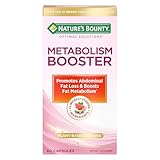
- METABOLISM SUPPORT WITH PLANT-BASED ACTIVES: Nature’s Bounty Optimal Solutions Metabolism Booster is a 100% drug-free supplement designed to promote abdominal fat loss and boost fat metabolism (1)
- BOOST FAT METABOLISM WITH CITRUS EXTRACTS: A clinically studied blend of citrus extracts including Orange and Grapefruit helps to boost fat metabolism and reduce waist circumference (1)
- PLUS BLACK GINGER EXTRACT: Black Ginger is a clinically studied ingredient shown to promote abdominal fat loss (1)
- SAFE FOR DAILY USE: These 100% drug-free capsules are a safe way to help manage your weight along with a healthy diet and exercise program (1)
- FROM THE TRUSTED WELLNESS EXPERTS: Nature’s Bounty Optimal Solutions Metabolism Booster is a product of 50 years of dedication to quality and scientific research to make excellent vitamins and nutritional supplements
For the agency’s announcement and the evidence it cites, see FDA’s Zepbound approval announcement. The current prescribing information is in the 2026 Zepbound label.
The four treatment pathways to compare
Lifestyle treatment
Reduced-calorie eating patterns, physical activity, sleep, behavioral support and follow-up are not an “empty” alternative to medicine. FDA identifies lifestyle measures as a treatment approach and says they continue to matter after another intervention is started. A medication trial that included diet and activity support should therefore be understood as combined care, not as proof that the medicine works independently of those measures.
Lifestyle treatment can be delivered through a clinician, registered dietitian, behavioral program or structured community service. The useful comparison is not whether lifestyle is present, but how intensive and sustainable the support is, what monitoring is available and how the plan responds when weight or health measures change.
Quick wins for a faster PC:
Clear out junk files and repair common Windows errorsFree Scan →Scan for outdated or missing drivers - takes under a minuteDriver Scan →Repair Windows errors before they cause bigger problemsFix Now →Prescription medicines other than GLP-1-based drugs
Non-GLP-1 prescription options include orlistat, phentermine/topiramate and naltrexone/bupropion. They differ in mechanism, route, dosing schedule, contraindications, warnings and adverse effects. A medicine that is unsuitable because of another condition or concurrent medication is not made preferable by being an oral alternative, and a convenient route does not remove the need to review its label.
FDA review materials discuss these medicines alongside newer incretin-based treatments, but they do not provide a single, head-to-head ranking across all of them. Compare the current label for each candidate with a prescriber rather than transferring a warning or expected effect from one product to another. The relevant FDA review is available at FDA’s multidisciplinary review.
Rank #2

- Manufactured in the USA with Globally Sourced Ingredients
- [Unique 11-in-1 Gut Health Formula] This GLP1 Support Supplement combines Akkermansia Probiotics, Berberine, EGCG, and polyphenols in one comprehensive blend, supporting key pathways for digestive balance and everyday gut wellness during your GLP1 journey.
- [Microbiome-Nourishing Blend] Features microbiome-nourishing ingredients like Akkermansia Muciniphila and Chicory Inulin to support a balanced gut environment and digestive comfort as part of your daily routine.
- [GLP-1 Friendly Nutritional Support] Provides GLP1 user nutritional support with gut-nourishing botanicals and probiotics - a GLP-1 friendly option for those building holistic wellness routines for women and men.
- [Botanical Blend with Gymnema & Berberine] Gymnema and Berberine are traditional botanicals often chosen for carb blocker–style support, included to complement your daily gut-support routine and post-meal wellness.
Medical devices
Weight-management devices are a separate clinical pathway. FDA’s device information describes different device types and the regulatory considerations for products with weight-loss indications. A device may be temporary, implanted, placed through a procedure or used in another way, depending on the product. Each has its own authorization, patient-selection criteria, risks, follow-up and evidence.
FDA specifically warns that devices are not substitutes for long-term healthy lifestyle measures. The agency’s March 2026 guidance on premarket considerations explains how manufacturers should support weight-loss indications; it is regulatory guidance, not an endorsement of any particular device. Review the current status of a specific product on FDA’s weight-loss and weight-management device page and its medical-device guidance.
Free tools Windows power users keep installed
One-click scans. No signup required.
Bariatric surgery
Surgery is neither a stronger version of a prescription nor a device with a larger dose. It is a separate clinical pathway involving an operation, anesthesia, recovery, long-term nutritional management and continuing follow-up. FDA medical-review materials discuss bariatric surgery for some people with severe obesity. Whether surgery is considered depends on health status, prior treatment, operative risk, the type of procedure and the capabilities of the treating center.
There is no generic ranking in which surgery, medication or a device always comes first. A surgical evaluation may be appropriate for one person and inappropriate for another, just as a medicine may be unsuitable because of a contraindication. The surgical context in FDA review materials is summarized in the FDA medical review.
Five questions that make comparisons fair
1. What benefit is expected, and how will it be maintained?
Ask what the clinical studies actually measured, for how long, and what support participants received. An average change in a trial is not a prediction for an individual. It is also important to ask what happens after a medicine is stopped, after a device is removed or after the initial postoperative period. Maintenance can involve continued treatment, ongoing lifestyle support, monitoring, nutrition care or another plan; it should be discussed before starting rather than treated as an afterthought.
Rank #3
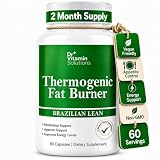
- Maximum Fat Burning Potential - Enhance your body's ability to burn stubborn fat with Dr. Vitamin's Thermogenic Belly Fat Burner for women and men. Our highly effective formula supports fat burning, boosts metabolism, and helps release stored fat for ultimate weight loss results. Used by adults seeking natural weight management.
- Energy Boosting Formula: Say goodbye to sluggish days! With caffeine and green tea extract, our metabolism booster for weight loss, provides a powerful energy boost, helping you stay active and burn extra calories throughout the day. Take daily at home, at the gym, or while on the go before meals to maximize absorption.
- Curb Cravings and Appetite: Struggling with cravings? Our blend of Apple Cider Vinegar, Garcinia Cambogia, and other natural ingredients is an appetite suppressant for weight loss and reduces cravings, making it easier to stick to your fitness diet plans. Ideal when following a weight‑loss diet or pre‑workout regimen for extra support.
- Weight Loss Supplement with Non-GMO Ingredients: We’ve combined Acai Fruit, Green Tea Extracts, Kelp Powder, and more to aid weight loss in conjunction with a healthy diet and exercise. Experience the benefits of nutrient-rich, antioxidant-packed ingredients in every dose. Targets stored belly and waist body fat naturally.
- Effortless Daily Dose: Skip the powders and sugary drinks. Our gluten-free, easy-to-swallow capsule goes down smoothly and fits effortlessly into your daily routine. For best results, use alongside a balanced diet and regular exercise. Can be used as a pre‑meal energy and metabolizing support capsule.
The Zepbound program provides a concrete example of why context matters: its label describes randomized studies with assessments at 72 weeks and concurrent lifestyle intervention. Those results cannot be converted into a league table against a surgery study with a different population, duration, procedure or background care.
2. What are the health effects and safety issues?
Start with the person’s medical conditions, current medicines, pregnancy considerations where relevant, prior treatment reactions and goals beyond the scale. Then review the product-specific contraindications, warnings and common adverse effects. A label is more reliable for this purpose than a general list of “pros and cons” because risk language and approved uses change by product.
Do not copy a warning from one incretin medicine to all others. FDA’s risk review, for example, identifies a boxed warning concerning thyroid C-cell tumors and other potential serious risks for liraglutide. That precise warning list should not be presented as if it applies identically to every medicine. Consult the current label for each named option; the risk-review document is at FDA’s risk assessment.
3. What practical burden can be sustained?
Compare injection or oral administration, dose escalation, daily versus less-frequent schedules, storage, monitoring, clinic visits, behavioral support, procedure preparation and recovery. A treatment that looks attractive on paper may be difficult if the person cannot reliably attend follow-up or manage its administration. Conversely, a higher initial burden may be acceptable when it aligns with the person’s priorities and support system.
4. Who is eligible, and can the treatment actually be accessed?
Eligibility is determined by the approved indication, age, health criteria, contraindications and clinician assessment. Access also depends on local availability, prescriber capacity, supply, insurance rules and out-of-pocket cost. Prices, coverage and availability change; the sources summarized here do not establish a current national price or a guaranteed insurance benefit. Verify those details with the insurer, pharmacy, device provider or surgical center before making plans.
Do these 3 things before closing this tab:
1Clear out junk files and repair common Windows errors2Fix the driver behind crashes, sound loss and screen glitches3Repair Windows errors before they cause bigger problemsRank #4

- METABOLISM GUMMY RINGS WITH APPLE CIDER VINEGAR: These tasty gummy rings are formulated with goodness to promote cellular energy and a happy, healthy metabolism.* A delicious addition to your daily routine.
- THE GOODS INSIDE: A clinically-studied amount of Chromium Picolinate to support lean body mass and help boost metabolism with Vitamin B12 for cellular energy production* and Apple Cider Vinegar with the Mother. With a healthy lifestyle, including exercise.
- DELIGHTFULLY TASTY: Super yummy Snappy Apple flavor with other natural flavors and you get Apple Cider Vinegar without having to drink it. No synthetic colors or flavors, and gluten-free
- HOW TO TAKE: Adults, take 1 gummy per day. Chew thoroughly before swallowing
- MORE OLLY GOODNESS: We’ve got supplements to keep you tip-top from head to toe—browse the benefits from Sleep support to Multivitamins, and find the OLLY routine that fits you and your crew.
5. Which option fits the person’s priorities?
Two people with similar body measurements may reasonably choose different pathways because their priorities differ. Relevant preferences include avoiding injections, avoiding surgery, minimizing daily treatment tasks, protecting mobility, addressing a weight-related condition, preserving time for work or caregiving, and willingness to attend long-term follow-up. Prior treatment experience and quality-of-life goals belong in the discussion alongside clinical measurements.
A step-by-step method for comparing options
- Define the outcome. Record the health and quality-of-life goals that matter: weight reduction, improved mobility, a weight-related condition, fitness, or another measurable target. Include a baseline of relevant medical conditions, medicines and previous attempts.
- Separate approved use from general claims. Ask whether the proposed product, device or procedure has an FDA-approved or otherwise applicable indication for the person’s situation. Read the current label or regulatory information rather than relying on a social-media description.
- Build a complete safety list. Give the clinician every prescription, over-the-counter medicine and supplement, plus prior adverse reactions and relevant diagnoses. Ask which contraindications, warnings, interactions and monitoring requirements apply to each candidate.
- Map the treatment workload. Write down the route, schedule, titration, storage, appointments, laboratory or clinical monitoring, behavioral support, procedure preparation and recovery. Include who will provide follow-up and what happens if a dose is missed or treatment must stop.
- Read the evidence with its conditions attached. Note the study population, comparator, duration, background lifestyle program and endpoint. Keep trial averages separate from an individual forecast, and do not merge percentages from unlike studies into a ranking.
- Discuss maintenance before initiation. Ask whether continued use is expected, how weight and health measures will be monitored, what a transition plan would look like and how lifestyle support will continue.
- Verify logistics. Confirm supply, prescribing requirements, prior authorization, coverage, total out-of-pocket exposure, procedure-center credentials and the schedule of follow-up visits. These details are local and volatile, so obtain them directly before committing.
How the prescription choices differ
| Option or class | What the FDA materials establish | Points to compare with a prescriber | What is not established here |
|---|---|---|---|
| Semaglutide | GLP-1 medicine used in the broader class of chronic weight-management treatments. | Current indication, dose schedule, contraindications, warnings, interactions, monitoring and maintenance plan. | No cross-treatment percentage comparison or current price. |
| Liraglutide | GLP-1 medicine; FDA risk-review materials identify a boxed warning concerning thyroid C-cell tumors and other potential serious risks. | Whether the person has a relevant contraindication or risk factor, plus route, titration, adverse effects and follow-up. | The risk list should not be transferred to other medicines; no head-to-head ranking is established. |
| Tirzepatide (Zepbound) | Acts on GIP and GLP-1 receptors. FDA describes use for eligible adults as an adjunct to reduced-calorie eating and increased physical activity. | Current label, eligibility, dose escalation, adverse effects, interactions, monitoring and continuation plan. | The 72-week trial program is not a direct comparison with surgery, devices or every alternative drug. |
| Orlistat | Non-GLP-1 prescription option listed in FDA review materials. | Mechanism, administration, contraindications, warnings, adverse effects, monitoring and maintenance approach under the current label. | No common trial population or effect estimate that can be fairly ranked against GLP-1 medicines here. |
| Phentermine/topiramate | Non-GLP-1 prescription option listed in FDA review materials. | Eligibility, contraindications, warnings, interactions, dosing, monitoring and what happens if treatment is discontinued. | No cross-study comparative percentage or current access information. |
| Naltrexone/bupropion | Non-GLP-1 prescription option listed in FDA review materials. | Current label, contraindications, warnings, interactions, route, dosing and follow-up. | No direct comparison with the 72-week Zepbound program or with procedures. |
The table is a comparison checklist, not a ranking. The medicines have different labels and risk profiles, and a prescriber must determine whether any particular option is appropriate.
Independent reader supportYour contribution helps us test, update, and keep practical guides available for everyone.How to assess devices and surgery without treating them like drugs
For a device
- Identify the exact device and its current FDA authorization or clearance for weight loss.
- Ask whether it is temporary, implanted or used through a procedure, and what removal or follow-up involves.
- Review the studied population, duration of follow-up, required lifestyle program and known adverse events.
- Clarify who performs the procedure, what happens if the device fails or must be removed, and which costs are covered.
- Confirm that the device is an adjunct to—not a replacement for—long-term healthy lifestyle measures, consistent with FDA’s device guidance.
For surgery
- Request an evaluation that covers health conditions, operative risk, prior treatments, nutritional status and the type of procedure being considered.
- Compare preparation, hospital or facility stay, recovery, dietary progression, medication changes and lifelong nutritional monitoring.
- Ask how the center handles complications, pregnancy planning where relevant, mental-health support and long-term follow-up.
- Review the center’s credentials, total costs, insurance requirements and what care remains available after the operation.
FDA materials support surgery as a pathway for some people with severe obesity, but they do not establish one universal eligibility threshold in this comparison. A surgical team must apply its current criteria to the individual.
Why percentages from different studies should not be ranked
A percentage from one trial can look precise while still being a poor comparator. Study participants may differ in starting weight, medical conditions, age, treatment adherence and prior therapy. One study may include a structured diet and exercise program while another may not. Treatment duration, definitions of success, handling of dropouts and follow-up after treatment can also differ.
For that reason, the 72-week Zepbound assessments should be reported as results from that product’s randomized program with concurrent lifestyle intervention. They should not be presented as a direct contest against bariatric surgery, a device or the other prescription medicines listed above. The available FDA materials do not establish a single cross-treatment head-to-head effect figure.
Best Value
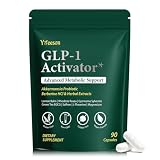
- WEIGHT MANAGEMENT SUPPORT: Healthy weight management takes more than a single ingredient or quick fix. This formula is designed to complement balanced nutrition and active lifestyles, helping adults build consistent daily habits around appetite, metabolism and overall wellness
- APPETITE & EATING HABITS: When cravings or busy schedules make mindful eating difficult, daily support can help you stay focused on your nutrition goals. Designed to complement balanced meals, this formula fits easily into everyday routines without replacing healthy food choices
- DESIGNED FOR YOUR ROUTINE: Ideal for adults dealing with frequent cravings, changing eating habits, occasional bloating, low energy or demanding daily schedules. It also suits those looking to support gut wellness, metabolic balance and healthier everyday routines
- MULTI-ACTION FORMULA: Instead of focusing on one area alone, this comprehensive blend brings together probiotics, botanicals, minerals and nutritional ingredients for broader daily support, covering appetite, gut wellness, carbohydrate metabolism, energy, focus and overall balance
- QUALITY & 45-DAY SUPPLY: Made in a quality-controlled facility following GMP standards, this formula comes in a carefully packaged bottle with 90 capsules, providing a convenient 45-day supply for consistent daily wellness routines
Safety, sourcing and monitoring guardrails
Use an FDA-authorized product prescribed and monitored through appropriate clinical care. Do not substitute an unapproved or unregulated product because it appears cheaper or easier to obtain, and do not assume that a compounded product has the same approval status, quality controls, labeling or evidence as an FDA-approved medicine. This comparison does not establish a safe source for buying prescription drugs through ordinary retail links.
Before treatment, agree on which symptoms require a routine call and which require urgent care, how doses will be adjusted, and who will review new medicines or diagnoses. During treatment, keep appointments and report adverse effects rather than changing the dose independently. For devices and surgery, ask for written instructions covering wound or device care, diet, activity, warning signs and emergency contacts.
Cost, insurance and availability
There is no stable national price that can be attached to every option. Medication cost may vary by product, dose, pharmacy, coverage and prior authorization. Device and surgery costs depend on the procedure, facility, clinician, anesthesia, follow-up and coverage rules. Availability can change with supply and local staffing.
PC Slower Than It Used to Be?
A free scan shows the junk files, broken settings and background clutter dragging Windows down - then fixes them in one click.Free scan · Windows 10 & 11Crashes, No Sound, or Screen Glitches?
Random freezes, missing sound and display glitches usually trace back to one bad driver. Find and replace yours safely.Free scan · under a minuteAsk for a written estimate that separates medication or procedure charges from consultations, laboratory tests, supplies, follow-up, nutrition care and management of complications. Confirm whether coverage requires documentation of prior lifestyle treatment, a specific diagnosis, a referral or participation in a program. Recheck these details immediately before treatment because formularies, policies and local availability can change.
Questions to take to a clinician
- Which FDA-approved options are indicated for my health profile, and which are ruled out by a contraindication or interaction?
- What did the relevant studies measure, for how long and with what lifestyle support?
- What monitoring, dose changes, visits or tests will this option require?
- What side effects or warning symptoms should prompt a call or urgent evaluation?
- How will we judge whether the treatment is helping, and when will we reassess it?
- If it works, what is the maintenance plan? If it must stop, what is the transition plan?
- What are the total expected costs, what does insurance require and who handles prior authorization?
- For a device or surgery, who performs it, what recovery is expected and what long-term follow-up is included?
Bottom line
GLP-1-based medicines belong in a broader chronic weight-management plan that also includes lifestyle treatment, other prescription options, selected devices and bariatric surgery. Tirzepatide’s dual GIP/GLP-1 action distinguishes it from GLP-1-only medicines such as semaglutide and liraglutide, but that distinction does not create a universal winner. Compare the exact product or procedure on evidence, maintenance, safety, workload, eligibility, access and personal priorities, using current FDA labeling and clinician guidance. Keep lifestyle support in the plan, and do not turn results from unrelated studies into a league table.
Quick Recap
Product prices and availability are accurate as of the date/time indicated and are subject to change. Any price and availability information displayed on Amazon at the time of purchase will apply.

