Necesse is the closest mechanical alternative to Core Keeper. It keeps the top-down pixel view, mining, crafting, boss fights and online co-op, then adds settlements. Choose Terraria for a larger 2D sandbox and more outward-facing boss progression, Valheim for 3D wilderness survival and sailing, Don’t Starve Together for relentless hunger and seasonal pressure, or Stardew Valley for a gentler farming-and-social experience with optional combat.
The right substitute depends on which part of Core Keeper your group values most: digging and automation, exploration and loot, base building, difficult survival management, or simply spending relaxed evenings together.
| # | Preview | Product | Price | |
|---|---|---|---|---|
| 1 |

|
ARK: Survival Evolved - Nintendo Switch | $34.90 | Buy on Amazon |
| 2 |

|
The Walking Dead: Streets of Survival Deluxe Edition - Nintendo Switch | $29.99 | Buy on Amazon |
| 3 |
|
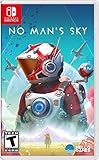
No Man's Sky - Nintendo Switch | $31.85 | Buy on Amazon |
| 4 |

|
ARK: Survival Evolved (Nintendo Switch) | $35.49 | Buy on Amazon |
| 5 |

|
DreadOut 2 - Nintendo Switch | Buy on Amazon |
As an Amazon Associate I earn from qualifying purchases.
Free tools Windows power users keep installed
One-click scans. No signup required.
What Core Keeper does so well
Core Keeper combines several loops that are often separated in other co-op games. You begin underground, mine through a procedurally generated world, gather materials, craft equipment and establish a base. Exploration leads to stronger tools, better weapons and boss encounters; those victories open new areas and progression options. Farming, smelting, storage and automation keep the base useful between expeditions.
Its presentation is deliberately readable: a top-down pixel-art view makes tunnels, rooms, machines and enemy positions easy to understand when several players are sharing the screen. The official Steam listing describes the game with open-world survival, exploration, multiplayer, sandbox, crafting, building, co-op, base building, online co-op, procedural generation, combat and farming tags. Equipment upgrades, automation, smelting and storage are also highlighted there.
#1 Best Overall
- Capture and Tame Dinosaurs: Discover over 100 different dinosaurs and prehistoric creatures on the island, finding ways to tame them into useful additions for your tribe's dyno herd
- Survive Above All: Hunger, thirst, basic safety, and protecting yourself from the weather are all part of the game
- Harvest, Hunt and Build: Cut down trees and turn them into a basic home, which you can quickly expand into a Jurassic estate. Hunt for meat, scavenge for plants (or start your own garden!)
- Customize Everything: An extensive crafting system invites you to mix and match materials scavenged from the island, while also modifying the colors, textures, shapes, and styles
- Explore the Island: Solve the mystery of The ARK as you explore this massive island, discovering Explorer's Notebooks (filled with clues!) throughout
Windows Central described Core Keeper as a “co-op, sandbox, survival, crafting, RPG” and reported an August 27, 2024 release, with versions listed for Xbox One, Xbox Series X|S, Nintendo Switch, PlayStation 4, PlayStation 5, Steam and Xbox PC. That platform information is from dated coverage; editions, cross-play support and update status can change, so check the current store page for the system your group uses.
Quick comparison: which game matches your group?
| Game | Camera and world | Survival pressure | Mining and crafting | Building or automation | Combat and progression | Social or farming focus | Best fit |
|---|---|---|---|---|---|---|---|
| Necesse | Top-down 2D world with a familiar pixel perspective | Comparable survival-crafting pressure, generally easier to read than a 3D game | Mining, crafting and equipment upgrades are central | Base building plus settlements; automation is less central to its identity than in Core Keeper | Boss fights and exploration-driven upgrades | Settlers add a community-management layer | The closest overall mechanical match |
| Terraria | Side-view 2D sandbox with a much broader world to explore | More focused on preparation and adventure than recurring survival meters | Large item, crafting and discovery loop | Highly flexible construction; automation is not the primary hook | Strong boss and gear progression with an action-platform feel | Co-op adventure takes priority over farming or relationships | Players who want deeper 2D exploration and discovery |
| Valheim | Third-person 3D wilderness with multiple biomes and open travel | Heavier logistics, resource hauling and preparation | Crafting and equipment progression are tied to exploration and biome access | Settlement construction is a major activity; automation is limited compared with a factory-focused game | Combat, bosses, sailing and biome progression | Group settlements and expeditions rather than relationship simulation | Groups ready for a more demanding 3D survival game |
| Don’t Starve Together | Stylized 2D world with a hostile, changing environment | Highest pressure in this list: hunger, sanity, seasons and recurring threats | Crafting is essential for survival, but mining is not the sole organizing loop | Camp planning matters; long-term automation is less prominent | Risk management and preparation matter more than conventional boss ladders | Team roles and shared planning are essential | Players who enjoy danger, scarcity and consequences |
| Stardew Valley | Top-down 2D town, farm and dungeon areas | Low; daily routines and farm planning replace constant survival pressure | Crafting and resource gathering support farming and upgrades | Farm layout and production chains matter more than defensive base building | Combat and dungeon exploration are secondary activities | Farming, relationships, festivals and routine co-op play | A cozy alternative with optional action |
Current player limits, cross-play rules, prices and edition differences are not established consistently across these games. Verify the store listing for each platform before buying for a group. There is also no authoritative, same-date cross-game sales or player-count dataset here, so a review percentage or popularity claim for one title should not be treated as a ranking against the others.
Necesse: the closest Core Keeper substitute
Why the loop feels familiar
Necesse is the first game to try if your group wants to preserve Core Keeper’s basic rhythm. You view the world from above, gather materials, expand a base, explore dangerous areas and return with resources for better equipment. Mining and crafting are not side activities; they are the route to new tools, stronger combat options and access to more of the map.
Gamelikey identifies Necesse as the closest Core Keeper analogue because it combines a top-down pixel view, mining, crafting, boss fights and online co-op. The major addition is a settlement system: your base is not only a workshop and storage room but also a place where a growing community can develop.
What changes from Core Keeper
Necesse’s settlement layer gives the group more reasons to think about layout, residents and ongoing development. That can make a shared world feel busier than a purely personal base, but it also introduces responsibilities beyond digging tunnels and placing machines. If your friends prefer uninterrupted expeditions, agree on who will handle settlement tasks before starting.
GamesRadar reported that Necesse had reached version 1.0 after nearly 16,000 Steam reviews with a 93% positive rating at the time of its report. That is a dated snapshot from one publication, not a permanent score or a directly comparable measure of quality across games.
Recommended Free Tools
Choose Necesse when
- Your group wants a top-down perspective rather than a 3D camera or side view.
- Mining, crafting, bosses and online co-op should remain the center of the experience.
- You like the idea of settlements adding a management layer to the home base.
- You want the least disruptive transition from Core Keeper’s controls and visual language.
Terraria: a bigger 2D sandbox and stronger discovery focus
Why it appeals to Core Keeper players
Terraria shares Core Keeper’s sandbox-and-crafting DNA but points the adventure outward. The world encourages long-distance exploration, vertical movement, underground searching and item discovery. Building is highly flexible, and the volume of equipment and environmental secrets gives a group a constant reason to investigate another area.
Rank #2
- Hard-Hitting Arcade Beat ’Em Up Combat - Use brutal melee abilities, crowd-clearing ranged attacks, or a mix of the two in fast-paced skirmishes. Enjoy responsive, crisp, and satisfying fighting gameplay while exploring the apocalypse.
- Face Iconic Bosses - Take on powerful, fan-favorite walkers like Winslow, the Well Walker, and more. The Saviors provide their own challenges as you throw down with Negan and Simon in intense, multi-phase boss battles that test your skill, strategy, and survival instincts.
- Replayable Arcade Challenge - Master each character’s move set and tackle multiple difficulty levels in an experience built for repeat runs and escalating challenges. Or jump in with an optional Easy Mode for casual play.
The perspective is side-on rather than top-down. That changes how you judge distance, construct rooms and fight enemies, so Terraria is not a one-for-one control replacement. Its action-platform feel also makes movement and combat more prominent than they are in a typical mining session.
Progression and group roles
Terraria’s progression is driven by finding materials and equipment, preparing for major encounters and defeating bosses that unlock new stages of play. One player can concentrate on construction while others explore, but the group will still need to share information about discoveries and coordinate preparation for difficult fights.
Choose Terraria if your favorite Core Keeper moments involve opening a new region, finding an unexpected item, redesigning a large base or preparing for the next boss. Choose something else if the top-down viewpoint and compact underground layout are non-negotiable.
Do these 3 things before closing this tab:
1Clear out junk files and repair common Windows errors2Fix the driver behind crashes, sound loss and screen glitches3Repair Windows errors before they cause bigger problemsValheim: move from underground rooms to a 3D wilderness
The fundamental shift
Valheim is the choice for a group that wants the biggest change in setting and camera. Instead of a contained underground network, you travel through a broad 3D wilderness with distinct environments, overland routes and sailing. The base becomes a visible settlement in the landscape rather than a set of connected rooms below ground.
That scale brings heavier logistics. Groups must plan expeditions, transport materials, establish outposts and prepare equipment for the next environment. Returning home with a full haul is part of the adventure, not merely an interruption between crafting menus.
Building, sailing and bosses
Construction is one of Valheim’s defining activities. A functional shelter can grow into a large communal hall, workshop area or defensive settlement. Sailing expands the map and changes how resources and people move between regions. Boss encounters provide milestones, but reaching them safely requires scouting and preparation.
Valheim suits friends who enjoy assigning practical jobs: one person gathers, another cooks or crafts, and another plans the next expedition. It is a poor match for a group seeking Core Keeper’s relaxed, easily readable top-down automation loop.
The Tool Desk
Outbyte PC Repair FREEClear out junk files and repair common Windows errorsFree Scan →Outbyte Driver Updater FREEFix the driver behind crashes, sound loss and screen glitchesFind Drivers →Rank #3
- Embark on an epic voyage, find your own destiny in this epic space adventure
- Includes 6 years of updates
- An entire universe to explore on the go in the palm of your hands
- For the first time ever, PlayStation 5 physical edition as well as Nintendo Switch (physical & digital)
Don’t Starve Together: survival pressure comes first
A harsher cooperative contract
Don’t Starve Together asks players to manage hunger, sanity, seasons and immediate environmental threats. The world is not simply a place to harvest at your convenience; it repeatedly tests whether the team prepared for what is coming. A successful camp depends on timing, resource knowledge and clear communication.
Its stylized 2D presentation is approachable, but the underlying decisions are less forgiving than in a relaxed base-building session. A mistake can cost supplies, leave a player exposed or force the group to rebuild momentum.
How it differs from Core Keeper
Mining and permanent infrastructure do not organize the experience in the same way. Crafting is a means of staying alive, and camp improvements support the next season or expedition. Automation and long-term production chains are less central than managing recurring threats.
Pick Don’t Starve Together when your group enjoys discussing who will collect food, when to relocate, how to survive winter or which risks are acceptable. Avoid it if your ideal evening is decorative building, relaxed farming and uninterrupted exploration.
Crashes, No Sound, or Screen Glitches?
Random freezes, missing sound and display glitches usually trace back to one bad driver. Find and replace yours safely.Free scan · under a minutePC Slower Than It Used to Be?
A free scan shows the junk files, broken settings and background clutter dragging Windows down - then fixes them in one click.Free scan · Windows 10 & 11Stardew Valley: the cozy end of the spectrum
Farming and routine replace constant danger
Stardew Valley is the least direct survival substitute, but it can satisfy the social reason people play Core Keeper together. The farm provides a shared project, daily tasks create a comfortable rhythm, and relationships, events and town activities give players goals outside resource gathering.
Crafting and gathering still matter. Crops, materials and production choices gradually improve the farm, while nearby caves and dungeons provide optional combat and exploration. Those action sections are secondary to the calendar and the farm’s development.
When the softer pace is an advantage
Stardew Valley works well for groups with mixed skill levels or players who do not want every session to demand combat readiness. One person can focus on crops, another can fish or explore, and everyone can contribute to farm improvements without maintaining a heavily defended survival base.
What’s actually slowing this PC down?
Pick the symptom - the matching free tool is one click away.
Rank #4
- Capture and Tame Dinosaurs: Discover over 100 different dinosaurs and prehistoric creatures on the island, finding ways to tame them into useful additions for your tribe's dino herd
- Survive Above All: Hunger, thirst, basic safety and protecting yourself from the weather are all part of the game. Run too far and not only will you be exhausted, but you will also quickly get hungry and thirsty. Weather effects are based on real-world climates, and so you'll need to hide out from rain and snow, while making the most of sunny days
- Harvest, Hunt and Build: Cut down trees and turn them into a basic home, which you can quickly expand into a Jurassic estate. Hunt for meat, scavenge for plants (or start your own garden!)
- Gather Resources, Customize Everything: An extensive crafting system invites you to mix and match materials scavenged from the island, while also modifying the colors, textures, shapes and style of everything from the walls of your home, to your character's armor, weapons and more
- Explore the Island: Solve the mystery of The ARK as you explore this massive island, discovering Explorer's Notebooks (filled with clues!) throughout. Make your way to the final boss and figure out why you've been dropped into this Jurassic-era experience
Choose it when “co-op survival” really means sharing a long-running project and relaxing together. It will disappoint players who mainly want procedural mining, boss progression and automation-heavy underground construction.
Independent reader supportYour contribution helps us test, update, and keep practical guides available for everyone.Match the alternative to the feature you value most
If mining and top-down readability are essential
Start with Necesse. It preserves the closest camera and activity mix while adding settlements. Terraria is the next option if you can accept a side view and want a much larger emphasis on exploration and item discovery.
If boss progression and discovery drive your sessions
Terraria places exploration, equipment finds and boss preparation at the center. Necesse offers a more familiar top-down route to those goals. Valheim is the better choice if you want each boss milestone to require a substantial 3D expedition and logistical plan.
If building the home base is the main event
Valheim gives construction a prominent physical presence in a 3D landscape. Terraria offers extremely flexible 2D building. Necesse combines base construction with settlements, while Core Keeper remains the stronger reference point for compact underground bases, storage and automation.
If survival difficulty should create tension
Don’t Starve Together applies the most persistent pressure through hunger, sanity, seasons and environmental threats. Valheim also demands preparation, but its challenge is tied more closely to travel, equipment and biome logistics.
If the group wants farming and conversation
Stardew Valley is the clear choice. Its progression is organized around farm development, routines and relationships, with combat available when players want a change of pace.
A practical way to choose before starting a world
- Write down the non-negotiables. Decide whether the group requires a top-down camera, mining, boss fights, farming, automation, a persistent base or a low-pressure pace. Keep the list short; demanding every feature at the same intensity makes comparisons misleading.
- Choose the acceptable camera change. Necesse stays top-down, Stardew Valley also uses a top-down view, Terraria moves to a side view, and Valheim uses a 3D third-person perspective. Camera preference affects building, navigation and combat more than a store tag suggests.
- Agree on the survival threshold. If hunger, sanity and seasons sound exciting, try Don’t Starve Together. If those systems sound like chores, consider Terraria, Necesse or Stardew Valley instead.
- Decide how the group will divide time. Valheim rewards expedition planning and hauling; Stardew Valley supports parallel daily tasks; Necesse and Terraria mix base work with exploration; Don’t Starve Together needs frequent coordination because mistakes affect everyone.
- Verify the exact edition and platform combination. Check the current listing for supported systems, online requirements, player limits, cross-play and update status. Do this immediately before purchase because catalogs and multiplayer policies change.
- Set a shared progression rule. Before the first session, decide whether one player may advance bosses alone, whether rare discoveries are shared, and who can redesign the base. A simple agreement prevents the common problem of one person racing ahead while others are still gathering.
Co-op pitfalls and how to avoid them
Different definitions of “survival”
Players often use the same phrase for very different experiences. In Core Keeper, survival can mean preparing equipment, food and a safe base while exploring. In Don’t Starve Together, it includes recurring meters and seasonal deadlines. In Stardew Valley, the term is practically a genre label rather than a constant threat. Explain the pressure level before choosing a game.
Best Value
- Banish Them All - Hunt and defeat intangible ghosts with Linda’s smartphone camera, or use melee weapons and projectiles against physical ghosts.
- A World of Dread - Explore Linda’s hometown and beyond, talk to residents (alive and dead!), complete side-quests, and delve deeper into DreadOut lore.
- Discover Ghosts and Urban Legends - Search out spirits and uncover local myths to complete the Ghostpedia app on Linda’s smartphone.
- Terrifying Boss Spirits - Keep your nerve as you battle the supernatural realm’s most hostile ghosts, including the chilling Kuntilanak, and horrifying Gore Surgeon.
- In-Game Text - English, Hungarian, Indonesian, Japanese, Russian, Simplified Chinese, Spanish, and Traditional Chinese.
Base ownership and uneven workloads
Shared worlds can become frustrating when one player controls construction or another is always assigned repetitive gathering. Rotate responsibilities, create clearly labeled storage areas and agree on a small expansion plan before someone remodels the entire home area.
Progression that gets out of sync
Bosses, new biomes and equipment tiers can make a returning player feel lost if the host advances without them. Keep a short session log: the last major encounter completed, the next planned objective and any resources reserved for a specific player.
Assuming cross-play or identical editions
A game appearing on several platforms does not guarantee that every edition can join every other edition. The dated Core Keeper platform list demonstrates why this needs checking, and the same caution applies to every alternative. Confirm the exact platform pair and current multiplayer support on the relevant store pages.
How to keep the comparison current
Prices, platform catalogs, review totals, editions, cross-play support and update schedules change. Steam is the authoritative source for the PC listing, while console storefronts provide the current information for their own editions. Recheck each listing immediately before publication or purchase rather than relying on an old article or a remembered feature list.
Review percentages also need context. The 93% positive figure reported for Necesse came with a review count of nearly 16,000 and a specific publication date. Without the same date, platform and measurement method for every title, those numbers cannot establish an objective ranking.
Quick wins for a faster PC:
Scan for outdated or missing drivers - takes under a minuteDriver Scan →Clear out junk files and repair common Windows errorsFree Scan →Fix the driver behind crashes, sound loss and screen glitchesFind Drivers →Which game should your group play?
Pick Necesse when you want Core Keeper’s closest combination of top-down exploration, mining, crafting, bosses and online co-op, with settlements as an extra layer. Pick Terraria when discovery, building variety and 2D boss progression matter more than matching the camera. Pick Valheim when your group wants a serious 3D wilderness, sailing and settlement logistics. Pick Don’t Starve Together when recurring survival threats are the fun. Pick Stardew Valley when the real goal is a shared farm, routine and social play with combat kept optional.
Quick Recap
Product prices and availability are accurate as of the date/time indicated and are subject to change. Any price and availability information displayed on Amazon at the time of purchase will apply.

