Outdated Drivers Are Slowing You Down
One free scan finds every outdated or missing driver and matches the right update for your exact hardware.Free scan · exact hardware matchPC Slower Than It Used to Be?
A free scan shows the junk files, broken settings and background clutter dragging Windows down - then fixes them in one click.Free scan · Windows 10 & 11For most adults, start by gradually adding fiber-rich foods and drinking an appropriate amount of fluid. Foods provide fiber from whole grains, beans, fruit, vegetables, and nuts, while a supplement offers a measured, convenient option when meals alone are impractical or insufficient. Official guidance does not establish that supplements are universally more effective than food, so the better choice depends on tolerance, diet, convenience, health conditions, and the reason for your constipation.
What constipation means before you choose a fiber source
Constipation is not defined only by how often you use the bathroom. Symptoms can include fewer than three bowel movements in a week, hard, dry, or lumpy stool, painful or difficult passage, or a feeling that some stool remains. Normal bowel patterns vary, so a change from your usual pattern matters even if you do not match every symptom.
As an Amazon Associate I earn from qualifying purchases.
Constipation is common. A National Institute of Diabetes and Digestive and Kidney Diseases (NIDDK) page reviewed in May 2018 cites an estimate that about 16 in 100 adults in the United States have constipation symptoms. The same page cites an estimate of about 33 in 100 adults age 60 and older. Those figures describe symptoms, not a guarantee that fiber is the right treatment for every person.
Constipation can also result from medicines, supplements, dehydration, reduced activity, or another medical problem. Fiber may help when inadequate fiber intake contributes to the problem, but it should not be used to mask a condition that needs evaluation.
#1 Best Overall

- INTESTINAL HEALTH*/HELPS MAINTAIN REGULARITY*: Psyllium has the ability to swell up to 50 times its initial volume when added to liquid. This bulking action can play an important role in maintaining regularity and gastrointestinal health*
- NATURAL SOLUBLE FIBER: Surveys have shown that the fiber content of the American diet is typically about half of government recommended levels. NOW Psyllium Husk capsules can be a convenient way to increase the intake of dietary fiber*
- CERTIFICATIONS/CLASSIFICATIONS: Non-GMO Project Verified, Kosher, Vegan/Vegetarian, Soy Free, Made without Gluten, Corn Free, Keto Friendly
- GMP Quality Assured: NPA A-rated GMP certification means that every aspect of the NOW manufacturing process has been examined, including our laboratory/testing methods (for stability, potency, and product formulation)
- Founded in 1968 by Elwood Richard, NOW is one of the largest independent, family- and employee-owned manufacturers of natural products
How much fiber adults are advised to get
Targets differ by guideline and population. NIDDK says adults generally need 22–34 grams of fiber per day, depending on age and sex. That range appears on a U.S. guidance page reviewed in May 2018 and cites the Dietary Guidelines for Americans 2015–2020. The U.K. National Health Service (NHS) gives a general target of 30 grams per day on its digestion guidance page. These figures are useful reference points, not interchangeable prescriptions for every adult.
| Guidance | Daily figure | How to interpret it |
|---|---|---|
| NIDDK (United States) | 22–34 g for adults | Varies by age and sex; page reviewed May 2018. |
| NHS (United Kingdom) | 30 g general target | General digestion advice; the retrieved page did not state a publication or review date. |
If you currently eat little fiber, trying to reach a target overnight can cause gas, bloating, cramping, or a temporary change in stool. A gradual increase gives your digestive system time to adjust. The goal is a sustainable intake, not the fastest possible jump to a number.
Food versus supplements: what actually differs
Both approaches can raise fiber intake, but they solve different practical problems. Food changes the composition of meals; a supplement concentrates one or a few fiber ingredients into a measured serving.
Rank #2
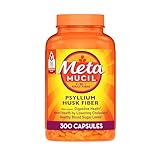
- FEEL WHAT LIGHTER FEELS LIKE by helping promote regularity when you make Metamucil fiber capsules a part of your daily routine.*
- ONLY TWO INGREDIENTS. Metamucil Daily Fiber Capsules are made with only two ingredients, including psyllium husk fiber.
- HELPS SUPPORT HEALTHY BLOOD SUGAR LEVELS. Taking Metamucil fiber capsules with each meal helps maintain healthy blood sugar levels*
- HELPS PROMOTE HEART HEALTH BY LOWERING CHOLESTEROL. Taking Metamucil fiber capsules helps lower your cholesterol
- CONVENIENT PSYLLIUM FIBER CAPSULES. Metamucil’s psyllium husk fiber capsules are easy to take on the go.
| Decision factor | Fiber-rich foods | Fiber supplement |
|---|---|---|
| Convenience | Requires shopping, preparation, and a place in meals, but can be built into ordinary breakfasts, lunches, and dinners. | Provides a measured option when cooking, appetite, access to varied foods, or a busy schedule makes food changes difficult. |
| Dietary variety | Can supply fiber from whole grains, legumes, fruit, vegetables, and nuts, along with the other nutrients those foods contain. | Usually focuses on a specific fiber ingredient rather than broad food variety. |
| Adjustability | Portions and food choices can be changed meal by meal. | Serving size can be measured, but the product label determines the amount and preparation. |
| Tolerance | Different foods have different textures and fiber types, so you can substitute if one causes discomfort. | A single ingredient may be easy for one person and uncomfortable for another; increasing too quickly can worsen gas or bloating. |
| Fluid requirement | Many high-fiber foods also contain water, but fluids are still important. | Liquids are important for fiber to work properly; follow the product directions and your clinician’s advice. |
| Evidence of superiority | Official guidance recommends fiber-rich foods but does not say they are universally superior. | NIDDK lists supplements as over-the-counter options, not as necessary or better for everyone. |
The practical conclusion is conditional: choose food first when you can comfortably change meals, and consider a supplement when a measured addition is more realistic. You can also use both, provided the total increase is gradual and appropriate for your health.
What to eat when you want a food-first approach
NIDDK examples span several food groups. Choosing from more than one group helps you raise fiber without relying on a single food.
| Food group | Examples | Easy ways to use them |
|---|---|---|
| Whole grains | Whole-wheat bread and pasta, oatmeal, bran-flake cereals | Use oatmeal or a bran cereal at breakfast; replace some refined-grain servings with whole-wheat bread or pasta. |
| Legumes | Lentils, black beans, kidney beans, soybeans, chickpeas | Add beans to soup, salad, chili, or a grain bowl; use lentils in a main dish. |
| Fruit | Berries, apples with skin, oranges, pears | Keep fruit available for snacks and include the edible skin when it is normally eaten and tolerated. |
| Vegetables | Carrots, broccoli, green peas, collard greens | Add a vegetable side to lunch or dinner and mix vegetables into soups, pasta, or stir-fries. |
| Nuts | Almonds, peanuts, pecans | Use a small portion with breakfast or as a snack, taking account of allergies and portion needs. |
For people whose bowel symptoms fit irritable bowel syndrome (IBS), NHS guidance also identifies oats, pulses, carrots, peeled potatoes, and linseeds as soluble-fiber foods. IBS-related food choices can require a more individualized plan than ordinary constipation, especially when pain, diarrhea, or marked bloating occurs.
Rank #3

- PSYLLIUM HUSK FIBER: Each 2-capsule serving provides 1,450 mg of psyllium husk, a source of dietary fiber, in a convenient capsule format
- REGULARITY & DIGESTIVE SUPPORT: Psyllium husk absorbs water and forms a gel to help support regularity, intestinal health, and digestive health when taken with adequate water
- A STRAIGHTFORWARD FIBER SUPPLEMENT: Pre-measured psyllium fiber capsules offer a simple way to add dietary fiber without preparing another drink mix
- NO POWDER MIXING: A convenient alternative to psyllium husk powder—no scooping, stirring, or measuring; take the capsules with a full glass of water
- 240 CAPSULES, 120 SERVINGS: For occasional use only. Take 1–2 capsules twice daily with at least 8 oz of water, or as directed by a healthcare professional
Step-by-step: increasing fiber from food
- Record your starting point. For several days, note the main fiber foods you already eat, stool consistency, bowel frequency, and symptoms such as bloating or pain. This gives you a baseline instead of guessing whether a change helped.
- Add one modest change. Choose a realistic item, such as oatmeal at breakfast, a piece of fruit, a vegetable serving, or beans in a meal. Increase a little at a time rather than changing every meal on the same day.
- Keep the new food in your routine. If your body tolerates it, make the change consistent before adding another. Consistency makes it easier to identify which food helps or causes discomfort.
- Use several food groups over time. Rotate whole grains, legumes, fruit, vegetables, and nuts so your intake is not dependent on one ingredient or texture.
- Drink an appropriate amount of liquid. NIDDK advises drinking plenty of liquids to help fiber work better. The right amount depends on health, activity, climate, and other circumstances; anyone with a fluid restriction should ask a healthcare professional before increasing intake.
- Review the result. Look for easier passage and a stool pattern closer to your normal. If symptoms persist despite self-care, move to professional advice rather than continuously adding more fiber.
When a fiber supplement may be practical
A supplement can be useful when food alone is hard to manage: for example, when appetite is poor, meal preparation is limited, or you need a measured addition while you work on your diet. NIDDK lists fiber supplements such as Citrucel, FiberCon, and Metamucil among possible over-the-counter constipation treatments. Their inclusion means they are options, not that everyone needs them or that they outperform food.
Do these 3 things before closing this tab:
1Repair Windows errors before they cause bigger problems2Scan for outdated or missing drivers - takes under a minute3Clear out junk files and repair common Windows errorsPsyllium-husk products are another supplement category consumers may encounter. Product formulations, serving sizes, sweeteners, and added ingredients differ, so the label matters more than the category name.
How to introduce one
- Check the active fiber and serving directions. Identify how much fiber a serving supplies, what type it is, and how much liquid the label requires. Do not assume two products with similar names have identical amounts.
- Start conservatively. Use the package directions and increase only as tolerated. The official advice to increase fiber gradually applies to supplements as well as food.
- Prepare it exactly as directed. Mix with the required liquid and drink it promptly if the label says to do so. Taking dry fiber or using too little liquid can make the product harder to tolerate.
- Consider other medicines and supplements. Ask a pharmacist or clinician how to fit the product around your medicines, particularly if you take several products or have a condition affecting swallowing, digestion, or fluid balance.
- Evaluate rather than escalating automatically. If constipation, pain, bloating, or another symptom worsens, stop increasing the amount and seek advice. More fiber is not always the answer.
Soluble and insoluble fiber: an important distinction, not a universal winner
Soluble fiber absorbs water and forms a softer, gel-like material as it moves through the digestive tract. Examples include beans, fruit, and oats. Insoluble fiber adds bulk and is found in foods such as whole grains and many vegetables. Most high-fiber diets contain both.
Rank #4

- INTESTINAL HEALTH*/HELPS MAINTAIN REGULARITY*: Psyllium has the ability to swell up to 50 times its initial volume when added to liquid. This bulking action can play an important role in maintaining regularity and gastrointestinal health*
- NATURAL SOLUBLE FIBER: Surveys have shown that the fiber content of the American diet is typically about half of government recommended levels. NOW Psyllium Husk capsules can be a convenient way to increase the intake of dietary fiber*
- CERTIFICATIONS/CLASSIFICATIONS: Non-GMO Project Verified, Kosher, Vegan/Vegetarian, Soy Free, Made without Gluten, Corn Free, Keto Friendly
- GMP Quality Assured: NPA A-rated GMP certification means that every aspect of the NOW manufacturing process has been examined, including our laboratory/testing methods (for stability, potency, and product formulation)
- Founded in 1968 by Elwood Richard, NOW is one of the largest independent, family- and employee-owned manufacturers of natural products
NIDDK’s IBS guidance says research suggests soluble fiber may be more helpful for IBS symptoms than insoluble fiber. That statement applies to IBS symptoms; it is not proof that a soluble supplement beats soluble foods, or that one fiber type is best for constipation in every person. If your constipation occurs with recurrent abdominal pain, diarrhea, or alternating bowel habits, discuss the pattern with a clinician before making large changes.
Fluids, tolerance, and common mistakes
- Adding too much too fast: A sudden increase can produce gas, bloating, cramping, or a sense that constipation is worse. Slow down and allow your body time to adapt.
- Ignoring liquids: Fiber needs adequate fluid to work effectively. Do not force a fixed amount if a clinician has given you a fluid limit.
- Relying on one food: Eating very large portions of a single high-fiber item can be less comfortable than spreading sources across meals.
- Assuming “natural” means risk-free: Foods and supplements can interact with individual conditions, swallowing ability, allergies, and medicines.
- Using fiber to compensate for a medicine side effect without review: Iron, some antacids, and some prescription medicines can worsen constipation. The answer may require a medication review, not simply more fiber.
- Stopping prescribed treatment independently: Do not stop or change a prescribed or over-the-counter medicine or supplement without professional advice.
Medicines and health conditions that change the decision
Tell a healthcare professional about all medicines and supplements when constipation begins or changes. NIDDK identifies iron and some antacids or prescription medicines as possible contributors. A clinician may determine whether the product is necessary, whether a dose or alternative should be considered, and whether fiber is suitable.
Fluid advice also has to be individualized. People with conditions that limit fluids, or those who have been given a specific hydration plan, should follow that plan rather than applying a generic “drink more” rule. The same caution applies if swallowing is difficult or if a clinician has previously warned against bulking agents.
Best Value

- EXCELLENT SOURCE OF FIBER: Soluble fiber from foods such as psyllium seed husks, as part of a diet low in saturated fat and cholesterol, may reduce the risk of heart disease.
- DIRECTIONS: Vigorously mix 1 level tablespoon daily into at least 12 oz. of water or juice and consume immediately
- 6 GRAMS OF SOLUBLE FIBER: A serving of psyllium husk powder supplies 6 grams of the 7 grams soluble fiber necessary per day.
- GMP Quality Assured: NPA A-rated GMP certification means that every aspect of the NOW manufacturing process has been examined, including our laboratory/testing methods (for stability, potency, and product formulation).
- Packaged in the USA by a family owned and operated company since 1968.
When to stop self-care and seek medical advice
NIDDK advises contacting a healthcare professional if constipation does not go away with self-care or if there is a family history of colon or rectal cancer. Seek advice sooner when constipation is a new, persistent, or unexplained change, particularly if you are taking a medicine known to contribute to it.
Bring a short record of bowel frequency, stool form, foods, fluids, supplements, and medicines. That information helps distinguish inadequate fiber from a medication effect or another cause. Do not keep increasing a supplement indefinitely while waiting for an unresolved problem to disappear.
A simple decision framework
| Your situation | Reasonable first move | What to watch |
|---|---|---|
| You eat few high-fiber foods and have no known fluid restriction. | Add varied foods gradually and drink an appropriate amount of liquid. | Gas, bloating, stool comfort, and whether bowel movements become easier. |
| Your meals are inconsistent or increasing food is impractical. | Consider a labeled fiber supplement while building a more varied diet when possible. | Ingredient tolerance, required liquid, other medicines, and symptom response. |
| You have IBS-type symptoms. | Discuss the pattern with a clinician; soluble-fiber foods may be more helpful for some IBS symptoms. | Pain, diarrhea, alternating bowel habits, and foods that reliably trigger symptoms. |
| You take iron, certain antacids, or prescription medicines. | Ask a clinician or pharmacist to review the medicine before changing fiber or stopping anything. | Whether constipation began after a new medicine or dose change. |
| Self-care has not resolved the problem or there is a family history of colon or rectal cancer. | Arrange medical evaluation instead of relying on additional fiber. | Persistence and any change from your normal bowel pattern. |
Example of a varied, food-based day
This is an illustration of how fiber sources can be distributed, not a prescribed menu or a guarantee of a particular gram total.
Free tools Windows power users keep installed
One-click scans. No signup required.
- Breakfast: Oatmeal topped with berries, or a bran-flake cereal with fruit.
- Lunch: Whole-wheat bread or pasta with chickpeas, lentils, or another bean, plus vegetables.
- Snack: An apple with its skin when tolerated, a pear, or a small portion of almonds, peanuts, or pecans.
- Dinner: A vegetable-based meal containing broccoli, carrots, peas, or greens, with a whole-grain side.
Introduce only the changes you can tolerate and maintain. If a particular food causes symptoms, substitute another food group rather than abandoning the overall approach.
Bottom line
There is no universal winner between fiber supplements and fiber-rich foods for constipation. Food is the best starting point for many adults because it adds variety across grains, legumes, fruit, vegetables, and nuts. A supplement is a reasonable convenience when food alone is insufficient or difficult to manage. In either case, increase fiber gradually, use an appropriate amount of fluid, account for medicines and health conditions, and seek professional advice when constipation persists.
Quick Recap
Product prices and availability are accurate as of the date/time indicated and are subject to change. Any price and availability information displayed on Amazon at the time of purchase will apply.

