El Niño usually lasts less than a year, and its weather effects are shifts in seasonal odds—not guarantees for every city. It is a coupled ocean-atmosphere pattern in the tropical Pacific: unusually warm central and eastern equatorial Pacific waters occur alongside weaker trade winds and an eastward shift in tropical rainfall.
NOAA’s latest diagnostic, issued 8 October 2026, said El Niño was strengthening and gave a greater-than-83% chance that a strong-to-very-strong event would continue through January–March 2027. That assessment is tied to its issue date because NOAA updates ENSO diagnostics as new observations arrive.
As an Amazon Associate I earn from qualifying purchases.
How long does El Niño last?
According to the NOAA Climate Prediction Center’s ENSO FAQ, a typical El Niño episode lasts 9–12 months. The interval is measured from the development of the coupled ocean-and-atmosphere pattern through its weakening, not simply from the first month when Pacific water temperatures rise.
Free tools Windows power users keep installed
One-click scans. No signup required.
The usual seasonal sequence
NOAA describes a broad calendar rhythm:
- Development: March–June. Ocean temperatures and atmospheric circulation begin organizing into an El Niño pattern.
- Peak intensity: December–April. The event often reaches its strongest influence during the Northern Hemisphere winter and early spring.
- Weakening: May–July. The warm anomaly and atmospheric response commonly fade, although the exact timing varies.
These are typical phases, not fixed deadlines. An episode can strengthen earlier or later, and the atmosphere may not respond in a perfectly synchronized way.
#1 Best Overall

- NOAA Weather Scan & Alert - This emergency weather alert radio features S.A.M.E localized programming and alert you to over 60 kinds of weather hazards and emergencies. NOAA Weather Scan will automatically alert you of events.
- S.A.M.E Localized Programming - The Specific Area Message Encoding (S.A.M.E.) allows the user to enter a code that is specific to your country, state, county and in some cases partial county.
- Notification Settings - Program your radio to receive weather alerts from up to 25 different counties and be alerted only when those specific counties are threatened. Color-coded alert indicators show the alert type and its severity.
- Additional Features - SAME localized programming, continuous backlighting option which keeps the LCD on, 25 programmable counties, color-coded alert indicators, alert override automatically switches to warn of impending danger.
- Experience a comprehensive range of radios from Midland, designed to keep you connected and informed. Our radios offer an array of features, including reliable real-time weather alerts, and robust two-way communication capabilities.
Can an episode last longer?
Yes. NOAA notes that some prolonged El Niño episodes have persisted for two years, and rare events have lasted three to four years. A long event is not necessarily equally strong throughout; it may wax and wane while remaining part of the same broader climate episode.
What is El Niño, exactly?
El Niño is one phase of the El Niño–Southern Oscillation (ENSO), a recurring pattern linking the tropical Pacific Ocean and atmosphere. It is not just a patch of warm water. NOAA’s Understanding El Niño & ENSO explainer describes three connected features:
- Persistent ocean warming: Central and eastern tropical Pacific waters become warmer than average.
- Weaker trade winds: The usual east-to-west tropical Pacific winds weaken, changing how warm surface water and cooler deep water are distributed.
- Eastward-shifting rainfall: Tropical thunderstorms and heavy rain move eastward toward the central and eastern Pacific instead of remaining concentrated farther west.
Those changes alter the position and strength of the Pacific jet stream and storm tracks. The resulting “teleconnections” can influence weather far from the tropical Pacific, including North America, Australia and parts of South America.
What is the latest El Niño status?
In its ENSO Diagnostic Discussion issued 8 October 2026, NOAA’s Climate Prediction Center, NCEP and National Weather Service reported that El Niño was continuing to strengthen. The discussion said a strong-to-very-strong El Niño was likely through January–March 2027, with the probability remaining greater than 83%.
Rank #2

- NOAA Weather Scan + Alert: NOAA Weather Scan will automatically scan through 10 available weather (WX) band channels and locks onto the strongest weather channel to alert you of severe weather updates. NOAA Weather Alert will sound an alarm indicating that there is a risk of severe weather in your area. NOAA Weather Radio will also be used to broadcast AMBER alerts for missing children.
- S.A.M.E Programming: Improve your emergency preparedness with equipped with digital S.A.M.E. technology, weather radio seamlessly connects to your county's warning system, providing you with instant weather updates from the National Weather Service. Features a convenient USB output, allowing you to charge your devices directly from the radio itself. Program up to 25 counties and choose from 80 different emergency alerts, this advanced weather radio from Midland ensures that you stay informed.
- Warning System: Experience customizable alert options with the WR400 Warning System. You have the flexibility to choose how you want to be alerted, whether it's through an 85 dB siren alarm, a voice alert, or a visual LED flasher. 80 different emergency alerts to keep you informed about various critical situations. Emergency power backup functionality. By using four "AA" batteries (not included), ensure that the radio continues to operate during power outages or when you're using it outdoors.
- Features: Experience the convenience of an Alarm Clock Radio with the Midland WR400. Features a built-in clock with an alarm and a snooze button, along with an AM/FM radio. Wake up to your choice of local weather updates, AM/FM radio stations, or a traditional buzzing alarm. Automatically switches from AM/FM mode to relevant all-hazard alerts, and you'll receive important emergency alerts without having to manually switch modes. Stay informed and start your day off right.
- Alarm Clock: The built-in clock features an alarm with a snooze button and a AM/FM Radio. Wake up to local weather, AM/FM, or buzz. It automatically switches from AM/FM to pertinent all-hazard alerts.
This is an outlook, not a promise about every month’s weather. ENSO diagnostics are updated regularly, so the event’s projected strength, timing and regional consequences can change as ocean observations, atmospheric measurements and forecast models change. Use the date on any NOAA discussion when interpreting the forecast.
What weather does El Niño bring in the United States?
El Niño’s largest Northern Hemisphere influence usually arrives during winter. A stronger event can shift the Pacific jet stream and guide more storms toward California and the southern United States. NOAA’s typical pattern is summarized below; “typical” means a tendency across many events, not a guaranteed outcome in a particular winter.
| U.S. region | Typical El Niño winter tendency | What that can mean |
|---|---|---|
| Central California through the southern tier | Wetter and cooler than average | More frequent winter storms and increased precipitation odds |
| Southern Plains, Gulf Coast and Florida | Wetter and cooler than average | More storm opportunities, though individual weeks can still be dry or warm |
| Up the East Coast | Often wetter and cooler | Greater odds of stormy winter periods, with local snowfall depending on temperature and storm track |
| Northern tier through the Great Lakes | Warmer and drier than average | Reduced average precipitation odds, but not an absence of snow or cold snaps |
NOAA emphasizes that the strength of El Niño changes the odds rather than determining the result. A strong event can favor the pattern, yet blocking weather systems, short-term storms and other climate influences can override it for a week or even an entire season in a particular location.
What’s actually slowing this PC down?
Pick the symptom - the matching free tool is one click away.
Does El Niño mean a warmer winter?
Not everywhere. The same event can favor cooler conditions across the southern United States while favoring warmer conditions across the northern tier. “El Niño winter” is therefore not a synonym for “warm winter.” It describes a broad circulation pattern whose temperature and precipitation effects depend on where you live.
Rank #3
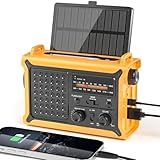
- 【Reliable 𝗡𝗢𝗔𝗔/𝗔𝗠/𝗙𝗠 Reception with Clear Sound】With a high-sensitivity signal chip, noise-reduction circuitry, and an extended antenna, the radio ensures 𝗳𝗮𝘀𝘁, 𝘀𝘁𝗮𝗯𝗹𝗲 𝗿𝗲𝗰𝗲𝗽𝘁𝗶𝗼𝗻 across NOAA FM AM bands. Whether you're sheltering during a storm or camping off the grid, you'll hear every update loud and clear.
- 【𝗛𝗶𝗴𝗵-𝗘𝗳𝗳𝗶𝗰𝗶𝗲𝗻𝗰𝘆 𝗦𝗼𝗹𝗮𝗿 𝗖𝗵𝗮𝗿𝗴𝗶𝗻𝗴 with Extra-Large Panel】The solar radio features a massive 8500mm² high-efficiency monocrystalline solar panel—over 4× larger than typical 2000mm² decorative polysilicon panels on the market. The expansive panel captures significantly more sunlight, delivering faster charging even in low-light conditions. Perfect for camping, power outages, and off-grid emergencies.
- 【𝗛𝗶𝗴𝗵-𝗧𝗼𝗿𝗾𝘂𝗲 𝗖𝗿𝗮𝗻𝗸 𝗣𝗼𝘄𝗲𝗿 for Fast Effortless Charging】With an upgraded internal generator—featuring a larger copper coil and reinforced magnet, the hand crank emergency radio delivers nearly 2× the charging efficiency of standard models. The extended crank arm offers smooth, low-effort rotation, letting you power up the radio or your phone in just 3 minutes when other sources fail. A must-have for your bug-out bag, survival kit, or emergency backpack.
- 【𝗧𝗿𝘂𝗲 𝟭𝟮𝟬𝟬𝟬𝗺𝗔𝗵 Power Capacity That Lasts】 Unlike inflated claims, the emergency crank radio is powered by a real 12000mAh lithium battery that keeps your gear running when you need it most. Whether you’re keeping the radio and lights on for days, you’ll have dependable energy throughout storms, blackouts, or outdoor adventures.
- 【Versatile Emergency Flashlight & Soft Reading Light】The noaa am fm radio includes a powerful flashlight that casts a focused beam up to 260 feet, perfect for dark trails, tents, or emergency navigation. Flip up the frosted reading lamp to enjoy a soft, warm glow that’s easy on the eyes. Both LED lights offer two brightness levels to match your needs—whether for safety or comfort.
What happens during an El Niño summer?
El Niño’s clearest U.S. signal is usually in winter, but summer can bring important tropical-cyclone effects. NOAA reports that El Niño can favor more hurricane activity in the central and eastern Pacific while hindering Atlantic hurricane formation. These are basin-wide tendencies and vary from one year to another; they do not predict the number, path or landfall of a specific storm.
The atmospheric circulation associated with an individual event can also produce regional heat, rain or drought that differs from the average pattern. Seasonal outlooks are more useful for planning than treating ENSO alone as a day-to-day forecast.
What weather does El Niño bring around the world?
Because tropical rainfall and upper-level winds are rearranged, El Niño can produce climate effects far beyond the Pacific. NOAA describes several recurring regional tendencies:
The Tool Desk
Outbyte PC Repair FREEClear out junk files and repair common Windows errorsFree Scan →Outbyte Driver Updater FREEFix the driver behind crashes, sound loss and screen glitchesFind Drivers →- Australia, Indonesia and parts of southern Asia: El Niño can contribute to severe drought.
- Peru, Chile and Ecuador: An El Niño year can bring unusually heavy or record rainfall.
- Central and eastern Pacific: Tropical rainfall generally becomes more concentrated farther east than usual.
These statements describe patterns seen across El Niño episodes, not a guarantee for every country, season or watershed. Local topography, other ocean patterns and the exact timing of the event can strengthen, weaken or reverse a regional effect.
Rank #4

- PRETTY PORTABLE - The noaa radio is as portable as an iPhone, its compact size makes it easy to store in your emergency kit and backpack without taking up much space, and you can easily hold it with just one hand. Comes with a handy lanyard, it's convenient for you to listen.Dimensions: 4.7 x 2.8 x 1.2in, Weight: 0.24lb (exclude battery).
- A ESSENTIAL TO EMERGENCY KIT - This battery radio emergency is about weather news. Weather Band: 162.40-162.55kHz (include 7 NOAA),FM: 87-108 MHz, AM:520-1710 kHz Covering 7 NOAA weather bands, it delivers timely updates on upcoming severe weather conditions like storms, hurricanes and tornadoes, even when power fails or there is no internet available. So you'll get valuable time to stay prepared for emergencies. Note: Not support automatic notification for NOAA alerts.
- BATTERY POWERED RADIO - Runs on just 2 AA batteries, this noaa emergency weather radio ensures continuous operation during power outages, as long as you keep some spare AA batteries at home. When you’re out and about, toss some AA batteries in your bag, and save the hassle of searching for a power outlet. It’s your reliable companion for staying informed and safe.
- SIMPLE OPERATION - It’s a storm radio. Only 3 controls - one for power and volume, one for tuning and one for band selection - tuning in to your favorite station is a breeze. No headaches from the confusing digital screen and buttons; just get relaxed with this weather radio battery powered.
- 2 PLAYBACK MODES - This portable weather radio is equipped with an internal magnetic speaker with 2 sound holes in the front and back, providing a crisp, balanced and stereo sound experience. Plus, if you're in the mood for a little 'me time', simply plug in your headphones for undisturbed enjoyment of music, news, or talk shows.
Will El Niño affect my area?
Possibly, but ENSO alone cannot provide a town-level forecast. NOAA describes regional tendencies and warns that teleconnections are “likely during El Niño events, but not certain.” To assess your location:
- Check the latest NOAA seasonal outlook for the relevant three-month period rather than relying on an ENSO label alone.
- Match the outlook to your region’s normal season. El Niño’s strongest North American influence is generally in winter.
- Look for the probability category and the forecast update date. A “favored” category means higher odds, not certainty.
- For hazards such as flooding, wildfire, heat or hurricanes, use shorter-range forecasts and official warnings as the event approaches.
A city can experience weather opposite to its usual El Niño tendency during a particular month. Seasonal averages and daily conditions are different products.
How often does El Niño happen?
El Niño episodes occur on average every 2–7 years, according to NOAA’s ENSO explainer. The interval is irregular: two events can occur relatively close together, followed by a longer gap. The average does not create a schedule for the next episode.
How is El Niño different from La Niña?
El Niño and La Niña are opposite phases of ENSO, but their regional effects are not simple mirror images. NOAA’s FAQ gives La Niña a typical duration of 1–3 years, longer than the usual El Niño episode.
Best Value

- [7400mWh (2000mAh) POWER BANK WILL KEEP DEVICES POWERED] The FosPower FOSPWB-2376 emergency radio incorporates a 7400mWh (2000mAh) power bank capable of providing emergency power to any small tablet or phone.
- [3 POWER SOURCES POWER WHEN YOU NEED IT] Use the emergency weather radio's 3 power sources when you need a boost of power or need to recharge the radio. The radio's crank lever and solar panel are both capable of regenerating enough power to keep the radio, lights, and SOS alarm ready to go when you need it most. AAA Batteries ensure you have power when not able to regenerate power.
- [2 LIGHT SOURCES ALWAYS POWERED] The emergency crank radio can also provide light. The 4 LED reading light and 1W flashlight provides enough output to keep you and your loved ones out of the dark in an emergency situation.
- [NOAA EMERGENCY WEATHER BROADCAST ACCESS] The radio will dependably receive up to the second emergency weather forecasts and emergency news broadcasts from NOAA and AM/FM stations.
- [LIMITED LIFETIME WARRANTY] Includes a Limited Lifetime Warranty. Please visit FosPower's website for more information.
| Feature | El Niño | La Niña |
|---|---|---|
| Central and eastern equatorial Pacific | Warmer than average | Cooler than average |
| Trade winds and tropical rainfall | Trade winds weaken; rainfall shifts eastward | Conditions generally favor the opposite ocean-atmosphere arrangement |
| Typical duration | 9–12 months | 1–3 years |
| Regional impacts | Often wetter/cooler in the southern United States and warmer/drier in the north during winter | Often different from El Niño, but outcomes vary by event and region |
The comparison describes the broad ENSO phases. It does not mean every place becomes wet during one phase and dry during the other, or that every El Niño impact reverses during La Niña.
Why are El Niño forecasts not certain?
ENSO changes the background odds, while weather on any particular day is controlled by many interacting systems. The Pacific pattern can be strong but temporarily masked by another circulation pattern. A storm’s exact track can determine whether one county receives heavy rain while a nearby county stays dry. Snow also depends on whether temperatures are below freezing when precipitation arrives.
Forecast confidence can vary with lead time. A seasonal outlook issued months ahead describes probabilities; a short-range forecast issued days ahead can resolve individual storms more precisely. Neither product turns El Niño into a deterministic forecast.
How should you use the 2026–27 outlook?
The 8 October 2026 advisory supports heightened attention to the coming winter, especially in regions where El Niño commonly shifts precipitation and temperature odds. It does not replace local preparation. Residents and organizations can use the information to review plans that depend on seasonal water, snow, heat or storm risk, then update those plans as NOAA issues new discussions and as shorter-range forecasts become available.
- Use the current CPC discussion for the event’s status and projected strength.
- Use NOAA seasonal outlooks for your region’s temperature and precipitation probabilities.
- Use local weather offices for watches, warnings and short-term decisions.
- Treat “strong” as a statement about the Pacific climate pattern, not a guarantee that every local impact will be extreme.
El Niño is best understood as a months-long ocean-atmosphere cycle that tilts the odds of certain seasonal patterns. Knowing its usual duration, timing and regional tendencies helps you interpret forecasts without mistaking a broad climate signal for a promise about your next week of weather.
Quick Recap
Product prices and availability are accurate as of the date/time indicated and are subject to change. Any price and availability information displayed on Amazon at the time of purchase will apply.

