Sometimes. A broadband outage does not automatically stop every smart-home device. Lights, sensors and routines can continue when the router, local network, hub or controller, and the devices themselves still have power. Cloud-only devices and internet-dependent features such as remote access, cloud voice skills and many notifications usually stop. If the router or power fails too, local control can disappear even though the device supports a local protocol.
First identify which connection failed
People often use “Wi-Fi is down” to describe three different failures. The distinction determines what remains usable.
As an Amazon Associate I earn from qualifying purchases.
Broadband is down, but the home network still works
Your internet service can fail while the router continues broadcasting Wi-Fi and maintaining the local network. Phones, hubs and devices can still communicate inside the house. This is the situation in which local Matter, Zigbee, Bluetooth or hub-based control has the best chance of continuing.
Outdated Drivers Are Slowing You Down
One free scan finds every outdated or missing driver and matches the right update for your exact hardware.Free scan · exact hardware matchPC Slower Than It Used to Be?
A free scan shows the junk files, broken settings and background clutter dragging Windows down - then fixes them in one click.Free scan · Windows 10 & 11The router, Wi-Fi or local network is down
A device that depends on Wi-Fi loses its path to your phone or controller when the router fails. A Zigbee or Bluetooth device may still be communicating with its hub, but the app, voice assistant or other controller might be unreachable. A hub with locally stored automations may continue those automations, while commands that require the home network will not.
#1 Best Overall
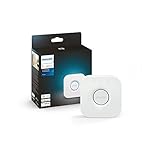
- WHAT’S IN THE BOX: Includes one Hue Bridge that unlocks the full potential of your Philips Hue system, including automations, smart control from anywhere in the world, and so much more
- SECURE AND STABLE CONNECTION: With Zigbee advanced technology, the bridge ensures a reliable connection that won't strain your Wi-Fi, Hue lights work when your Wi-Fi is down
- CONTROL LIGHTS FROM ANYWHERE: The Hue hub enables out-of-home control, control your lights with the Hue app anywhere you have an internet connection, with your home assistant
- ENJOY SMART LIGHTING FOR YOUR ENTIRE HOME, INDOORS AND OUT: Add up to 50 lights and accessories to your smart lighting system, a Hue Bridge is required to control Hue outdoor lights and accessories
- LEVEL UP YOUR MOVIES, MUSIC, AND GAMES WITH SURROUND LIGHTING: Make your lights dance, flash, dim and brighten along to your movies, TV shows, PC and music, the sync requires HDMI Sync Box
There is a power cut
Local networking cannot help a hub, router, light, lock or thermostat that has no electricity. A powered-off router also breaks the local path for many devices. Keep physical switches, keys and manual controls for anything essential, especially entry, lighting and heating.
Why local protocols work during an internet outage
Matter: local commands over Wi-Fi or Thread
Google Home documentation says Matter-enabled devices “work locally over your existing home wireless network without the need to connect to the cloud over the internet.” Commands can go “straight to the Matter-enabled device over your home wireless Wi-Fi or Thread network.” That local design means a broadband outage does not, by itself, prevent control.
There are requirements. You need a compatible Matter controller in the ecosystem you use. Matter over Wi-Fi needs the home Wi-Fi network to remain operational. Matter over Thread needs a functioning Thread border router as well as power for the relevant devices. If the controller, router or border router is offline, Matter’s local path is unavailable even though the Matter standard supports local operation.
Recommended Free Tools
Zigbee: a separate local mesh
Zigbee devices communicate through a compatible hub or coordinator rather than sending every command to a manufacturer’s cloud. When the hub has power and its local automations are implemented locally, basic device-to-hub operation can continue during a broadband outage. The phone app may still require the local network, and cloud-dependent scenes or account services may not run.
Rank #2

- WHAT’S IN THE BOX: Includes one Hue Bridge and two Hue white and color ambiance LED smart 60W A19 E26 base light bulbs suitable for most fixtures; perfect for general lighting anywhere in your home
- UNLOCK THE POWER OF THE HUE BRIDGE: Enjoy automations, control from anywhere, a secure, stable connection that won’t drain Wi-Fi, use Matter to connect your devices to your Hue smart lighting system
- MILLIONS OF COLORS: The White & Color Ambiance range offers warm-to-cool white and millions of colors. Simply screw it in - our smart LED bulbs can dim, brighten, and set the mood instantly
- ENJOY PRESET SCENES: Light your routines with Hue lamps throughout the day; set a 24-hour natural light scene that mimics the sun or choose light to help you focus, unwind, and more
- VOICE CONTROL: Set up voice control in the Hue app and use simple voice commands to control your Hue lights with Alexa or Google Assistant
Bluetooth and Bluetooth Mesh
Bluetooth can provide short-range local control without internet access. The controlling phone or hub must be nearby and powered, and the device must have been paired for that local path. Bluetooth Mesh is another local connectivity option documented for smart-home use. Range, walls and the particular app’s offline behavior matter more than they do for a cloud connection.
Hubs and controllers determine the practical result
Protocols describe how devices communicate; the hub or controller determines where decisions are made. A controller that stores schedules and scenes locally can execute them without reaching a vendor’s servers. A controller that merely forwards every request to the cloud cannot. Check whether the manufacturer explicitly supports local automations rather than assuming that a device labeled “smart” will keep working offline.
What stops working first
| Function | Broadband outage; router and LAN powered | Router or Wi-Fi failure | Power failure |
|---|---|---|---|
| Local Matter, Zigbee or Bluetooth command | Often available when the required controller, hub and local network remain up | Wi-Fi-based paths fail; a separate Zigbee or Bluetooth path may persist inside the system | Unavailable for devices or hubs without power |
| Cloud-only device control | Usually unavailable | Unavailable | Unavailable |
| Local automation | Can continue if stored and executed locally | May continue inside a powered hub; verify the design | Stops when the controller or device loses power |
| Remote app access from outside the home | Unavailable because the home cannot reach the internet | Unavailable | Unavailable |
| Cloud notifications and manufacturer services | Usually delayed or lost until connectivity returns | Unavailable if they require the router | Unavailable |
| Physical switch, key or manual control | Normally unaffected | Normally unaffected | Works only if it does not require powered electronics |
Will smart lights work if Wi-Fi is down?
“Wi-Fi down” needs clarification. If only the internet connection is down and your Wi-Fi router still works, lights using local Matter over Wi-Fi can usually be controlled by a compatible controller on the home network. Zigbee or Bluetooth lights can also continue through their local path.
Quick wins for a faster PC:
Clear out junk files and repair common Windows errorsFree Scan →Scan for outdated or missing drivers - takes under a minuteDriver Scan →If the router’s Wi-Fi itself has failed, a phone cannot reach Wi-Fi lights or their controller. A Zigbee hub may still run a locally stored schedule, but app control and voice commands that depend on the router are likely gone. A physical wall switch remains the dependable fallback. Test the exact combination of light, hub and controller rather than relying on the radio label alone.
Rank #3

- WHAT'S IN THE BOX - Includes one Hue Bridge and four Hue White and Color Ambiance smart 75W A19 light bulbs suitable for most fixtures; Perfect for decorative and general lighting anywhere in your home
- UNLOCK THE FULL POWER OF HUE WITH THE INCLUDED BRIDGE - Enjoy automations control from anywhere in the world, and a secure, stable connection that won't drain your Wi-Fi. Use Matter to connect smart home devices to your Hue smart lighting system.
- ENJOY PRESET SCENES - Light your routines throughout the day; Set a 24-hour natural light scene that mimics the sun or choose light to help you focus unwind, and more
- VOICE CONTROL - Convenient smart control; Set up voice control in the Hue app and use simple voice commands to control your lights with Alexa or Google Assistant
- PERSONALIZE YOUR LIGHT - Create the ultimate mood lighting with dynamic light effects that show subtle changes in brightness and color; Customize in the app
Does Matter work without internet?
Yes, for local control, provided the Matter controller and network remain available. Matter does not require every command to travel to a cloud service. Matter over Wi-Fi depends on a working home Wi-Fi network; Matter over Thread depends on a working Thread mesh and Thread border router. Account setup, firmware delivery, remote access and other cloud services can still require internet access even when an already configured local command works.
Will Philips Hue work without internet?
Philips Hue documentation describes its lights as using Zigbee or Bluetooth, depending on whether you have a Bridge, and addresses control when the internet is down. With a powered Hue Bridge, the Bridge provides a local Zigbee hub path. Bluetooth-equipped lights can be controlled directly from a nearby paired phone under the conditions supported by the Hue app.
The Bridge, router and lights still need electricity. If the Bridge loses power, Bridge-based scenes and app paths stop. If the router fails, local behavior depends on which path you use and whether a direct Bluetooth connection is available. Remote access and services that need Hue’s internet connection are not expected to work during the outage.
Does Alexa work during an internet outage?
Amazon documents local Echo-to-device interactions for supported local connections, stating: “This connection allows Alexa to control your device during internet outages.” That is a conditional capability, not a guarantee for every Alexa device or routine.
Rank #4

- WHAT'S IN THE BOX - This starter kit includes one Hue Bridge and four E26 smart light bulbs; to get started, install your Bridge and color changing light bulb using the Hue app, and you’re ready to go
- CREATE AMBIANCE WITH COLOR - Set the mood with millions of colors and a library of preset light scenes designed by Hue’s lighting experts—with special holiday scenes and the option to create your own
- DIM EASILY - Adjust from full brightness all the way down to 2% using the Hue app to achieve the right level of lighting with your smart light bulb, whether you’re reading or unwinding before bed
- CONTROL WITH YOUR VOICE - Connect to your preferred home assistant and control your led light bulb effortlessly with voice commands—compatible with Alexa, Google Assistant, and Apple Home
The Echo, the smart device and any required hub must be powered and able to communicate locally. A cloud skill, a routine that calls an online service, remote control from outside the home, account features and cloud-generated notifications can fail. Short, direct commands to a locally connected, supported device have a better chance than requests that require a vendor service, streaming content or information from the internet.
Independent reader supportYour contribution helps us test, update, and keep practical guides available for everyone.Which smart-home features are most resilient?
Usually strongest: direct local controls
- Physical switches and buttons that operate the load without a cloud service.
- Devices paired directly over Bluetooth when the phone is nearby.
- Zigbee devices communicating with a powered local hub.
- Matter devices controlled by a compatible local controller over a working Wi-Fi or Thread network.
Conditional: scenes, schedules and voice
Scenes and schedules survive only when the controller stores and executes them locally. Voice control depends on whether the assistant can make a local connection; cloud skills and online actions do not become local merely because the assistant is in the same room.
Usually weakest: remote and cloud services
Control from work or while traveling, cloud dashboards, vendor account services, online integrations and internet-delivered notifications generally require the broadband connection. They may resume later, but an outage can also prevent time-sensitive alerts from being delivered.
How to test your own setup safely
Perform the test while someone is home and avoid starting with a lock, garage door or heating system that could leave you stranded. Keep a physical fallback available.
- Record the normal state. List each device, its hub or controller, the app used, voice commands, schedules and any physical control.
- Test a broadband-only outage. Leave the router, hubs and devices powered. Disconnect the broadband feed or disable the modem’s internet connection without turning off the local network.
- Test direct control. Try the local app, a physical switch and a direct voice command. Note whether the command reaches the device and whether the app reports an internet error despite local control working.
- Test automations. Trigger a schedule, motion rule or scene whose execution time you can observe. Mark whether it ran locally, ran late or failed.
- Test remote features separately. From a cellular connection outside the home, try remote app access and check which notifications arrive. Do not treat failure here as proof that local control is impossible.
- Test router failure. Power down the router or Wi-Fi access point while leaving other equipment powered. Repeat only safe local tests and record which hubs, apps and voice paths disappear.
- Test power failure planning. Identify what happens when the hub or router is off. Confirm that critical lights, entry points and heating have a manual method of operation.
- Restore and document. Reconnect broadband, allow devices to recover, and save the results in a household note so everyone knows the offline procedure.
How to choose for better outage resilience
- Prefer an explicit local-control statement. Look for documentation saying commands or automations run locally, not merely that a device supports Wi-Fi.
- Match the controller to the protocol. Matter purchases need a compatible controller; Thread products need a Thread border router. Zigbee products need a compatible hub or coordinator.
- Keep the local network simple and powered. A local protocol cannot operate if the router, border router or hub is switched off.
- Retain manual operation. Use physical switches, keys or other non-cloud controls for critical functions.
- Separate local and remote expectations. Buy a device for offline lighting or sensing only if the features you need are documented to work locally; remote access and online notifications are separate capabilities.
- Check recovery behavior. Determine whether schedules resume after reconnection, whether missed events are skipped, and whether a device needs manual re-pairing after the network returns.
The practical answer
Smart-home devices are most likely to keep working through an internet outage when they use Matter, Zigbee, Bluetooth or another hub-based local path, the controller and router remain powered, and the automation is stored locally. Cloud-only products, remote access, cloud skills and many notifications normally fail. A separate router failure is more disruptive than a broadband failure, and a power cut can stop everything electronic. Test those three conditions separately and keep a physical control for every function you cannot afford to lose.
Quick Recap
Product prices and availability are accurate as of the date/time indicated and are subject to change. Any price and availability information displayed on Amazon at the time of purchase will apply.

