Magic: The Gathering, usually shortened to Magic or MTG, is a collectible trading card game. Players build and shuffle decks, use land cards to produce mana, cast spells and summon creatures, and try to defeat their opponents. Wizards of the Coast, which publishes the game, puts it this way on its official beginner guide: “Magic™ is a trading card game where players summon incredible creatures and cast powerful spells to defeat their foes.”
The core definition
Magic is a trading card game in which each player works from a personal deck. Lands supply the mana that pays for spells, spells and creatures change the board, and the game is won by reducing an opponent’s life total to zero in the basic one-on-one example. The collectible part refers to the fact that the game is sold in sets of cards, and players build their decks from the cards they own. Wizards describes its five colors as representing different philosophies and playstyles, which is why deck-building choices carry strategic weight from the start.
As an Amazon Associate I earn from qualifying purchases.
How a basic game works
The introductory rules Wizards publishes follow a short setup sequence before any turn begins:
- Shuffle your deck so the cards are in random order.
- Draw a seven-card opening hand.
- Decide whether to take a mulligan, which lets you reshuffle and draw a new hand under the rules of the format you are playing.
- Set your life total to the starting value for the format. In the basic one-on-one example, both players track a life total that the game is designed to reduce to zero.
Turn structure
Each turn moves through a fixed sequence of phases: beginning, first main, combat, second main, and end step. In the basic game a player generally plays one land per turn. Lands produce mana, and that mana pays the costs of spells. The beginner guide describes this sequence as a simplified introduction rather than a full account of every rule interaction, so treat it as the skeleton of a turn rather than the whole rulebook.
#1 Best Overall

- EXPERIENCE FINAL FANTASY IN A WHOLE NEW WAY—Step into unforgettable stories from FINAL FANTASY games brought to your tabletop with the strategic gameplay of the Magic: The Gathering trading card game
- LEARN TO PLAY MAGIC—Everything you need to play your first games of Magic is here. Enter the fray with two pre-built 60-card decks and learn the essentials with the included guide booklet. You’ll be ready to play in no time.
- 2 FINAL FANTASY-THEMED DECKS—Cast powerful spells, meet iconic characters, and visit familiar locales; each deck contains 60 cards featuring FINAL FANTASY-themed art, including 10 cards entirely new to Magic (5 in each deck)
- ARE YOU A HERO OR A VILLAIN—Challenge a friend, choose your deck, and face off in epic 2-player battles; will you join Cloud, the beloved hero, or side with his nemesis, Sephiroth
- KICK OFF YOUR COLLECTION—Start your collection with Rare cards and shiny foils; each deck includes 5 Rare cards and 1 Mythic Rare Legendary Creature card with a shiny Traditional Foil treatment
Combat
During combat, the attacking player chooses which creatures attack. The defending player can then assign blockers. Creatures deal damage, and a creature whose damage is at least equal to its toughness dies. Unblocked attackers damage the defending player, which is the main route to lowering a life total in the basic game.
Where cards go
Creatures, artifacts, and enchantments remain on the battlefield once they resolve. Instants and sorceries go to the graveyard after they resolve. This difference explains a common early mistake: a card that looks like it should stay in play is often a one-use spell.
Rank #2

- EVERYTHING YOU NEED TO SUCCEED—Gain an instant Magic collection. This truly astounding box boasts over 350 cards with essential staples for any color and any way you want to play.
- BORDERLESS CARDS and FULL-ART LANDS—Crown your collection with cards featuring gorgeous pieces of alternate art that fill each card; the Foundations Starter Collection includes 6 Borderless cards and 10 Full-Art Land cards
- RARES and SHINING FOILS—Collect coveted Rare and Mythic Rare cards and cards that gleam with a beautiful foil treatment; this collection includes 75 cards of rarity Rare or higher and 26 Traditional Foil cards (8 of which are Rare or Mythic Rare), plus you’ll find more in the included Play Boosters.
- 3 PLAY BOOSTERS—Whether you want to draft with friends or open packs just to see what you get, Play Boosters are specially balanced for play and fun to open, with 1–2 foil cards and 1–4 cards of rarity Rare or higher in each pack, plus the possibility of an Art card showcasing a piece of art from the set
- DECKBUILDING GUIDE—Learn how to construct your own decks with expert tips and recommendations in the included Deck Builder’s Guide booklet
Ways to play
Magic can be played in person, digitally, or over a webcam. The method determines whether you need physical cards and a table, but the rules are the same in each form.
Do these 3 things before closing this tab:
1Fix the driver behind crashes, sound loss and screen glitches2Clear out junk files and repair common Windows errors3Scan for outdated or missing drivers - takes under a minute| Way to play | What it uses | Notes from Wizards’ official overview |
|---|---|---|
| Tabletop | Physical cards and a play space | The traditional form of the game, described as playable in person. |
| MTG Arena | Digital client | Offered as a digital way to learn and play. Hardware and platform requirements not stated in the sources reviewed. |
| SpellTable | Webcam-based play | Supports webcam games, so players can use their own physical cards on camera. Platform details not stated in the sources reviewed. |
Formats: why the game can feel different
A format sets the rules for player count, which cards are allowed, and how decks are constructed. Two players using the same cards can have very different games depending on the format they agree to. Wizards’ formats hub lists tabletop and digital options and presents formats as different ways to enjoy the game. The two formats below are examples, not a complete list.
Rank #3

- ANYONE CAN BE A HERO—Your Magic: The Gathering journey begins with a friend beside you! Play your very first game in a guided battle of Captain America versus Iron Man. Choose your side and send your forces into the fight while learning essential gameplay lessons
- GUIDED LEARN-TO-PLAY EXPERIENCE—Start by playing a tutorial game with two 20-card decks, each with a step-by-step guide booklet that will walk you through your first game
- CREATE THEMED DECKS—Once you’ve conquered the basics, realize your true potential by combining any two of the eight 20-card half-decks into a full 40-card Marvel Super Heroes-themed deck; mix and match to try different combos!
- EVERYTHING YOU NEED TO PLAY—This Beginner Box includes everything you and a friend need to play, including 2 Playboards that will show you where to place your cards, 2 Spindowns to track your life totals, and 1 Rules Reference booklet to answer any questions you have along the way
- WELCOME TO THE GATHERING—Magic: The Gathering is a collectible card game that weaves deep strategy, gorgeous art, fantastical stories, and a thriving fan community all together into a card game experience like no other
Standard
Standard is a two-player constructed format. A main deck must contain at least 60 cards, and a sideboard may hold up to 15 cards. Standard draws on a rotating pool of recently released sets. Wizards describes an annual rotation that takes place after the year’s first premier set prerelease. Because set legality can change, check the official format page before building a deck.
Commander
Commander is a multiplayer format. Each deck is built around a legendary creature or artifact that serves as the commander. Wizards’ official page describes a 99-card deck plus the commander, with singleton construction, meaning one copy of each card, except for basic lands. Multiplayer games start at 40 life. Deck colors are limited by the commander’s color identity. The page sums up the format this way: “The Commander format is all about picking your hero and building a deck around them.”
Rank #4

- LEARN THE BASIC ELEMENTS OF MAGIC—Your Magic: The Gathering journey begins with a friend beside you! Play your first game in a guided battle of Aang versus Zuko. Choose your side and send your forces to your opponent while learning essential gameplay lessons
- GUIDED LEARN-TO-PLAY EXPERIENCE—Start by playing a tutorial game with two 20-card decks, each with a step-by-step guide booklet that will walk you through your first game
- CREATE THEMED DECKS—Once you’ve conquered the basics, master the remaining elements by combining any two of the eight 20-card half-decks into a full 40-card Avatar: The Last Airbender-themed deck; mix and match to try different combos!
- EVERYTHING YOU NEED TO PLAY—This Beginner Box includes everything you and a friend need to play, including 2 Playboards that will show you where to place your cards, 2 Spindowns to track your life totals, and 1 Rules Reference booklet to answer any questions you have along the way
- WELCOME TO THE GATHERING—Magic: The Gathering is a collectible card game that weaves deep strategy, gorgeous art, fantastical stories, and a thriving fan community all together into a card game experience like no other
| Feature | Standard | Commander |
|---|---|---|
| Player count | Two players | Multiplayer |
| Main deck size | At least 60 cards | 99 cards plus the commander |
| Sideboard | Up to 15 cards | Not applicable |
| Card pool | Rotating pool of recent sets, updated annually | Singleton construction except basic lands; color limited by commander’s color identity |
| Starting life | Not stated in the sources reviewed | 40 in multiplayer |
What to weigh when choosing a format
- Player count: two-player constructed games and multiplayer games feel different in length and interaction.
- Deck constraints: check whether the format limits card copies, colors, or card eligibility.
- Card pool and rotation: a rotating format needs updated cards; a larger card pool keeps older cards in play.
- Experience: constructed play compares decks you build in advance, while other formats emphasize different skills.
Starting with physical cards
Wizards lists several official products for new players, and the right one depends on the format you want to learn.
The Tool Desk
Outbyte PC Repair FREEClear out junk files and repair common Windows errorsFree Scan →Outbyte Driver Updater FREEScan for outdated or missing drivers - takes under a minuteDriver Scan →- Magic: The Gathering Foundations Beginner Box. Wizards says it includes guided deck experiences, a reference booklet, playmats, and bonus decks for playing with a friend. Contents and availability change over time, so confirm the current listing and language before buying.
- Starter Kit. Wizards identifies this as a product for learning to play.
- Commander decks. These are built for multiplayer Commander games. They are not a general substitute for an introductory two-player experience.
For the Reality Fracture set, Wizards’ buyer’s guide names local game stores, TCGplayer, and Amazon as sales channels. Sleeves, deck boxes, dice, and playmats are optional. Nothing in Wizards’ materials establishes them as necessary for a new player.
Best Value
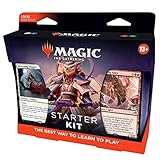
- Magic: The Gathering Starter Kits are a great way to dive into a game of deep strategy, gorgeous art, fantastical stories, and a thriving fan community
- 2 decks designed for out-of-the-box play, with a Play Guide to get you started
- 2 boxes to store your decks—easy to bring to your next board game night or play at your local game store
- Includes redemption codes that unlock both decks on Magic: The Gathering Arena—letting you play both in person and online with your friends
- 5 Rare cards, including 1 rare in a shining Traditional Foil treatment, included in each deck
Where to find the official rules
Wizards publishes the Comprehensive Rules as a reference document. The company is explicit that it is “NOT meant to be read beginning to end; instead it’s meant to be consulted when specific rules questions come into play.” Use the basic turn structure above to learn the game, and consult the Comprehensive Rules when a specific interaction comes up.
The rules and format pages described here were checked in October 2026. Card legality, product contents, and retailer stock change, so confirm them on Wizards’ official pages before making a purchase or building a tournament deck.
Quick Recap
Product prices and availability are accurate as of the date/time indicated and are subject to change. Any price and availability information displayed on Amazon at the time of purchase will apply.
Free tools Windows power users keep installed
One-click scans. No signup required.

