Choose Dead Cells if you want side-scrolling platforming, branching routes, discovery and demanding combat execution. Choose Hades if you want top-down room-to-room action, flexible boon builds, permanent upgrades and a fully voiced story that advances after every attempt. Both turn repeated deaths into progress, but they reward different skills and motivations.
The practical split is straightforward: Dead Cells puts movement mastery and route discovery first; Hades puts build synergy, character relationships and narrative continuity first. The sections below explain how that difference affects combat, difficulty, replayability and the best platform version for your situation.
| # | Preview | Product | Price | |
|---|---|---|---|---|
| 1 |

|
Dead Cells: Return to Castlevania Edition Nintendo Switch | $28.40 | Buy on Amazon |
| 2 |

|
Dead Cells - Action Game of The Year - Nintendo Switch | $30.97 | Buy on Amazon |
| 3 |
![Dead Cells - Nintendo Switch [Digital Code]](https://m.media-amazon.com/images/I/51HXJorAjyL._SL160_.jpg)
|
Dead Cells - Nintendo Switch [Digital Code] | $24.99 | Buy on Amazon |
| 4 |
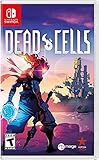
|
Dead Cells - Nintendo Switch | $34.95 | Buy on Amazon |
As an Amazon Associate I earn from qualifying purchases.
Dead Cells vs. Hades at a glance
| Category | Dead Cells | Hades |
|---|---|---|
| Format | 2D side-scrolling Roguevania and action-platformer | Top-down rogue-like dungeon crawler |
| Run structure | Explore an ever-changing castle through branching routes; death ends the run | Fight through rooms while attempting to escape the Underworld; death sends you back to begin another attempt |
| Primary skill | Movement, platforming, pattern recognition and precise combat timing | Room management, dodging, weapon choice and combining Olympian boons |
| Progress between runs | New levels and routes unlock across deaths, while your own execution improves | Permanent upgrades, relationship progress and new story events accumulate between attempts |
| Narrative style | Environmental and discovery-led; the route and the run teach you much of the world | Character-driven and fully voiced; conversations and relationships continue between runs |
| Best match | Players who value exploration, platforming and mechanical challenge | Players who value story, characters, build variety and a guided progression loop |
Motion Twin describes Dead Cells as requiring mastery of 2D “souls-lite combat” while permadeath remains a constant threat. Its concise rule is “No checkpoints. Kill, die, learn, repeat.” Supergiant Games describes Hades as a rogue-like dungeon crawler in which you defy the god of the dead and hack and slash your way out of the Underworld. Those descriptions capture the design priorities better than a genre label alone.
PC Slower Than It Used to Be?
A free scan shows the junk files, broken settings and background clutter dragging Windows down - then fixes them in one click.Free scan · Windows 10 & 11Outdated Drivers Are Slowing You Down
One free scan finds every outdated or missing driver and matches the right update for your exact hardware.Free scan · exact hardware matchWhat kind of game is Dead Cells?
A platforming-first Roguevania
Dead Cells combines the room-to-room structure associated with roguelikes and the exploration of a metroidvania-style platformer. You control a character in a 2D, side-scrolling castle that changes from run to run. The camera, jumps, drops, rolls and ledges make navigation an active part of every fight. Reaching a new area is not just a matter of defeating the next group of enemies; you also have to read the environment, choose a route and move through hazards without losing your rhythm.
#1 Best Overall
- 17 Levels - Each one with its own atmosphere, foes and secrets to discover
- 5 Bosses - Made by the most sadistic of the devs, raised on the salt of the testers
- 150 or so weapons and skills - Spears, swords, bows, magic spells, shields, pets, frying pans etc; You name it, we got it
- Unlock the four original Dead Cells DLCs, giving you late-game content plus an entire new pathway to follow, with an alternative ending and tons of new enemies, weapons & outfits
- Battle through the corridors of Dracula’s Castle; Wield weapons against monsters to reach the throne room of the Dark Lord
Because the castle is nonlinear, a death does not simply erase a fixed level sequence. It sends you back to make a different route decision, test another approach and use what you learned about enemy patterns. The sense of discovery comes from seeing how routes connect and deciding which path fits your current abilities and confidence.
Combat built around pattern learning
Dead Cells asks you to recognize attacks, create openings and commit to movement at the right moment. Dodging and rolling are as important as selecting a weapon or spell. The game’s “souls-lite” comparison refers to that discipline: enemies punish careless positioning, and success comes from understanding a pattern rather than trading damage until one side falls.
There is room to experiment with weapons and spells, so two runs can encourage different tactical habits. However, no loadout removes the need to move well. A build that looks powerful on paper still fails if you mistime a roll, jump into an attack or choose a route that exposes you to threats you cannot yet handle.
Progress that emphasizes mastery
Dead Cells does provide unlocks across deaths, including access to new levels and routes. Those unlocks broaden the castle and give later attempts more options, but your personal improvement remains central. You learn which attacks can be avoided, when to disengage and how to use the terrain. The game therefore feels rewarding even when a run ends before the next permanent unlock: the knowledge itself changes your next attempt.
What kind of game is Hades?
A top-down escape attempt
Hades is a top-down rogue-like dungeon crawler structured around repeated attempts to escape the Underworld. Instead of traversing a side-scrolling landscape, you enter a sequence of combat rooms viewed from above. Each room presents a contained encounter, and your decisions about weapons, rewards and upgrades shape the rest of that run.
The top-down perspective makes crowd control and positioning the immediate concerns. You can see threats around your character, identify safe space and decide whether to attack, dash or reposition. The loop is fast, but it is also legible: each room asks you to solve a compact combat problem before you move on.
Builds assembled from Olympian boons
Hades combines weapons with randomized Olympian boons. Boons modify how an attack behaves and allow combinations that feel different from one attempt to the next. A weapon choice can therefore be revisited through many build ideas rather than treated as a single fixed moveset. The appeal is less about finding one permanently superior setup and more about recognizing which offered effects work together during the current run.
Randomization means you will not receive every option you want. Good runs involve adapting: identify the strongest available synergy, protect it with sensible choices and adjust when the game offers a different direction. That flexibility is the heart of Hades’ replayable combat.
Permanent growth and a continuing story
When an attempt ends, Hades keeps more than your knowledge. Permanent upgrades make future attempts stronger or more forgiving, while relationships and story events advance between runs. Characters respond to what happened, conversations change and the escape objective remains connected to an unfolding personal narrative.
Rank #2
- Incredible 2D souls-lite action with more than 90 weapons and spells with nonlinear gameplay.
- Explore secret room, hidden passages, and charming landscapes. Stroll down towers and breath in that fresh sea mist infused air.
- Build your unique play style as you combat the adrenaline pumping threat of perm death in this unique game of the year!
This structure gives failure a clear emotional and mechanical purpose. Even a short attempt can produce a new conversation or contribute to a long-term upgrade, so progress does not depend solely on reaching a deeper room than before.
How the moment-to-moment combat differs
Dead Cells: movement is part of the attack
In Dead Cells, navigation and combat are inseparable. A jump can avoid a strike, create a better angle or lead to a safer platform; a roll can both evade and reposition. You are constantly deciding whether to keep moving through the level or stop to read an enemy. The side view also makes vertical space meaningful, so the timing of a jump or drop can determine whether you control an encounter or become surrounded.
This makes the game especially satisfying if you enjoy practicing a sequence until the inputs become reliable. It can also feel demanding when a mistake during movement causes several threats to converge. The challenge is physical and cognitive at the same time: execute the move, remember the pattern and keep track of the route.
Hades: room control and synergy
Hades’ rooms put more emphasis on controlling groups in an open arena. Dashes, attacks and boon effects combine into a toolkit that you refine as the attempt continues. You are evaluating the space, prioritizing dangerous targets and choosing when to spend your strongest options. Because the camera is top-down, situational awareness comes from watching the whole room rather than reading a platforming layout.
The combat feels immediately expressive because a new boon can change the role of a familiar weapon. A run may reward aggressive close-range play, deliberate spacing or a more defensive rhythm. The central skill is making a coherent plan from the options the game gives you, then executing that plan under pressure.
Progression: unlocks versus permanent upgrades
What carries forward in Dead Cells
Dead Cells uses deaths to open additional levels and routes. The castle becomes a larger decision space over time, and each new path changes what you can discover in later attempts. The permanent layer is therefore geographical and strategic: more destinations become available, and you learn how to approach them.
Do these 3 things before closing this tab:
1Repair Windows errors before they cause bigger problems2Fix the driver behind crashes, sound loss and screen glitches3Clear out junk files and repair common Windows errorsBecause the game emphasizes mastery, a newly unlocked route is not a guarantee of success. It is an invitation to learn another enemy set, platforming sequence and route choice. Players who like earning access to harder or less familiar areas through repeated practice will find this structure motivating.
What carries forward in Hades
Hades makes permanent upgrades and relationships explicit parts of the loop. Your character can become more capable across attempts, and conversations continue even when an escape attempt fails. The result is a layered progression system: mechanical power, narrative knowledge and social connections all move forward together.
This approach is helpful if you dislike the feeling that a failed run produced nothing. Hades guarantees that the return to the starting area can reveal something new, whether that is an upgrade opportunity or another piece of the story. The trade-off is that some of the excitement comes from planning around long-term growth rather than relying only on personal execution.
Rank #3
- RogueVania: The progressive exploration of an interconnected world, with the replayability of a rogue-lite and the adrenaline pumping threat of permadeath.
- 2D Souls-lite Action: Tough but fair combat, the iconic dodge roll, more than 90 weapons and spells with unique gameplay… The unforgiving action wed to the absence of any kind of safety net makes for an adrenalin pumping ride each and every run.
- Nonlinear progression: Sewers, Ossuary or Ramparts? Once unlocked, special permanent abilities allow you to access new paths to reach your objective. Opt for the path that suits your current build, your play style, or just your mood.
- Exploration: Secret rooms, hidden passages, charming landscapes. Take a moment to stroll the towers and breath in that fresh sea mist infused air...
Which has the better story?
“Better” depends on whether you want the story to be a destination or an atmosphere. Dead Cells is environmental and discovery-led. The castle, its routes and the information you uncover during exploration carry much of the storytelling weight. You infer context from where the run takes you and how the world is arranged. That style rewards curiosity and leaves more room for the player to assemble meaning from the journey.
Recommended Free Tools
Hades puts character interaction at the center. Its story is fully voiced, and events continue between attempts through conversations and relationships. The escape objective is tied to an ongoing cast, so returning after a defeat is part of the narrative rhythm rather than a reset to silence. If you want clear dialogue, recurring characters and plot movement after a difficult run, Hades is the stronger fit.
Neither structure is objectively superior. Dead Cells treats discovery as something you earn by exploring and surviving; Hades treats failure as another opportunity for a character beat. Choose the style you are more likely to follow when the combat becomes demanding.
Which is better for beginners?
Choose Dead Cells first if you learn through movement
Dead Cells is a good beginner choice for players who enjoy platformers and do not mind repeating areas while their timing improves. The controls are direct, but the consequences of a missed dodge or jump can be severe. Start by treating each run as practice in one skill: identify attack tells, test a route or improve how you use the environment. Trying to rush toward the deepest possible area can hide the lessons the game is offering.
- Pause before entering a crowded space and identify the safest platform or retreat path.
- Watch an enemy’s pattern for a moment instead of attacking immediately.
- Use early runs to compare routes, not to prove that one route is always correct.
- When a run ends, name the mistake that caused it so the next attempt has a specific goal.
Choose Hades first if you want visible safety nets
Hades suits beginners who want a clear reason to continue after a defeat. Permanent upgrades and story events make the return trip meaningful, while the room-based structure breaks a long escape into manageable encounters. You still need to dodge and read attacks, but the game lets you build strength and understanding across attempts.
The Tool Desk
Outbyte PC Repair FREEClear out junk files and repair common Windows errorsFree Scan →Outbyte Driver Updater FREEFix the driver behind crashes, sound loss and screen glitchesFind Drivers →- Use the first rooms to test how your current weapon behaves before committing to a risky strategy.
- When a boon changes an attack, adjust your positioning and timing to match its new role.
- Prioritize a consistent combination over collecting unrelated effects.
- Pay attention to conversations between attempts; they are part of the progression system, not a separate mode.
Replayability and long-term appeal
Why Dead Cells keeps its routes fresh
Dead Cells’ replay value comes from the interaction of changing routes, platforming demands and combat mastery. An attempt can feel different because you chose another branch, encountered a different sequence or approached familiar enemies with a new loadout. The castle’s structure encourages experimentation: you are not merely replaying a fixed campaign in the same order.
The strongest reason to keep playing is improvement. A route that once felt impossible can become routine, and that competence lets you explore a more demanding option. If you measure progress by cleaner movement, better decisions and access to more of the castle, the game offers a long runway.
Why Hades keeps its loop compelling
Hades varies its runs through weapon choices and randomized Olympian boons, then reinforces them with permanent upgrades and narrative events. The mechanical and story layers support each other: a failed attempt can suggest a new build while also unlocking another conversation. This makes the next run feel purposeful even when the immediate combat result was disappointing.
Hades is particularly replayable for players who enjoy testing combinations. You can pursue a different synergy, change how you control space or focus on strengthening a long-term upgrade path. The structure remains recognizable, but the decisions inside it keep shifting.
Rank #4
- Roguevania: the progressive exploration of an interconnected world, with the Replay ability of a rogue-little and the adrenaline pumping threat of permadeath
- 2D souls-little action: tough but fair combat, the iconic dodge roll, more than 90 weapons and spells with unique gameplay
- Nonlinear progression: sewers, ossuary or ramparts? once unlocked, special permanent abilities allow you to access new paths to reach your objective
- Exploration: secret rooms, hidden passages, charming landscapes. Take a moment to stroll the towers and Breath in that fresh sea mist infused air
- Dead Cells is a brutally challenging 2D action-platformer with No checkpoints. you'll get better. Eventually
Difficulty, frustration and the learning curve
Dead Cells produces frustration mainly through execution. You may understand what an enemy does and still fail because your roll, jump or attack came late. The remedy is deliberate practice: slow down, separate enemies when possible and treat route selection as a defensive decision. The game’s permadeath is not a temporary checkpoint system; the run ends, and the knowledge you gained becomes your main advantage.
Hades produces frustration through adaptation. A promising build can be interrupted by an unexpected boon offer, or a room can punish a strategy that worked earlier. The solution is to build flexible plans and value survivability over a perfect combination. Permanent upgrades reduce the cost of repeated failure, but they do not remove the need to read rooms and react quickly.
If you want the challenge to come from mastering precise movement, Dead Cells will feel more honest. If you prefer a challenge that softens through accumulating upgrades and understanding a broad system, Hades is generally more welcoming.
Platform availability and what to check before buying
Nintendo’s official store lists Dead Cells for Nintendo Switch. PlayStation’s official listing lists Hades for PS4 and PS5. Those listings establish availability for the named platforms, not a permanent guarantee that every regional edition, bundle or price will remain unchanged.
Quick wins for a faster PC:
Fix the driver behind crashes, sound loss and screen glitchesFind Drivers →Clear out junk files and repair common Windows errorsFree Scan →Scan for outdated or missing drivers - takes under a minuteDriver Scan →| Buying question | Dead Cells | Hades |
|---|---|---|
| Official platform listing covered here | Nintendo Switch | PlayStation 4 and PlayStation 5 |
| Best reason to choose that version | Portable access to side-scrolling exploration and repeated practice | Console access to the voiced story and room-based escape loop |
| What can change | Regional price, sale status and edition contents | Regional price, sale status and edition contents |
Check the store page for your country immediately before purchase. Confirm the platform, edition contents and whether a sale price is temporary. The official PlayStation listing currently describes Hades as a winner of more than 50 Game of the Year awards; that is a current listing claim, accessed in 2026, rather than a promise about your personal experience.
A practical decision guide
Pick Dead Cells when most of these statements are true
- You want a side-scrolling game rather than a top-down one.
- Platforming and route choice sound as important as fighting.
- You enjoy learning enemy patterns through repeated attempts.
- You prefer environmental discovery to a heavily voiced plot.
- You are comfortable with a death ending the current run and want your own mastery to be the main progression.
Pick Hades when most of these statements are true
- You want room-based combat viewed from above.
- You like changing a weapon’s behavior with randomized boon combinations.
- You want permanent upgrades to soften repeated failure.
- You prefer fully voiced characters and story events between attempts.
- You are looking for a solo game with no planned multiplayer support.
If you are still undecided
- Imagine your ideal satisfying moment. If it is clearing a difficult platforming section and discovering a new route, choose Dead Cells.
- If it is assembling a powerful boon combination and then hearing a new character exchange after returning, choose Hades.
- Consider what you want failure to teach you. Dead Cells primarily teaches execution and navigation; Hades teaches adaptation, build planning and long-term progression.
- Match the game to your available platform, then verify the current regional edition and price before checkout.
How to approach your first several runs
Dead Cells
- Spend the opening attempts learning movement: jump spacing, roll timing and how quickly you can retreat.
- Choose one route and observe its hazards rather than changing direction every time a fight becomes uncomfortable.
- Experiment with a weapon or spell long enough to understand its range and timing.
- After death, identify one repeatable adjustment, such as waiting for a second attack cue or taking a safer branch.
- When new levels or routes unlock, explore them for information before judging them by how far you progress.
Hades
- Use early rooms to learn your weapon’s basic attack, special and movement options.
- When a boon appears, ask which part of your current kit it improves instead of choosing solely by rarity or novelty.
- Keep your build coherent: effects that reinforce the same attack pattern are easier to use under pressure.
- Use each return to the starting area to check for permanent upgrades and new conversations.
- When a run fails, change one major variable at a time so you can tell which decision improved the next attempt.
Common mistakes when choosing between them
Assuming one is simply the “better” roguelike
They use the same broad run-and-retry vocabulary, but their priorities differ. Calling Hades better because it has more voiced story, or Dead Cells better because its platforming is tougher, confuses preference with quality. Decide which activity you want to repeat hundreds of times: navigating and mastering a changing 2D castle, or fighting through rooms while shaping a build and following character arcs.
Buying for the wrong control fantasy
Watch the camera and movement model before you buy. Dead Cells expects comfort with side-scrolling platforming and timing in vertical space. Hades expects comfort with top-down positioning, room awareness and adapting to randomized effects. A player can enjoy both, but the transition between these control fantasies is larger than the shared “roguelike” label suggests.
Expecting multiplayer
Hades is explicitly designed as a solo experience. Supergiant Games says it has no plans to add multiplayer because the gameplay and narrative were created around solo play. If cooperative play is a deciding requirement, do not purchase Hades expecting a later multiplayer mode. The available information here does not establish a multiplayer feature for Dead Cells, so verify the current product listing rather than assuming either game meets a co-op requirement.
What’s actually slowing this PC down?
Pick the symptom - the matching free tool is one click away.
Final verdict
Dead Cells is the stronger recommendation for a player who wants a demanding action-platformer where every jump, dodge and route decision matters. Its changing castle, branching paths and pattern-based combat make personal execution the core reward.
Hades is the stronger recommendation for a player who wants a polished top-down combat loop supported by build experimentation, permanent upgrades and a fully voiced narrative that keeps moving after failure. Its room-by-room structure and relationship progression make repeated attempts feel like chapters in one continuing escape.
Buy the one whose central activity you want to repeat: movement and discovery in Dead Cells, or build-driven combat and story progression in Hades.
Quick Recap
Product prices and availability are accurate as of the date/time indicated and are subject to change. Any price and availability information displayed on Amazon at the time of purchase will apply.
Free tools Windows power users keep installed
One-click scans. No signup required.

