The Tool Desk
Outbyte Driver Updater FREEFix the driver behind crashes, sound loss and screen glitchesFind Drivers →Outbyte PC Repair FREERepair Windows errors before they cause bigger problemsFix Now →For a gym session that mixes weights, jumps, lateral drills or fitness classes, cross-training shoes are usually the better one-pair choice. Choose running shoes when most of the workout is running on a treadmill or track. For heavy lifting, prioritize a firm, stable base rather than the softest, most cushioned shoe.
How the two shoe types handle gym movement
The main difference is the movement each category is built to support. Running shoes are designed for repeated forward strides; training shoes are intended to cope with starts, stops, jumps and side-to-side changes. ASICS puts it simply: “Where a training shoe helps with side-to-side movement, running shoes help with forward movement.” ASICS explains the distinction.
As an Amazon Associate I earn from qualifying purchases.
Running shoes commonly have more cushioning to soften repeated impact. That can be comfortable for running, but a soft or curved sole may feel less steady when lifting or moving laterally, according to Adidas’s workout-shoe guidance. Training shoes generally trade some of that running-focused cushioning for support across a wider range of gym movements.
Choose by the main activity in your workout
| Your main gym activity | Better starting point | Why |
|---|---|---|
| Weights, jumps, lateral drills or mixed fitness classes | Cross-training shoes | Designed for varied movement, including cutting and changing direction. |
| Treadmill or track running for most of the session | Running shoes | Designed around forward strides and repeated impact. |
| Heavy lifting as the priority | A firm, stable shoe with less cushioning | A flat outsole and roomy toe box are useful features to consider; Adidas recommends both for lifting. |
| Dynamic strength work or HIIT | Training shoes suited to movement | Look for enough flexibility for dynamic exercises while retaining a stable base. |
The recommendations are category-level guidance, not results from a comparative shoe test. Shoe design varies by model, so check the specific shoe’s construction and fit rather than relying on its label alone.
#1 Best Overall

- ABZORB HEEL CUSHIONING - ABZORB heel crash pad absorbs impact on every step, paired with a molded PU insert for underfoot comfort that lasts from morning to night
- SUEDE LEATHER UPPER - Sturdy suede upper provides supportive structure and a classic look that breaks in nicely over time for a personalized fit
- DUAL DENSITY COLLAR - Dual density collar foam supports the ankle and helps maintain stability during workouts, walks, and all-day wear
- PHANTOM LINER INTERIOR - Phantom Liner construction features minimal interior seaming to reduce irritation and create a smooth, comfortable fit against the foot
- LIGHTWEIGHT EVA FOAM - EVA foam midsole with an internal shank adds lightweight cushioning and midfoot stability for versatile daily comfort
When running shoes are fine at the gym
Running shoes are not automatically wrong for gym use. If running makes up most of your session, they may be the sensible choice; ASICS specifically notes they can suit workouts dominated by treadmill or track running. They can also work for short treadmill distances within a broader training session, though the balance of activities matters.
ASICS says runs longer than a 5K are usually better served by running shoes for shock absorption. Treat that as ASICS’s guidance, not a universal cutoff: the right choice depends on your running routine, comfort and shoe fit. For frequent or longer-distance running, use running-specific footwear rather than expecting a general training shoe to serve every purpose. The American Academy of Podiatric Sports Medicine describes cross-training shoes as versatile general-fitness footwear and advises sport-specific shoes for people who regularly participate in a particular sport.
Rank #2
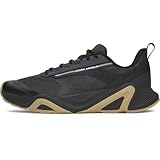
- Breathable mesh upper with leather overlays for added durability & versatility
- Full-length Charged Cushioning midsole for optimal balance of responsiveness & comfort
- Full rubber outsole with wrap up on sides for additional durability
- Style #: 6007140
- Offset: 6mm
What to check before you buy or wear a pair
- Stability: For lifting and lateral work, check whether the shoe feels steady underfoot rather than overly soft or curved.
- Cushioning: More cushioning can suit repeated running impact; a firmer feel may be preferable for lifting-focused sessions.
- Flexibility: The shoe should let you move naturally through the exercises you actually do.
- Traction: Make sure the outsole grips the gym floor for your movements.
- Fit: Check for adequate toe room and that the shoe holds your foot securely. ASICS and Under Armour both emphasize matching fit and features to the activity; see ASICS’s gym-use guidance and Under Armour’s training-shoe guide.
For lifting-specific choices, brands distinguish models by how stable or flexible they are. Nike’s UK guide, for example, positions its Metcon for lifting-focused sessions and Free Metcon for more dynamic strength and HIIT. These are Nike’s product recommendations, not independent comparative test results; review the model’s current specifications and make sure it fits your needs. See Nike’s guide to gym training shoes.
What’s actually slowing this PC down?
Pick the symptom - the matching free tool is one click away.
Quick Recap
Rank #4

- ABZORB HEEL CUSHIONING - IMEVA midsole with ABZORB heel pad absorbs impact and provides added cushioning for all-day comfort during training and everyday wear
- SUEDE LEATHER UPPER - Quality suede upper delivers a classic, durable look with supportive structure that molds comfortably to your foot over time
- LACE-UP CLOSURE - Traditional lace-up design allows you to adjust the fit for maximum comfort and a secure feel during workouts and daily activities
- CUSHIONED FOOTBED - Lightly cushioned footbed provides an extra layer of soft comfort underfoot, keeping you supported through long days on your feet
- DURABLE OUTSOLE - Sturdy outsole construction offers reliable traction and long-lasting durability on gym floors, sidewalks, and everyday surfaces
Rank #3

- The rubber outsole comes with built-in cutouts for flexibility. And there are thin slits in the forefoot for added flexibility.
- A full-length foam midsole offers comfort and cushioning.
- An elastic band around the heel supplies added support.
- The upper is made of mesh for lightweight, breathable, support. The mesh collar gives you soft comfort around your ankle.
- HV9972-003
A simple way to decide
- List the main activities in a typical session.
- If running takes up most of the workout, start with running shoes. If the session mixes lifting, jumping and lateral movement, start with cross-training shoes.
- If heavy lifting dominates, prioritize a firm, stable base and less cushioning than a typical running shoe.
- Try the shoe with the movements you expect to do, checking stability, traction, toe room and secure fit.
Product prices and availability are accurate as of the date/time indicated and are subject to change. Any price and availability information displayed on Amazon at the time of purchase will apply.

