Recommended Free Tools
Start with Calvin and Hobbes if what you love about Peanuts is a child’s imagination, a loyal companion and emotional warmth. Choose FoxTrot for a suburban family ensemble, school situations and pop-culture jokes. Pick Garfield for compact animal-centered gags, or try Pogo when you want denser language, satire and an earlier classic voice.
Those are recommendations by fit, not a popularity ranking. No current, directly comparable sales or readership figure covers all four strips, so there is no defensible “most popular” alternative. The useful question is which part of Peanuts you want more of: imagination, family comedy, fast gags, verbal play, social observation or a completed collection you can read in order.
| # | Preview | Product | Price | |
|---|---|---|---|---|
| 1 |
|
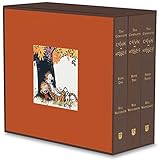
The Complete Calvin and Hobbes | $164.52 | Buy on Amazon |
| 2 |

|
The Essential Calvin and Hobbes: A Calvin and Hobbes Treasury (Volume 1) | $10.58 | Buy on Amazon |
| 3 |

|
The Calvin and Hobbes Portable Compendium Set 1 (Volume 1) | $9.67 | Buy on Amazon |
| 4 |

|
Calvin and Hobbes | $8.73 | Buy on Amazon |
| 5 |

|
The Indispensable Calvin and Hobbes: A Calvin and Hobbes Treasury | $11.74 | Buy on Amazon |
As an Amazon Associate I earn from qualifying purchases.
At a glance: which strip should you read after Peanuts?
| Strip | Best match for a Peanuts reader who wants… | Core comparison | Publication and collection note |
|---|---|---|---|
| Calvin and Hobbes | Childhood imagination, friendship and emotional warmth | A vivid child-and-companion relationship rather than Peanuts’ ensemble school-and-family viewpoint | Newspaper run began in 1985 and is complete; collected books are the natural way to read it in sequence |
| FoxTrot | A family cast, school life and contemporary references | A chaotic suburban ensemble rather than Peanuts’ quieter child psychology | Launched April 10, 1988; the official creator page says new strips are currently published every Sunday and that several dozen paperback collections exist |
| Garfield | Short, repeatable setups and punch lines built around an animal | A concentrated single-character gag rhythm rather than Peanuts’ broader conversations and reflective pauses | Joined Andrews McMeel’s catalog in 1994; collected editions are widely used for sampling the strip |
| Pogo | Wordplay, satire and a more literary classic style | Denser language and social observation rather than Peanuts’ plainspoken understatement | An earlier classic documented alongside Peanuts in museum and comic-strip histories; look for collected editions |
If you want one low-risk first purchase, choose a Calvin and Hobbes collection. If your favorite Peanuts moments involve many recurring personalities bouncing off one another, begin with a FoxTrot anthology instead.
Crashes, No Sound, or Screen Glitches?
Random freezes, missing sound and display glitches usually trace back to one bad driver. Find and replace yours safely.Free scan · under a minutePC Slower Than It Used to Be?
A free scan shows the junk files, broken settings and background clutter dragging Windows down - then fixes them in one click.Free scan · Windows 10 & 11Why Peanuts is a distinctive starting point
A landmark of the newspaper strip
TIME reports that the first daily Peanuts strip ran on October 2, 1950. Charles M. Schulz had previously drawn Li’l Folks; the syndicate selected the name Peanuts before publication even though Schulz objected to it. That origin matters because the strip entered the established newspaper-comic format rather than appearing as an isolated literary experiment.
#1 Best Overall
The Library of Congress places Peanuts within that broader history, showing it alongside newspaper-strip examples such as Bringing Up Father and Li’l Abner. A reader therefore comes to Peanuts with several overlapping expectations: a compact daily or Sunday unit, recurring characters, jokes that can stand alone, and a world that gradually gains emotional texture through repetition.
The qualities readers usually want to preserve
- Child-centered perspective: adults are present, but the emotional and comic action is usually filtered through children’s concerns.
- Recurring ensemble: different personalities create friction, affection and misunderstandings across many strips.
- Plainspoken dialogue: the language is accessible even when the underlying feeling is complicated.
- Quiet pauses: not every strip ends with a loud punch line; hesitation, disappointment and small kindnesses can carry the scene.
- Visual economy: a few panels and expressive poses do substantial storytelling work.
The alternatives below preserve some of those qualities while changing others. Treat the comparison as a set of trade-offs, not a claim that one strip replaces Schulz’s work in every respect.
Calvin and Hobbes: the closest imaginative successor
Why it fits
Calvin and Hobbes is the strongest next step when your favorite Peanuts element is the way a child’s inner life expands the ordinary world. Calvin is a child protagonist with an unusually vivid imagination, and Hobbes is his companion in a relationship that can move between play, argument, loyalty and reflection. That pairing gives the strip a tighter emotional center than Peanuts’ larger school-and-family ensemble.
The newspaper arrival came in 1985, according to the syndication history cited by Andrews McMeel. Andrews McMeel’s corporate timeline also records introducing Bill Watterson’s strip and publishing the first Calvin and Hobbes book. Those facts make collected books more than a convenient format: because the run is completed, a reader can work through the available collections without waiting for new installments.
Rank #2
What feels different from Peanuts
- Imagination is the engine: fantasy, play and Calvin’s interpretations of adult life occupy more space than the everyday school routines that often anchor Peanuts.
- A two-character center: Calvin and Hobbes provide a recurring relationship to follow, while Schulz’s strip distributes attention across a wider cast.
- Collection-friendly reading: a completed run supports a deliberate beginning-to-end sequence rather than an open-ended current strip.
How to start
- Choose a collected Calvin and Hobbes book rather than a random online excerpt if you want to see how the relationship and themes develop across adjacent strips.
- Read several strips in one sitting. The contrast between a one-panel idea, a short sequence and a longer Sunday page is part of the experience.
- Notice whether you respond more to the imaginative premises or to the quieter exchanges between Calvin and Hobbes. If it is the latter, you have identified the emotional feature that may keep you reading.
FoxTrot: family life, school and pop culture
The premise
The official creator page describes FoxTrot as a comic strip about “a chaotic suburban family comprised of three kids, two parents and one iguana,” whose members collide with pop culture, school, life and one another. Bill Amend writes and draws the strip. The same page says it is syndicated to newspapers and other print and online publications, with new strips currently published every Sunday.
The strip launched in newspapers on Sunday, April 10, 1988, according to the official FoxTrot FAQ. Its family structure makes it the most direct choice for a reader who likes the way Peanuts turns school, home and friendships into a continuing social world, but wants a more explicitly suburban household and more contemporary reference points.
Its main trade-off
FoxTrot is busier and more topical than the understated emotional rhythm many readers associate with Peanuts. Pop-culture jokes and family collisions can be the point of a strip, while Peanuts often lets a pause, a failed interaction or a small insecurity linger. If you prefer ensemble energy over introspection, that difference is an advantage; if you want quiet psychological observation, begin with Calvin and Hobbes instead.
What’s actually slowing this PC down?
Pick the symptom - the matching free tool is one click away.
Collection strategy
The official creator site says several dozen paperback collections have been published and recommends a larger anthology as the easiest way for a new reader to continue. A practical search is for a “FoxTrot paperback collection” or “FoxTrot anthology.” Check the edition, seller and any eligibility rules at the time you buy, because listings and availability can change.
Garfield: a tighter animal-centered gag rhythm
What changes
Garfield is the choice for readers who want the basic comic-strip mechanism to be more concentrated: a setup, an attitude and a punch line built around an animal character. Andrews McMeel’s official syndication history records Garfield joining its catalog in 1994. The Cartoon Art Museum also includes Garfield among major later comic-strip creators and titles discussed with Peanuts and Pogo.
Compared with Peanuts, the center of gravity is narrower. Instead of a broad cast carrying conversations about friendship, school and disappointment, the strip repeatedly returns to Garfield’s behavior and the reactions it provokes. That structure makes individual strips easy to sample and revisit, especially when you want a quick laugh rather than a developing emotional arc.
When it is the right next read
- Choose it if you prefer recurring comic situations to longer character development.
- Choose it if an animal protagonist is more appealing than a child-centered ensemble.
- Choose it if you want a strip that can be read in short bursts without establishing a sequence first.
Do not select Garfield expecting the same balance of vulnerability and reflective silence found in Peanuts. Its appeal lies in repetition, timing and the recognizable return of a central comic personality.
Pogo: denser language and social observation
An earlier classic with a different reading demand
The Cartoon Art Museum places Walt Kelly’s Pogo beside Schulz’s Peanuts in its account of classic comic-strip art. That shared historical status does not mean the strips read alike. Pogo asks more of the reader at the sentence level: wordplay, dialect, satire and layered references create a denser verbal texture than Peanuts’ direct dialogue.
Rank #4
Choose it when you are willing to trade some immediate accessibility for literary pleasure and social observation. The animals and setting provide a flexible stage for arguments, political echoes and comic misunderstandings. A reader who enjoys decoding language may find more to revisit here than in a purely setup-and-punch-line strip.
How to approach it
- Start with a collected edition and read at a pace that lets unfamiliar phrases settle.
- Read dialogue aloud when a line seems especially compressed; sound and rhythm often clarify the joke.
- Keep the historical distance in mind. Satire and references can reflect the era in which the strip was produced, so not every allusion will be instantly transparent.
Pogo is not the closest substitute if your priority is a child protagonist or a simple first read. It is the best alternative here for readers who want to see how the newspaper strip can function as both comedy and literary social commentary.
Choose by the feature you miss most
| If your favorite part of Peanuts is… | Try first | Why |
|---|---|---|
| A child’s private imagination | Calvin and Hobbes | Calvin’s inner world and his relationship with Hobbes make imagination the organizing principle. |
| Friendship with emotional warmth | Calvin and Hobbes | The child-and-companion bond gives the strip a sustained emotional through-line. |
| School and family interactions | FoxTrot | Its three children, two parents and iguana create a larger household ensemble. |
| Contemporary jokes and references | FoxTrot | The official description explicitly centers collisions with pop culture, school and daily life. |
| Fast, repeatable gags | Garfield | The strip concentrates its rhythm around an animal character and recurring setups. |
| Wordplay and satire | Pogo | Its denser language and social observation reward slower, more attentive reading. |
| A finished body of work | Calvin and Hobbes | The newspaper run is complete, and collected books support sequential reading. |
| A currently appearing Sunday strip | FoxTrot | The official creator page says new strips are currently published every Sunday. |
Reading paths that work in practice
For a physical book
Search for a “Calvin and Hobbes book collection” when you want the completed imaginative successor. Andrews McMeel’s timeline confirms the first Calvin and Hobbes book, so collected editions are an established part of the strip’s publishing history.
Free tools Windows power users keep installed
One-click scans. No signup required.
For the family option, search for a “FoxTrot paperback collection” or “FoxTrot anthology.” The official creator site confirms that many paperback collections exist and identifies a larger anthology as an easy entry point. Verify the current edition, seller and any program eligibility before ordering.
For sampling before committing
- Read a small set of Calvin and Hobbes strips to test imagination and friendship.
- Read a comparable set of FoxTrot strips to test whether family ensemble and topical references suit you better.
- Sample Garfield when you want the shortest route to a recognizable gag pattern.
- Try Pogo in a collected edition when verbal density and satire are the reason you are exploring older comics.
For reading in historical context
Begin with Peanuts’ 1950 starting point, then move to Pogo for an earlier classic tradition, Calvin and Hobbes for the 1985 generation of newspaper imagination, FoxTrot for the 1988 family-and-pop-culture format, and Garfield as the later catalog addition recorded in 1994. These dates identify publication milestones; they do not establish a quality ranking.
Common mismatches to avoid
- Expecting an exact replacement: each recommendation changes at least one defining feature of Peanuts.
- Choosing by date alone: an older or newer strip is not automatically closer in tone; compare cast, humor rhythm and language.
- Assuming “classic” means identical accessibility: Pogo’s wordplay may require more attention than Peanuts’ plainspoken exchanges.
- Buying without checking the edition: collection names, sellers and availability can vary, particularly for paperback anthologies.
- Treating current publication as a guarantee of a specific format: the official FoxTrot page says new strips are currently Sunday publications, while collected-book availability is a separate question.
The short verdict
Calvin and Hobbes is the best first alternative for most readers who are leaving Peanuts because they love childhood imagination, companionship and feeling. FoxTrot is the better match for a family ensemble and school-and-pop-culture comedy. Garfield delivers the most concentrated animal gag rhythm. Pogo is the rewarding choice when you want to stretch from Schulz’s understatement toward denser language and satire.
Start with the strip that matches the specific pleasure you want to preserve, then use the others as deliberate changes of pace rather than as substitutes that must imitate Peanuts.
The Tool Desk
Outbyte PC Repair FREERepair Windows errors before they cause bigger problemsFix Now →Outbyte Driver Updater FREEScan for outdated or missing drivers - takes under a minuteDriver Scan →Quick Recap
Product prices and availability are accurate as of the date/time indicated and are subject to change. Any price and availability information displayed on Amazon at the time of purchase will apply.

