For routine software maintenance, a Chromebook is usually easier. ChromeOS checks for and downloads updates automatically whenever the device is online, so there is little for the owner to manage beyond restarting when prompted and checking the model’s support deadline. A Windows laptop requires more decisions, but it also offers more recovery levels when something goes wrong: startup repair, update removal, restore points, reset options and reinstall media.
That is a difference in documented software workflows, not proof that one platform is physically more repairable, always recovers faster or costs less to repair. The practical choice depends on how much maintenance you want to perform, how much local data you keep, whether you can prepare recovery media, and the exact laptop model and operating-system version.
As an Amazon Associate I earn from qualifying purchases.
What “easier to maintain and recover” actually means
Maintenance covers recurring work such as operating-system updates, restarts, storage cleanup, driver handling and checking whether security support is still available. Recovery covers the actions you take after a failed update, corrupted system files, a startup problem or a device that no longer behaves normally.
Quick wins for a faster PC:
Repair Windows errors before they cause bigger problemsFix Now →Fix the driver behind crashes, sound loss and screen glitchesFind Drivers →Clear out junk files and repair common Windows errorsFree Scan →Chromebooks and Windows laptops approach those jobs differently:
#1 Best Overall

- High-speed USB 3.0 performance of up to 150MB/s(1) [(1) Write to drive up to 15x faster than standard USB 2.0 drives (4MB/s); varies by drive capacity. Up to 150MB/s read speed. USB 3.0 port required. Based on internal testing; performance may be lower depending on host device, usage conditions, and other factors; 1MB=1,000,000 bytes]
- Transfer a full-length movie in less than 30 seconds(2) [(2) Based on 1.2GB MPEG-4 video transfer with USB 3.0 host device. Results may vary based on host device, file attributes and other factors]
- Transfer to drive up to 15 times faster than standard USB 2.0 drives(1)
- Sleek, durable metal casing
- Easy-to-use password protection for your private files(3) [(3)Password protection uses 128-bit AES encryption and is supported by Windows 7, Windows 8, Windows 10, and Mac OS X v10.9 plus; Software download required for Mac, visit the SanDisk SecureAccess support page]
| Concern | Chromebook with ChromeOS | Windows laptop |
|---|---|---|
| Routine updates | ChromeOS automatically checks for and downloads updates when connected to the internet. A restart may be required to finish installation. | Windows provides update and recovery troubleshooting choices, but the exact choices depend on the Windows version, configuration and laptop manufacturer. |
| When the device still boots | Restart, perform a factory reset when appropriate, or use a hardware reset. These are separate actions with different effects. | Try less disruptive repair options first, then remove a recent update, use System Restore, reset Windows or reinstall it if necessary. |
| When the operating system will not start | ChromeOS recovery reinstalls the operating system. Newer models may recover over the internet; older models may require USB media or may not support recovery. | Windows Recovery Environment can offer Startup Repair, System Restore, update removal, Reset this PC and other tools. A recovery drive or installation media provides another route. |
| Data risk | ChromeOS recovery permanently erases local files. A factory reset also removes local accounts, settings and data. | Reset this PC can keep personal files or remove everything. Apps and settings are removed even when personal files are retained. |
| Preparation | USB recovery requires a flash drive with at least 8 GB that you are willing to erase. | A Recovery Drive must be created before you need it and does not contain personal files. Manufacturer media can include model-specific drivers and factory applications. |
In short, ChromeOS reduces the number of maintenance decisions. Windows exposes more controls, which can be valuable during a difficult failure but can also make recovery feel more complicated.
Why a Chromebook is usually easier for everyday upkeep
Automatic ChromeOS updates
When a Chromebook is online, ChromeOS checks for updates and downloads them automatically. You generally only need to restart when the system asks you to complete the installation. This avoids manually finding an operating-system package, selecting a driver, or deciding which update to remove after every routine release.
Automatic updating does not mean a Chromebook is supported forever. Google’s current policy provides up to 10 years of automatic updates for eligible Chromebooks, but the final date is specific to each device. Eligibility and extended-update conditions can differ, especially for older models. Before buying or deploying one, open Google’s Chromebook update schedule and check the exact model’s “Auto Update Expiration” date. Treat that date as a lifecycle deadline, not as a promise that every component will remain useful until then.
Fewer maintenance choices can be an advantage
ChromeOS is designed around a relatively small set of supported actions. You are less likely to encounter separate driver packages, multiple Windows editions, or a manufacturer-specific recovery partition. For a family member, classroom or small office that mainly uses web applications, this simplicity can reduce support calls and accidental changes.
The trade-off is that ChromeOS gives you fewer intermediate repair tools. If an update or system component is damaged, the documented full recovery path reinstalls ChromeOS rather than offering the same range of component-level repairs available in Windows.
How to troubleshoot a Chromebook before recovery
Do not jump directly to OS recovery. Google distinguishes a normal restart, a factory reset (Powerwash), a hardware reset and ChromeOS recovery. Use the least destructive action that matches the symptom.
1. Restart normally
- Save work and close open tabs or applications.
- Select the status area in the lower-right corner of the screen.
- Select the power icon, then choose Restart.
- Test the problem after ChromeOS loads again.
A restart is appropriate for a temporary freeze, a stalled update or a peripheral that stopped responding. It does not erase local files.
2. Perform a factory reset (Powerwash)
Use a factory reset when the Chromebook boots but you need to remove user accounts, settings and locally stored data, such as before handing the device to another person or after persistent software problems. Back up files first. Files stored only in the Chromebook’s local storage, including items in Downloads, can be lost.
- Sign out of the Chromebook.
- Press
Ctrl+Alt+Shift+R. - Select Restart.
- In the reset dialog, select Powerwash, then Continue.
- Follow the on-screen instructions and sign in again after the reset completes.
Powerwash is not the same as reinstalling ChromeOS. It resets the user environment while the installed operating system remains in place.
Rank #2

- [Package Offer]: 2 Pack USB 2.0 Flash Drive 32GB Available in 2 different colors - Black and Blue. The different colors can help you to store different content.
- [Plug and Play]: No need to install any software, Just plug in and use it. The metal clip rotates 360° round the ABS plastic body which. The capless design can avoid lossing of cap, and providing efficient protection to the USB port.
- [Compatibilty and Interface]: Supports Windows 7 / 8 / 10 / Vista / XP / 2000 / ME / NT Linux and Mac OS. Compatible with USB 2.0 and below. High speed USB 2.0, LED Indicator - Transfer status at a glance.
- [Suitable for All Uses and Data]: Suitable for storing digital data for school, business or daily usage. Apply to data storage of music, photos, movies, software, and other files.
- [Warranty Policy]: 12-month warranty, our products are of good quality and we promise that any problem about the product within one year since you buy, it will be guaranteed for free.
3. Use a hardware reset only for hardware-level symptoms
Google documents a hardware reset as a separate step for problems such as an unresponsive keyboard, touchpad or embedded controller. The key combination varies by Chromebook model. A hardware reset might delete some files in the Downloads folder, so copy important local files elsewhere first and follow the instructions for the exact model.
4. Use ChromeOS recovery when the operating system cannot start
Google describes recovery as: “Recovery removes and reinstalls the OS.” It is the most destructive Chromebook software step and permanently erases files on the device’s hard drive. Back up before starting whenever the Chromebook can still boot.
Free tools Windows power users keep installed
One-click scans. No signup required.
Newer Chromebooks may offer recovery over the internet. Older devices may require a USB recovery drive, and some older models no longer support internet recovery. The model and age therefore determine both the available method and the preparation you need.
Preparing a USB recovery drive
- Use another computer with internet access to obtain Google’s Chromebook Recovery Utility.
- Insert a USB flash drive with capacity of at least 8 GB.
- Select the Chromebook model or enter its model number in the utility.
- Choose the USB drive and start creation of the recovery media.
- Confirm the erase warning. Preparing the drive removes its existing contents.
- Insert the finished drive into the affected Chromebook and follow the recovery-screen instructions.
Use a drive you have already backed up or one intended only for this purpose. Recovery media is not a backup of your personal files.
What Windows offers when something goes wrong
Windows has a deeper recovery ladder. The labels and availability vary by Windows version, encryption state and laptop maker, but Microsoft’s guidance follows a sensible progression: start with the least disruptive option that addresses the failure, and escalate only when necessary.
Windows Recovery Environment (WinRE)
After repeated startup failures, Windows may launch Windows Recovery Environment automatically. You can also reach it from a working installation by opening Settings > System > Recovery > Advanced startup > Restart now (the wording can vary by version), or by booting from compatible installation or recovery media.
The Tool Desk
Outbyte PC Repair FREERepair Windows errors before they cause bigger problemsFix Now →Outbyte Driver Updater FREEFix the driver behind crashes, sound loss and screen glitchesFind Drivers →Common WinRE choices include:
- Startup Repair: attempts to fix files or configuration that prevent Windows from starting.
- Uninstall Updates: removes a recent quality or feature update when the failure began after updating.
- System Restore: returns system files and settings to an earlier restore point, when one exists.
- Startup Settings: provides alternate startup modes for diagnosing drivers and services.
- Reset this PC: reinstalls Windows with a choice about personal files.
These tools give Windows owners more chances to repair the installation without immediately wiping it, but each choice requires understanding what it changes.
Reset this PC: “Keep my files” versus “Remove everything”
Microsoft’s “Keep my files” option reinstalls Windows while retaining personal files, but it removes installed apps and settings. You must reinstall desktop programs and configure preferences again. It is not a way to preserve the entire working environment.
“Remove everything” removes personal files, apps and settings. Choose it only after a verified backup, or when you intentionally want a clean start before transferring or disposing of the laptop.
Rank #3

- [Package Offer]: 1 Pack USB Flash Drive 8GB Available in black.
- [Plug and Play]: No need to install any software, Just plug in and use it. The metal clip rotates 360° round the ABS plastic body which. The capless design can avoid lossing of cap, and providing efficient protection to the USB port.
- [Compatibilty and Interface]: Supports Windows 7 / 8 / 10 / Vista / XP / 2000 / ME / NT Linux and Mac OS. Compatible with USB 2.0 and below. High speed USB 2.0, LED Indicator - Transfer status at a glance.
- [Suitable for All Uses and Data]: Suitable for storing digital data for school, business or daily usage. Apply to data storage of music, photos, movies, software, and other files.
- [Warranty Policy]: 12-month warranty, our products are of good quality and we promise that any problem about the product within one year since you buy, it will be guaranteed for free.
- Open Settings > System > Recovery.
- Select Reset this PC and choose Reset PC.
- Select Keep my files or Remove everything.
- Choose the available reinstall source, such as cloud download or local reinstall, if Windows presents that choice.
- Review the displayed consequences and confirm.
If device encryption or BitLocker is enabled, Windows may ask for the BitLocker recovery key. Find and record that key before a crisis; without it, encrypted data can remain inaccessible during recovery.
Do these 3 things before closing this tab:
1Clear out junk files and repair common Windows errors2Fix the driver behind crashes, sound loss and screen glitches3Repair Windows errors before they cause bigger problemsRecovery Drive and installation media
A Windows Recovery Drive must be created in advance while the laptop is working. Microsoft explicitly states that “The Recovery Drive doesn’t include your personal files.” Copy documents, photos and other data to a separate backup location.
For a laptop that needs factory drivers, firmware utilities or bundled applications, check the manufacturer’s recovery-media instructions. Microsoft recommends manufacturer media when possible because it can contain hardware-specific drivers and factory software that generic Windows media may not include.
Which platform is easier when the laptop will not boot?
Chromebook failure path
A Chromebook’s path is shorter: restart if possible, then Powerwash or hardware reset for a booting device, and finally ChromeOS recovery for an operating-system failure. The short path is easy to remember, but the final step erases local data and may require model-specific media.
Windows failure path
Windows usually offers more branches. WinRE can try Startup Repair, remove an update or use a restore point before you reset. If those fail, a reset can preserve personal files or remove everything. A recovery drive or manufacturer media can help when the internal recovery tools are unavailable.
The extra options are useful only if you recognize the symptom and understand the data consequences. A user who wants one obvious procedure may find ChromeOS less intimidating; a technically confident user may prefer Windows’ ability to attempt several repairs before reinstalling.
Data protection should come before either platform’s recovery
Recovery tools are not backups. Create a separate copy of important files before experimenting with resets or OS reinstallation.
- Keep documents and photos in a synchronized cloud service or on an external drive.
- Export browser data, password-manager vaults and application-specific files according to those services’ instructions.
- For Windows, save the BitLocker recovery key in a secure location separate from the laptop.
- For a Chromebook, copy files stored locally, especially the Downloads folder, before Powerwash, hardware reset or recovery.
- Test that a backup can actually be opened before erasing the original.
Chromebook recovery always permanently erases local files. Windows recovery may preserve personal files, but that option still removes applications and settings, and a failed drive or damaged file system can make preservation impossible.
Independent reader supportYour contribution helps us test, update, and keep practical guides available for everyone.Support life matters more than update convenience
Chromebook lifecycle
Google’s 10-year automatic-update policy is measured from the device’s established schedule, not from the day you purchase a used unit. A Chromebook bought late in its lifecycle may have far less than 10 years of remaining support. Check the exact model’s final update date in Google’s schedule and in the device settings before buying.
Rank #4
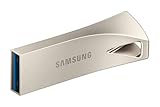
- MOVE FILES IN A FLASH: Fast and convenient read speeds up to 300 MB/s* with the latest USB 3.1 standard give you more time to work, play, watch, and create; Send a 3GB 4K UHD video file from your Bar Plus to your PC in just 10 seconds**
- RUGGED REFINEMENT: As strong as it is stylish; The sturdy metal body keeps your data safe and intact, and the integrated keyring prevents accidental misplacement or loss; The Bar Plus is the ideal combination of stunning design and worry-free durability
- TOUGH & TRUSTED: The Bar Plus a trustworthy drive to store your valuable data; It works through it all with a waterproof, shock-proof, temperature-proof, magnet-proof, and X-ray-proof body, all backed by a 5-year limited warranty***
- WORLD'S #1 FLASH MEMORY BRAND: Experience the performance and reliability from the world's #1 brand for flash memory since 2003;**** All firmware & components, including Samsung's world-renowned DRAM & NAND, are produced in-house
When automatic updates end, the Chromebook may continue to start, but it no longer receives the same ongoing ChromeOS updates under the supported schedule. That can affect security and application compatibility. An older model may also have fewer recovery options.
Windows lifecycle
Microsoft says Windows 10 support ended on October 14, 2025. After that date, free Windows Update software updates, technical assistance and security fixes for Windows 10 ended. A Windows laptop still running Windows 10 therefore needs a supported upgrade path or a replacement plan; recovery tools do not extend the operating system’s support lifecycle.
Check the exact Windows edition and version installed on the laptop, and verify whether the hardware supports a currently supported Windows release. The manufacturer’s driver and firmware support can also affect long-term maintainability.
A practical decision framework
Choose a Chromebook when
- You want updates to download automatically with minimal intervention.
- Your work is primarily browser-based and you store important files away from local storage.
- You prefer a short recovery procedure and can accept that full recovery erases local data.
- You have checked the exact model’s remaining update life.
Choose a Windows laptop when
- You need traditional desktop applications, specialized peripherals or deeper system controls.
- You want several repair attempts before reinstalling the operating system.
- You are willing to maintain backups, recovery media and, where applicable, a BitLocker recovery key.
- You can identify the installed Windows version and obtain manufacturer-specific recovery resources.
Ask these questions before purchase or deployment
- What is the exact model, and when does its operating-system support end?
- Where will personal files live if the device must be reset tomorrow?
- Can you create and safely store recovery media before the first failure?
- For Windows, does the manufacturer provide compatible recovery media and drivers?
- For a Chromebook, does this model support internet recovery, USB recovery, or both?
- Who will perform the recovery, and will that person understand which choices erase data?
Common mistakes and how to avoid them
Assuming “automatic updates” means no lifecycle check
Automatic installation is convenient only while the model remains eligible. Verify the Chromebook’s final update date and the Windows release’s support status.
Windows Errors? Fix Them Before They Spread
Repair common Windows errors and clear accumulated junk for a smoother, more stable PC - no reinstall needed.Free scan · no reinstallOutdated Drivers Are Slowing You Down
One free scan finds every outdated or missing driver and matches the right update for your exact hardware.Free scan · exact hardware matchTreating every reset as the same
Chromebook Powerwash, a Chromebook hardware reset and ChromeOS recovery have different purposes. In Windows, “Keep my files” and “Remove everything” have materially different consequences. Read the confirmation screen instead of choosing the first reset button you see.
Believing recovery media contains a backup
Neither a Chromebook USB recovery drive nor a Windows Recovery Drive is a copy of your documents. Recovery media restores system software; maintain personal backups separately.
Using generic Windows media without checking the manufacturer
A generic reinstall may leave you searching for model-specific drivers or factory utilities. Check the manufacturer’s support instructions first, especially for unusual hardware, storage controllers or firmware tools.
Starting with the most destructive step
Try a restart and the least disruptive repair available. Escalate to Powerwash, reset or full OS recovery only after confirming the backup and understanding what will be removed.
Recommended Free Tools
Bottom line: which is easier?
A Chromebook is generally easier to maintain because ChromeOS updates itself and presents fewer routine choices. It is also straightforward to recover when you accept the central limitation: full ChromeOS recovery reinstalls the operating system and permanently erases local files, while older models may need USB media or lack newer recovery methods.
A Windows laptop is more involved but more flexible. Windows Recovery Environment can attempt startup repair, remove a recent update or use a restore point before you reset. “Keep my files” preserves personal files but still removes apps and settings, and “Remove everything” wipes the installation. Manufacturer media, backups and a BitLocker key can determine whether those choices work smoothly.
For either platform, the best maintenance decision is model-specific: verify support life, keep independent backups and prepare the recovery method before the device fails.
Quick Recap
Product prices and availability are accurate as of the date/time indicated and are subject to change. Any price and availability information displayed on Amazon at the time of purchase will apply.
What’s actually slowing this PC down?
Pick the symptom - the matching free tool is one click away.

