The safest approach is to reduce both heat and smoke exposure at the same time: check your local HeatRisk and Air Quality Index (AQI) forecast, stay in a cool indoor room with filtered, recirculated air when smoke is present, postpone strenuous outdoor activity, and use a properly fitted NIOSH-approved N95 or P100 respirator when you must be outside. Watch for heat-illness and breathing symptoms, and follow evacuation or emergency instructions before any general guidance.
Start with the conditions, not the clock
Extreme heat and wildfire smoke can peak at different times. The coolest part of the day is not automatically the cleanest: smoke can settle overnight or move into an area after temperatures begin to fall. Check both your local heat forecast and smoke forecast before deciding when to work, exercise, travel or open windows.
As an Amazon Associate I earn from qualifying purchases.
- Use your local HeatRisk forecast to see how dangerous the expected heat is for the day and for people with health conditions.
- Check the Air Quality Index (AQI) forecast from AirNow or your state or local air-quality agency.
- Look for wildfire evacuation orders, shelter information and cooling-center announcements. Local emergency instructions take priority over general health advice.
- Recheck conditions before leaving and again during a long outdoor activity. Wind shifts and fire behavior can change smoke levels quickly.
Plan around the combination of heat, smoke, time outdoors, physical effort, your health and whether you can reach a cool, clean-air location. If any of those factors worsen, shorten or cancel the activity.
Free tools Windows power users keep installed
One-click scans. No signup required.
Make one room a cool, clean-air refuge
When smoke is outdoors, the most effective protection is to spend less time outside and keep polluted air from entering your home. Choose a room that can be closed off, has the best available cooling and can accommodate the people and pets who need to stay there.
#1 Best Overall

- NIOSH APPROVED: For at least 95 percent filtration efficiency against certain non-oil based particles
- COMPATIBLE: With a variety of protective eyewear and hearing protection
- ADJUSTABLE NOSECLIP: Reduces potential for eyewear fogging and helps provide a custom and secure seal
- TWO-STRAP DESIGN: With welded dual point attachement that helps provide a secure fit
- APPLICATIONS: Gringing, sanding, sweeping, bagging, and other dusty operations. Metalworking, chemical processing, construction, and metal processing
Set up the room
- Close windows and exterior doors. Check that they latch and that obvious gaps are sealed. Avoid opening them for ventilation while outdoor smoke is heavy.
- Set heating and cooling systems to recirculate. If your air conditioner, heat pump or central HVAC system has a recirculation setting, use it rather than bringing in outdoor air. Follow the equipment manufacturer’s filter and maintenance requirements.
- Run an ozone-free portable air cleaner. Select a unit with particle-filtration performance appropriate for the room. Keep the intake and exhaust clear, and replace filters according to the manufacturer’s schedule or when they become loaded with smoke.
- Block direct sun. Close shades, curtains or blinds on sun-facing windows during the hottest part of the day.
- Use fans carefully. A fan can move air around a room or help after the room has cooled, but the CDC warns that a fan should not be relied on when indoor temperature is above 90°F (32°C); at that temperature it can raise body temperature rather than protect you.
- Keep indoor activities low-exertion. Cooking with a gas stove, burning candles, smoking or using other combustion sources adds indoor pollutants and heat. Avoid them while the room is serving as your clean-air refuge.
A portable cleaner does not make it safe to ignore evacuation orders or to stay in a building that is dangerously hot. If your home cannot remain cool and smoke-free, identify a cooling center, public building or other safer location before conditions become severe.
Reduce the dose you receive outdoors
EPA says, “The most effective way to protect yourself during wildfires is to limit your time outdoors when there is smoke in the air.” Reschedule exercise, yard work and other heavy tasks for a cooler, less smoky period if the forecast shows one. If smoke and heat remain high all day, move the activity indoors or postpone it.
- Lower the intensity and duration of physical effort. Take frequent breaks in shade or in your cool, clean-air room.
- Wear loose, lightweight clothing and a brimmed hat or other sun protection.
- Drink water regularly. During prolonged sweating, an electrolyte beverage can help replace salts; do not wait until you are very thirsty.
- Use the cleanest available route and location. A short trip through heavy smoke can produce a larger dose than a longer trip through clearer air.
- Do not assume a vehicle is automatically protected. Keep windows closed and set the ventilation system to recirculate when driving through smoke.
When conditions are changing, use the current AQI and smoke map rather than yesterday’s experience. Visibility, smell and temperature alone cannot reliably tell you how much fine particulate matter is present.
Rank #2

- NIOSH-APPROVED: Organic Vapor/P100 combination cartridge helps reduce expose to certain organic vapors and provides at least 99.97% filtration efficiency against solids, liquid aerosols, and oil-based particulate
- OIL-PROOF FILTERS: Included P100 particulate filters are oil-proof (Use according to manufacturer’s time use restrictions when oil aerosols are present)
- USE FOR: Relief from certain non-harmful particles and annoying odors
- KIT INCLUDES: One facepiece and one pair of replaceable organic vapor/P100 combination cartridges (#60921)
- 3M BAYONET CONNECTION: Makes it compatible with a wide range of 3M cartridges and filters
Choose and wear a respirator correctly
If you must be outside in wildfire smoke, a tight-fitting, NIOSH-approved respirator can substantially reduce inhalation of fine particles. Look for the word “NIOSH” and the filter class printed on the respirator or its packaging. N95 and P100 models are examples of particulate respirators; they are not the same as loose face coverings.
What the evidence supports
| Respirator or covering | What is established | Important limitation |
|---|---|---|
| NIOSH-approved N95 | More than 95% efficient at removing wildfire-smoke particles in the PM2.5 size fraction, according to 2025 U.S. EPA guidance | Only works as intended when it fits and seals; it does not remove every gas or vapor in wildfire smoke |
| NIOSH-approved P100 | High-efficiency particulate filtration; the filter class is marked on the approved product | Still requires a tight face seal and can make breathing and heat management harder |
| Cloth mask, surgical mask, bandana or neck gaiter | Not designed to filter fine wildfire-smoke particles; AirNow states that cloth masks will not protect you from wildfire smoke | Loose edges allow smoke to leak around the covering |
EPA reports filter efficiencies of at least 96% for smaller particles and 99.5% for larger particles in the cited testing context. CDC and NIOSH state that a correctly worn respirator can reduce exposure by a minimum of 10 times. Those figures describe filtration or exposure reduction under the specified conditions; they are not a guarantee that all smoke hazards are removed.
Fit the respirator
- Choose a size that covers your nose, mouth and chin.
- Use a model with two head straps. Ear-loop designs generally cannot provide the same seal required for a tight-fitting respirator.
- Place the upper strap high on the back of your head and the lower strap below your ears. Adjust the nose area and straps until the respirator sits firmly without gaps.
- Perform the model’s user seal check each time you put it on. Air should not leak around the edges when you inhale or exhale.
- Keep facial hair out of the sealing area. Beards, stubble and some hairstyles can prevent a reliable seal.
Replace a respirator when it becomes damaged, dirty, difficult to breathe through or unable to maintain a seal. Follow the product’s instructions for storage and reuse; do not share a used respirator.
Rank #3

- 20-pack NIOSH Approved N95 Respirator Mask - (NIOSH Approval Number: TC-84A-9315) - N95 mask certified for protection against 95% of non-oil based particles 0.3microns or larger. Size Medium/Large. Elastic bands go over the head, not over the ears.
- MADE IN USA – Manufactured by BNX Converting LLC in Houston TX, a NIOSH/CDC Approved and FDA Registered (Registration # 3017489417) manufacturer of N95 mask respirators.
- Superior Protection & Breathability - BNX’s 5-layer filtration technology provides maximum protection, comfort and breathability. The active filter layer of these N95 masks is composed of ultra-high grade electrostatically charged meltblown polypropylene. Extremely breathable up to 50%+ more breathable than NIOSH minimum requirement.
- Latex Free Enhanced Comfort and Secure Fit - Features latex free and amazingly soft and durable headband straps as well as an adjustable metal nose piece to ensure a tight yet comfortable seal. Please follow all recommended fitting instructions and guidelines to ensure proper fit and protective seal. Flat fold design allows for convenient storage prior to use. Improved 3D design provides room for your mouth to move when you speak and greater compatibility with and reduced fog on eyewear.
- BNX Quality Promise & Applications - BNX is committed to delivering the highest quality American made safety products using the latest automated manufacturing processes and technology and the strictest quality standards. Our N95 respirator masks are ideal for use by industries such as: Commercial Buildings, Construction, Food Processing & Safety, Retail, Manufacturing, Infrastructure, Education, Oil & Gas, Transportation, and mor
Balance smoke protection with heat safety
A respirator can make breathing feel harder and can increase heat stress, especially during exercise or physical work. Treat smoke protection and heat protection as one decision rather than two separate checklists.
Crashes, No Sound, or Screen Glitches?
Random freezes, missing sound and display glitches usually trace back to one bad driver. Find and replace yours safely.Free scan · under a minuteWindows Errors? Fix Them Before They Spread
Repair common Windows errors and clear accumulated junk for a smoother, more stable PC - no reinstall needed.Free scan · no reinstall- Take regular breaks in a cool, cleaner-air location.
- Drink water before, during and after outdoor work or travel.
- Reduce pace, load and duration when wearing a respirator in hot weather.
- Remove the respirator only after moving to cleaner air or indoors, not in the middle of a smoky area.
- If you develop breathing difficulty, dizziness, unusual weakness, confusion or signs of overheating, stop, move to a cool place and seek help.
People with asthma, chronic lung disease, heart disease or pregnancy should ask a clinician how to balance respirator use, medications and exertion. Do not change or stop prescribed medicines because of heat or smoke without medical advice.
Use a practical decision framework
Before an activity, consider all five factors below. A high-risk combination calls for postponement or relocation, not simply a different mask.
Rank #4
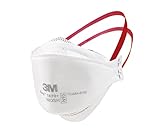
- Fluid resistant and disposable
- Flat-fold design and individual packaging
- Sculpted top panel allows more room for eyewear
- Innovative chin tab for ease of positioning, donning, adjustment
- Embossed top panel helps reduce eyewear fogging
| Factor | Lower-risk choice | Higher-risk signal |
|---|---|---|
| Heat forecast | Cooler period with a plan for shade and cooling | HeatRisk indicates dangerous conditions or indoor space is already very hot |
| Smoke forecast | Air is clear enough for the planned duration and exertion | AQI is worsening, smoke is visible or local officials advise limiting outdoor time |
| Effort | Brief, light activity with breaks | Running, lifting, firefighting support, construction or other sustained heavy work |
| Health status | No condition or medicine that increases heat or breathing risk | Child, older adult, pregnancy, asthma, heart or lung disease, or heat-sensitive medication |
| Recovery location | Immediate access to a cool, clean-air room | No reliable cooling, filtration, shade or transportation to a safer place |
If the higher-risk signals outweigh the safeguards, stay indoors, use a cooling center or relocate temporarily. Arrange that decision before the forecast peaks.
Independent reader supportYour contribution helps us test, update, and keep practical guides available for everyone.Plan specifically for people at higher risk
Heat and smoke can affect people differently. Extra planning is important for:
- Children, who may heat up quickly and may not recognize or communicate symptoms early.
- Adults age 65 and older.
- Pregnant people.
- People with asthma, heart disease, lung disease or other chronic conditions.
- People taking medicines that affect hydration, sweating, blood pressure or temperature regulation.
- Outdoor workers and anyone who cannot control the timing or intensity of physical effort.
Ask a clinician or pharmacist about medication and respirator questions before an emergency. Never stop or alter medication on your own. Make a written plan that identifies transportation, a cooling center or alternate residence, needed medicines, mobility equipment and someone who can check in.
Best Value

- NIOSH-APPROVED N95 for at least 95 percent filtration efficiency against certain non-oil-based particles and aerosols
- 3M COOL FLOW EXHALATION VALVE helps direct exhaled air downward and allows for easy breathing
- UP TO 50% EASIER BREATHING. Compared to non-valved 3M 8200 Testing
- ADVANCED FILTER MEDIA for easy breathing
- ADJUSTABLE M-NOSECLIP helps provide a custom and secure seal
Check on neighbors, relatives and friends who live alone. A phone call may reveal that someone has lost air conditioning, cannot close windows, is running out of water or is developing symptoms but does not realize the danger.
Recognize heat illness early
Early heat symptoms can include feeling unwell, headache, sweating or intense thirst, nausea, lightheadedness, fatigue, heat rash and muscle cramps. At the first sign, stop exertion and move to a cool place. Loosen excess clothing, cool the skin and sip water if the person is alert and able to swallow.
Get immediate medical help for emergency signs
Call emergency services for fainting or loss of consciousness, severe weakness, extreme fatigue, severe nausea, difficulty speaking, serious breathing trouble or heart symptoms. Do not leave a severely ill person alone or make them continue walking through heat or smoke. Follow the emergency operator’s instructions while waiting for help.
Breathing symptoms can reflect smoke exposure, heat illness or an underlying heart or lung problem. People with a known respiratory or cardiac condition should use their clinician-provided action plan and seek care earlier if symptoms are unusual, worsening or not relieved by prescribed treatment.
Prepare before the next smoke or heat wave
- Save local HeatRisk, AQI, emergency-management and evacuation resources on your phone.
- Identify the coolest room in your home and test the air cleaner, air conditioner or heat pump before an emergency.
- Keep spare respirators in more than one accessible location, and check that they are NIOSH-approved, undamaged and available in sizes that fit household members.
- Stock water, electrolyte beverages, medicines, chargers, battery-powered fans and supplies for children, older adults and pets.
- Know two routes to a cooling center or other clean-air location, and confirm transportation for anyone who cannot drive.
- Agree on a check-in schedule with people who live alone or work outside.
Local AQI, HeatRisk, smoke location, evacuation orders and cooling-center availability are volatile. Recheck them whenever conditions or official instructions change. This guidance supplements, but does not replace, individualized medical advice or emergency directions.
Quick Recap
Product prices and availability are accurate as of the date/time indicated and are subject to change. Any price and availability information displayed on Amazon at the time of purchase will apply.

