Crashes, No Sound, or Screen Glitches?
Random freezes, missing sound and display glitches usually trace back to one bad driver. Find and replace yours safely.Free scan · under a minuteWindows Errors? Fix Them Before They Spread
Repair common Windows errors and clear accumulated junk for a smoother, more stable PC - no reinstall needed.Free scan · no reinstallHerring, sardines, Atlantic or Pacific mackerel, and freshwater trout are the strongest seafood alternatives to salmon for EPA and DHA. They are cold-water or fatty fish recognized by the NIH and federal seafood guidance as rich in long-chain omega-3s. Herring and sardines are especially practical when you want shelf-stable food; trout is a lower-mercury fresh or frozen option; and Atlantic or Pacific mackerel delivers substantial omega-3s provided you do not confuse it with high-mercury king mackerel.
What makes a fish a good salmon substitute?
Salmon is valued primarily for two long-chain omega-3 fats: eicosapentaenoic acid (EPA) and docosahexaenoic acid (DHA). A useful substitute should provide meaningful amounts of both in an ordinary serving, not merely be a lean fish that happens to contain a small amount of total fat.
As an Amazon Associate I earn from qualifying purchases.
Compare alternatives on four practical dimensions:
- EPA and DHA per serving: use the nutrition panel for the exact species, package and preparation. Species, feed, season and packing medium can all change the result.
- Mercury category: the U.S. Food and Drug Administration (FDA) and Environmental Protection Agency (EPA) place many small oily fish in the “Best Choices” group, while king mackerel is in the highest-mercury “Choice to Avoid” group.
- Sodium and preparation: smoking, brining and sauces can add substantial sodium even when the fish itself is an excellent omega-3 source.
- Format and availability: fresh, frozen, canned and smoked products have different storage requirements, costs and serving sizes.
A low-mercury white fish may be a good source of protein, but it should not automatically be described as nutritionally equivalent to a fatty fish. The figures below are a starting point; the label on the particular product you buy is the final authority.
EPA and DHA amounts in the leading alternatives
The NIH Office of Dietary Supplements’ 2025 table reports the following amounts for a 3-ounce serving. These are representative entries, not universal values for every brand or cooking method.
#1 Best Overall

- ALWAYS FRESH, NEVER FISHY: Say goodbye to fishy aftertaste, burps, and lingering odor. Our Triple Strength Omega-3 Fish Oil undergoes a 10-step molecular distillation and purification process designed to deliver a high-potency EPA and DHA that’s freshness-verified in every softgel.*
- WHAT’S INSIDE – JUST ONE A DAY: Each pescatarian-friendly softgel delivers 1250mg of fish oil, providing a minimum of 1040mg of Omega-3 fatty acids in the preferred triglyceride form—with 690mg EPA and 260mg DHA per capsule. This powerful formula allows you to meet your daily omega-3 needs with just one softgel per day, eliminating the need for multiple doses or megacaps.*
- SUSTAINABLY SOURCED FROM ALASKA POLLOCK: We source exclusively from wild-caught Alaska Pollock harvested in the cold, pristine waters of the Bering Sea. Our oil is Marine Stewardship Council (MSC) certified sustainable and IFOS 5-Star rated, guaranteeing purity, freshness, traceability, and eco-responsibility at every step of the supply chain.*
- OMEGA-3 POWERHOUSE FOR TOTAL BODY WELLNESS*: Omega-3 fatty acids—especially EPA and DHA—are clinically shown to support cardiovascular health, joint support, and eye health.* With 950mg EPA + DHA content per softgel, Sports Research delivers one of the most concentrated and effective omega-3 products available.*
- THE SPORTS RESEARCH DIFFERENCE: Manufactured in the USA in a cGMP-compliant facility, our Omega-3 Fish Oil is Non-GMO tested, pescatarian-friendly, gluten-free, hexane-free, and third-party tested for heavy metals, oxidation, and active potency. Clean, potent, and traceable—because you deserve supplements that work as hard as you do.*
| Fish and form | DHA per 3 oz | EPA per 3 oz | What the number means |
|---|---|---|---|
| Atlantic herring | 0.94 g | 0.77 g | Highest quantified alternative in the cited NIH entries; species and preparation still matter. |
| Canned sardines in tomato sauce | 0.74 g | 0.45 g | Strong EPA/DHA in a shelf-stable serving; sauce and packing liquid affect sodium and calories. |
| Cooked Atlantic mackerel | 0.59 g | 0.43 g | Substantial EPA/DHA; confirm that the label says Atlantic or Pacific mackerel, not king mackerel. |
| Freshwater trout | Not stated in the cited table | Not stated in the cited table | Included in FDA/EPA Best Choices guidance, but use the package’s own EPA/DHA panel for a numerical comparison. |
NIH describes cold-water fatty fish—including salmon, mackerel, tuna, herring and sardines—as containing high amounts of long-chain omega-3s. The table does not establish that every herring, sardine, mackerel or trout product matches a particular salmon fillet. It does show why these species are the most defensible substitutes when EPA and DHA are the goal.
Herring: the closest high-EPA/DHA alternative
Why choose it
Atlantic herring has the largest EPA and DHA figures among the quantified alternatives in the NIH table: 0.94 g DHA and 0.77 g EPA in 3 ounces. That makes a normal portion capable of supplying a large amount of long-chain omega-3 without relying on supplements.
Buying and serving formats
Herring is sold fresh, frozen, smoked and canned. Smoked and pickled versions are convenient, but curing liquids and smoking processes can raise sodium. Read the serving size and sodium line rather than assuming that two packages contain the same amount of fish. For fresh or frozen herring, follow the package’s refrigeration and cooking directions.
What’s actually slowing this PC down?
Pick the symptom - the matching free tool is one click away.
Mercury and suitability
FDA/EPA list herring as a Best Choice. That category is useful for routine meal planning, but it does not cancel local advisories for self-caught fish. Pregnant or breastfeeding people should use the FDA’s Best Choices list and weekly amounts described later in this article.
Sardines: the easiest shelf-stable choice
Omega-3 profile
The NIH entry for canned sardines in tomato sauce contains 0.74 g DHA and 0.45 g EPA per 3 ounces. Sardines are small fish eaten whole, so a can can provide a practical portion without the preparation required for a fillet.
Rank #2
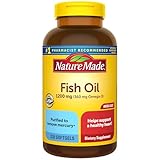
- Heart health support supplement: contains one 230 count bottle of Nature Made Fish Oil 1200 mg Softgels for a 115-day supply
- This Nature Made Omega 3 Fish Oil supplement is purified to remove mercury and other contaminants (2)
- One serving of two fish oil softgels provides 720 mg Omega-3 fatty acids (600 mg EPA and DHA) to help support a healthy heart
- Adults, take two of these Fish Oil Omega 3 EPA DHA supplement softgels daily with water and a meal
- This gluten free and dairy free Omega 3 Fish Oil for women and men supplement has no color added and no artificial flavors
How to compare cans
- Check whether the nutrition panel defines a serving as 3 ounces, a fraction of the can or the entire can.
- Compare sardines packed in water, oil or sauce separately; the medium changes calories, sodium and the drained weight.
- Look for the species name and the drained serving weight when comparing different can sizes.
- Choose lower-sodium versions if you eat canned fish frequently, and drain or rinse only when the package directions allow it.
Mercury and convenience
FDA/EPA classify sardines as a Best Choice. Unopened cans are shelf-stable, making sardines useful when fresh seafood is unavailable. Once opened, refrigerate leftovers according to the package instructions and use a clean container rather than storing food in a damaged or bulging can.
Atlantic and Pacific mackerel: powerful, but species identification is essential
What the NIH number shows
Cooked Atlantic mackerel provides 0.59 g DHA and 0.43 g EPA per 3 ounces in the NIH 2025 table. Pacific mackerel is also treated as a Best Choice by FDA/EPA, and both species are available fresh, frozen or canned.
The king-mackerel warning
Do not substitute king mackerel for Atlantic or Pacific mackerel. FDA places king mackerel in the “Choice to Avoid” category because of its higher mercury level. Check the species printed on a can, fish-counter label or restaurant description; the word “mackerel” alone is not specific enough.
Preparation considerations
Mackerel’s strong flavor works in salads, rice dishes and sandwiches, while fresh fillets can be baked or grilled. Canned products may contain added salt or oil, so compare labels by drained serving. Cooking changes weight through water loss, which is another reason not to transfer a raw-fish number to a cooked portion without checking the package.
Freshwater trout: a lower-mercury fresh or frozen option
Freshwater trout appears in the FDA/EPA Best Choices category and is widely sold fresh or frozen. The supplied NIH table does not provide a single EPA or DHA number for trout, so a precise comparison with salmon, herring or sardines requires the package’s nutrition panel.
Rank #3

- FISH OIL TRIPLE STRENGTH: The fatty acids in fish oil support healthy eyes, brain, immune system, and so much more.* This Omega3 Fish Oil complex provides 3600mg of total fish oil per serving for ultimate support, and every bottle contains a 40-day supply!*
- 1300MG EPA + 860MG DHA: Packed with essential fatty acids, MAV Nutrition’s DHA EPA Omega 3 provides super concentrated, potent fish oil supplements. Each serving contains a high 1300 mg of EPA and 860 mg of DHA.*
- DOCTOR-FORMULATED & CLEAN LABEL CERTIFIED: From intentional, expert-developed formulation, to meticulous manufacturing using advanced molecular distillation, our fish oil pills are crafted for the highest integrity, purity, and potency.*
- FRIENDS OF THE SEA CERTIFIED SUSTAINABILITY: This Non-GMO high EPA DHA Omega 3 supplement is sourced purely from clean, wild caught fish from Friend of the Sea certified sustainable fisheries. The best fish oil on the market is environmentally friendly!*
- NO FISHY AFTERTASTE: The ultimate Omega 3 DHA EPA supplement is concentrated in premium burpless citrus-flavored softgels to give you clean, high-quality fish oil DHA with no fishy burps or aftertaste. Try the highest quality Fish Oil Omega 3 supplements today!*
Trout is useful when you want a mild-tasting fillet and do not want canned food. Farmed and wild products can differ in fat content, and labels may list different serving weights. Use the species and preparation named on the package, and observe any regional advisory for fish caught yourself.
Free tools Windows power users keep installed
One-click scans. No signup required.
Which alternative fits your priority?
| Your priority | Best starting point | What to verify |
|---|---|---|
| Maximum quantified EPA and DHA among these entries | Atlantic herring | Whether smoking, pickling or sauces add more sodium than you want. |
| Shelf stability and minimal preparation | Canned sardines | Drained serving size, packing medium and sodium. |
| Canned fish with a strong omega-3 profile | Sardines or labeled Atlantic/Pacific mackerel | Exact species; reject king mackerel for routine use because FDA lists it as highest mercury. |
| Fresh or frozen mild fillets | Freshwater trout | EPA/DHA values on the package and any local catch advisory. |
| Lowest effort during travel or power outages | Unopened canned sardines or mackerel | Can integrity, storage instructions and sodium. |
No current retail price, brand, pack size or sodium value is universal enough to quote. Compare the products available where you shop using the same drained or cooked serving size.
How to choose canned fish without losing the nutritional comparison
- Identify the species first. “Mackerel” is incomplete if the label does not distinguish Atlantic or Pacific from king mackerel.
- Normalize the serving. Convert the can’s serving to approximately 3 ounces when comparing it with the NIH figures, but do not treat a converted estimate as a laboratory measurement.
- Read EPA and DHA separately. A label that lists only total omega-3 does not show how much is the long-chain EPA and DHA associated with fatty fish.
- Check drained weight and packing liquid. Oil, water and tomato sauce alter the edible amount and the calorie or sodium total.
- Check sodium and added ingredients. Smoked, salted, pickled and sauced products can differ markedly from plain versions of the same species.
- Inspect the container. Do not use cans that are bulging, leaking, badly rusted or deeply dented at a seam. Follow the manufacturer’s storage and refrigeration directions after opening.
How much seafood should you eat?
For a 2,000-calorie diet, the 2014 FDA/EPA advice recommends at least 8 ounces of seafood per week. The amount is a weekly pattern, not a requirement to eat one large serving at once. Divide it among meals that fit your calorie needs and dietary preferences.
The FDA’s 2020 update says people who are pregnant or breastfeeding should eat fish two to three times per week, totaling 8 to 12 ounces, and should select fish from the Best Choices category. Herring, sardines, Atlantic mackerel, Pacific mackerel and freshwater trout are in that category; king mackerel is not.
These federal amounts do not override state, tribal or local advisories. If you catch fish yourself, check the advisory for the specific waterway, species and size. Children need age-appropriate portions, so caregivers should use FDA guidance rather than simply copying an adult serving.
Recommended Free Tools
Rank #4
![NatureWise Extra-Strength Omega 3 Fish Oil Supplement - 1000mg per Serving - 600 EPA & 400 DHA and Vitamin E - Sustainably Sourced Fish Oil - Lemon Flavor - 60 Softgels[1-Month Supply]](https://m.media-amazon.com/images/I/41A8nF92I0L._SL160_.jpg)
- EXTRA STRENGTH OMEGA-3 + VITAMIN E: Omega 3 is an essential fatty acid, while vitamin E is a fat-soluble vitamin that is protective of omega 3 fatty acids. We combined omega 3 fish oil with vitamin E so that these synergistic compounds can support daily wellness.*
- PURIFIED OF HEAVY METALS: We distill our high-quality fish oil from heavy metals such as mercury, leaving behind only beneficial components of the fish oil.
- WILD-CAUGHT, SUSTAINABLY SOURCED FISH OIL: Our omega-3 fish oil comes from wild-caught fish and has been certified as a sustainable source of fish oil.
- NO FISHY BURPS OR SMELLS: Unlike other brands, NatureWise Omega-3 softgels deliver omega-3 fish oil without the fishy smells or fishy burps that other fish oil supplements have.*
- GLUTEN-FREE: NatureWise Omega 3 softgels are gluten-free and do not contain wheat, gluten, eggs, dairy, peanuts, tree nuts, and corn. This product contains fish (anchovy, mackerel, sardine) and soy.
Preparation, storage and safety details
Fresh and frozen fish
Keep fresh seafood cold and cook or freeze it according to the seller’s instructions. Frozen fish should remain frozen until you are ready to thaw it; use a refrigerator, cold water or a microwave method that is considered safe for the package, and cook promptly after microwave thawing. Cook to the package or FDA food-safety directions, using a food thermometer when appropriate.
Smoked, pickled and ready-to-eat products
Smoking and pickling improve convenience and flavor but do not make an item interchangeable with plain cooked fish. Account for sodium, follow “keep refrigerated” directions, and observe use-by guidance. Refrigerate opened packages promptly.
Self-caught fish
Mercury and other contaminants vary by location and fish size. Local advisories are more specific than a national species list, so check them before eating self-caught herring, trout, mackerel or any other fish.
Common mistakes when replacing salmon
- Treating all mackerel as the same fish: Atlantic and Pacific mackerel are Best Choices; king mackerel is a fish to avoid for highest mercury.
- Using total fat as an omega-3 proxy: a fatty product is not automatically high in EPA and DHA. Look for those two nutrients on the label.
- Comparing unlike servings: a whole can, a drained portion and a cooked 3-ounce serving are not equivalent measurements.
- Ignoring packing medium: oil, tomato sauce and brine change calories and sodium even when the fish species is identical.
- Assuming a low-mercury fish matches salmon’s omega-3 content: mercury safety and EPA/DHA concentration are separate questions.
- Forgetting preparation effects: smoking, curing and sauces can change the nutritional trade-off without changing the fish’s name.
- Relying on a generic species value for a specific product: feed, season, origin and processing can shift EPA/DHA, so use the current package panel.
A practical decision path
- Start with the format you will actually eat. Choose canned sardines or mackerel for shelf stability, herring for a high-EPA/DHA option in several formats, or trout for a fresh or frozen fillet.
- Confirm the species. If the label says king mackerel, select a different fish.
- Check the EPA/DHA panel. Compare products using the same serving weight and note whether the value is for drained, raw or cooked fish.
- Review sodium and ingredients. Select plain, water-packed or lower-sodium versions when those factors matter to your diet.
- Plan portions within federal guidance. Use the weekly 8-ounce baseline for a 2,000-calorie diet, or the pregnancy and breastfeeding range of 8 to 12 ounces over two to three meals.
- Follow local and package instructions. This includes catch advisories, refrigeration, cooking and leftover storage.
Bottom line for shoppers
For the clearest salmon replacement on EPA and DHA, choose Atlantic herring. For the most convenient pantry option, choose canned sardines and compare the label by drained serving. Atlantic or Pacific mackerel are strong alternatives when the species is verified, while freshwater trout offers a Best Choices fresh or frozen option whose exact omega-3 amount should be taken from its package. In every case, combine the EPA/DHA comparison with mercury category, sodium, serving size and preparation method rather than judging fish by name alone.
Quick Recap
Product prices and availability are accurate as of the date/time indicated and are subject to change. Any price and availability information displayed on Amazon at the time of purchase will apply.

