The best way to balance gaming is not to impose one universal daily limit. Start by checking what gaming is displacing—sleep, movement, reading, homework, free play, or family connection—then make a family plan that protects those needs and offers offline activities your child actually wants to do. Outdoor movement, shared games, reading, creative projects, hobbies, and social activities can all work when they fit the child’s age, abilities, interests, and routine.
What “balance” should look like
For school-aged children and teenagers, current American Academy of Pediatrics (AAP) guidance does not set one screen-time number that fits every child. The more useful question is whether gaming’s content, timing, or duration is crowding out essential parts of life. A game session that ends on time after homework and outdoor play is different from gaming that regularly pushes bedtime later, replaces meals, or leaves no room for movement and relationships.
As an Amazon Associate I earn from qualifying purchases.
Track the activity being displaced rather than treating every minute of gaming as equally harmful. A child who plays for an hour on a rainy afternoon may still sleep well, move enough, complete schoolwork, read, and spend time with family. A shorter session can still be a problem if it occurs during homework, continues past bedtime, or is the only activity a child chooses.
Free tools Windows power users keep installed
One-click scans. No signup required.
- Sleep: Is gaming delaying bedtime, shortening sleep, or making it harder to wind down?
- Movement: Is most of the child’s day sedentary, with little active play or exercise?
- School and responsibilities: Are homework, chores, meals, or hygiene being rushed or skipped?
- Reading and creativity: Is there time for books, making, music, art, building, or imaginative play?
- Connection: Does gaming leave room for conversation, family activities, friends, clubs, or community life?
- Well-being: Do transitions from gaming lead to persistent conflict, irritability, or difficulty stopping?
AAP recommends individualized family rules, caregiver role-modeling, and updating the plan as children mature. The goal is a workable rhythm, not a perfect ratio of screen to non-screen minutes.
#1 Best Overall
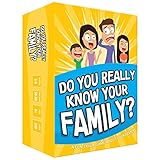
- Get ready for the best family game night as you laugh and learn new things about each other with this fun card game.
- See who really knows the family best as you answer fun questions about each other while sparking interesting conversations.
- Create hilarious family memories as you compete and perform silly challenges together.
- Super easy to learn and play - a perfect game for families with kids 8 and up, teens and adults.
Movement guidance by age
Children and teens ages 6–17
The Centers for Disease Control and Prevention (CDC) recommends at least 60 minutes of moderate-to-vigorous physical activity every day for children and adolescents ages 6–17. The daily total should include aerobic activity, with muscle- and bone-strengthening activity on at least three days each week. The 60-minute figure is a movement target, not a prescribed gaming limit, and it can be accumulated in shorter blocks.
Walking to school, active recess, playground time, cycling, dancing, running games, sports practice, and family walks can all contribute. Children do not need a formal team or expensive equipment. Choose activities that match ability, weather, transportation, disability access, and the child’s preferences.
Preschoolers ages 3–5
CDC guidance says children ages 3–5 should be physically active throughout the day. For this age, frequent bursts of running, climbing, jumping, dancing, carrying, and pretend play are more realistic than a single scheduled workout. Adults can make active play enjoyable by joining in, offering varied choices, and allowing children to lead the game.
Recommended Free Tools
Children under five
World Health Organization (WHO) guidance combines physical activity, sedentary behavior, and sleep. For children ages 1–2, WHO recommends at least 180 minutes of varied physical activity spread across the day. For ages 3–4, it recommends at least 180 minutes of varied activity, including at least 60 minutes of moderate-to-vigorous activity. These are under-five recommendations, not targets for every older child.
WHO also encourages caregivers to use sedentary time for shared reading and storytelling instead of defaulting to a screen. Its public-health message is to bring back play, shift sedentary time toward playtime, and protect sleep. Infants and toddlers have different needs from school-aged children, so families should use age-appropriate guidance rather than applying a teenager’s routine to a preschooler.
Rank #2

- GAME OF SWEET REVENGE: Enjoy classic Sorry! gameplay with this Sorry! board game for kids. It's an edge-of-your-seat race to home, so hurry up and get there first
- FIRST ONE HOME WINS: Who will be the first player to get all 3 of their pawns to the home space? But watch out! Players can get "sweet revenge" by sending each other's pawns back to the starting point
- SO MANY POSSIBILITIES: Slide, collide, and score to win the Sorry! game. This family game for kids and adults features so many possibilities depending on the card picked up and strategy chosen
- CLASSIC SORRY! GAMEPLAY: Remember playing the original Sorry! game as a kid? Bring back memories of playing the Sorry! game with family members and introduce it to a new generation
- FAMILY GAME NIGHT FAVORITE: A go-to game for family time or anytime indoor fun, the Sorry! game for kids is one of the best family games for game night
Best non-screen activities to try
Outdoor movement
Outdoor play is often the simplest replacement for a gaming session because it changes both the setting and the body’s activity level. Offer a short menu rather than a command to “go outside.” Options include walking, running races, tag, jumping games, playground climbing, riding a tricycle, cycling, kicking a ball, nature scavenger hunts, or an enjoyable sport.
Match the challenge to the child. A beginner may prefer a ten-minute walk with a caregiver; an older child may want basketball, skateboarding, hiking, or a run with a friend. If outdoor space is limited, use a hallway for an indoor obstacle course, a community center, stairs where safe, or dance and movement games. Weather, neighborhood safety, mobility, sensory needs, and family transportation all matter when deciding what is realistic.
Face-to-face family play
A family board game, card game, puzzle, charades, or another face-to-face game can provide social time without requiring a purchase. Let the child help choose the activity and agree on a stopping point before starting. Younger children may enjoy matching, cooperative games, or simple turn-taking; older children may prefer strategy, trivia, wordplay, or a game they can teach to relatives.
Keep the emphasis on connection rather than winning. If competition causes arguments, use cooperative rules, teams with mixed ages, or a shared goal such as completing a puzzle. A ten-minute game after dinner can be more sustainable than an ambitious weekly tournament that nobody has time to attend.
Reading and storytelling
Shared reading is especially valuable for young children. A caregiver can read aloud, look at picture books, tell a family story, or invite the child to invent an ending. Older children may prefer graphic novels, nonfiction about a favorite game topic, audiobooks during a quiet activity, magazines, or reading with a sibling.
Rank #3

- All New Game: It's the 2nd edition of the quick question “what am I?” Game. Includes 6 new bands- dino, narwhal, robot, flower, butterfly, & brain
- Simple To Play: Pick a headband, place a card in it and play to figure out what's shown on your card. Using yes/no questions, be the first to guess 3 cards correctly and you win
- Family Game Night: Hedbanz is a must-have in your collection of family games for kids and adults. It is for everyone ages 6 and up. For 2-6 players, bring along when you are in need of fun board games for family night
- Funny Random Stuff For Family Game Night: Throw the best party, birthday, game night & Friendsgiving with new party games, family board games & card games for teens & adults
- Spin Master Toys & Games: Looking for kids games, yard games & card games for grown ups, kids or teens? Shop everything from family game night, travel games, puzzles for adults & family games
Make reading easy to start: keep a small selection visible, allow the child to choose the subject, and create a comfortable place away from the gaming device. Do not turn every book into a test. The purpose is language, imagination, calm, and shared attention.
Art, music, building, and making
Creative activities can replace the problem-solving and mastery that make games appealing. Try drawing characters, painting, clay, model building, origami, cooking, photography, sewing, music practice, songwriting, LEGO-style construction, or repairing a household object with supervision. A child who likes game design might enjoy drawing a map, inventing rules for a tabletop game, writing a story, or building a physical level with blocks.
Materials do not need to be elaborate. Paper, pencils, recycled boxes, household containers, library books, and a free outdoor space can support many projects. Present two or three ideas, then let the child adapt them. A project is successful when the child engages with it, not when it looks polished.
Sports, clubs, volunteering, and community activities
Organized activities can add movement and social connection, but they are not automatically better than unstructured play. Consider a local sport, martial arts, dance, music group, coding club that meets in person, theater, scouting, library event, youth group, or age-appropriate volunteer activity. Ask what the child would enjoy before enrolling them, and check schedule, cost, transportation, inclusion, and the program’s approach to competition.
For a child who dislikes teams, try an individual activity such as swimming, climbing, cycling, art, music, or nature programs. For a child who wants friends, a club may be more motivating than exercise alone. The best option is one the family can attend consistently without exhausting the child or caregivers.
Do these 3 things before closing this tab:
1Fix the driver behind crashes, sound loss and screen glitches2Clear out junk files and repair common Windows errors3Scan for outdated or missing drivers - takes under a minuteRank #4

- Fast-Paced Fun for All Ages: Engage in a lively game where players race to match cards with spoken words like "Taco," "Cat," "Goat," "Cheese," and "Pizza." Designed for 2–8 players aged 7 and up, each round lasts just 10–15 minutes, making it perfect for quick family card games or travel entertainment. Its simplicity and speed ensure everyone stays engaged and laughing.
- Simple Rules, Wild Gameplay: Players take turns playing cards while chanting the game's title in order. When a spoken word matches the card played, everyone races to slap the pile and the last one to do so takes the cards! Add in surprise action cards and it becomes a fast-paced, laugh-out-loud competition that's easy to learn but hard to stop playing.
- Card Games for Families and Social Events: Whether it's a holiday gathering, birthday party, or casual get-together, Taco Cat Goat Cheese Pizza is a go-to choice. Its easy-to-learn rules and engaging gameplay make it a hit among both kids and adults. It's also a top pick for stocking stuffers and Easter baskets, offering fun without the need for screens.
- Portable Entertainment for On-the-Go Fun: Compact and lightweight, this card game is travel-friendly, making it an excellent companion for road trips, vacations, or family outings. Its quick setup and short playtime ensure that you can enjoy a fun-filled game session anytime, anywhere.
- Boosts Cognitive Skills and Reflexes: Beyond entertainment, Taco Cat Goat Cheese Pizza helps develop important skills such as concentration, pattern recognition, and fine motor coordination. Players must stay alert and think quickly, making it both a fun and mentally stimulating activity for all ages.
Quiet, restorative downtime
Not every non-screen activity needs to be energetic or productive. Coloring, listening to music, sitting with a pet, journaling, looking out a window, doing a simple craft, stretching, or spending unstructured time outdoors can help a child recover from a busy day. Quiet options are particularly useful before bed, when vigorous play may make settling down harder.
How to compare activity choices
There is no validated scorecard that ranks one hobby above another. Use these practical questions to select an activity for a particular child and situation:
| Question | What to look for | Examples |
|---|---|---|
| Will the child choose it? | Interest, curiosity, or a friend involved | Favorite sport, drawing a game character, a sibling’s card game |
| Does it fit age and ability? | Safe challenge with adaptations where needed | Tricycle for a young child, seated art or adapted sport for a child with mobility needs |
| What need does it meet? | Movement, creativity, calm, mastery, or connection | Tag for aerobic play; music for creative practice; reading for quiet focus |
| Can the family access it? | Cost, equipment, transport, weather, time, and supervision | Neighborhood walk, library books, home art supplies, community center |
| How long does it take to start? | Low setup for busy transitions | Ten-minute dance break, a puzzle left on the table, a ready-to-read book |
| Can it grow with the child? | Ways to increase challenge or independence | From catch to a sport, from shared reading to independent novels |
Use the table as a conversation aid, not a grading system. An activity with modest physical benefit may still be worthwhile if it supplies social contact or creative satisfaction that gaming is replacing.
Build a family plan in six steps
- Identify the conflict. For one week, notice when gaming collides with sleep, meals, homework, movement, reading, chores, or relationships. Record patterns without shaming the child.
- Ask what the child values. Find out which offline activities sound enjoyable, who they want to do them with, and what makes stopping a game difficult. AAP encourages listening to young people because activities are more likely to stick when they have a voice in the choice.
- Set screen-free times and places. Examples include during meals, during homework, in bedrooms overnight, or during a planned family activity. Choose boundaries that protect the displaced need rather than banning every convenient moment.
- Offer two or three alternatives. Give specific choices: “Do you want a bike ride or a card game before dinner?” is easier to act on than “Find something else to do.” Include at least one low-effort option for tired days.
- Put the activity on the routine. Keep books visible, leave art materials ready, schedule a walk after school, or arrange a recurring club. Caregivers should model the same screen-free periods when possible.
- Review and revise. Revisit the plan after a school-term change, new sport, vacation, illness, or developmental shift. A plan that worked for a nine-year-old may not fit a thirteen-year-old, and a rule that fails repeatedly needs adjustment rather than harsher punishment.
Sample routines by age
| Age and situation | Possible non-screen rhythm | Why it may help |
|---|---|---|
| Preschool afternoon | Outdoor climbing and running; snack; shared picture book; free pretend play | Frequent movement, language-rich quiet time, and imaginative play |
| Early elementary school day | Active trip home; homework; 20-minute reading; outdoor game; gaming after responsibilities | Places movement and reading before a planned game session |
| Older child after school | Snack and decompression; sports or walk; homework; family meal and board game; defined gaming window | Balances social, physical, academic, and recreational needs |
| Teen weekend | Sleep-protective morning; friend activity or volunteer shift; personal hobby; gaming with agreed stop time | Respects autonomy while reserving time for movement and connection |
These are examples, not universal schedules. School hours, health conditions, family work patterns, cultural routines, and the child’s preferences should determine the actual plan.
Quick wins for a faster PC:
Repair Windows errors before they cause bigger problemsFix Now →Fix the driver behind crashes, sound loss and screen glitchesFind Drivers →Clear out junk files and repair common Windows errorsFree Scan →When a child resists alternatives
“Nothing else is fun.”
Start with the feature of gaming the child likes: competition, exploration, stories, building, collecting, challenge, or friends. Then offer an offline activity with a similar feature. A child who likes exploration might choose a scavenger hunt; a builder might construct a model; a social player might invite a friend for a sport or board game. Expect the first attempt to be ordinary, not instantly as compelling as a highly designed game.
Best Value

- INTRODUCING A DIGITAL DIE: More suspense, more surprises, more laughs! In this Jenga game, enjoy the classic Jenga gameplay fans love—or dare to play it with the digital die for added challenges
- 6 MORE WAYS TO PLAY: Roll the digital die for unpredictable challenges: play using thumbs only, race against the clock, and more! (To download the die onto a phone, scan the in-pack QR code or access the web app. No additional purchase needed)
- HILARIOUS CHALLENGES: Actions like “Team-Up” amp up the fun! A player who rolls it selects another player to act as their eyes. The other player can guide their arm, but can’t touch the tower—or topple it
- EXCITING GAME FOR PARTIES OR SOLO PLAY: The Jenga game for kids and adults is the wooden block balancing game livening up parties for generations. No friends around? No problem. Play solo to beat a personal best
- GENUINE WOOD BLOCKS: The Jenga party game includes 54 precision crafted wooden blocks. Pull out a block, place it on top, but don't let the tower fall in this original wood block game
Transitions cause arguments
Give advance warnings, use a visible timer, and stop at a natural break when the game allows it. State the next activity positively and specifically. If the child is hungry or overtired, meet that need first. Keep the boundary predictable and calm; negotiating for extra minutes at every transition teaches that escalation changes the rule.
The child rejects organized activities
Do not assume a team sport is the only path to movement or friends. Try informal play, a walk with one friend, swimming, music, art, a library group, or volunteering. Ask whether the issue is the activity itself, the coach, the schedule, sensory overload, fear of failure, or a lack of accessible transportation. Adjust the setting before concluding that the child dislikes all offline options.
There is little money or space
Use free options first: walking, playgrounds, public libraries, community events, storytelling, household art materials, dance, stretching, and games that require no equipment. Ask schools, libraries, parks, and community centers about free programs or equipment lending. A purchase can make an activity convenient, but no product is required by the health guidance.
Make alternatives safe and inclusive
- Check that climbing, cycling, water play, cooking, tools, and neighborhood outings match the child’s supervision needs.
- Adapt rules, equipment, pace, lighting, noise, and group size for disabilities, sensory differences, or chronic health conditions.
- Let children stop or modify an activity when pain, dizziness, breathing difficulty, or distress appears.
- Use helmets and other appropriate protective equipment for activities that warrant them.
- Protect sleep by avoiding late, highly stimulating activities when they make winding down difficult.
- Respect cultural preferences, gender expression, and the child’s comfort; “active” does not have to mean competitive.
When to discuss concerns with a pediatrician
Gaming time alone does not diagnose a health or behavioral problem. Speak with the child’s pediatrician if there are persistent concerns about sleep, mood, anxiety, social withdrawal, school functioning, appetite, physical symptoms, or repeated inability to stop despite consistent support. Bring a concrete description of the routine, what gaming is displacing, and which changes you have tried. A clinician can consider the child’s individual development, health, medication, stress, and family circumstances rather than applying a generic screen-time number.
A balanced plan protects the essentials first, gives children a meaningful say in the alternatives, and changes as their needs change. The most effective replacement is usually the one that is available today, suited to the child, and easy for the family to repeat tomorrow.
Quick Recap
Product prices and availability are accurate as of the date/time indicated and are subject to change. Any price and availability information displayed on Amazon at the time of purchase will apply.

