What’s actually slowing this PC down?
Pick the symptom - the matching free tool is one click away.
The best TV for gaming is the model that matches your console or PC, room and budget—not simply the TV with the most impressive panel label. Start by confirming the exact set’s native refresh rate, supported resolution-and-refresh combinations, HDMI bandwidth, variable refresh rate (VRR) and automatic low-latency mode (ALLM). Then compare OLED and Mini-LED/QLED models for your viewing environment and preferred image.
Current 2026 buying guides identify the LG C6 OLED and Samsung S95H OLED as notable examples, but neither is a universal winner. Model suffixes, screen sizes, port layouts, regional availability and prices can change the decision, so verify the exact version before buying.
As an Amazon Associate I earn from qualifying purchases.
Quick answer: which gaming TV should you shortlist?
If you want a focused starting point, use current review coverage as a shortlist rather than a permanent ranking. RTINGS’ 2026 gaming-TV guide includes the LG C6 OLED, while its broader 2026 TV guide identifies the Samsung S95H OLED as a high-end example. What Hi-Fi?’s 2026 gaming-TV guide compares sets across OLED, Mini-LED and QLED approaches.
| Shortlist item | What the current guides establish | What you must still verify |
|---|---|---|
| LG C6 OLED (2026) | Named among RTINGS’ current gaming-TV recommendations. | Exact screen-size specification, regional model suffix, native refresh rate, supported input modes, HDMI port capabilities, current price and local stock. |
| Samsung S95H OLED (2026) | Used as a high-end example in RTINGS’ broader current TV recommendations. | Gaming features and port configuration for the size and country you intend to buy; current price and availability. |
| Mini-LED or QLED alternative | Current gaming-TV coverage evaluates these backlight and panel approaches alongside OLED. | The particular model’s refresh modes, VRR behavior, HDMI bandwidth, room performance and value. A panel category alone does not determine gaming quality. |
These examples are starting points, not guarantees of the best value or availability in your market. The buying process below is designed to prevent a good-looking specification sheet from failing with your actual device.
#1 Best Overall

- TCL QM6K QD-MINI LED TV SERIES - AFFORDABLE PREMIUM PERFORMANCE FOR SPORTS, GAMING & STREAMING. Experience superior contrast, rich color, and ultra-smooth motion with TCL’s QD-Mini LED technology. Designed to outperform traditional QLED and OLED TVs, the QM6K is the best TV for every moment—whether you're streaming, gaming, or watching the big game.
- QD-MINI LED. IT’S MINI LED PLUS QLED COLOR - BREATHTAKING BRIGHTNESS AND COLOR IN ANY LIGHT. Combines ultra-precise Mini LEDs with Quantum Dot technology for incredible brightness, bold contrast, and over a billion vibrant colors.
- TCL HALO CONTROL SYSTEM - BETTER BLACKS. SHARPER DETAIL. NO BLOOMING. Advanced local dimming eliminates haloing, enhances shadow detail, and improves picture accuracy—so dark scenes look deeper, and bright scenes stay crisp.
- DOLBY VISION, HDR10+, HDR10 & HLG - STUNNING HDR IN EVERY FORMAT. Enjoy 4K content the way it was meant to be seen. Dynamic HDR support delivers exceptional color, contrast, and detail across all major formats.
- 144HZ NATIVE REFRESH RATE + MOTION RATE 480 - SMOOTH, FAST ACTION—PERFECT FOR LIVE SPORTS. Watch fast-paced action with incredible clarity and minimal motion blur—making this one of the best TVs for sports.
Start with the device you will connect
A television cannot display a gaming mode that the source device does not output, and a console or graphics card cannot use a mode the TV’s selected HDMI input does not accept. Write down the target mode before comparing televisions.
Consoles
Modern consoles make 120Hz support a useful selection criterion. Decide whether your priority is a 4K signal, a 120Hz mode, or both at the same time. Then check the console’s own output settings and the TV’s specification for that exact combination. Do not infer support from a generic “gaming” badge or from a different size in the same product family.
Gaming PCs
PC gaming can make higher refresh rates attractive, especially when your graphics hardware can sustain higher frame rates. Check the graphics card’s output, the cable standard, the game’s resolution and the TV’s supported refresh modes. A television advertised with a high “motion rate” may have a lower native refresh rate; only the native rate and the actual input table matter.
Multiple sources
If you plan to connect a console, PC, soundbar or receiver, map every cable first. Count the HDMI inputs that support your required bandwidth and gaming mode. A port used for eARC may also be one of the high-bandwidth inputs, leaving fewer suitable sockets for consoles or a PC.
The specifications that actually affect gaming
Native refresh rate, not a motion-rate label
Native refresh rate is the panel’s real operating rate. Marketing terms such as “motion rate” can combine processing and panel behavior and are not a substitute for a model’s input specifications. Confirm the native rate and the resolutions it accepts at each rate. RTINGS maintains a current 120Hz-TV guide that can help identify models designed around this capability.
Look for an explicit list such as 4K at 120Hz, rather than assuming that a television with a 120Hz panel accepts every resolution at 120Hz. Some sets support a high rate only at particular resolutions, through particular ports, or with selected picture settings.
Rank #2

- HI - QLED MINILED: Striking contrast and vivid, lifelike color put every scene in a new light. Whether it's a sunny landscape or a candlelit drama, the picture leaps off the screen. Mini-LED backlighting uses hundreds of precise light zones to enhance contrast across the screen. Paired with Hi-QLED technology, every color comes through with stunning depth and accuracy
- NATIVE 144HZ REFRESH RATE: Fast breaks, high-speed chases, live finales — every frame stays crisp and fluid, so the action is always exactly where you need it to be. Native 144Hz refresh performance keeps movement fast and sharp, reducing blur during gameplay and live sports. The quick response helps you stay in control during competitive gaming while making rapid camera shots in shows and movies easier to follow
- BUILT-IN SUBWOOFER: Immersive deep bass from the built-in subwoofer pulls you into the heart of the moment, from the rumble of an explosion to the thump of your favorite song. Feel like you’re a part of the action
- ANTI-REFLECTION & GLARE-FREE: Bright rooms are no match for this screen. The anti-reflection and glare-free display keeps your view clean and distraction-free, so you stay focused on what matters — the show
- UNIBODY SLIM DESIGN: Edge-to-edge display and a seamless design that disappears into your room — so all you see is the picture
HDMI 2.1 bandwidth and port selection
HDMI 2.1 bandwidth can enable 4K at 120Hz and related gaming functions, but the label alone is not enough. Check the specification for the exact input you will use and note how many ports support the required mode. Port counts and capabilities vary by model. The cable, source device and TV input all have to support the same target signal.
Quick wins for a faster PC:
Fix the driver behind crashes, sound loss and screen glitchesFind Drivers →Repair Windows errors before they cause bigger problemsFix Now →Before purchase, find the manufacturer’s input table or a detailed test for your precise size and regional variant. Confirm whether all HDMI inputs or only selected ones provide the bandwidth you need, and whether eARC occupies one of those ports.
VRR
Variable refresh rate synchronizes the display’s refresh behavior with changing frame rates, which can reduce visible tearing when a game’s output fluctuates. Compatibility depends on the source, the TV and the supported VRR standard and range. PC buyers should verify graphics-card compatibility and any driver or operating-system settings required by their hardware.
Do not treat “VRR supported” as a complete specification. Record the stated VRR range, the standards supported and the HDMI inputs on which VRR works. If the manufacturer does not state a range, look for an independent test of the exact model rather than guessing.
ALLM and game mode
Automatic low-latency mode (ALLM) lets a compatible source signal the TV to switch into a lower-latency picture mode. It is convenient, but it still requires compatibility between the source and display. If ALLM does not trigger, select the TV’s Game or low-latency picture mode manually and check the console or PC output settings.
Input lag and processing
Use measured input-lag results from a reputable test when responsiveness is critical. A TV can have the right resolution and refresh rate yet feel slower if image processing remains enabled. Compare measurements made in the relevant game mode and at the resolution and refresh rate you intend to use; do not rely on a single figure from another mode.
Rank #3
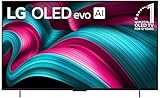
- Alpha 9 AI Processor Gen8: This processor is the brains behind a truly unforgettable TV experience. You'll get personalized smooth, vivid picture no matter what you watch. AI Super Upscaling technology automatically enhances picture quality whether you're watching sports, movies, or a late-night favorite. Everything looks and sounds incredible on a LG OLED TV
- OLED Technology with Self-Lit Pixels: LG's flagship OLED technology creates an incredible watching experience and stellar picture quality with deep black levels and accurate color technology on over 8.3 million self-lit smart pixels, even in bright rooms
- Dolby Vision, Dolby Atmos, Filmmaker Mode: Experience the magic of the big screen right from your couch. Loaded with Dolby Vision for extraordinary color, contrast and brightness, plus Dolby Atmos for sound you can feel all around you. Land in the center of the action with FILMMAKER MODE, allowing you to see films just as the director intended
- Advanced Gaming Features: Packed with gaming features, this LG OLED evo Series comes with everything you need to win. Experience crisp, smooth imagery from a 0.1ms response time and up to 144Hz refresh rate to let you game at blinding speed without any blurring or tearing to keep up with the fastest games. All LG OLED TVs have NVIDIA G-Sync, AMD FreeSync Premium and VRR to further improve gaming quality. Four HDMI 2.1 inputs allow you to plug in all the devices you need. Whether you game on consoles or on the cloud, the LG Game Dashboard and Game Optimizer put all the control at your fingertips
- Personalized Picture and Sound Wizard: Set your personalized picture and audio settings. The Personalized Picture & Sound Wizard uses AI technology to analyze your favorite images and sound clips to create a personalized picture and audio experiences tailored for you
OLED versus Mini-LED and QLED
Current recommendation coverage includes both OLED and Mini-LED/QLED televisions. There is no evidence in the available guides for a universal panel-type winner, so choose according to your room, image preferences and budget, then compare individual models.
| Consideration | OLED | Mini-LED/QLED |
|---|---|---|
| How to evaluate | Compare the specific OLED model’s gaming modes, refresh support, VRR behavior and measured responsiveness. | Compare the specific model’s backlight behavior, gaming modes, refresh support, VRR and measured responsiveness. |
| Room fit | Judge the actual set in the room where it will be used, including ambient light and viewing position. | Judge the actual set in the same way; the Mini-LED or QLED label alone does not predict gaming performance. |
| Buying decision | Useful when the model’s image characteristics and supported input modes suit your preferences. | Useful when the particular set offers the room performance, features and price you need. |
Do not select a panel type first and then force a purchase around it. Shortlist the models that support your source’s target signal, remove any with unsuitable ports or modes, and only then decide which picture characteristics you prefer.
Screen size and viewing distance
Choose the size that fits your seating distance and physical space before comparing model prices. A screen that dominates a close desk setup can be uncomfortable, while a small screen viewed from far away can make interface text and detail harder to read.
Free tools Windows power users keep installed
One-click scans. No signup required.
- Measure the distance from your normal gaming position to the screen.
- Check the stand width, depth and wall-mount pattern against your furniture or mount.
- Leave room for ventilation and for the cable bend radius behind the TV.
- For a PC, confirm that the chosen size works with your desk depth and text-scaling preferences.
- For a shared room, consider seating angles and whether reflections affect the intended picture mode.
Do not assume that every size in a series has identical ports or refresh behavior. Confirm the exact diagonal and model suffix in the specification sheet.
A step-by-step buying method
- Define the target signal. Write down the source device, desired resolution, desired refresh rate and whether VRR is required. Include the PC graphics card or console model.
- Check the exact HDMI input. Verify that the port you will use supports the complete target combination. A television’s general HDMI label does not prove that every input does.
- Confirm native refresh and input modes. Ignore motion-rate branding until you have found the native panel rate and the manufacturer’s resolution/refresh table.
- Verify VRR and ALLM. Check the supported standards, stated VRR range, compatible source devices and whether the features work on the chosen input.
- Map your other equipment. Count suitable high-bandwidth ports after accounting for eARC, a soundbar, receiver or capture device.
- Choose size for the room. Measure viewing distance, furniture and mount clearance, then compare only sizes that fit.
- Compare panel behavior. Evaluate OLED and Mini-LED/QLED candidates in the context of your room, preferred image and budget. Use independent measurements where available.
- Check the local listing. Match the country-specific model number, size, port configuration, included accessories, warranty terms, price and stock immediately before purchase.
How to set up a gaming TV after purchase
Connect the right source to the right port
Use the HDMI input identified in the specification sheet for your target mode. If the TV has ports with different capabilities, label the cable and input so another household member does not move the console to a lower-bandwidth socket.
Enable the low-latency path
In the TV’s picture settings, select the Game or low-latency mode, or allow ALLM to switch modes automatically if both devices support it. Menu names vary by manufacturer and software version. Confirm that the picture mode changes when you launch a game and returns when you switch back to video content.
Rank #4

- OUR MOST ADVANCED 4K AI PROCESSOR: Powered by 128 neural networks to deliver AI-enhanced picture and optimized sound, resulting in an exceptional 4K experience for streaming, gaming, live sports and more.*
- TRANSFORMS EVERYTHING ON SCREEN TO IMPRESSIVE 4K RESOLUTION*: See impressive details on screen. Our AI processor upscales everything you watch to 4K using 128 AI neural networks and ensures incredibly sharp and smooth picture quality.*
- POWERFUL BRIGHTNESS AND DEEPER CONTRAST IN EVERY PIXEL**:Experience powerful brightness and deeper contrast revealing nuanced detail in each scene. The NQ4 AI Gen3 processor analyzes each scene and boost brightness to illuminate even the smallest details.**
- BRINGS SMOOTH MOTION TO SPORTS AND TEAR-FREE GAMING: Experience smooth visuals and elite speeds for VRR gaming at up to 4K 144Hz.***
- KEEP YOUR EYE ON THE BALL: The AI processor smooths the motion of fast-moving balls and text, reducing blur and flickering, so you don't lose sight of the action.*
Turn on VRR at both ends
Enable VRR in the console or PC display settings and in the television’s gaming or external-device menu. Check the on-screen information panel or source settings to confirm the active resolution, refresh rate and VRR status. If the options disappear, reconnect the source to the documented high-bandwidth input and check the cable.
Verify the signal rather than trusting the menu
Use the source’s video-information screen or the TV’s signal-information panel to confirm the actual mode. A console may be connected to a 120Hz-capable TV but still output 60Hz because of a source setting, game mode or cable limitation.
Troubleshooting common problems
The TV shows 60Hz instead of 120Hz
- Confirm that the game, console or PC is configured for the intended refresh rate.
- Move the cable to the HDMI input documented for the required mode.
- Check that the selected resolution is one the TV accepts at 120Hz; some combinations are limited.
- Replace an unverified cable with one rated for the bandwidth of the target signal.
- Check the exact size and regional suffix, because specifications can differ within a product family.
VRR is unavailable or flickers
- Confirm VRR is enabled in both the source and TV menus.
- Verify that your graphics card or console supports the TV’s VRR standard.
- Check whether VRR works only on particular HDMI inputs or within a stated range.
- Test a fixed refresh rate to separate a source-setting problem from a display problem.
- Install current source and TV firmware where the manufacturer provides it, then repeat the signal check.
ALLM does not switch picture modes
ALLM requires a compatible source and display. Enable the feature in the source settings, confirm the TV allows automatic picture-mode changes, and use the Game mode manually if the devices do not negotiate ALLM.
You run out of suitable HDMI ports
Re-draw the connection plan with the high-bandwidth inputs first. If eARC or a receiver occupies a needed port, check whether another input supports the same gaming mode or whether your audio equipment can be connected differently without reducing the video signal.
How to compare two televisions fairly
Use one worksheet for every candidate so a bright showroom label does not hide a missing feature.
The Tool Desk
Outbyte Driver Updater FREEScan for outdated or missing drivers - takes under a minuteDriver Scan →Outbyte PC Repair FREERepair Windows errors before they cause bigger problemsFix Now →| Comparison field | Record for each exact model |
|---|---|
| Model identity | Full model number, screen size, country or region and software version if relevant. |
| Panel and backlight | OLED, Mini-LED, QLED or another stated technology; note the image behavior that matters in your room. |
| Refresh support | Native refresh rate and every supported resolution/refresh combination for the intended HDMI input. |
| Gaming features | VRR standards and range, ALLM behavior and measured game-mode responsiveness where available. |
| Connectivity | Number of suitable HDMI inputs, bandwidth of each, eARC location and any restrictions when features are combined. |
| Practical fit | Size, stand or mount dimensions, viewing distance, reflections, cable routing and ventilation. |
| Ownership factors | Current local price, stock, warranty and return policy checked at the time of purchase. |
When a source does not state a value, record “not stated” and seek the manufacturer’s documentation or a test of that exact model. Do not fill a missing cell with a number from a similarly named television.
What current guides can—and cannot—tell you
RTINGS’ gaming-TV and 120Hz guides, LG’s TV-for-gaming buying guide and What Hi-Fi?’s 2026 comparison are useful for identifying models and the specifications worth checking. They do not replace a country-specific product page or a final check of the exact size you plan to buy.
Recommendation lists change as new models, firmware and prices appear. The available coverage does not establish a region-by-region price comparison, independent measurements for every candidate or current retailer stock. Treat the named models as verification starting points, not as a promise that one set is best for every room or budget.
Quick Recap
Final pre-purchase checklist
- Your console or PC’s target resolution and refresh rate are written down.
- The exact TV input supports that combination, not merely the TV series in general.
- The panel’s native refresh rate is confirmed; motion-rate marketing has been ignored.
- VRR standards, range and source compatibility are documented.
- ALLM or a manual low-latency mode is available and tested for your source.
- Enough suitable HDMI ports remain after eARC and other equipment are connected.
- The screen size fits the viewing distance, furniture and mount.
- The OLED or Mini-LED/QLED choice reflects the room and image preference, not just a label.
- The country-specific model number, price, stock and warranty have been checked immediately before purchase.
Product prices and availability are accurate as of the date/time indicated and are subject to change. Any price and availability information displayed on Amazon at the time of purchase will apply.

